Zazadin Hanı: A 13th-Century Seljuk Caravanserai
Site at a Glance
- Popularity
- Medium
- Country
- Turkey
- Primary era
- Medieval
- Eras represented
- Medieval
- Civilizations
- Seljuk
- Site type
- Economic
- Remains
- Caravanserai
On this page5 sections
History
Zazadin Hanı is a 13th-century caravanserai near Selçuklu in Konya, Turkey, built during the Anatolian Seljuk period, when the Seljuk sultanate ruled Anatolia. Caravanserais provided lodging and related facilities for travelers and commercial caravans. The han is regarded as an important Anatolian example of Seljuk stonework, monumental entrance design, and functional interior organization.
Sadeddin Köpek, a high-ranking official serving Alaeddin Keykubad I and Gıyaseddin Keyhüsrev II, commissioned its construction between 1235 and 1236. Alaeddin Keykubad I was also its owner. Construction was completed in 1236.
Selçuklu Municipality carried out a comprehensive restoration of the han in 2017.
Remains
Plan and exterior
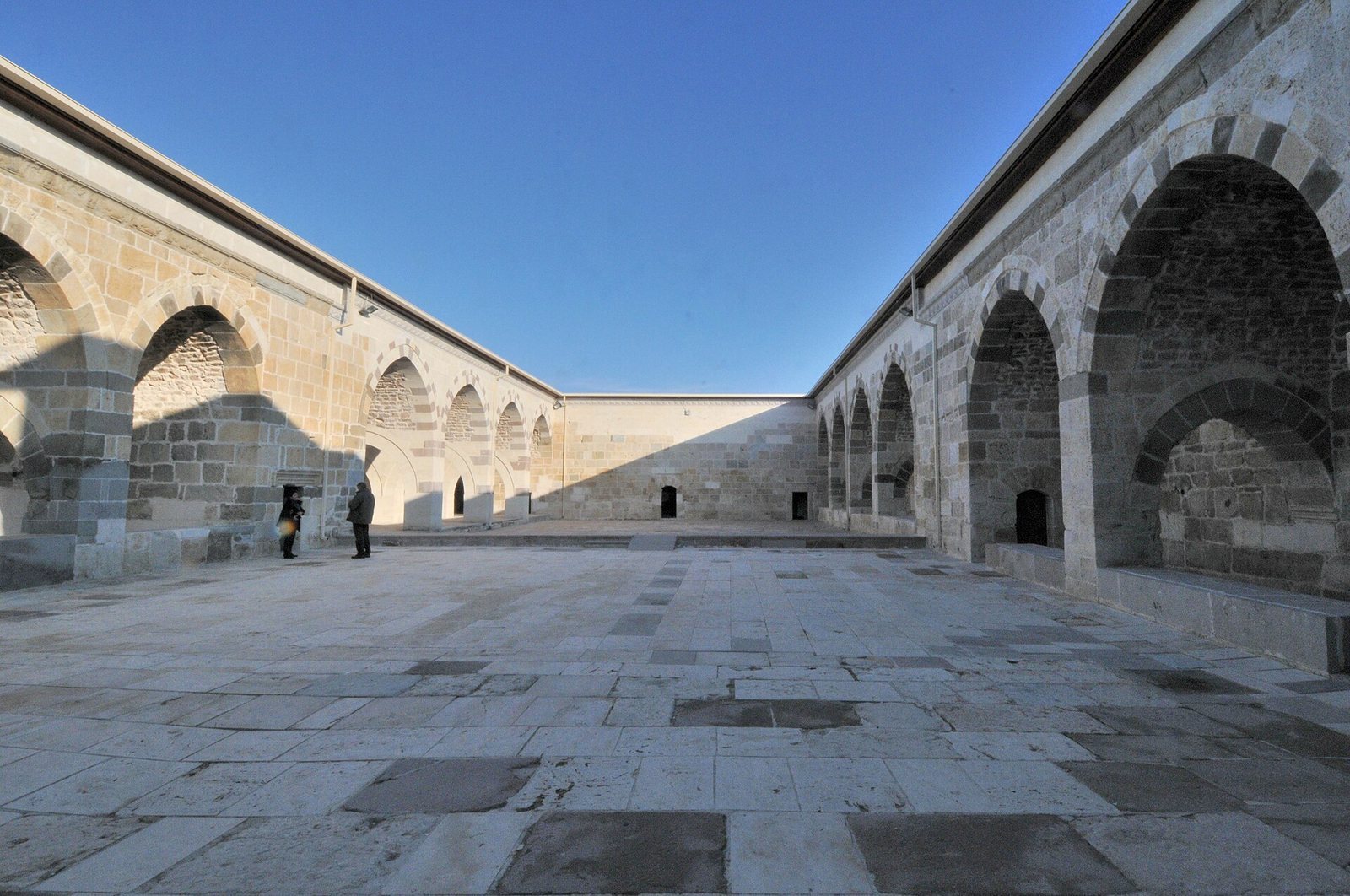
Courtyard and seasonal sections
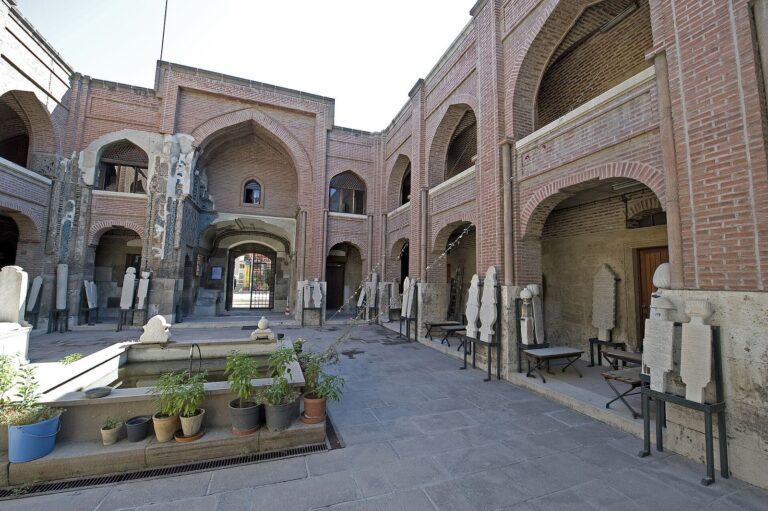
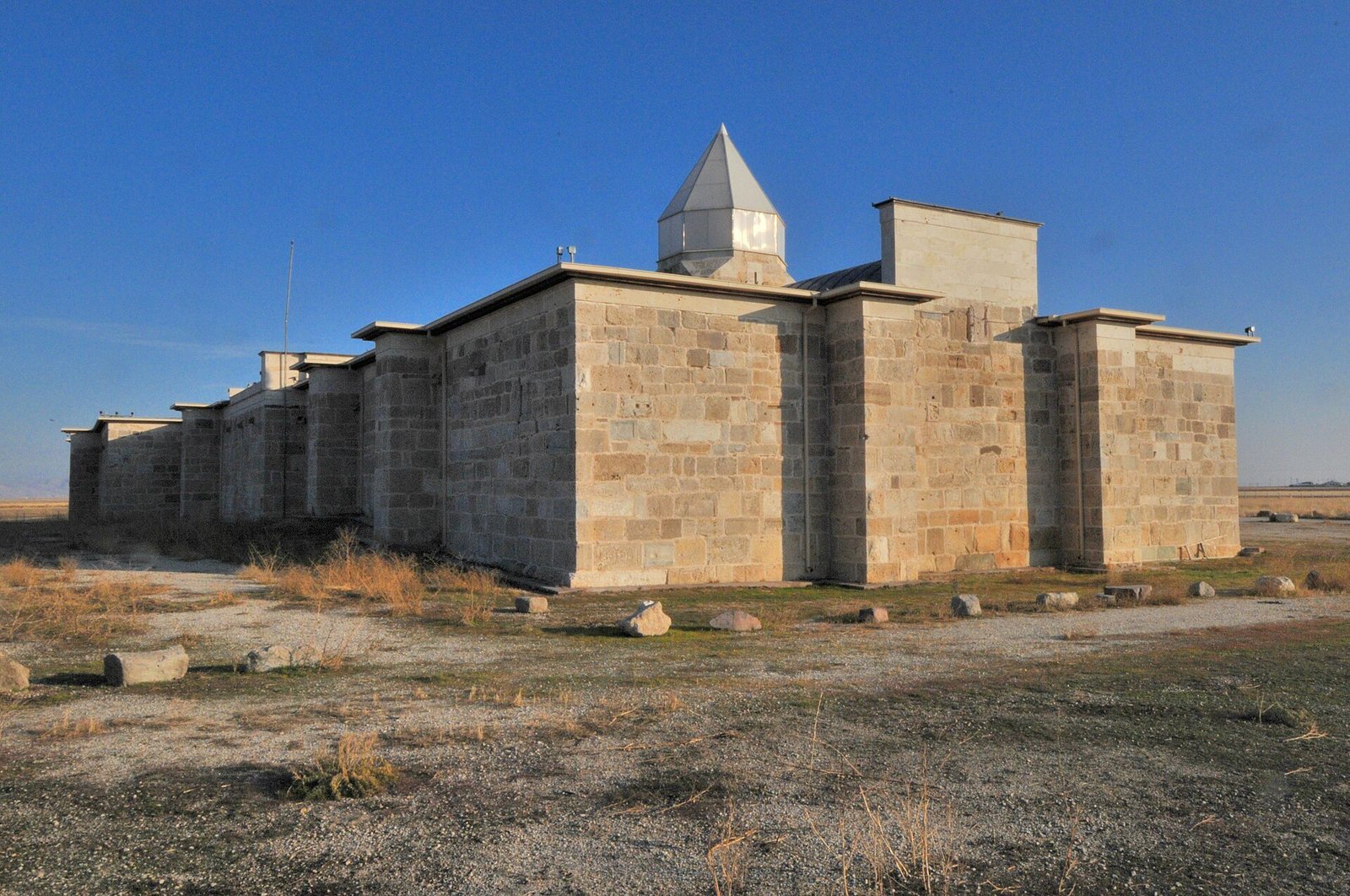
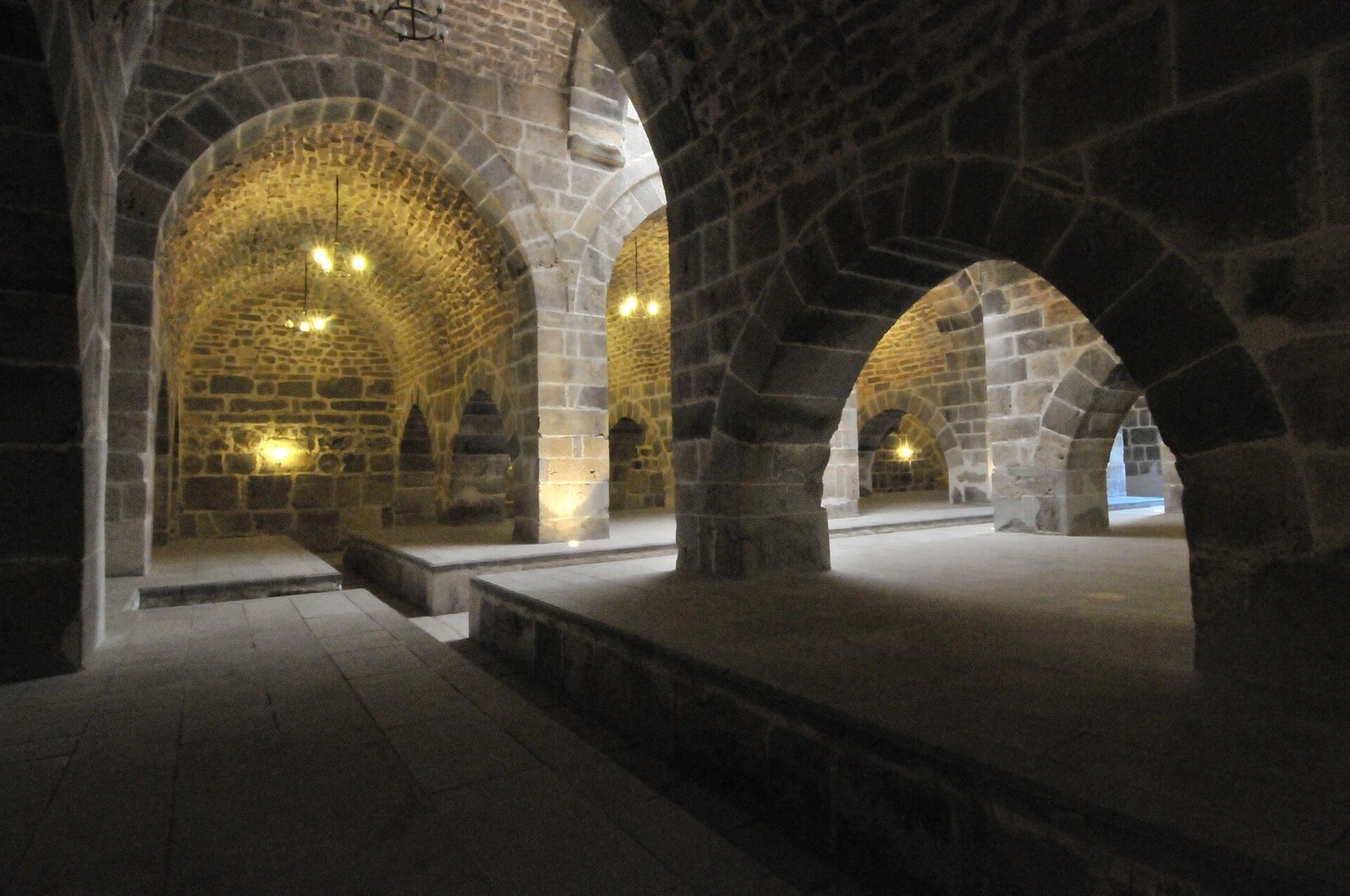
The rectangular complex, built of cut stone, covers approximately 3,900 square metres. Its layout combines an open summer section arranged around a central courtyard with an enclosed winter area. Rows of arches, known as arcades, surround the courtyard, while Seljuk stonework and ornament decorate the facades.
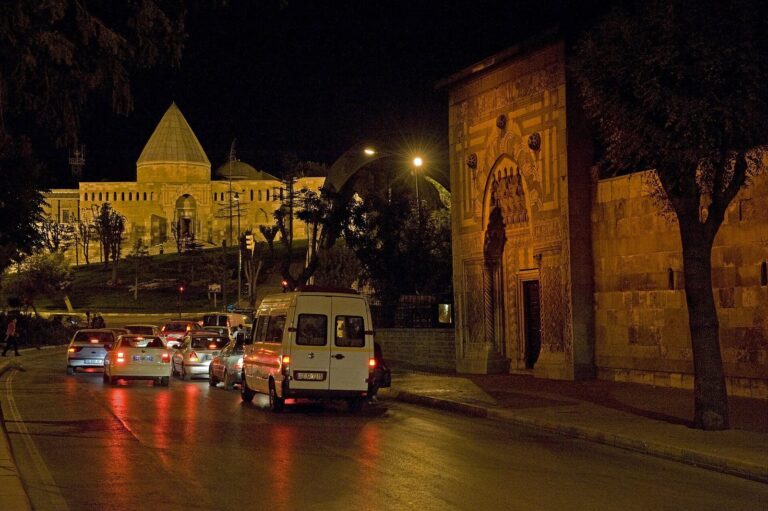
Entrance and enclosure
A monumental carved-stone entrance marks the main approach, with an inscription set above it. The outer enclosure has a fortress-like appearance, and its walls and corner towers have been cited as evidence that defense was also a consideration in the design.