Museum Correale: An Art Museum in Sorrento, Italy
Site at a Glance
- Popularity
- Medium
- Country
- Italy
- Primary era
- Early Modern
- Eras represented
- Early Modern
- Civilizations
- Kingdom of Naples
- Site type
- Domestic
- Remains
- Elite Residence
On this page16 sections
History
From family villa to museum
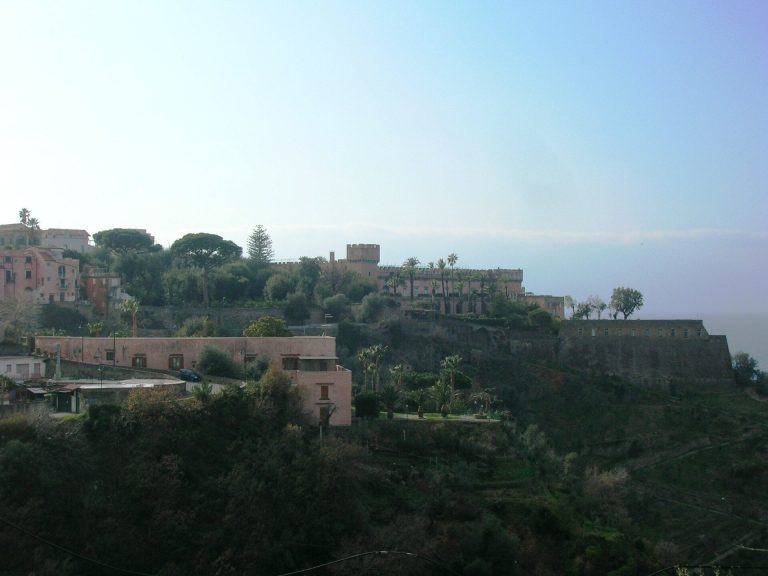
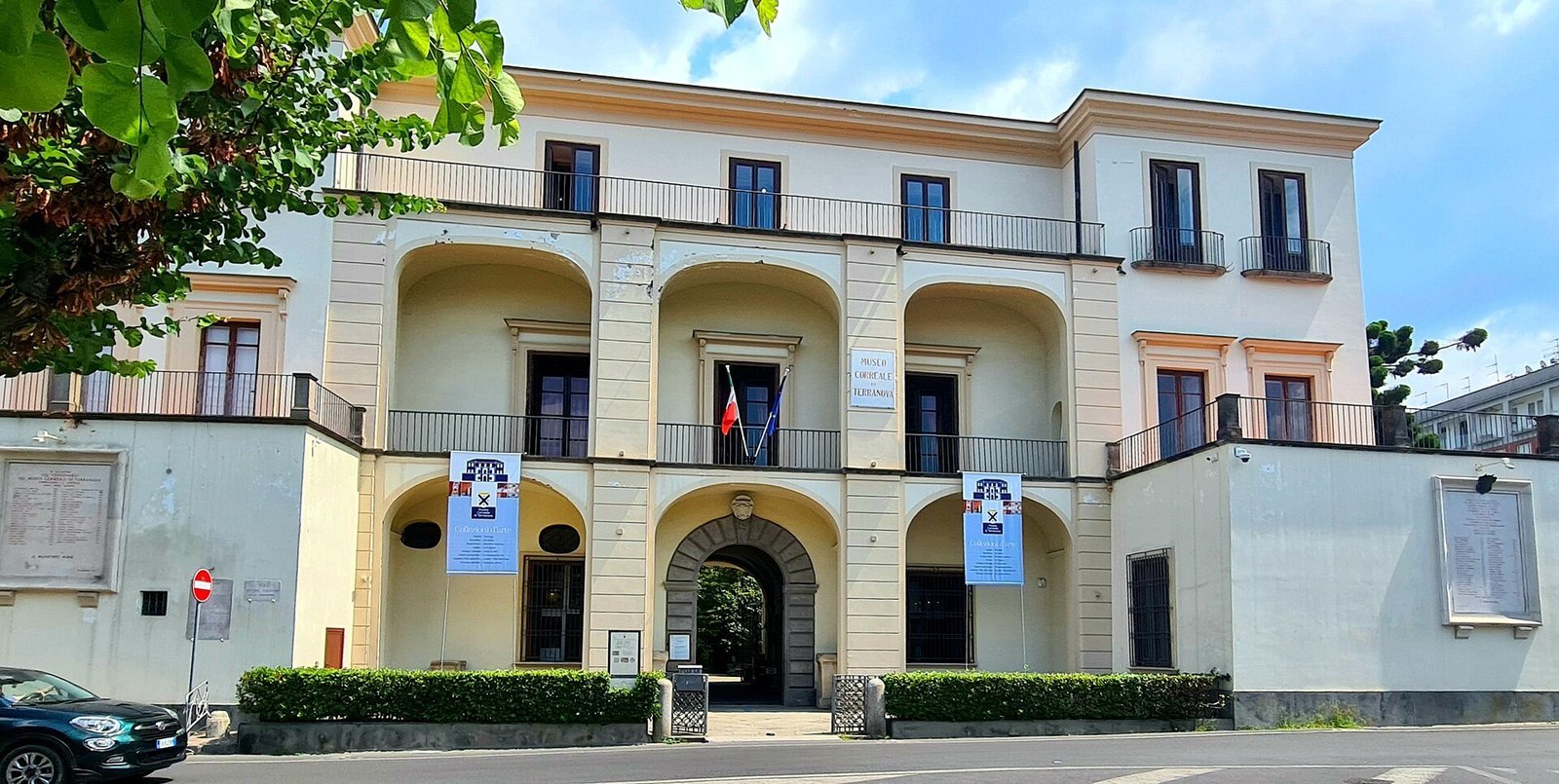
Museum Correale, formally the Museo Correale di Terranova, is an art museum in Sorrento, Italy, housed in an eighteenth-century villa that the counts of Terranova used as a summer residence. The brothers Pompeo and Alfredo Correale, the last members of their family line, intended their collected artworks to be preserved in a museum in the villa.
The Correale di Terranova foundation was established in 1902, and the museum was inaugurated in 1924. Its library was founded on 10 October 1918 and opened on 10 March 1924. Silvio Salvatore Gargiulo donated most of the objects in the rooms devoted to Sorrento’s history in 1937. The library’s initial gifts came from Gargiulo, Manfredi Fasulo, and Mariano Vervena. Later additions were donated by the municipality of Sorrento, the National Library Vittorio Emanuele III, the Circolo Sorrentino, the Servants of Mary, a Catholic religious order, and private donors.
After a prolonged closure caused by disputes, the museum opened to the public in 1989. The villa has Italian national-heritage status.
Remains
The museum occupies a rectangular eighteenth-century villa covering 3,200 square metres. Its 24 rooms are arranged across the ground floor and three upper floors, while the attic is used for temporary exhibitions. The façade combines two projecting side sections with a central section of two tiers of three arches, framed by pilasters marked with horizontal bands. A round-arched entrance has the Correale coat of arms on its keystone, the central stone at the top of the arch.
Interior features and grounds
Ceremonial staircase
An eighteenth-century ceremonial staircase leads to the upper floors. Its landings have balustrades made of piperno, a hard volcanic stone used in building.
Garden
The villa’s garden includes a citrus grove, a grove of Japanese camellias, and tropical plants such as Ceiba speciosa. Century-old trees include an araucaria. A plane-tree-lined avenue leads to a terrace overlooking the sea and the Gulf of Naples.
Ground-floor collections
Family and Sorrento history
The founders’ room contains portraits of Pompeo and Alfredo Correale and a nineteenth-century family tree. A chapel is also among the museum’s spaces. Rooms devoted to Sorrento’s history display chairs, Louis XV-style tables, historical paintings, and boxes and caskets, many from the nineteenth century. The furnishings also include wooden inlay and mosaic scenes of popular life. A writing desk made by Giuseppe Gargiulo in 1910 could also serve as a lectern, chessboard, and dressing table.
Archaeological and medieval finds
Archaeological rooms contain material from Sorrento and its coast, particularly from burial grounds. The finds include pottery from ancient Attica, the region around Athens, prehistoric bronze objects, and Greco-Roman marble works. One carved altar depicts commemorative episodes from the inauguration of the Temple of Vesta on the Palatine. Vesta was the Roman goddess associated with the hearth and the state’s sacred fire. The altar probably supported a statue of Augustus, the first Roman emperor.
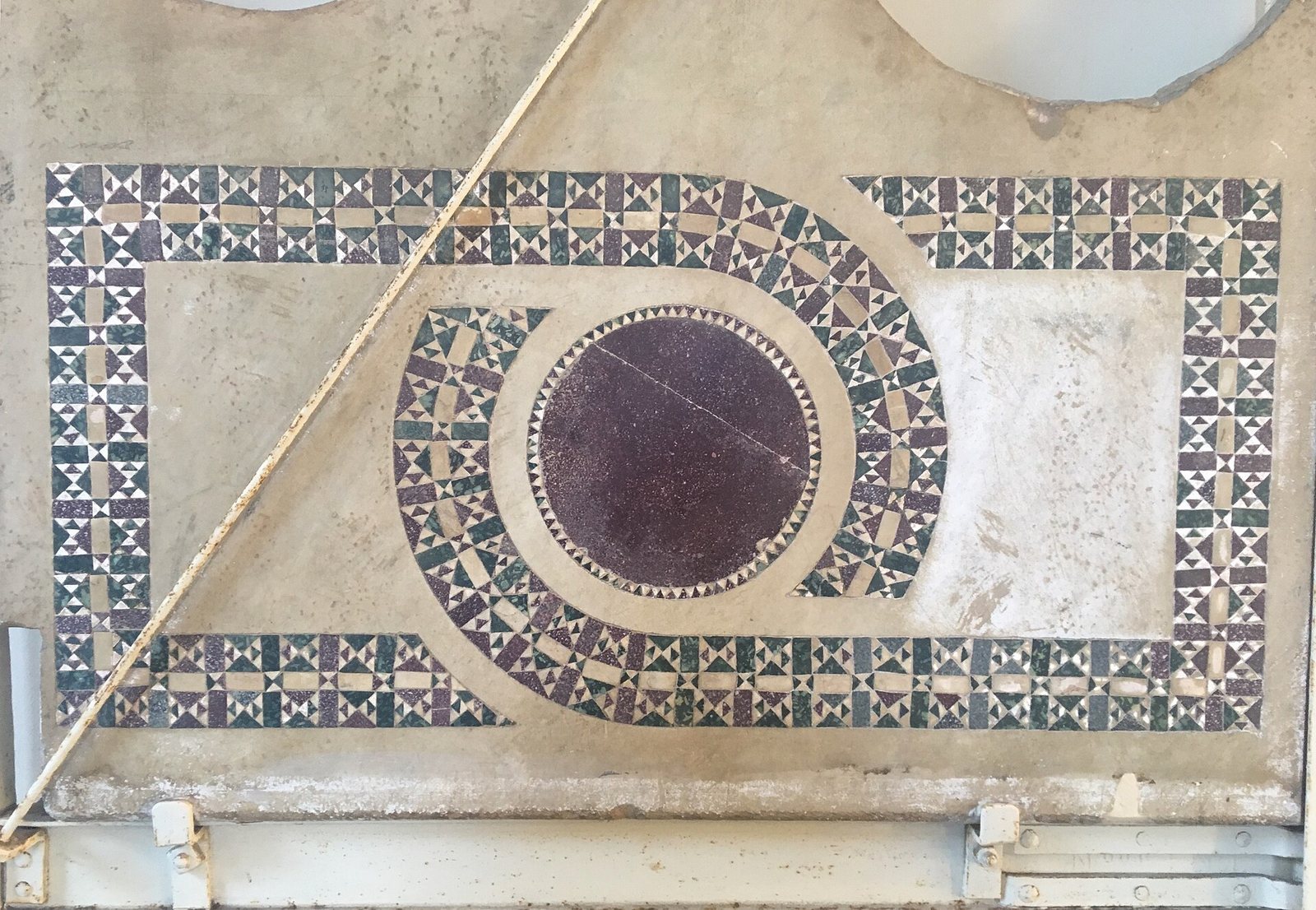
A separate room presents medieval material, especially finds from Sorrento’s former cathedral. These include columns, stone screens, and fragments of an ambo, a raised church stand used for reading or preaching.
Library
The ground-floor library holds about 6,000 books and pamphlets and 400 manuscripts dating from the seventeenth century onward. Its subjects include Italian and foreign literature, botany, Sorrento history, medicine, and Campanian archaeology. The collection includes multiple editions of works by Torquato Tasso, a sixteenth-century Italian poet, as well as his death mask. Some books contain plates and engravings.
First-floor displays
Italian paintings
The first-floor gallery includes paintings from the sixteenth and seventeenth centuries associated with Mannerism, a style that followed the High Renaissance and often used expressive, elaborate forms. Artists represented include Andrea Vaccaro, Micco Spadaro, Paolo De Matteis, Giacomo del Pò, Giuseppe Bonito, Salvator Rosa, Belisario Corenzio, Artemisia Gentileschi, Giuseppe Pascaletti, and Francesco De Mura. The floor also has works by Battistello Caracciolo, Giovanni Lanfranco, Rossi, C. Amalfi, and J. Vari Kassel.
Flemish painting and furnishings
Another room is devoted to Flemish painters, including Peter Paul Rubens, Abel Grimmer, Frans Vervloet, and Michiel Sweerts. Other rooms display seventeenth- and eighteenth-century Oriental porcelain, a broad historical label for porcelain from East Asian traditions, alongside furnishings of the same period.
Second- and third-floor collections
Second-floor paintings and decorative arts
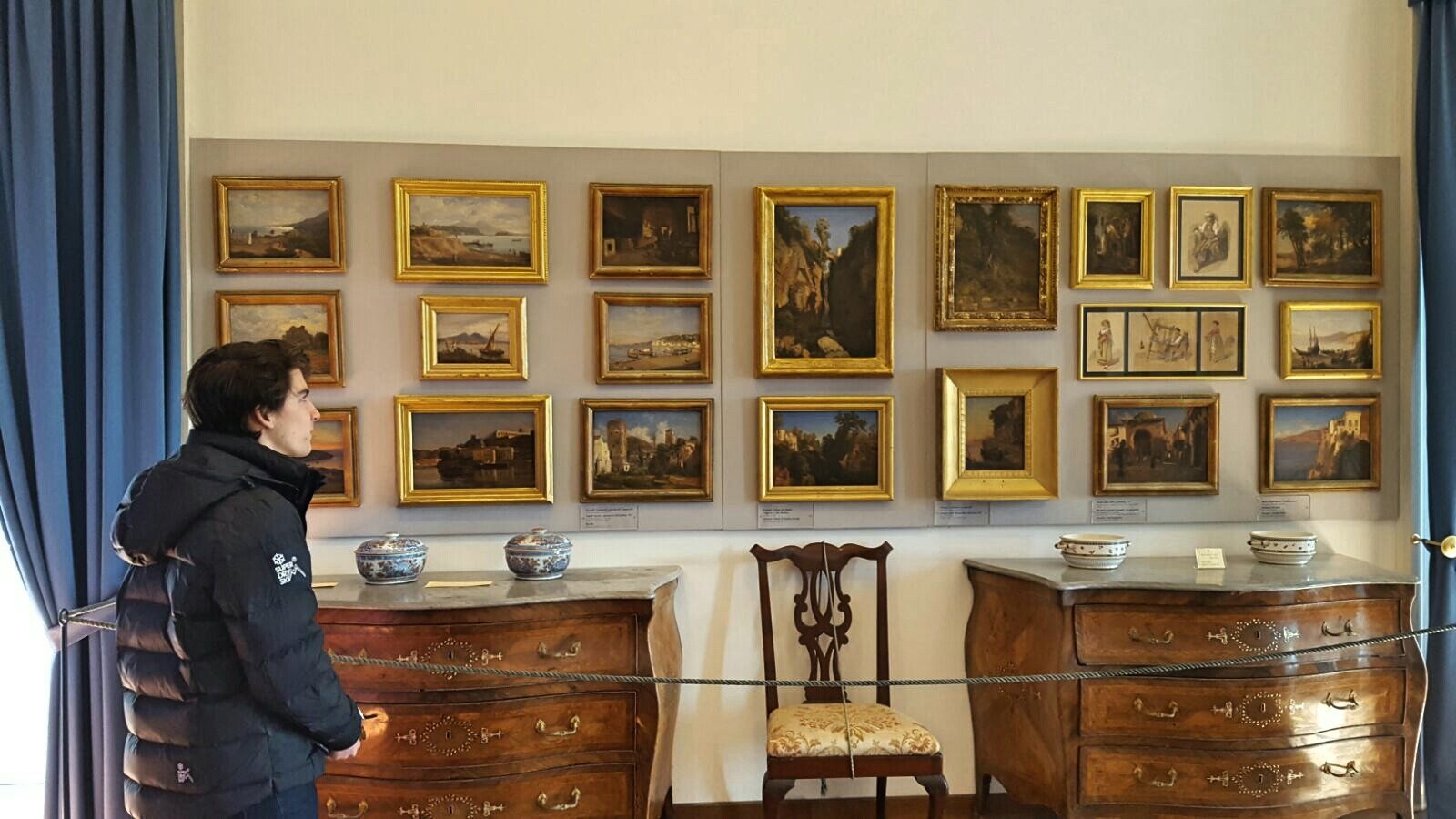
The first four rooms on the second floor contain seventeenth- to nineteenth-century still-life paintings by Giovan Battista Ruoppolo, Tommaso Realfonso, Aniello Ascione, Giovanni Battista Casissa, and Gaetano Cusati. Other rooms are devoted to the painter Andrea Belvedere, landscapes by Gaspard Dughet and Frans Vervloet, and the School of Posillipo, a nineteenth-century Neapolitan landscape-painting movement. A further room displays eighteenth-century Italian and foreign clocks, Murano and Bohemian glass, and silverware.
Third-floor ceramics
The third floor contains Italian and foreign majolica, tin-glazed earthenware, from the seventeenth and eighteenth centuries. Its works include pieces from Milan, Savona, Castelli, Sicily, Calabria, and Rouen. Castelli ceramics include paintings by Bernardino Gentili the Younger. The floor also displays eighteenth-century porcelain from Meissen, Sèvres, Bow, Vienna, Doccia, Capodimonte, Ludwigsburg, Nymphenburg, Zurich, Chelsea, Saint Petersburg, and Venice.