Esterka’s House: A Historic Building in Opoczno, Poland
Site at a Glance
- Popularity
- Medium
- Country
- Poland
- Primary era
- Modern
- Eras represented
- Early Modern, Modern
- Civilizations
- Russian
- Site type
- Civic
On this page4 sections
History
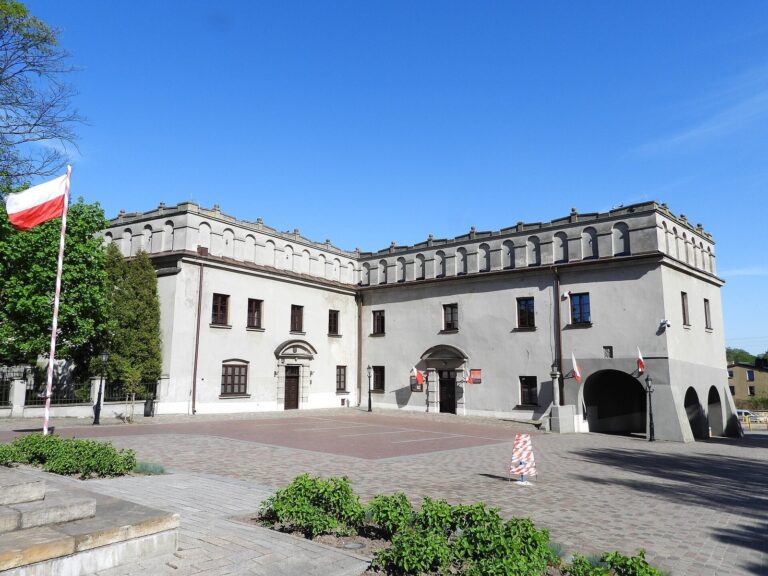
Esterka’s House is a historic masonry building in Opoczno, Poland, probably built in the 16th century. Its origins are linked by legend to Casimir the Great, also known as Casimir III, who ruled Poland from 1333 to 1370. The story says he had the house built for Esterka, a figure in Polish legend whose historical identity is uncertain, and that a secret passage connected it to Opoczno Castle.
Nineteenth-century changes
By the mid-19th century, the building had been given to the Council for the Care of Charitable Institutions in Opoczno County. It later served as a shop and a venue for civic meetings. During the January Uprising, an 1863–1864 insurrection against Russian rule in the Kingdom of Poland, its cellars were used to imprison participants.
The damaged house underwent extensive remodeling in 1893 and was restored again in 1927. During the interwar years, it accommodated a Military Command and departments of the Opoczno County Office. In the Second World War, it housed offices of the Społem Consumers’ Cooperative.
Public uses
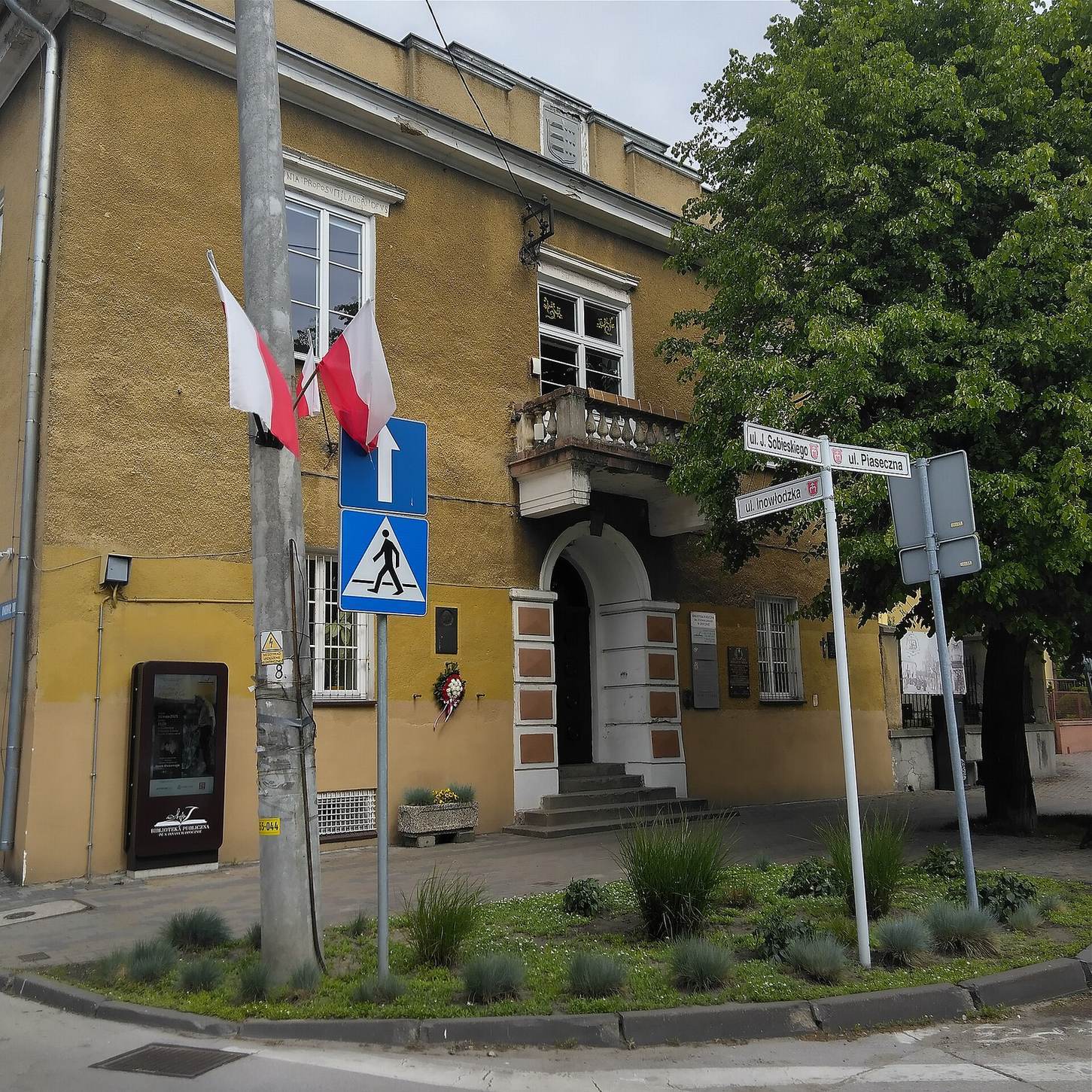
In 1975, the building became a municipal-and-communal public library. It now houses the Stefan Janas Public Library in Opoczno, as well as the Opoczno County branch of the Society of Friends of Children and a branch of the Polish Teachers’ Union.
Remains
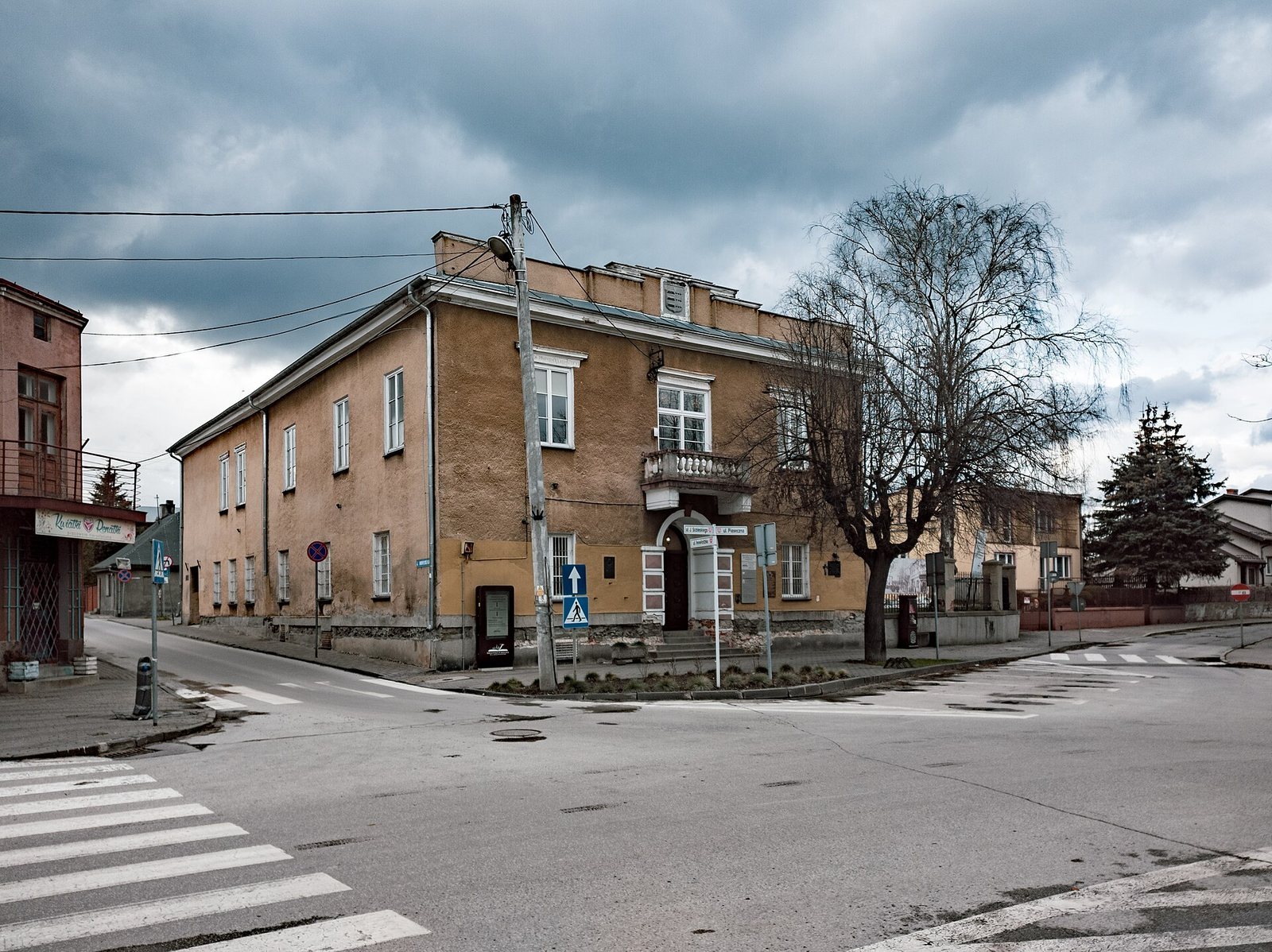
The two-storey masonry building has its gable end facing T. Kościuszko Square. Its present appearance reflects the extensive 1893 remodeling, while parts of the earlier house survive in the cellars and two ground-floor rooms. Early 20th-century postcards also preserve images of the building.
The surviving older rooms have barrel-vaulted ceilings, curved masonry structures forming the ceilings, and Latin inscriptions that date to the 16th century. A plaque commemorating Wincenty Witos, a Polish political leader who served as prime minister, is fixed to the building’s wall. It was installed in 2019.