St Anne’s Hill Calvary: A Franciscan Pilgrimage Complex in Poland
Site at a Glance
- Popularity
- Medium
- Country
- Poland
- Primary era
- Early Modern
- Eras represented
- Medieval, Early Modern, Modern
- Civilizations
- German, Habsburg, Holy Roman Empire, Kingdom of Bohemia, Kingdom of Prussia
- Site type
- Religious
- Remains
- Sanctuary
On this page10 sections
History
St Anne’s Hill Calvary is a Catholic devotional complex in the village of St Anne’s Hill, Opole Voivodeship, Poland, with chapels and routes devoted to Christ’s Passion and the Virgin Mary. Georg Adam Franz von Gaschin founded it in 1700 to fulfill a request in the will of Melchior Ferdinand von Gaschin, who had established a Franciscan monastery there in 1656. Franciscans are members of a Catholic religious order.
Foundation and first use
Work began on 27 May 1700 under the direction of Domenico Signo, an Italian architect based in Opole. His design included 30 small chapels and three larger ones, modeled on Kalwaria Zebrzydowska, a Polish pilgrimage complex associated with Passion devotion. The first phase of construction ended on 24 July 1709.
The chapels initially stood unused because the resident Franciscans were unwilling to assume responsibility for the complex and its maintenance. Anton von Gaschin paid for their renovation from 1756 to 1764. That year the Franciscans took charge, consecrated the chapels, and held the first devotional service on 14 September. The calvary then became a pilgrimage destination. Pope Clement XIII granted visiting pilgrims an indulgence, understood in Catholic teaching as remission of temporal punishment for sins whose guilt has been forgiven.
Expansion and changing authority
Additional chapels were built from 1781 to 1789 and during the nineteenth century, with construction continuing into the twentieth. On 19 August 1784, Frederick William II, then crown prince of Prussia, visited the sanctuary.
A Prussian secularization decree in 1810 transferred the monastery’s property to secular authorities. In 1832, the monastery estates, including the calvary, passed to the bishops of Wrocław. The Franciscans returned to their convent on 13 August 1859. During the Kulturkampf, a period of conflict between the Prussian state and the Catholic Church, they were forced to leave again in July 1875. They returned in 1887, after the authorities in Berlin had become less hostile to the Church.
Twentieth century and continuing stewardship
Construction of the Pilgrim House began in 1929, and Nazi Germany’s authorities took it over in 1938. During the Second World War the friars again had to leave the monastery and calvary. They returned in 1945, after the front had passed.
In 1980, the Church of St Anne, dated to 1490, received the honorary title of minor basilica. Pope John Paul II visited the calvary in June 1983, when a service was held with pilgrims in fields within the route and vespers were celebrated.
A foundation for the Sanctuary of St Anne’s Hill was established in 1997 and funded the renovation of 27 chapels between 1997 and 2009. The calvary forms part of the historic Franciscan monastery complex, affiliated with the Franciscan Province of St Hedwig in Wrocław. The complex is protected as a monument and has held Poland’s Monument of History designation since 2004.
Remains
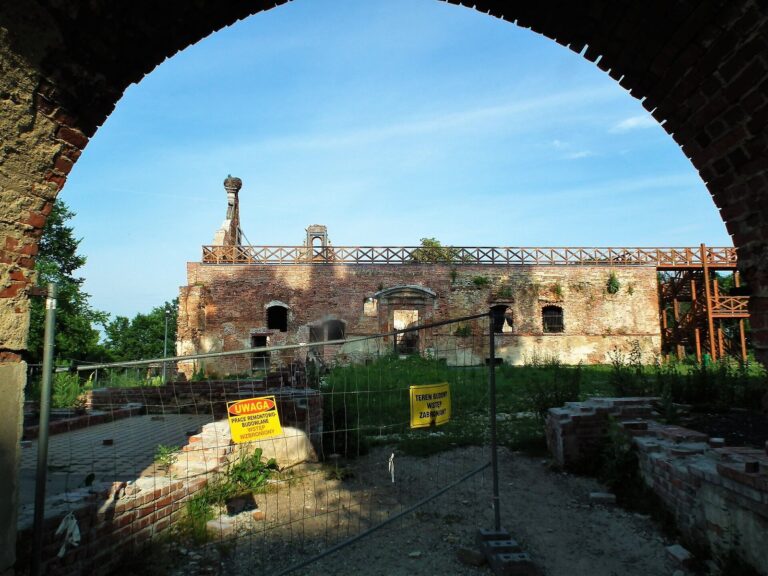
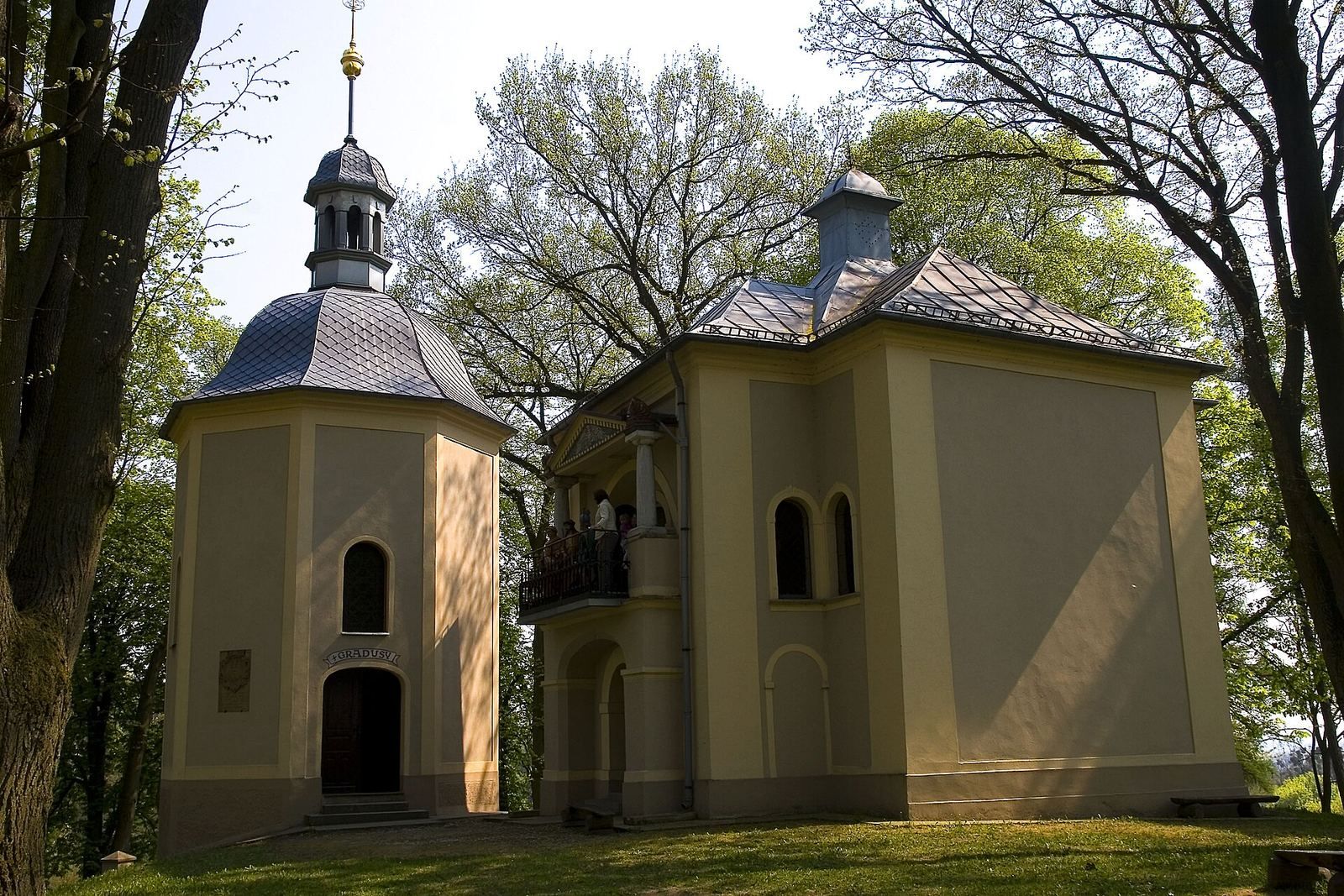
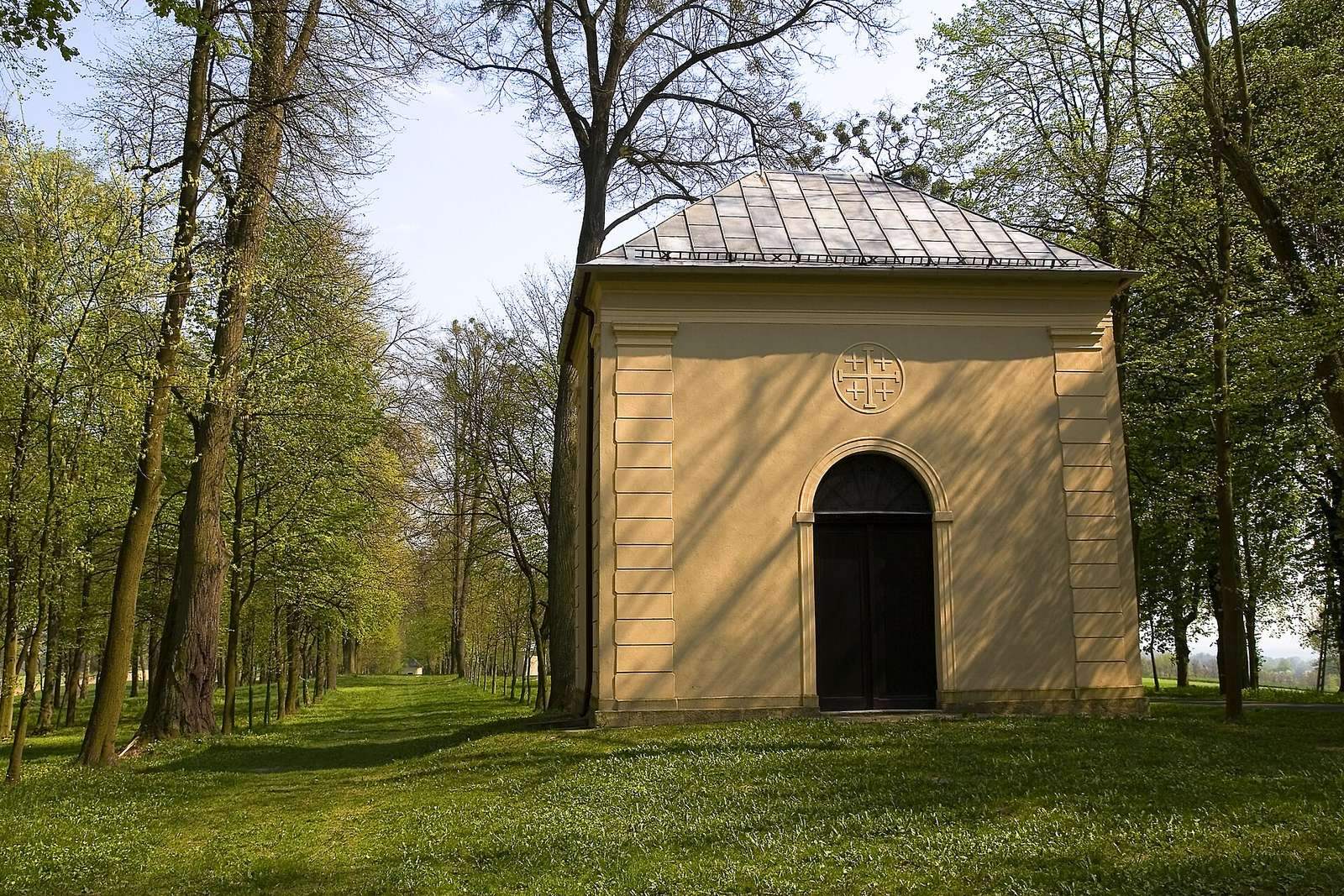
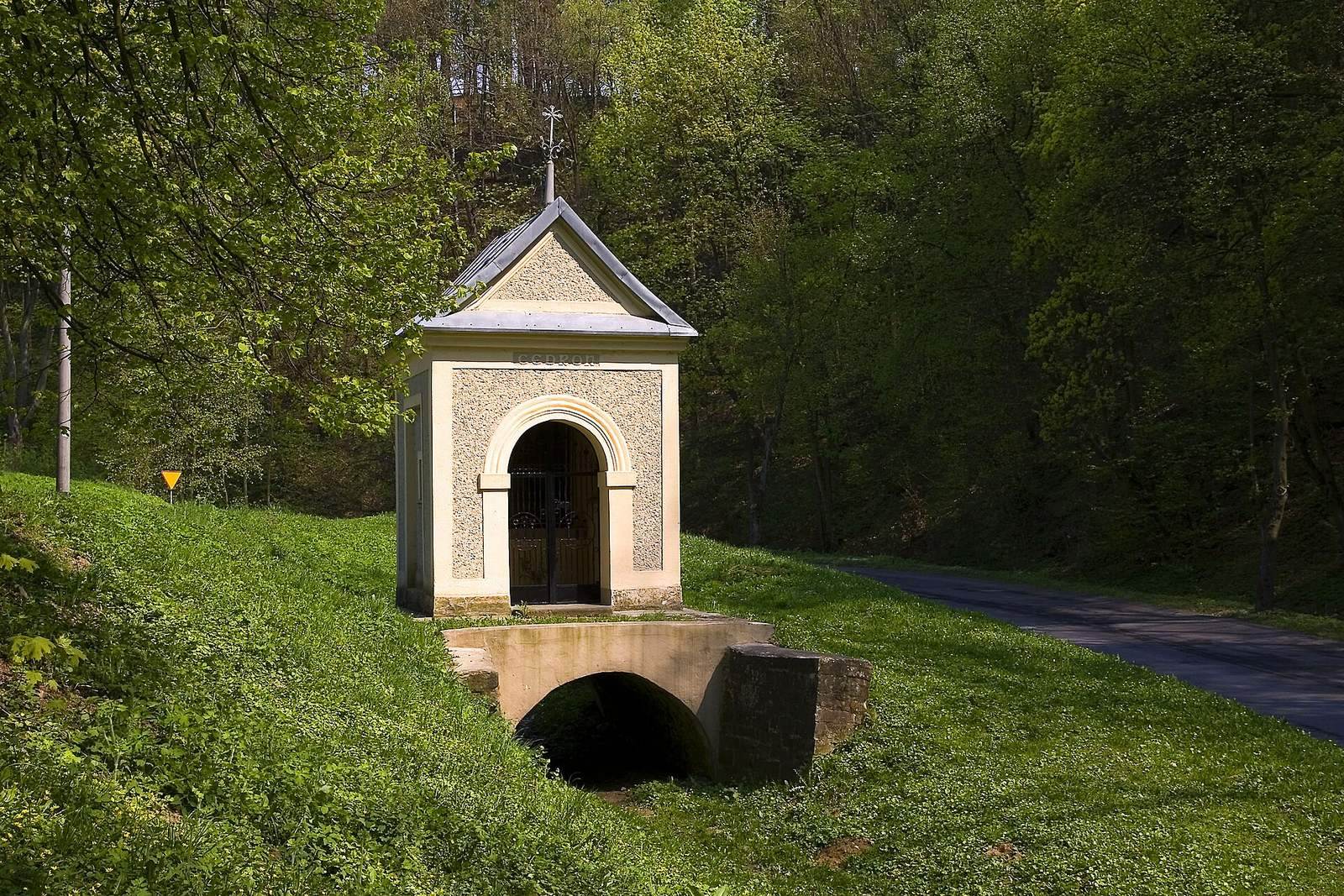
The calvary extends between St Annaberg and Poremba and now comprises 41 buildings. These include 26 chapels associated with the Passion route and Marian paths, six eighteenth-century Marian chapels, and the Chapel of St Joseph.
Principal religious buildings
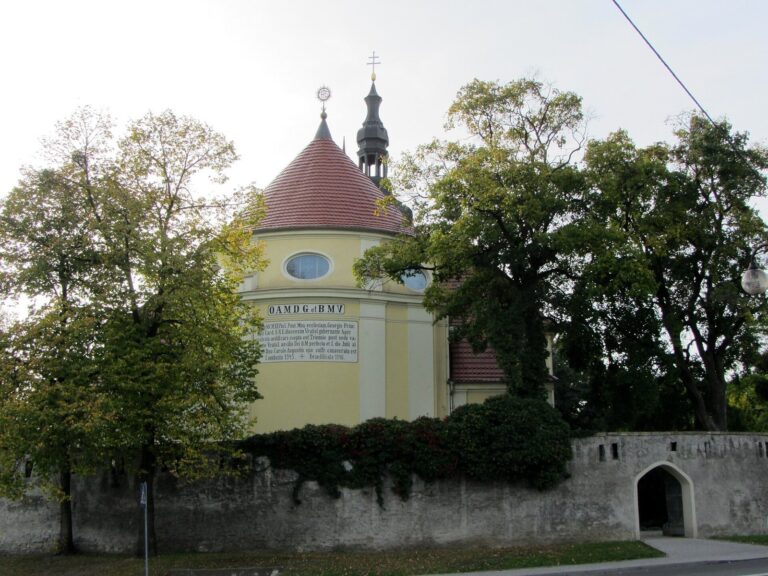
The wider complex includes the Basilica of St Anne with the Virgin and Child, the Church of the Assumption of Mary, and the Church of the Holy Cross. Other features include a Papal Altar, a hermitage, a Pilgrim House, and a monument to John Paul II. Paradise Square was established in 1889. The Lourdes Grotto, a devotional feature associated with the Marian apparitions at Lourdes, was built from 1912 to 1914.
Devotional chapels and routes
Marian chapels
Marian features include the Chapel of St Raphael and the Chapel of the Coronation of Mary, built in 1910 as the last chapel added to the complex. Other named chapels commemorate the Reception of Mary into Heaven and the Farewell to Mary. The Chapel of the Queen of Patriarchs and the Chapel of the Queen of Angels reflect devotional titles for Mary, as do the Chapel of the Mother of Mercy and the Chapel of the Heart of Mary. The complex also includes the Chapel of the Little House of the Blessed Virgin Mary.
Passion route
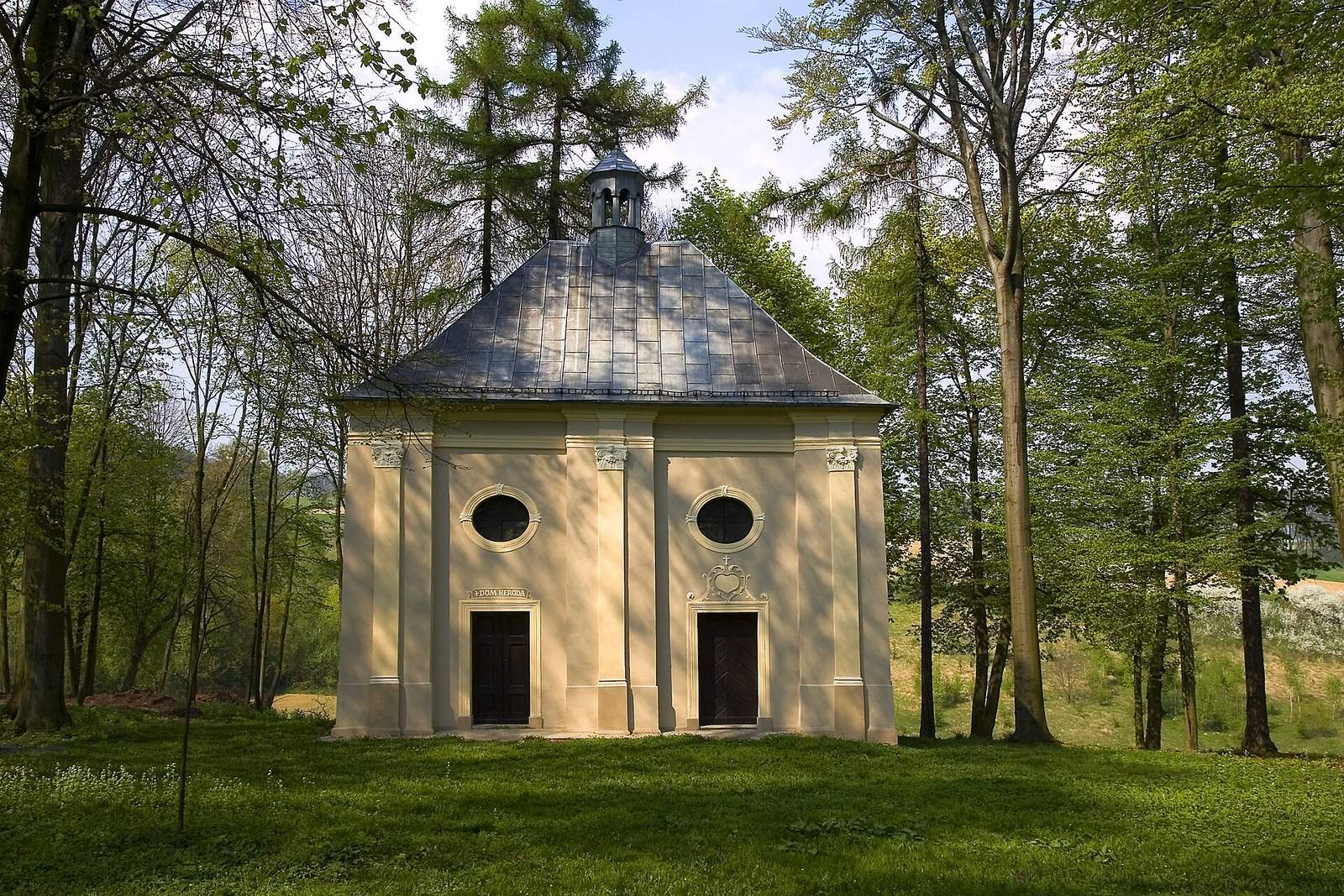
The Passion-related chapels and features include Gethsemane, the Arrest and Judas’s Betrayal, the Second, Third, and Sixth Burial Stations, and chapels dedicated to Annas’s Palace, Caiaphas’s Palace and Prison, and Herod’s Palace. The Chapel of the Cenacle recalls the upper room traditionally associated with the Last Supper. The Chapel of the Holy Stairs refers to a devotional staircase linked with Jesus’s trial before Pilate; other features include Pilate’s Praetorium, or judgment hall, and a feature associated with Pilate’s wife.
The route also includes the Chapel of the Imposition of the Cross; the chapels of the First, Second, and Third Falls; and features devoted to Simon of Cyrene, St Veronica, the Weeping Women, the Stripping of Jesus, Anointing, and the Tomb of Jesus. The Chapel of the Second Fall is also known as the Eastern Gate. Chapels of St Mary Magdalene and St Helena complete the named Passion-route features.
Inscriptions
The calvary originally carried inscriptions in both German and Polish. The German inscriptions were destroyed after 1945.