Porkhov Hillfort: Novgorod’s Medieval Frontier Fortress in Russia
Site at a Glance
- Popularity
- Medium
- Country
- Russia
- Primary era
- Medieval
- Eras represented
- Medieval
- Civilizations
- Novgorod Republic
- Site type
- Military
- Remains
- Fort
On this page10 sections
History
Porkhov Hillfort is a timber-and-earth fortified settlement on the Shelon River at Porkhov, Russia, established in 1239 by Prince Alexander Yaroslavich Nevsky and Novgorodians to defend the Novgorod frontier.
Earlier settlement and local traditions
The Shelon valley belonged to the Novgorod lands, but it was sparsely settled before the early thirteenth century. The area lay near the boundary between the Ilmen Slavs and the Pskov Krivichs, two East Slavic communities.
A tradition places a settlement near the later fort in the eleventh century. It links the settlement’s beginnings to two wealthy Novgorodians, Vasily and Feofan, who supposedly fled with their households after falling out of favor. People from the settlement later helped build the fort. Another legend says the builders carried earth for the ramparts in sacks.
Novgorod’s frontier defenses
Porkhov formed one link in a chain of outposts intended to block a route into the Novgorod lands, which were centered on the major city of Novgorod the Great. Lithuanian forces periodically raided the frontier, but raids in the area temporarily ceased after the outposts were built. The defense of the border accompanied the development of roads, river crossings, settlements, churches, and monasteries.
Algirdas’s invasion in 1346
In 1346, a Lithuanian army led by Prince Algirdas, the grand duke of Lithuania, ravaged the Shelon valley and besieged the forts at Porkhov and Opoki. Porkhov was not captured, but 300 rubles were paid as compensation. The danger of further raids persisted even as Pskov and Novgorod traded along the Shelon and Uza waterways.
Replacement by a stone fortress
By the 1380s, improvements had not made the timber-and-earth fort adequate to defend the frontier. In 1387, Archbishop Alexei, a senior Orthodox church leader in medieval Novgorod, blessed the construction of a stone fortress on an island 1,300 metres downstream. The old fort then fell out of use, while a large settlement developed between the two fortifications.
Occupation and protection
Porkhov was occupied during the Second World War. More than 5,000 Soviet citizens were executed in a field beside the hillfort, and German forces destroyed about 90 percent of the city’s buildings as they retreated. The hillfort came under state protection in 1960 and is now protected as an archaeological monument of federal significance in Russia.
Remains
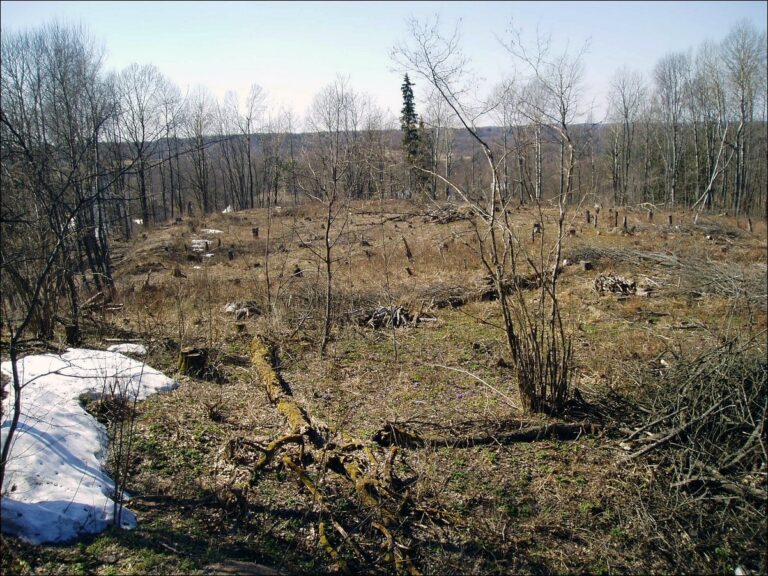
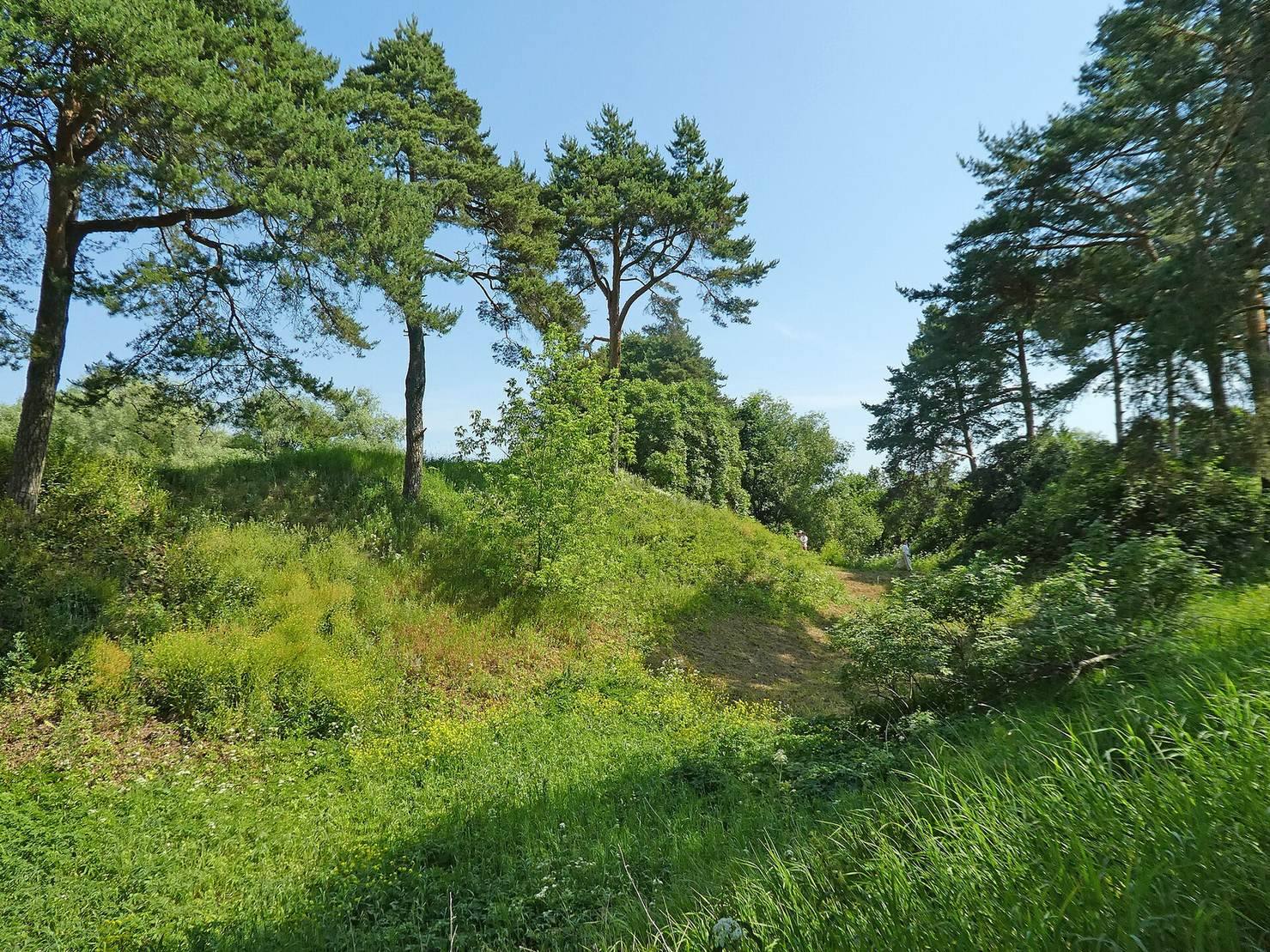
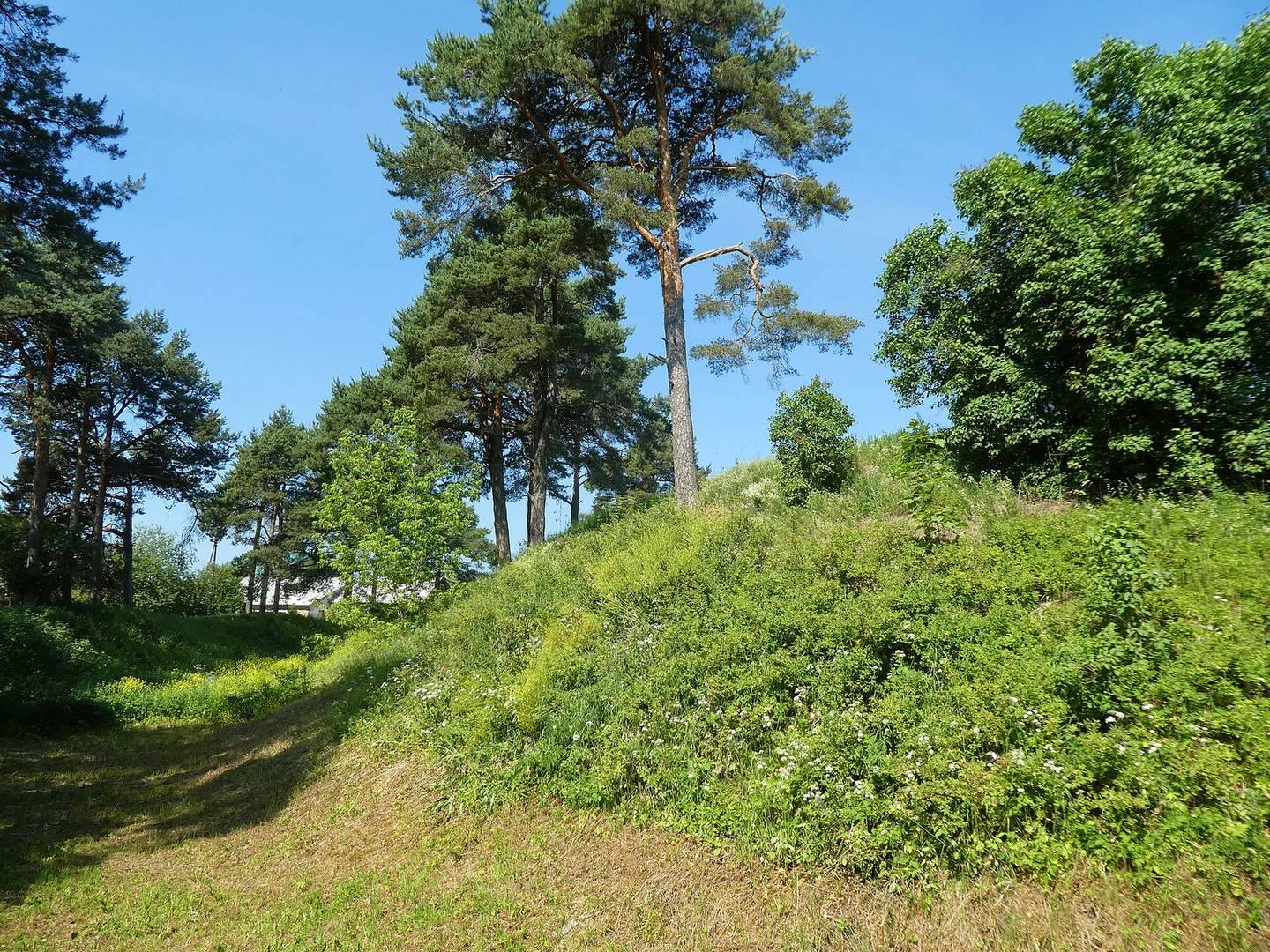
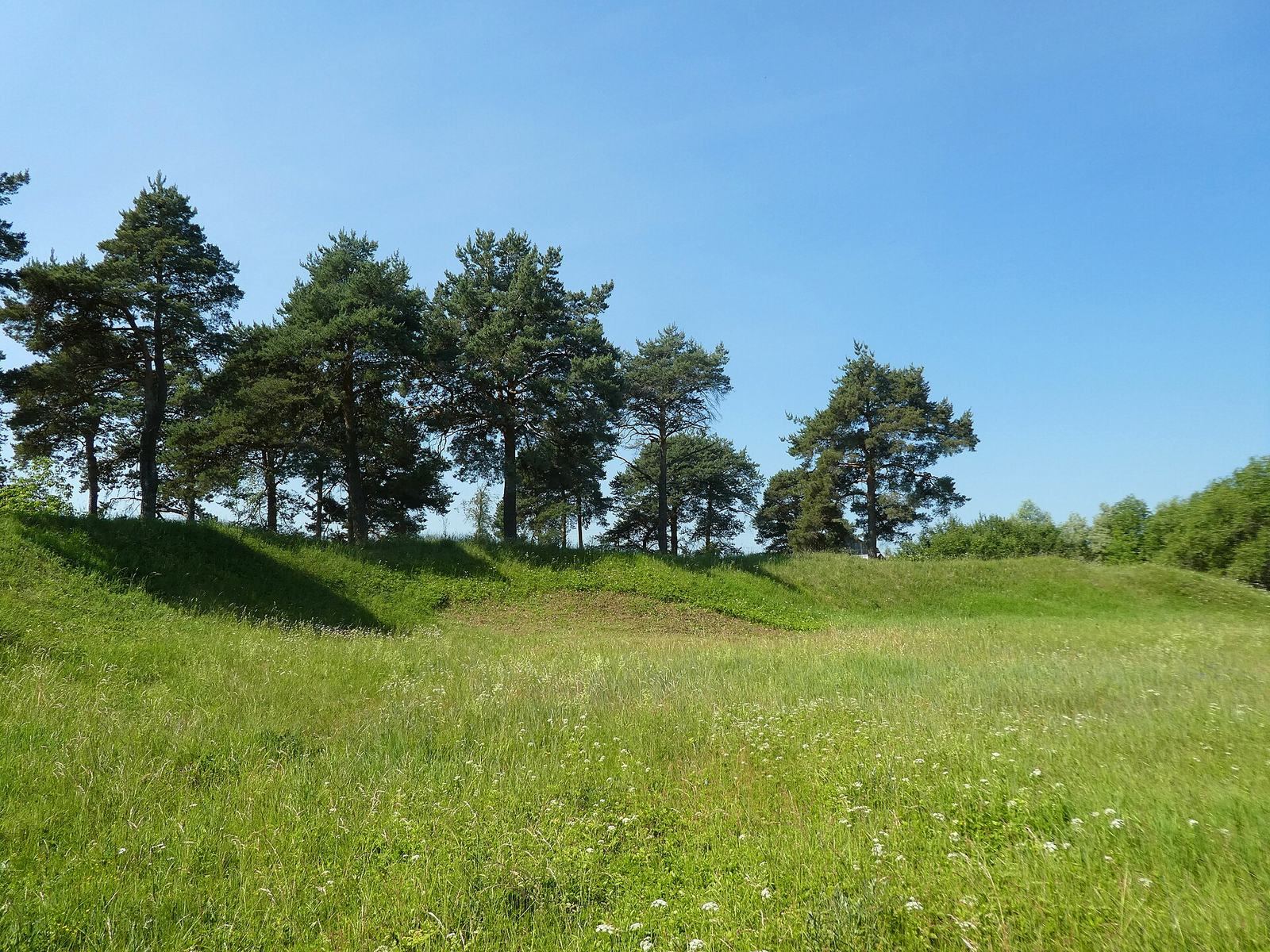
The fort occupied a cape on the Shelon’s right bank, at its confluence with the Dubenka, on the southern edge of Porkhov. Its area did not exceed 0.9 hectares. Two rows of ramparts and two rows of ditches on the landward side formed its defenses, following a pattern associated with fortifications in the southern medieval East Slavic lands.
Ramparts and timber defenses
The main rampart initially stood 1.4 to 2 metres high and supported a wall made from logs. It was raised twice, reaching a final height of about 4.3 metres; the last addition also made it steeper. A stone support, 0.7 metres high and 3.5 metres wide, reinforced the rampart’s upper part beneath the timber walls. This arrangement was unusual among medieval East Slavic earthwork fortifications.
Excavated building phases
Excavations in 1974 identified three successive building phases. The first dates from 1239 to 1300, the second to around 1300, and the third from 1300 to 1387. The hillfort remained in good condition through the Second World War.
Memorial marker
A granite boulder at the entrance bears a memorial plaque commemorating the old fortress and noting the site’s state protection.