Church of the Nativity of the Virgin Mary in Ocice: A Roman Catholic Parish Church
Site at a Glance
- Popularity
- Very Low
- Country
- Poland
- Primary era
- Medieval
- Eras represented
- Medieval, Early Modern
- Civilizations
- Habsburg, Holy Roman Empire, Kingdom of Bohemia, Kingdom of Prussia
- Site type
- Religious
- Remains
- Church
On this page8 sections
History
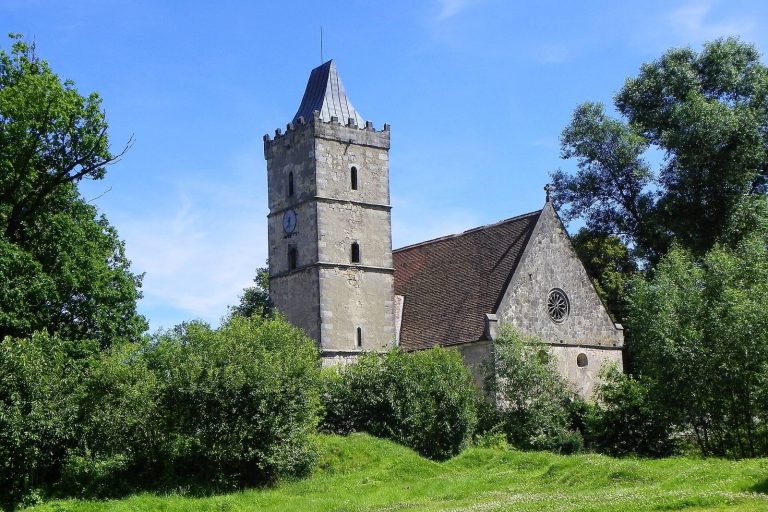
The Church of the Nativity of the Virgin Mary in Ocice, named for the Christian feast commemorating the birth of Mary, mother of Jesus, is a Roman Catholic parish church in Poland. A church in Ocice was recorded in 1296, while the present building dates to the fifteenth century.
Later alterations
The church was remodeled in the second half of the sixteenth century and extended in the eighteenth century. The Maltzahn family, a noble family, had owned the village since 1673.
Parish life
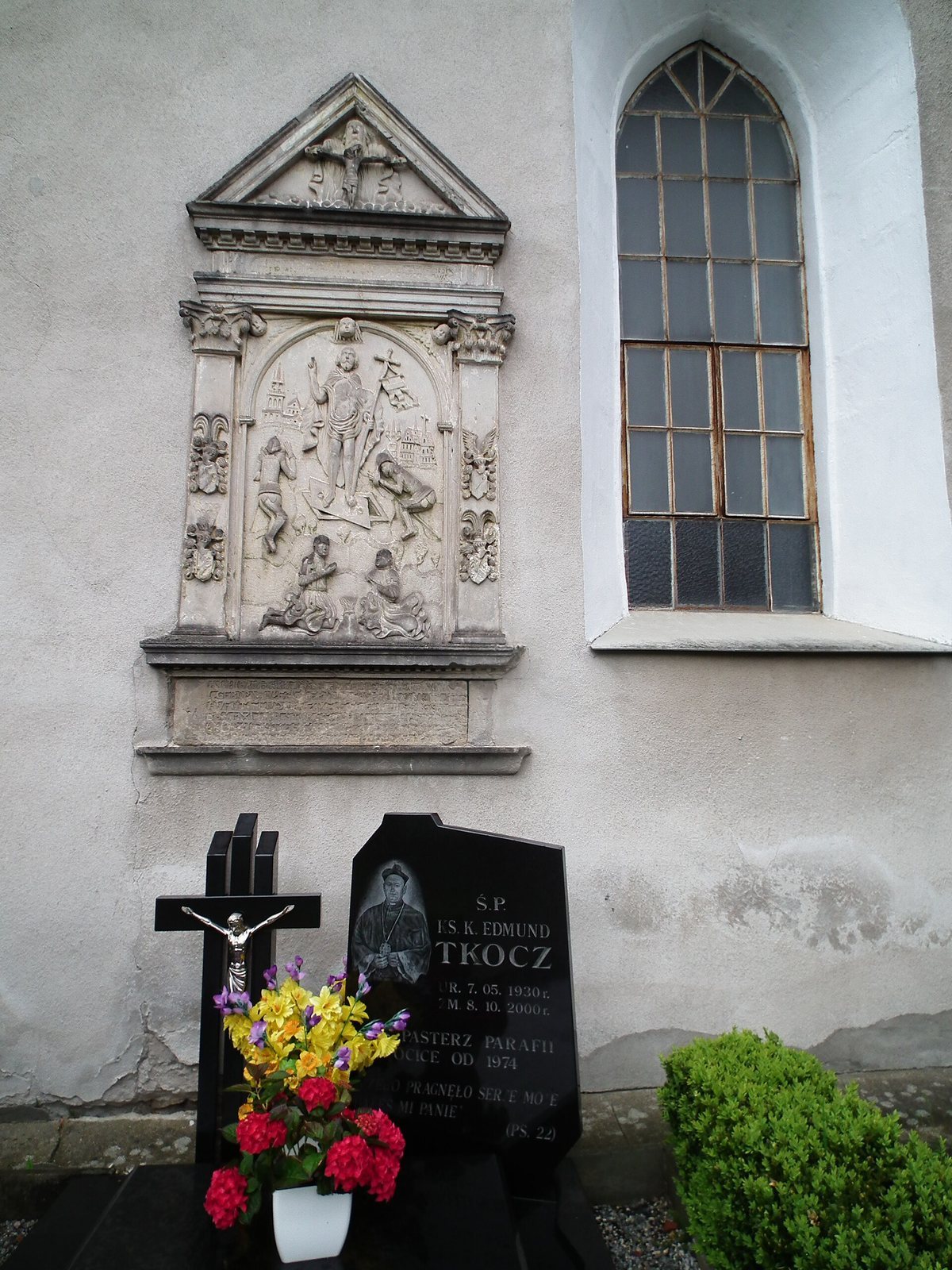
A parish was established at the church in 1957 by decision of Bolesław Kominek, a Polish Roman Catholic prelate who became archbishop of Wrocław. The church serves as a Roman Catholic parish church. Edmund Tkocz was the village’s parish priest for sixteen years.
Remains
Church building
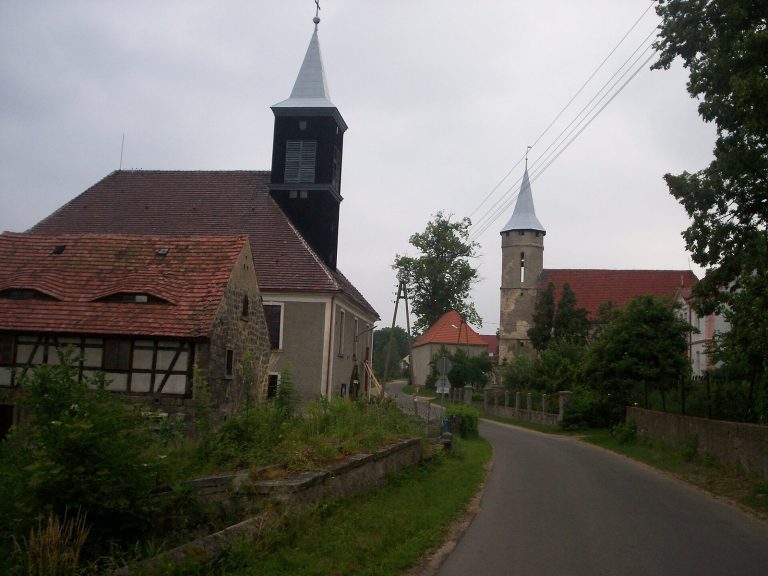
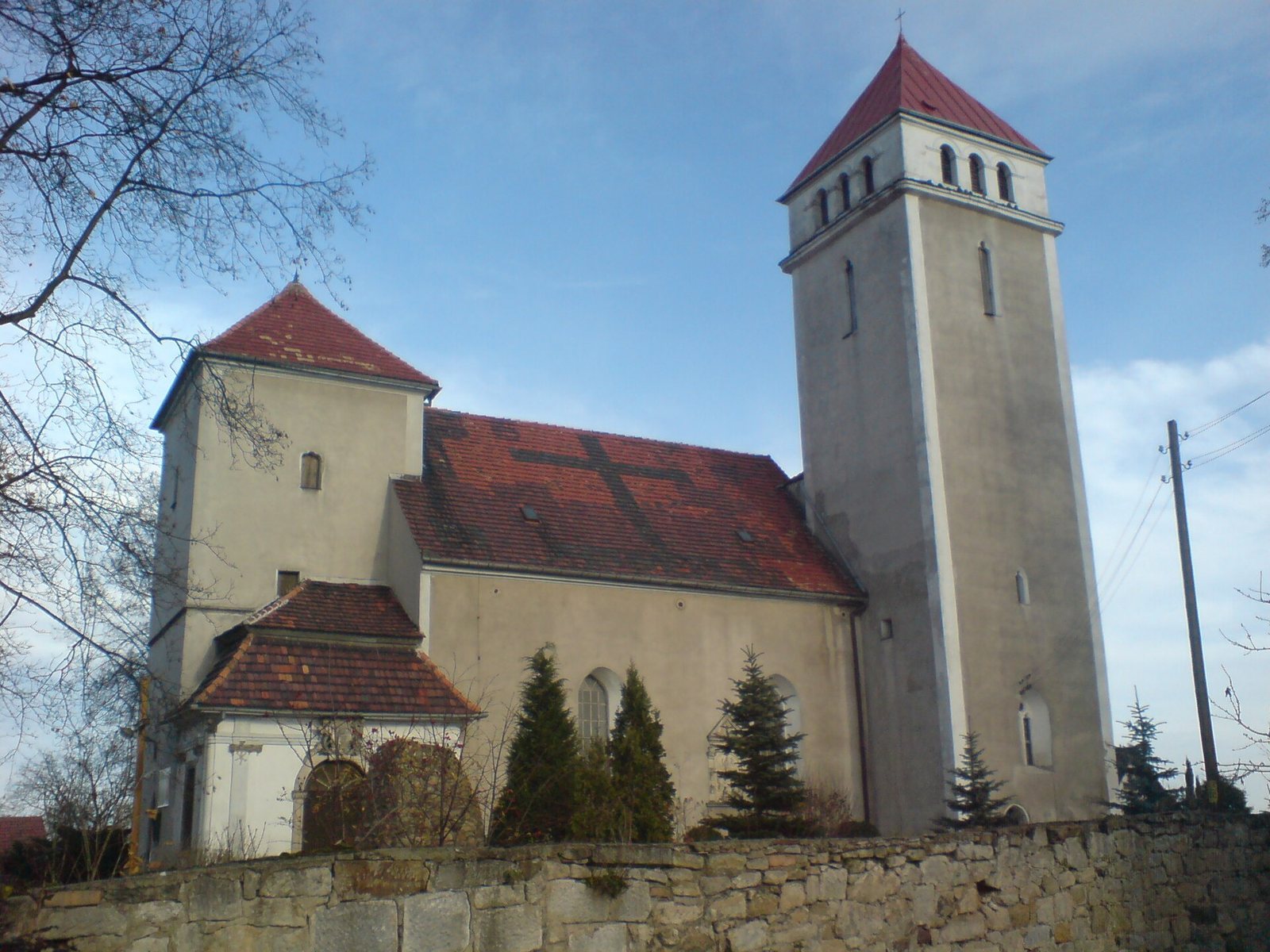
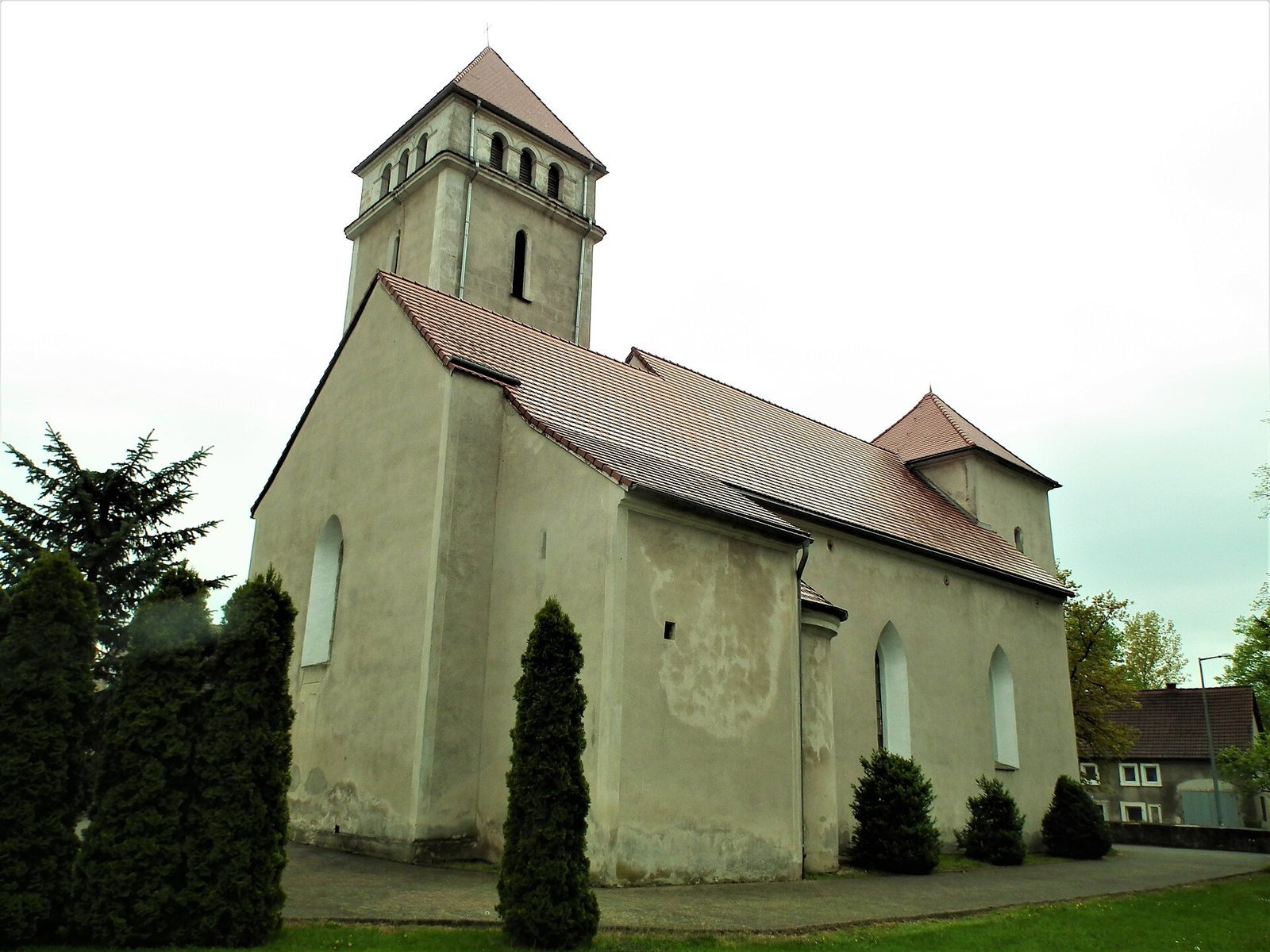
The brick church has an east-oriented rectangular plan and a gabled roof, with strongly articulated massing. A square tower stands at the front, and a taller bell tower rises on the south side. The front tower features internal galleries or arcades. Three sixteenth-century stone doorways are set into the exterior walls. Inside, a chancel arch separates the chancel, the area around the altar, from the nave, the main body of the church. The chancel has a net vault, a ribbed ceiling whose ribs form a network, while the nave has a barrel-vaulted ceiling.
Baroque chapel
Added to a corner of the church’s main body in 1749, the Baroque chapel has a richly decorated entrance. Its ornamental framed panel, or cartouche, displays the Maltzahn family emblem, a monogram, and the date 1749.
Furnishings and memorials
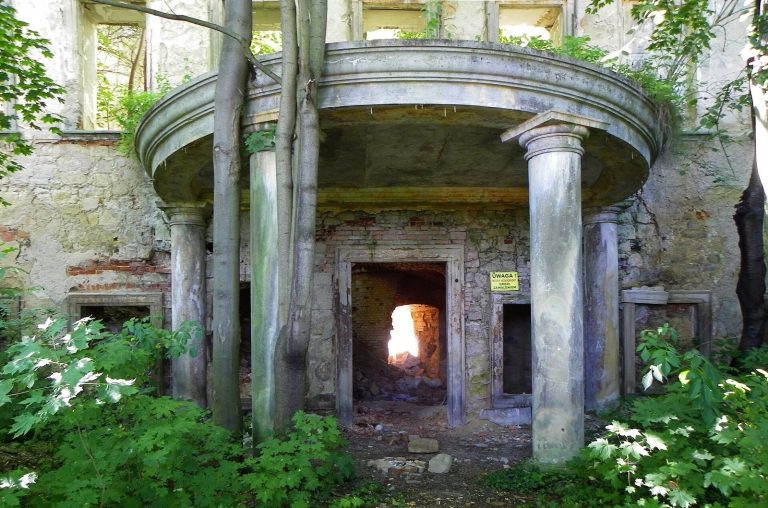
The church’s furnishings include a late-Baroque main altar transferred from Ocice’s Evangelical church, now in ruins, along with a Renaissance baptismal font and a seventeenth-century pulpit. Burial slabs and epitaphs are set into the church walls.
Cemetery
A cemetery surrounds the church. It contains old gravestones and the grave of Edmund Tkocz.