Kioutouklou Baba Tekke: A Dervish Lodge and Tomb Site in Greece
Site at a Glance
- Popularity
- Low
- Country
- Greece
- Primary era
- Medieval
- Eras represented
- Medieval, Early Modern
- Civilizations
- Ottoman
- Site type
- Religious
- Remains
- Tomb
On this page4 sections
History
Kioutouklou Baba Tekke is a religious site on the western shore of Lake Vistonida, northwest of Selino in Greece’s Western Thrace, near ancient Anastasiopolis-Peritheorion. Its surviving tomb is generally dated to the fifteenth or early sixteenth century. Muslim and Christian residents use the site for religious purposes.
Traditions of an earlier church
A tradition holds that the site was once a church dedicated to Saint Nicholas. In 1920, refugees arriving from Eastern Thrace were said to have encountered dervishes there, who told them of the church. Byzantine historian Charalambos Bakirtzis also affirmed the existence of this tradition.
A separate tradition links the church to Berenger D’Entensa, a knight of the Catalan Company, a mercenary force active in the eastern Mediterranean. It identifies the church as his burial place after he was killed in 1307 in a skirmish with men of his fellow combatant En Rocafort, as the company travelled from Gallipoli toward Thessaloniki.
The dervish lodge and religious use
One uncertain tradition identifies Kütüklü Baba as a dervish, a member of a Sufi Muslim religious order, who served Ottoman commander Gazi Evrenos and established a tekke, or dervish lodge, during a military campaign. A lodge stood in the area before 1826, when Sultan Mahmud II destroyed it during a campaign against Janissary military units, whose members were associated with the Bektashi, a Sufi order.
Muslims venerate the tomb as Kütüklü Baba’s burial place. One interpretation connects Muslim attendance with Saint George’s veneration in Bektashi practice and the Alevi tradition, a distinct Muslim tradition.
Remains
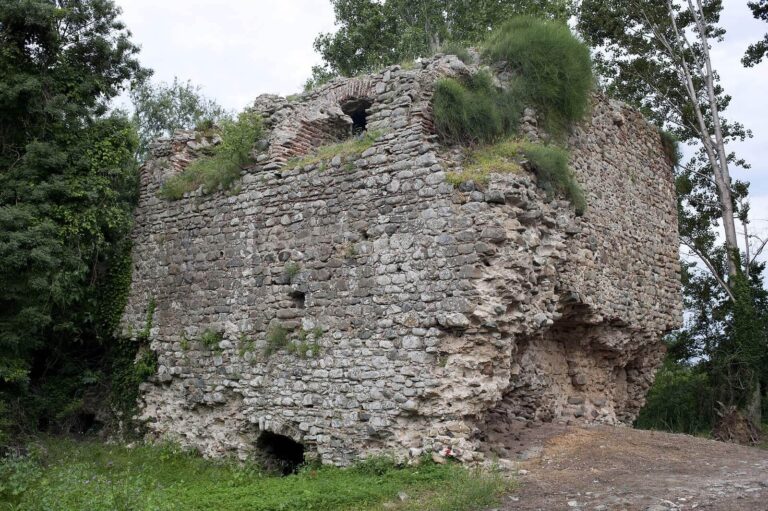
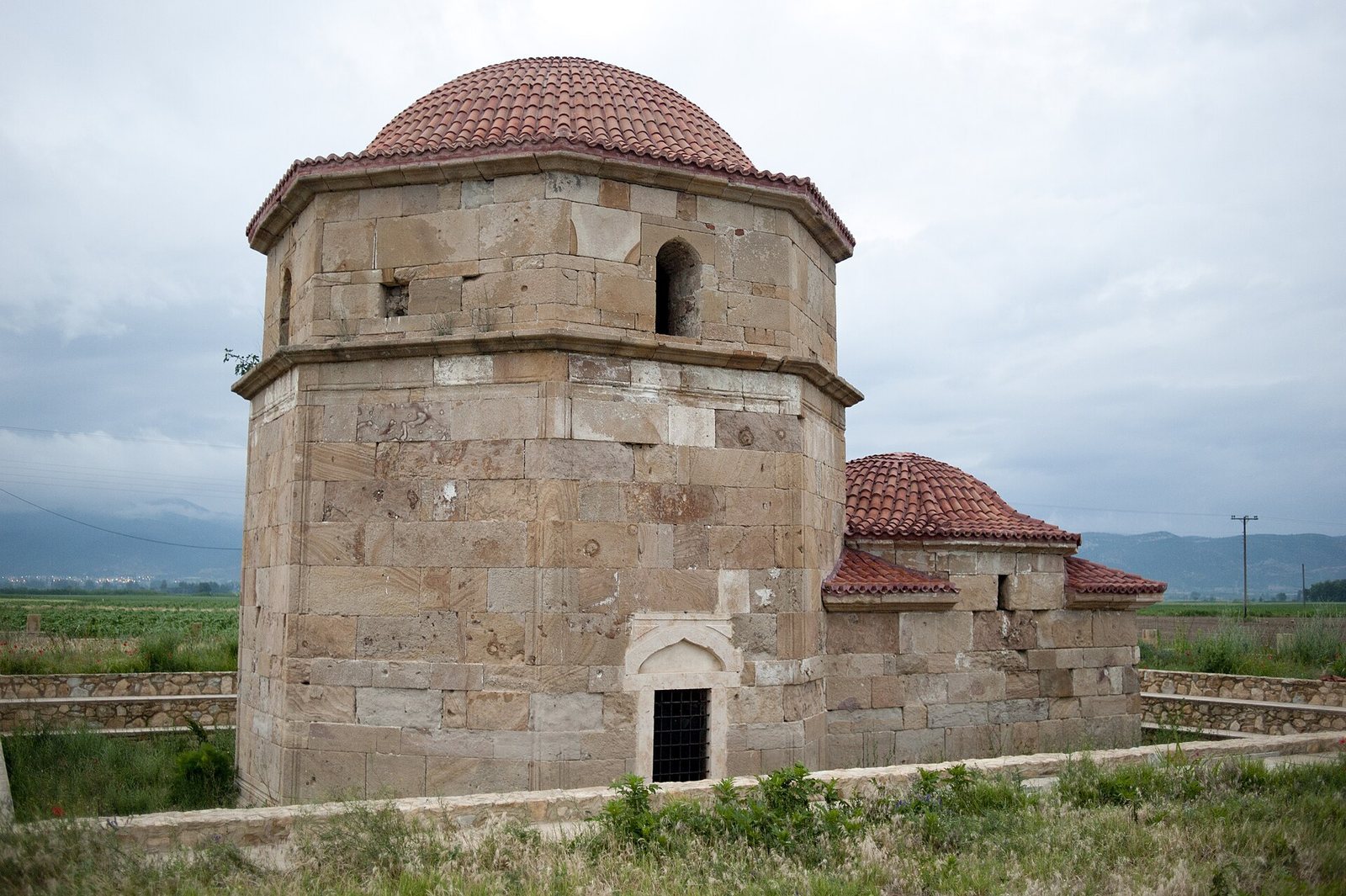
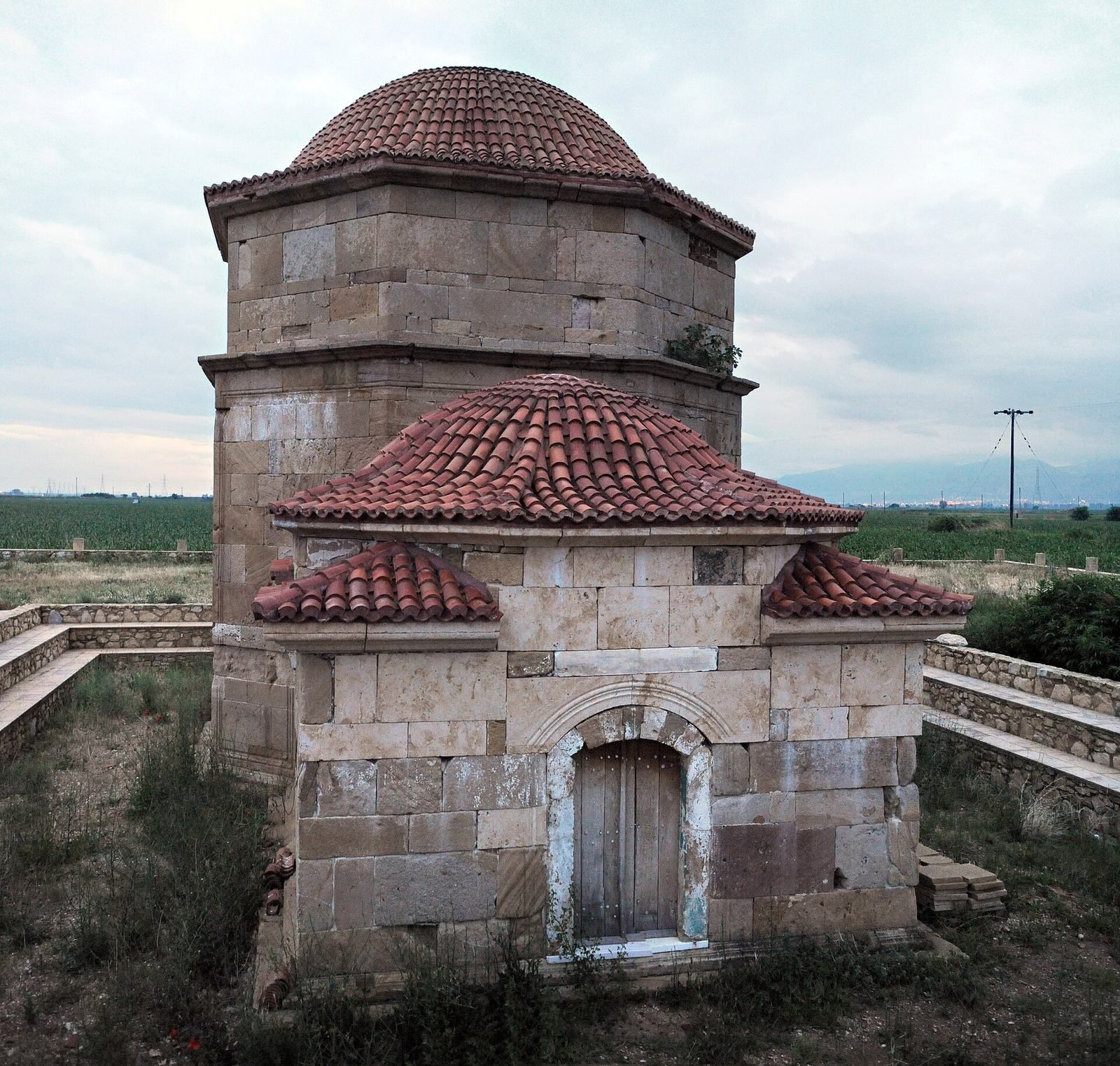
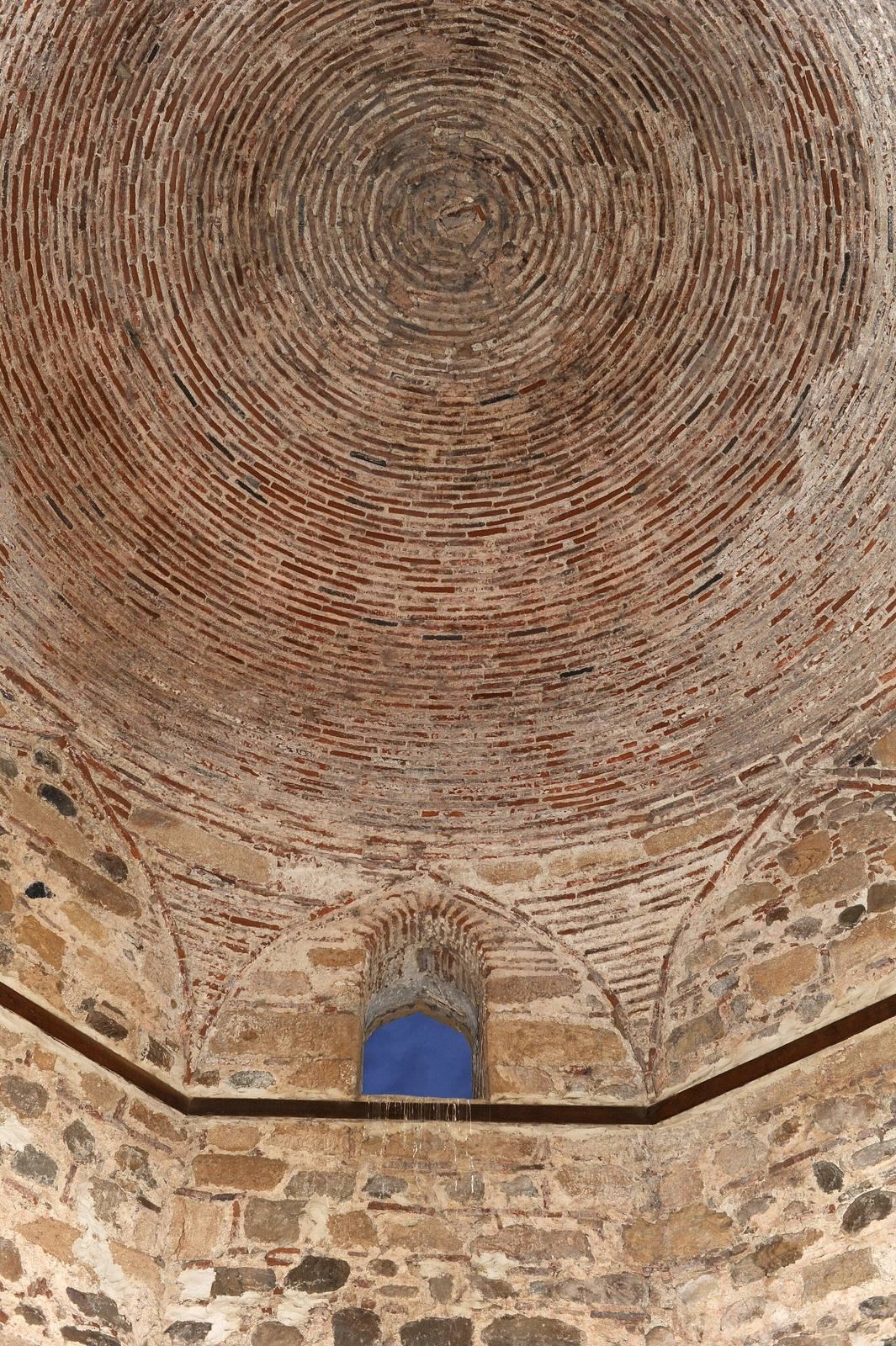
The surviving structure is a türbe, or tomb monument, built of stone in an octagonal form and topped by a dome. Its octagonal plan provides the basis for the proposed date of the building.
The monument’s eastern part has been adapted as a makeshift church dedicated to Saint George. The structure may have been built over the remains of an earlier Christian church; another possibility is that church building materials were reused in its construction. Historian Heath W. Lowry considered reuse more likely than the church itself serving as the tekke’s predecessor, if a fourteenth-century church stood in the area.