Maritime Villa of San Benedetto del Tronto: A Roman Coastal Estate
Site at a Glance
- Popularity
- Low
- Country
- Italy
- Primary era
- Classical
- Eras represented
- Classical
- Civilizations
- Roman
- Site type
- Domestic
- Remains
- Villa
On this page8 sections
History
Roman villa and later cemetery
The maritime villa of San Benedetto del Tronto is a private Roman coastal residence within a rural estate in Italy, dating from the late 1st century BCE to the early 1st century CE. Such estates combined domestic and agricultural functions. The discovery of the villa has been interpreted as evidence of the town’s role during the Roman period.
The villa was abandoned in the 4th century CE. A cemetery with single and double burials then occupied the site.
Excavation and redevelopment
The villa came to light during excavations in 2010, which continued through 2021. The Municipality of San Benedetto del Tronto later undertook redevelopment work in collaboration with the Marche Superintendency of Archaeology, Fine Arts and Landscape.
Remains
Villa layout and surviving spaces
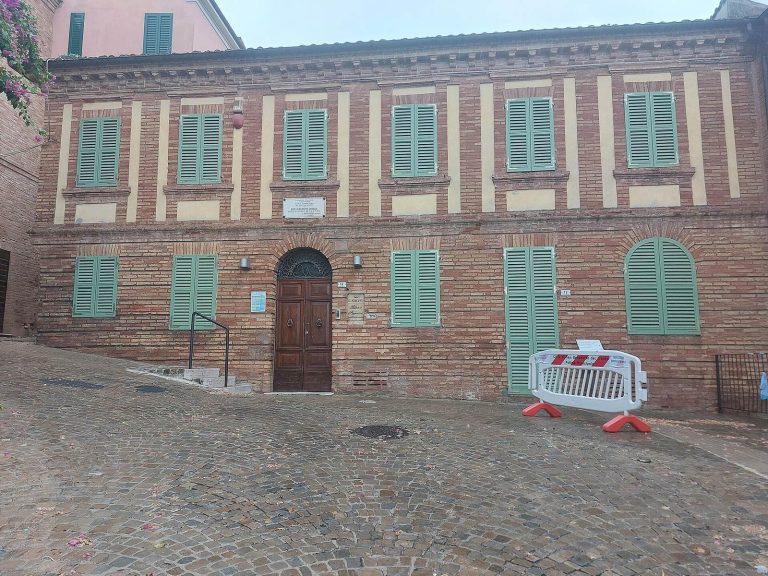
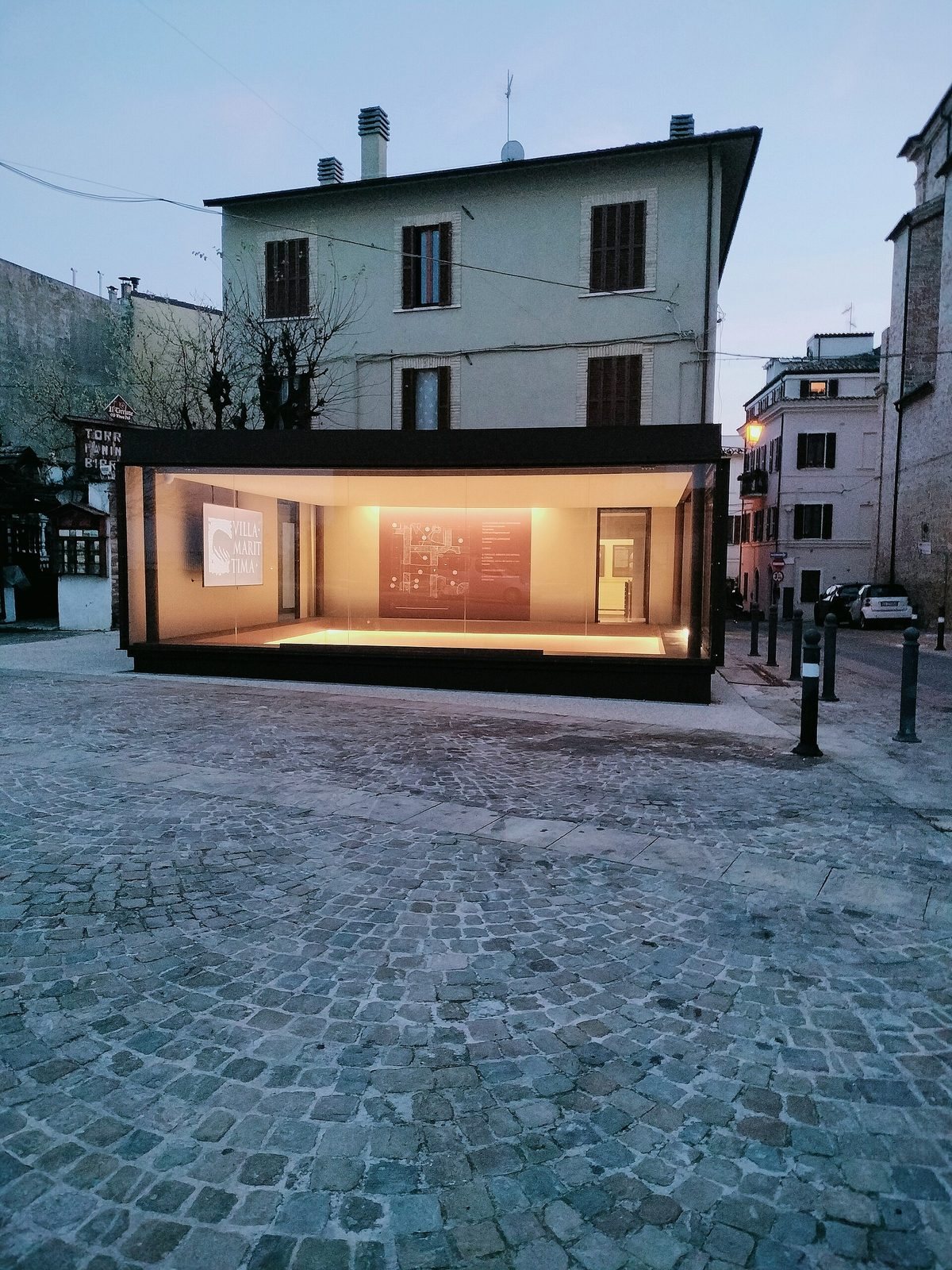
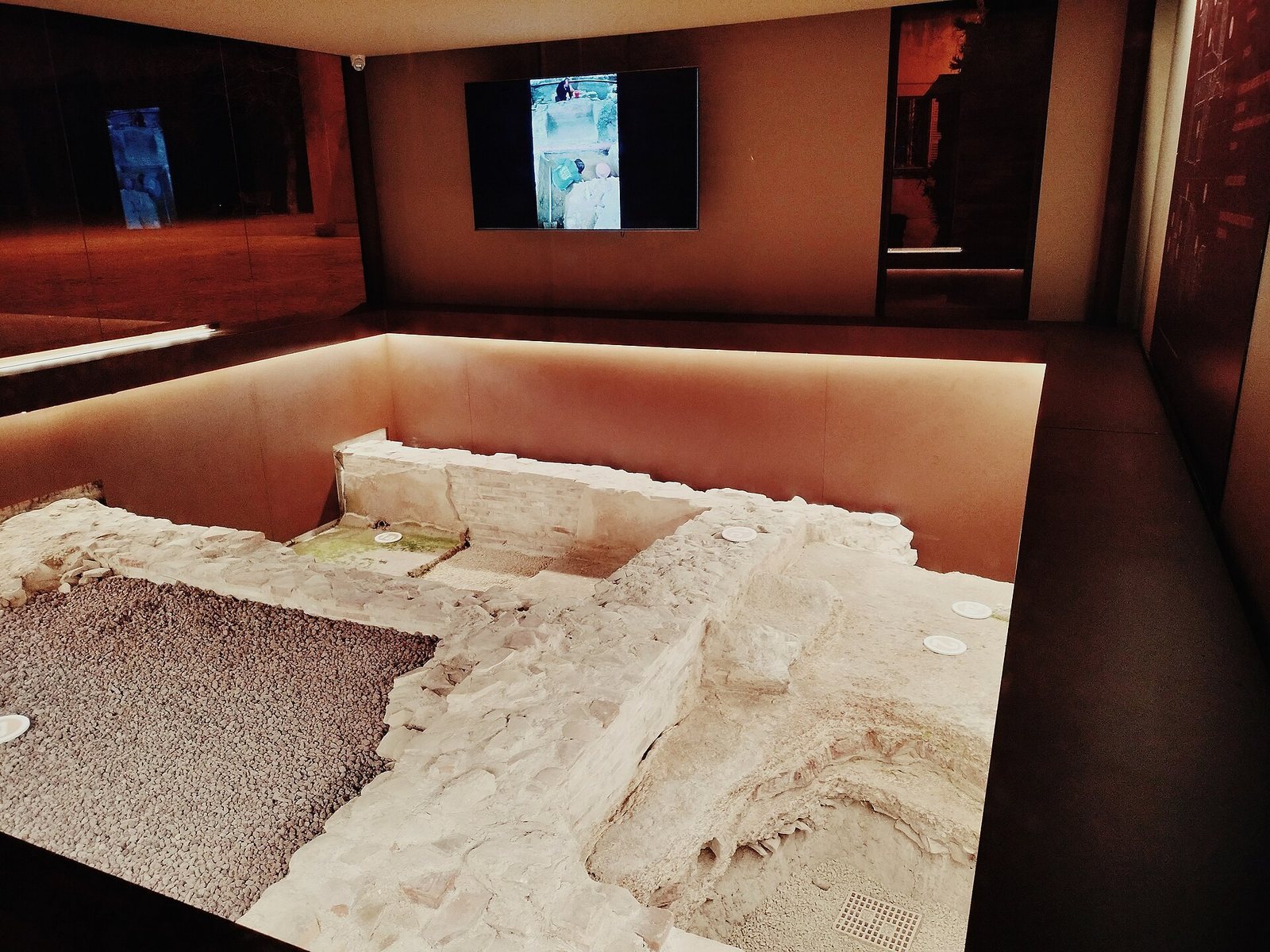
The remains occupy parts of the former Sciarra school and the outdoor area of Piazza Giuseppe Sacconi, in Paese Alto, the town’s historic upper district, near the Torre dei Gualtieri. Some remains are inside the former school; those in the piazza are presented in transparent cases of different sizes. Together, the finds reveal residential and productive parts of the villa.
Residential spaces
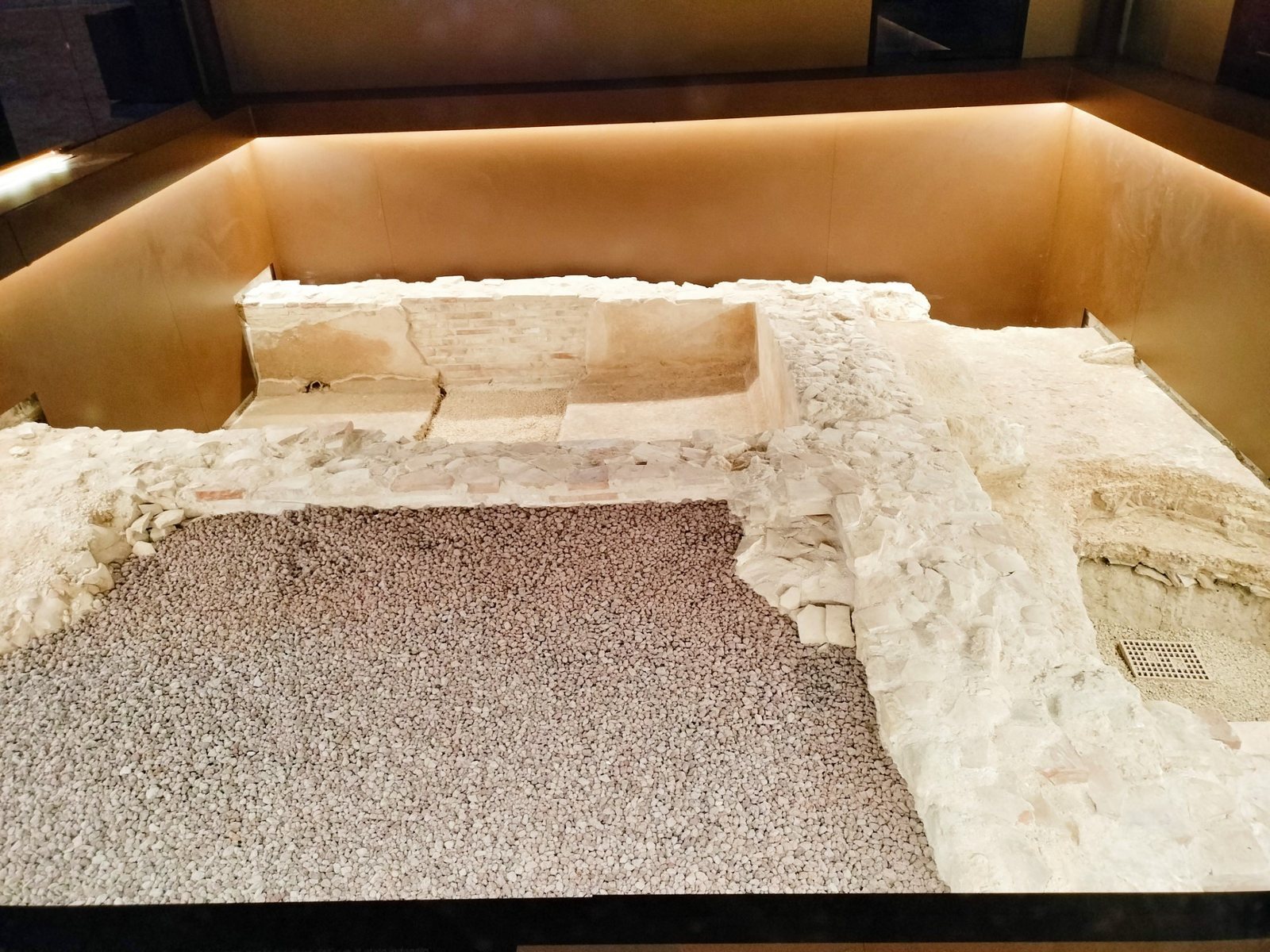
Part of the arrangement of two connected residential spaces can still be made out. Their remains are visible in the enclosed exhibition area and in a small display case.
Portico and production areas
A larger case contains a corner of a painted portico and part of the wine-production area. Other surviving features include rough-finished floors and basins used to process garum, a fermented fish sauce used in Roman cooking.
Painted wall decoration
Red wall paintings are associated with a decorative phase that may belong either to the reign of Nero or to the later Flavian dynasty, but their date is uncertain. The lower part of a painted wall survives with rectangular and diamond-shaped panels designed to imitate marble slabs and veining. Diagonal black-and-white stripes create an effect described as Zebrino marble. This decorative treatment was used from the 1st century BCE through the end of the 1st century CE.