Sanctuary of the Madonna delle Grazie in Ardesio: A Roman Catholic Marian Shrine
Site at a Glance
- Popularity
- Medium
- Country
- Italy
- Primary era
- Early Modern
- Eras represented
- Early Modern, Modern
- Civilizations
- Italian, Venetian
- Site type
- Religious
- Remains
- Sanctuary
On this page11 sections
History
The Sanctuary of the Madonna delle Grazie in Ardesio is a Roman Catholic church in Italy, built at the place where an apparition of the Virgin Mary was said to have occurred on 23 June 1607. Construction began in 1608. The sanctuary’s title means Our Lady of Grace and reflects an association with Mary as the sorrowful mother at the foot of the cross, interceding between Christ and suffering people.
The apparition and its recognition
The reported apparition took place at the Salera family’s home, where Marco Salera, his wife Maddalena and their daughters Maria and Caterina lived and worked a mill. The family also relied on haymaking. When a storm threatened their ripe crop, Maddalena urged her daughters to pray in the Room of the Saints, a frescoed room commissioned by a priest in 1449. Tradition holds that it suddenly filled with light and that the Virgin and Child appeared on a golden throne. The sky cleared afterward. The Virgin did not speak, and the apparition did not recur, but the room soon became a place of prayer.
Parish priest Giacomo Gaffuri alerted the local vicar, who informed Decio Berlindis, archpriest of Clusone. Berlindis closed the Salera home and established a canonical tribunal there. Witnesses described the apparition and events that followed. The tribunal judged their testimony credible; reports of unexplained healings also helped secure authorization for public devotion and a sanctuary. The tribunal records are kept in the sanctuary archive.
The events unfolded amid concern that Protestant teaching, a movement that had separated from the Roman Catholic Church during the Reformation, might spread from Switzerland through Valtellina into the Orobie valleys. Residents had commercial and professional ties with those areas. The Venetian Republic, the state centered on Venice and its territories, was in conflict with the papacy and criticized Charles Borromeo’s edict against doctrines deemed erroneous. These circumstances may have helped Protestant ideas spread in the region.
Construction and community life
Ardesio’s town council approved the church on 13 January 1608, and its foundation stone was laid on 24 June. In the seventeenth century, a dispute arose between the sanctuary’s chaplain and the parish priest. A papal bull issued by Paul V, pope from 1605 to 1621, gave local laypeople the right to appoint the chaplain without regard to the parish priest’s wishes.
From its foundation, the sanctuary served Ardesio and nearby communities, as well as other towns in the valleys. People credited the Virgin with favorable outcomes in events they regarded as miraculous, and the church became a focus of public and private community life. Each year on 22 June, a statue of the Virgin and Child is carried in procession.
Remains
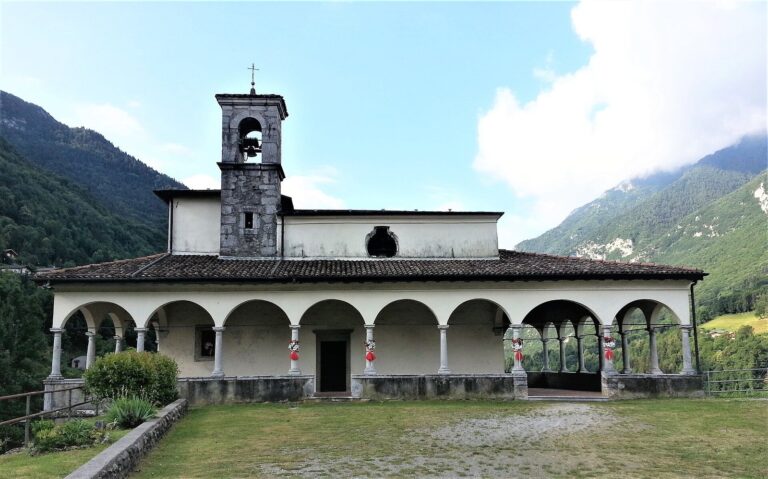
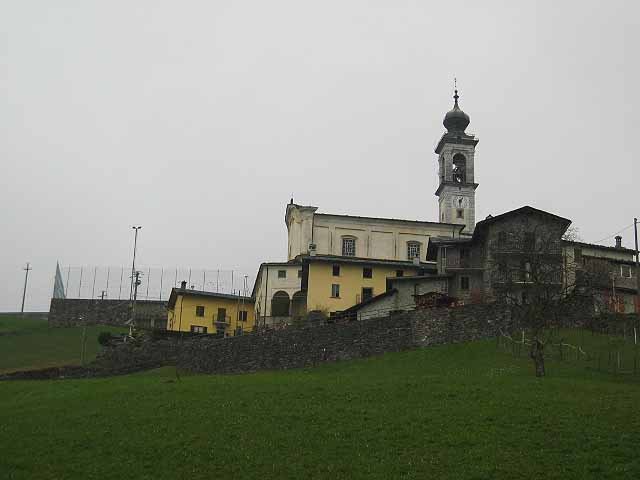
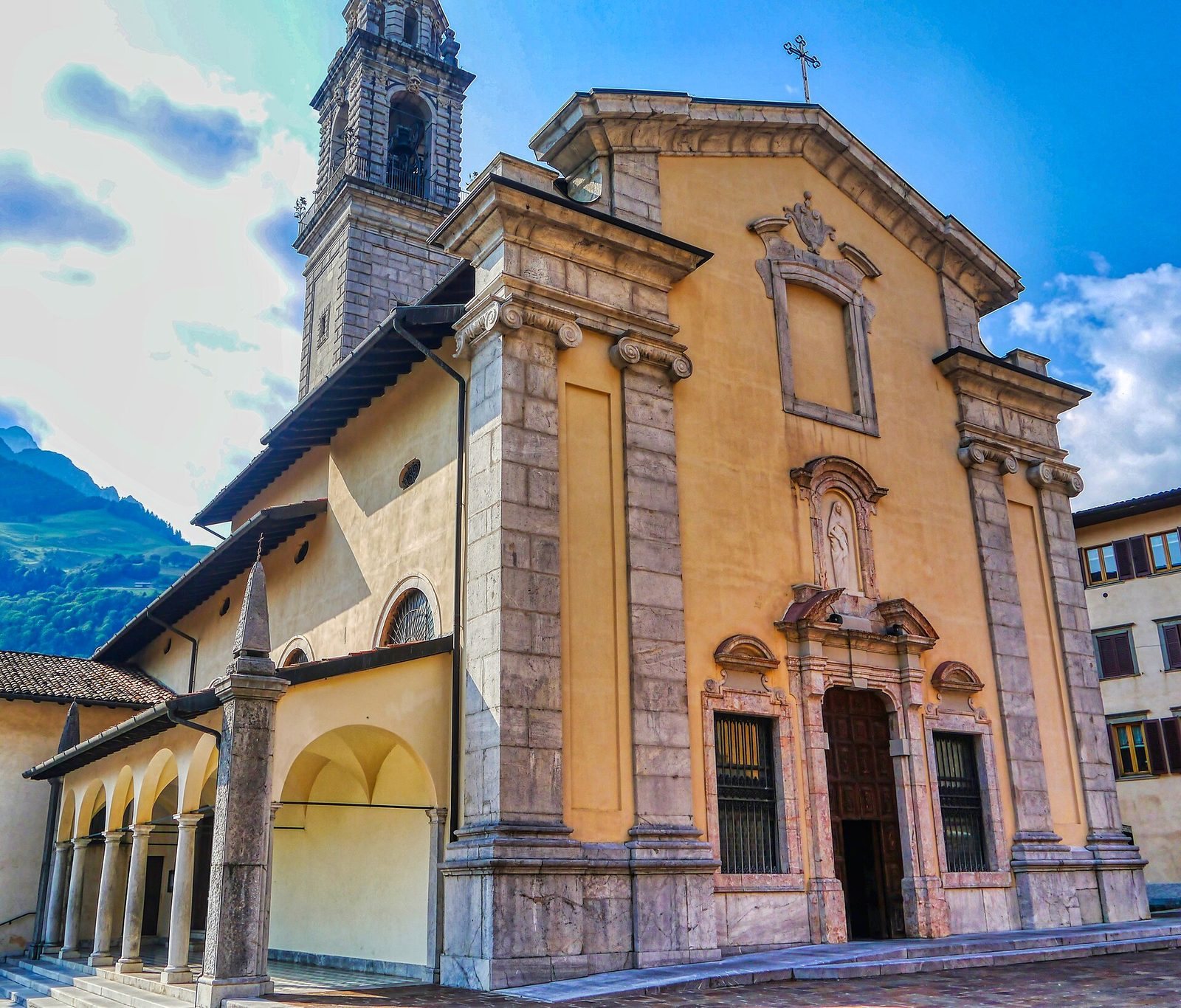
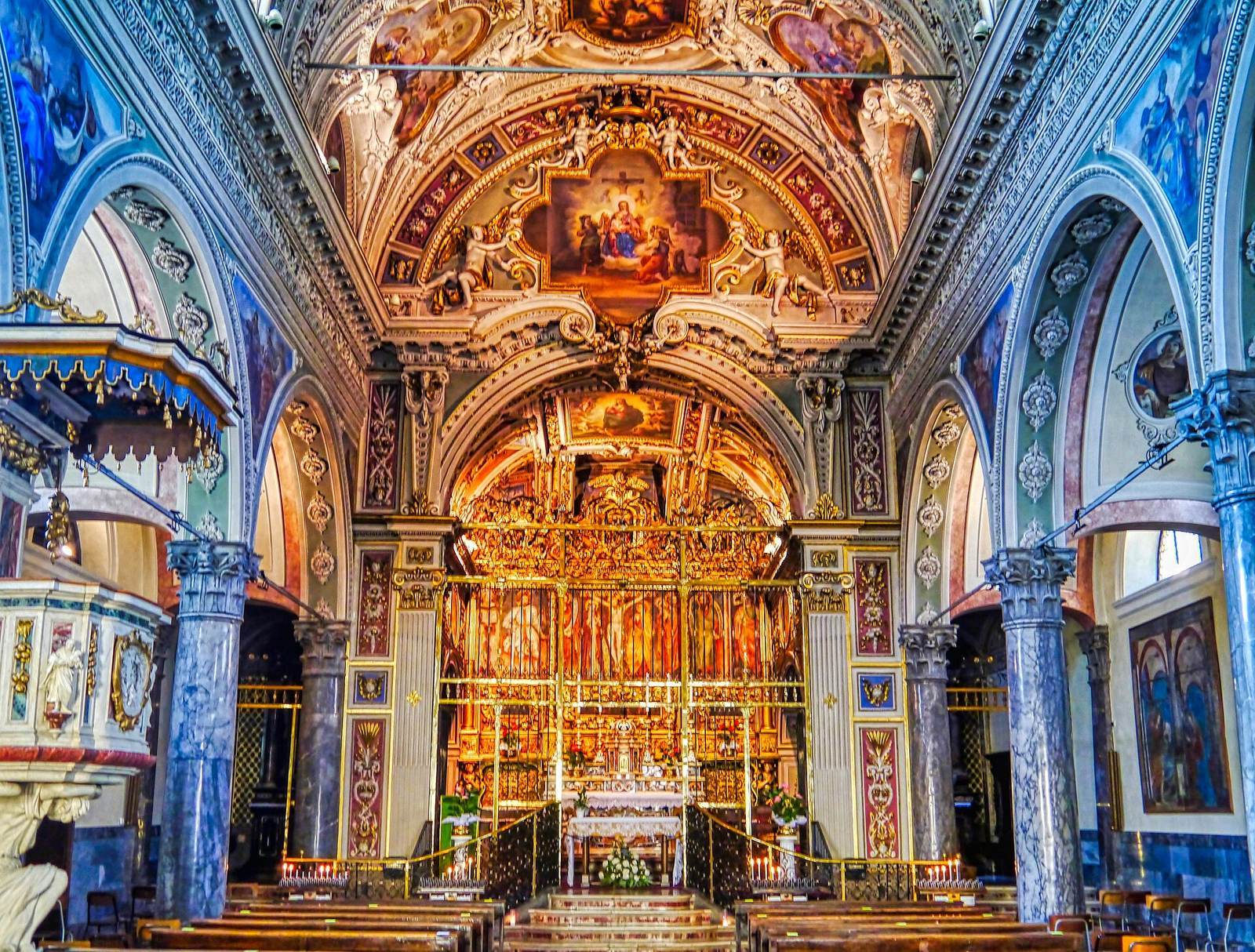
The church faces a large forecourt and has a three-aisled interior, a raised altar area and a separate shrine chapel. A portico runs along its south side. Its interior furnishings include paintings, sculpture and an organ with a carved case.
Exterior and bell tower
The principal facade opens onto the forecourt and has undergone several alterations. The south-side portico was built in the 1920s. Construction of the bell tower began in 1645; it stands 68 metres high, placing it among the tallest in the Bergamo area. An inscription at its base states its height.
Church interior
Plan and altar area
Three columns divide the church’s three aisles into four bays, or sections between supports. Four steps lead up to the presbytery, the area around the main altar.
Paintings
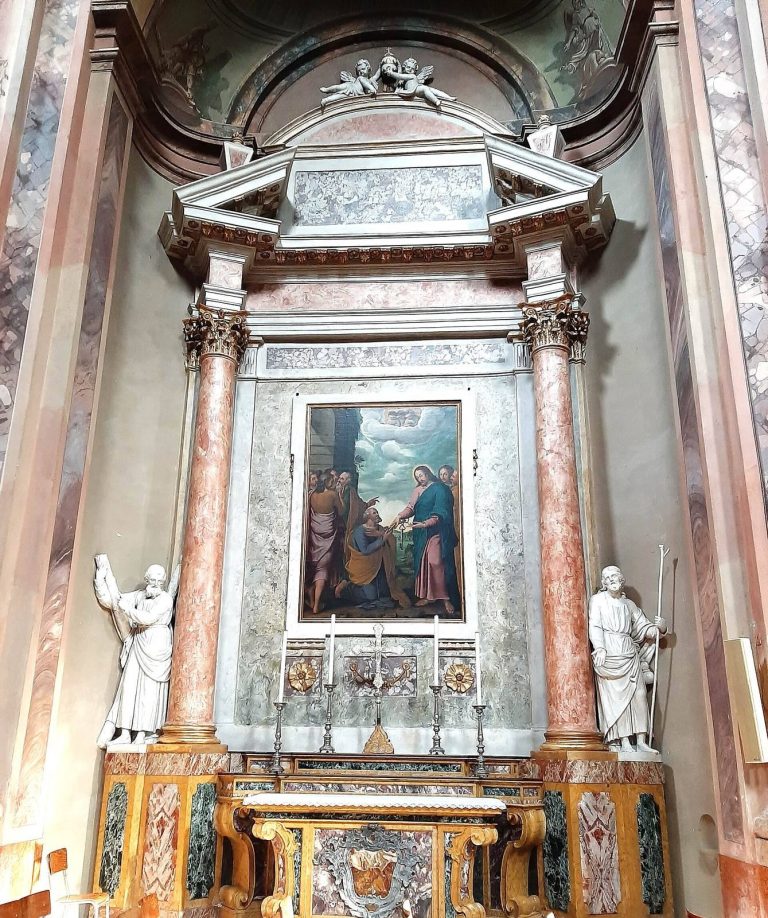
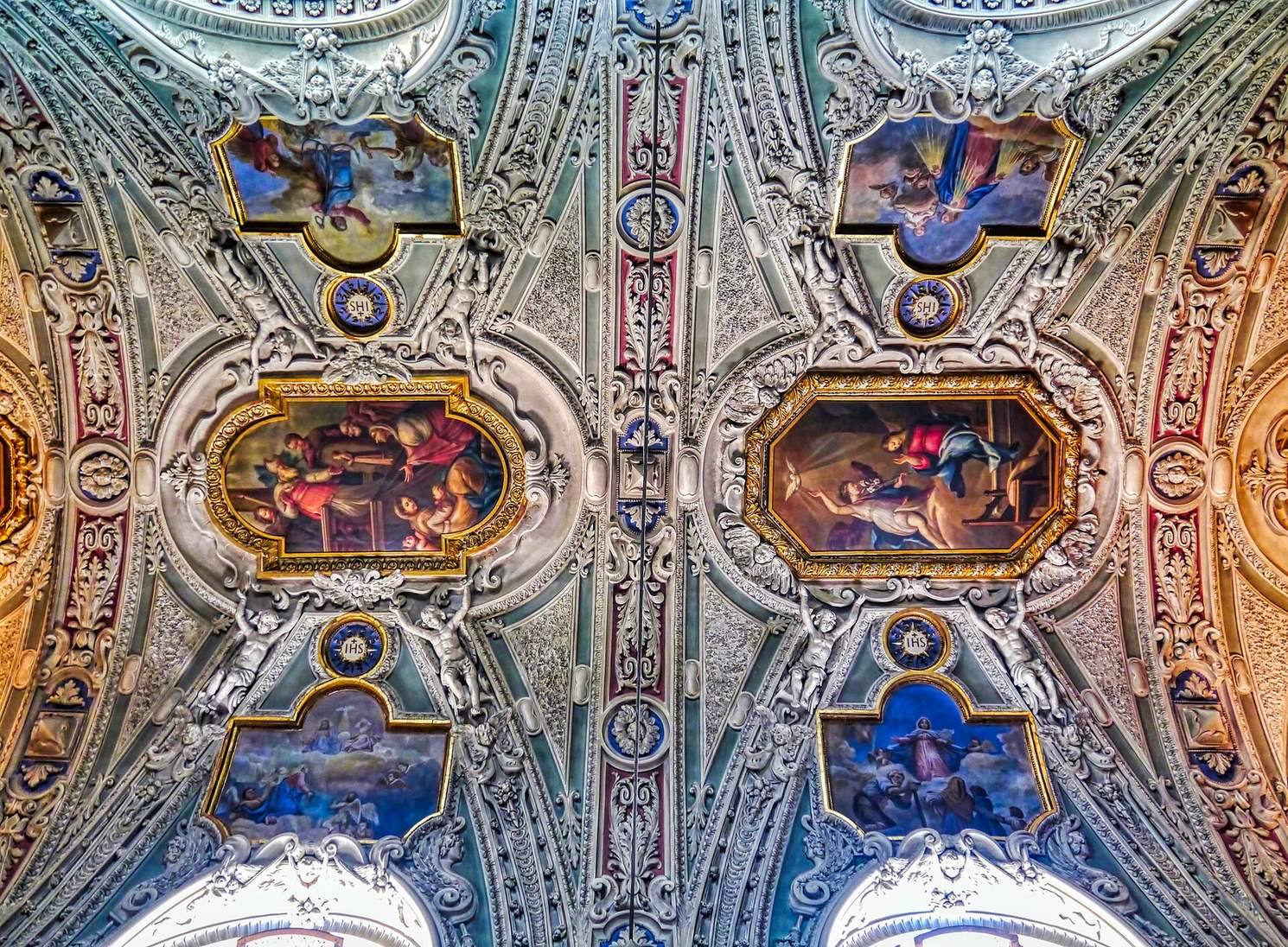
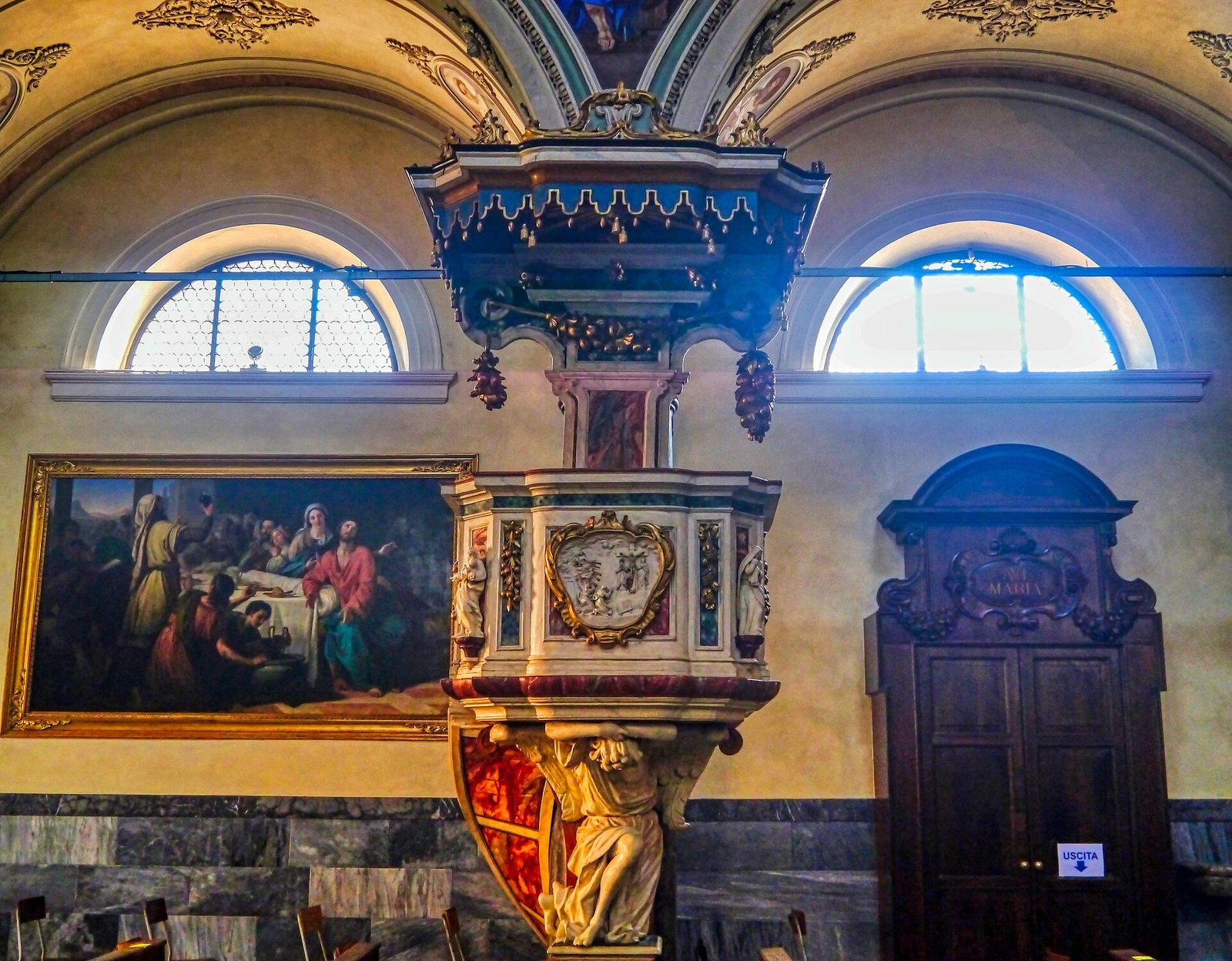
A fresco by Giacomo Busca in the presbytery is associated with the Room of the Saints. It shows Christ on the cross, the Virgin beside him and other saints. The presbytery vault holds a canvas by Domenico Carpinoni depicting the Immaculate Virgin, meaning Mary conceived without original sin, among angels. Antonio Guadagnini painted two oval frescoes on the presbytery’s sides and two large canvases in the side aisles, The Wedding at Cana and The Adoration of the Magi.
Altar and pulpit
The mostly marble high altar depicts the apparition and is a work by Fantoni. The nave contains Giovan Battista Riva’s painting Saint Joseph with the Adolescent Jesus and a pulpit by Andrea Fantoni.
Organ
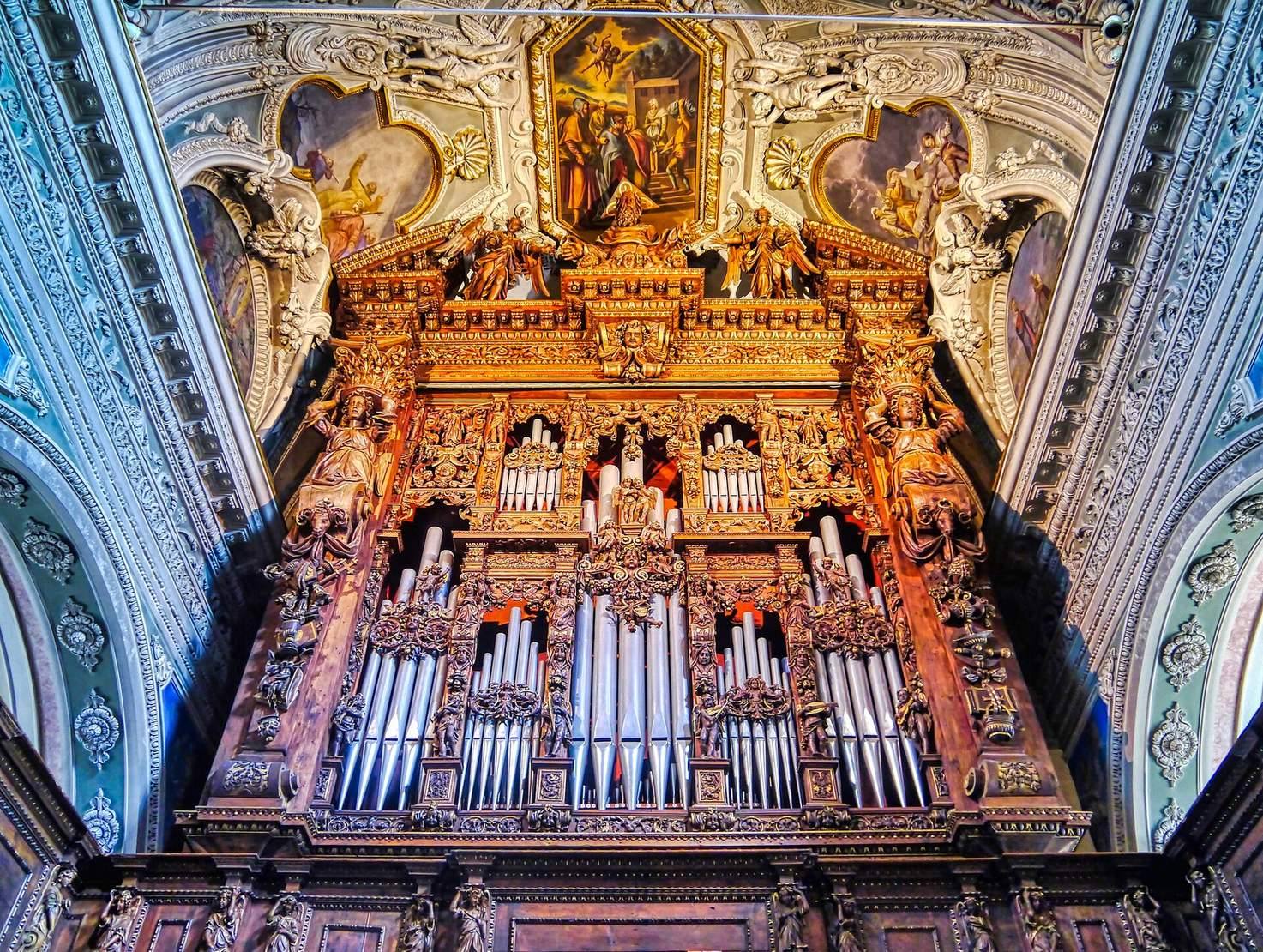
Giovanni Rogantino of Morbegno made the church organ, which has 1,345 pipes: 1,255 metal pipes and 90 made of fine wood. Its Renaissance-era case is arranged in five sections and decorated with numerous carvings.
Shrine chapel
The shrine chapel contains a statue of the Virgin and Child, numerous offerings given in fulfilment of vows or in gratitude, and several statues associated with the Fantoni artistic circle. The statues depict the Lamentation over the Dead Christ.