Saint Nicholas Cathedral, Bălți: An Orthodox Church in Moldova
Site at a Glance
- Popularity
- Low
- Country
- Moldova
- Primary era
- Early Modern
- Eras represented
- Early Modern, Modern
- Civilizations
- Kingdom of Romania, Ottoman, Principality of Moldavia
- Site type
- Religious
- Remains
- Cathedral
On this page7 sections
History
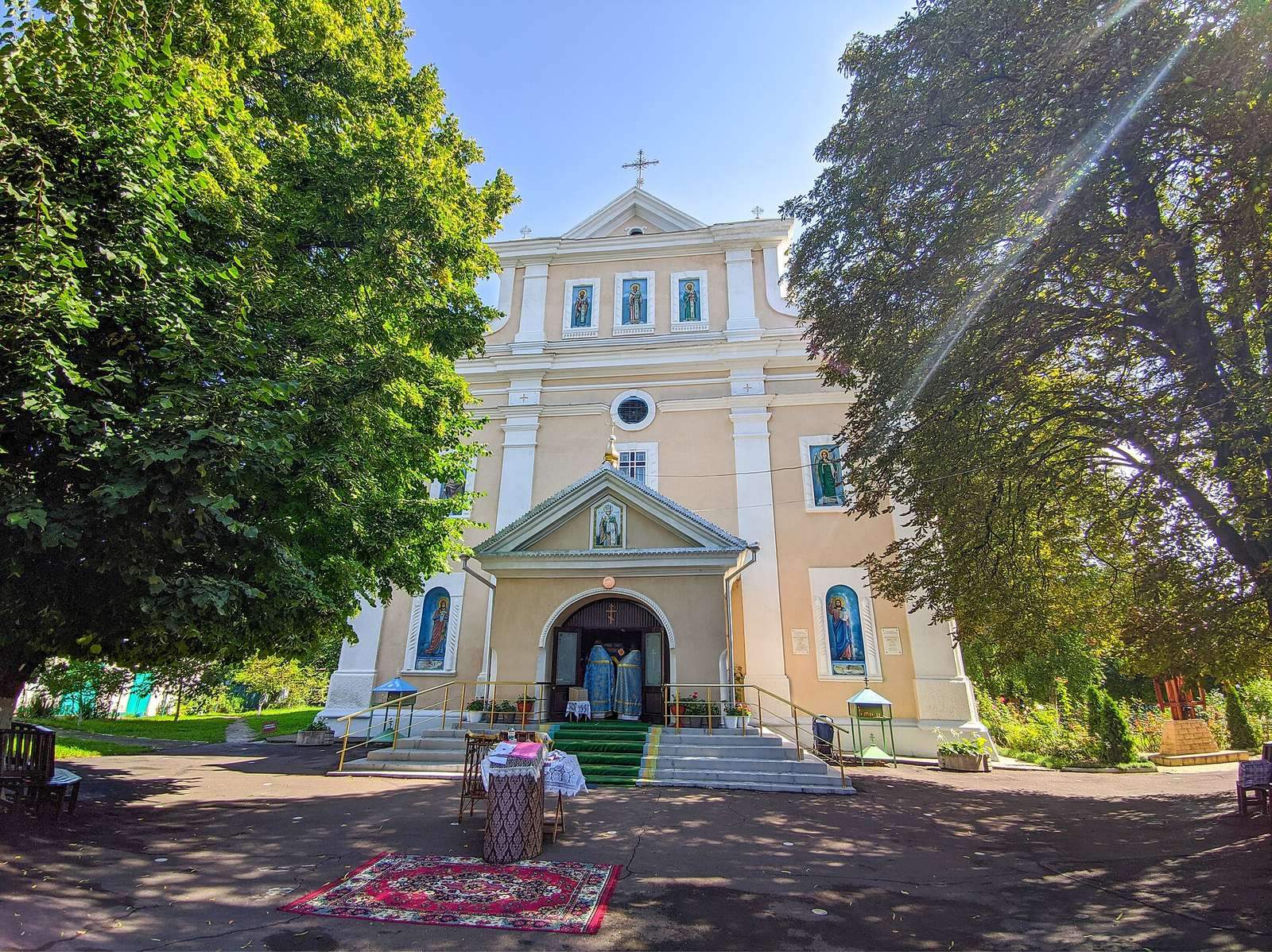
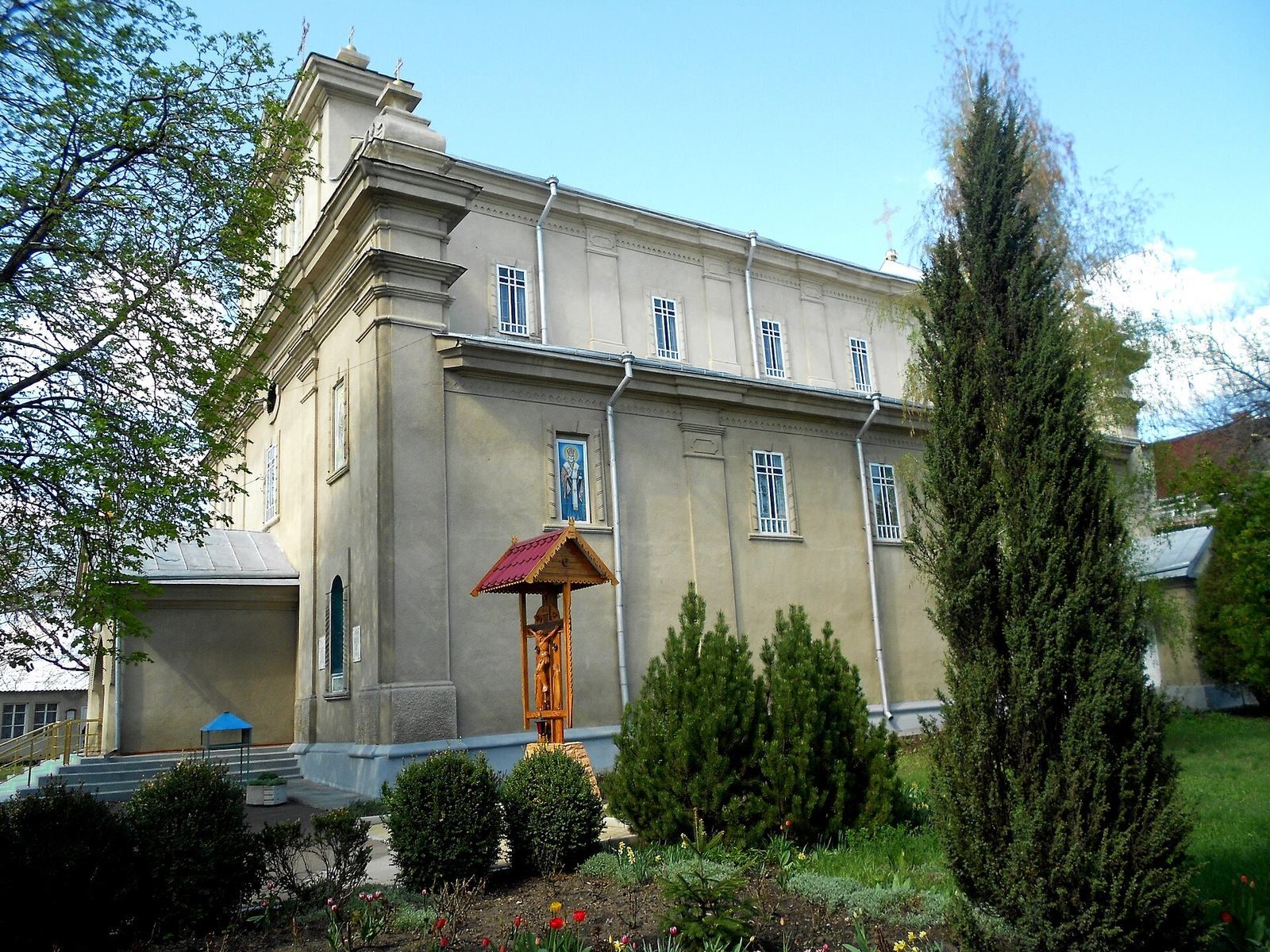
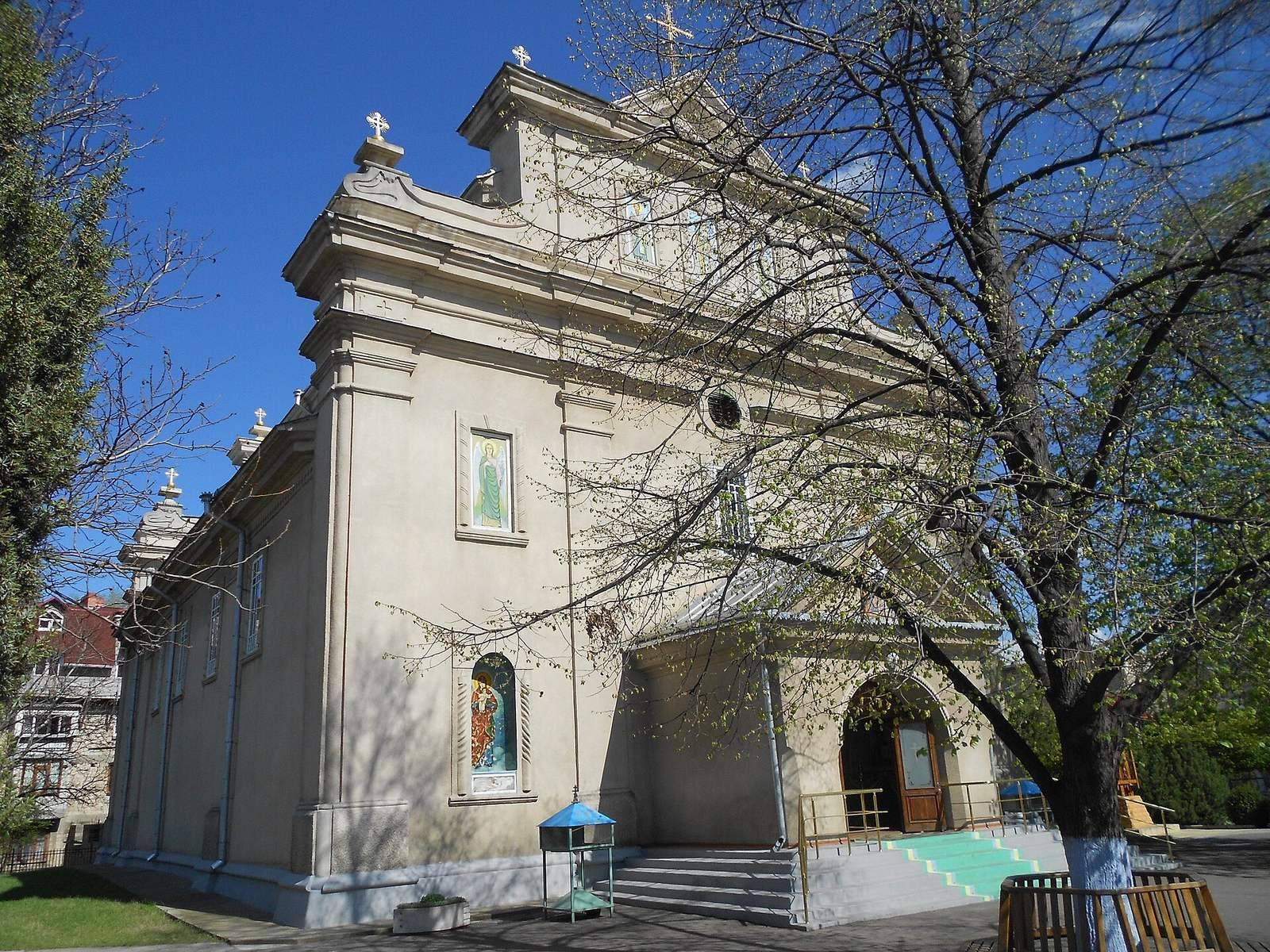
Saint Nicholas Cathedral is an Orthodox church in Bălți, Moldova, built in 1791–1795 in a neoclassical style. It is the city’s oldest building. Before the stone cathedral, a wooden church stood on the site during the reign of Alexander the Good, a medieval ruler of Moldavia.
Earlier church and construction
A raid by Crimean Tatars, a Turkic people historically associated with Crimea, burned the wooden church. It was rebuilt, then later dismantled and moved to a village in what is now Sîngerei District when the stone cathedral was constructed.
Boyar Panaite, a member of the landed nobility, financed the cathedral. He had invited 300 Armenian merchants from Galicia, a historical region in central and eastern Europe, in the hope of encouraging local economic development, but the Moldavian authorities did not allow them to relocate. The church was intended for Armenians of the Roman Catholic faith, within the Armenian Catholic tradition, but was consecrated for Orthodox worship in 1804.
Fires and wartime damage
A fire in the nineteenth century was followed by restoration. The cathedral remained Bălți’s only Orthodox church until the 1920s. During the Second World War, artillery damaged both the church and its bell tower. A bomb entered the church but failed to explode; sappers removed it and defused it on the bank of the Reut River. The tower’s upper levels were badly damaged and demolished, after which the tower was restored with additional levels.
A church fire on the night of 24 January 1959 damaged the interior and destroyed several church books. The cathedral’s interior was restored in the 1980s. On 5 April 1965, the bell tower was demolished to enlarge the central square in front of the city council building, now city hall. Flower beds were planted where the tower had stood.
Reconstruction and continuing use
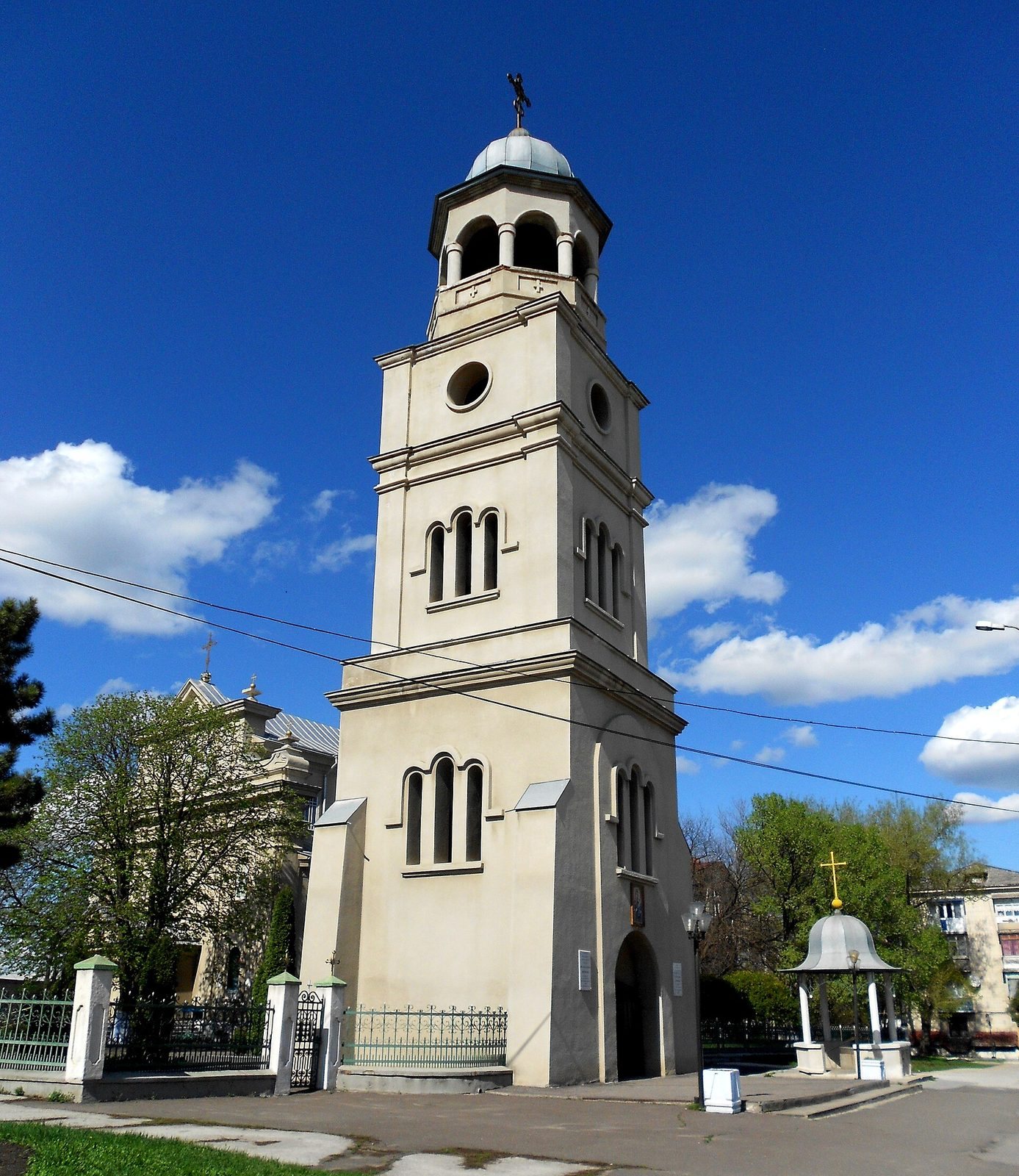
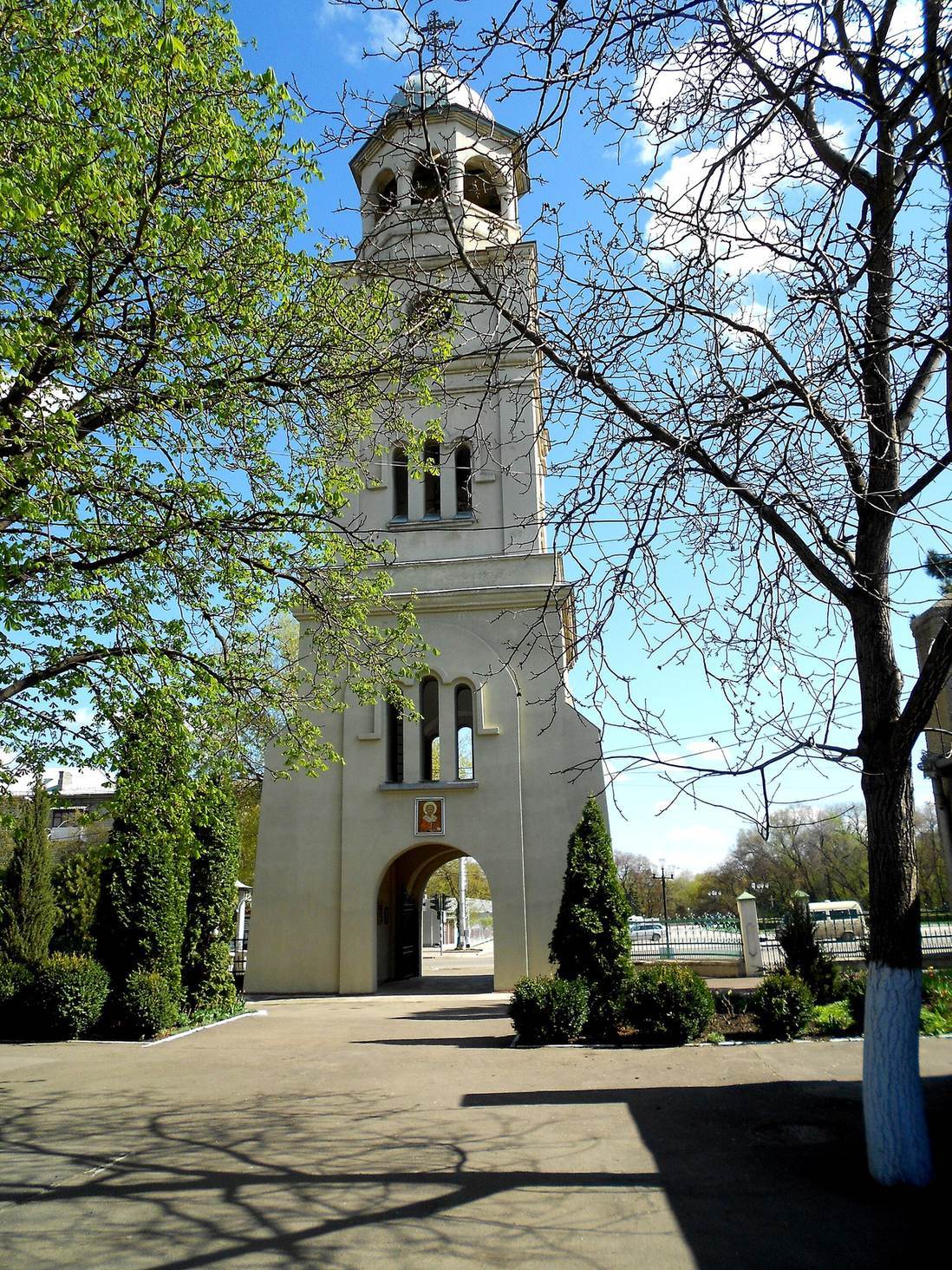
Work to rebuild the tower began in 1994 through the efforts of parish priest Mihail Saracuța, with private funding. The cornerstone was laid on 1 September that year, and Bishop Vladimir Cantarean consecrated the reconstructed tower on 22 May 1995. Bălți’s annual feast in honor of the cathedral is also held on 22 May. The decision to establish it was made on 29 May 1992 after a meeting between Mayor Vladimir Tonchuk and Orthodox Church representatives.
The cathedral remains an active Orthodox church in the Diocese of Bălți and Fălești, a territorial church jurisdiction of the Orthodox Church of Moldova within the Russian Orthodox Church. It is listed in Moldova’s register of monuments of national importance and has protected historical and architectural monument status.
Remains
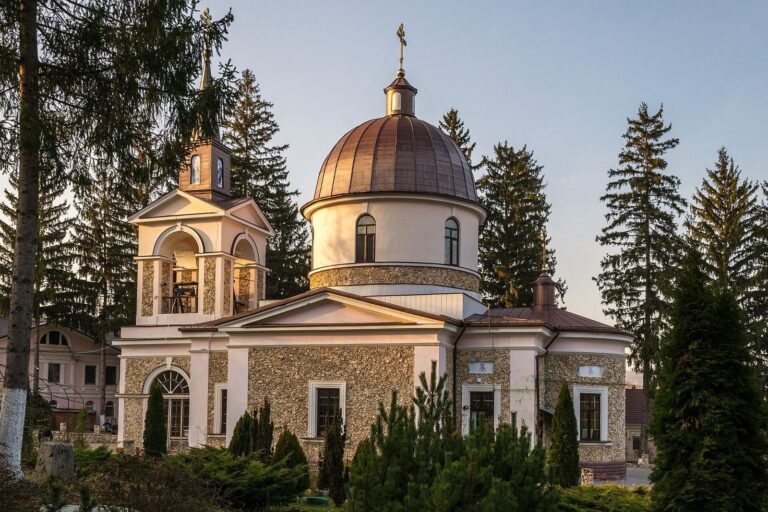
The site pairs the long brick cathedral with a separate bell tower standing in front of it. The church follows a neoclassical basilica plan, a longitudinal layout, while its end facades use Baroque forms.
Cathedral
The cathedral rises 32 metres. Service rooms occupy the corners of its elongated rectangular building, whose design drew on Western church models. It is the only structure of this type in Moldova. Bălți-born painter Eustațiu Altini painted the iconostasis, a screen of icons separating the sanctuary from the main worship space, and parts of the domes. Some interior paintings and portions of the iconostasis survived the nineteenth-century fire, and some paintings were restored. The iconostasis was later damaged in the 1959 fire.
Bell tower
The original freestanding tower had two levels, a spire, and an eclectic design combining elements from different styles. Its form followed that of Saint Petersburg’s Peter and Paul Cathedral. During the interwar period, two more levels were added and the facades were changed in the Romanian historicist style, which revived earlier architectural forms. The reconstructed tower followed this interwar appearance. It stands 33 metres high and has four levels. More than 300,000 red bricks were used in its construction, along with 140 cubic metres of reinforced concrete in the foundation, a further 200 cubic metres elsewhere in the structure, and 50 tonnes of reinforcing steel. Four bells made in Moscow from an alloy of silver, tin, and copper hang in the tower.