Roman Villa of Makrygialos: A Roman-Period Residence in Crete
Site at a Glance
- Popularity
- Low
- Country
- Greece
- Primary era
- Classical
- Eras represented
- Classical
- Civilizations
- Roman
- Site type
- Domestic
- Remains
- Elite Residence
On this page9 sections
History
Roman Period and Later Activity
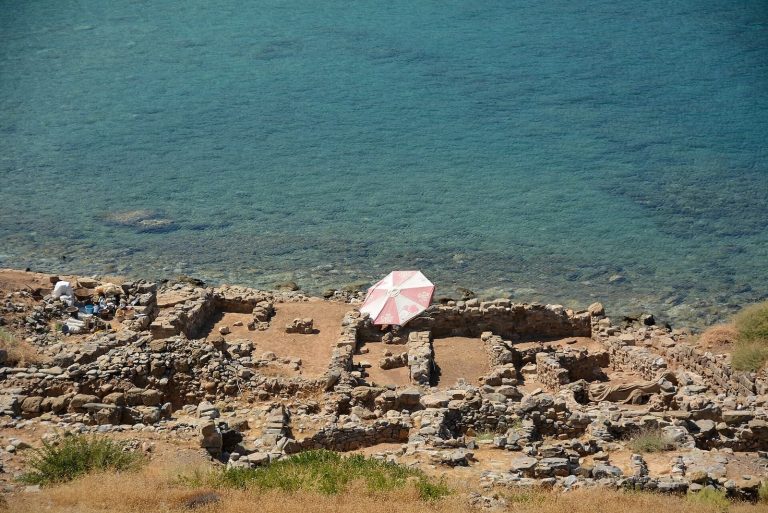
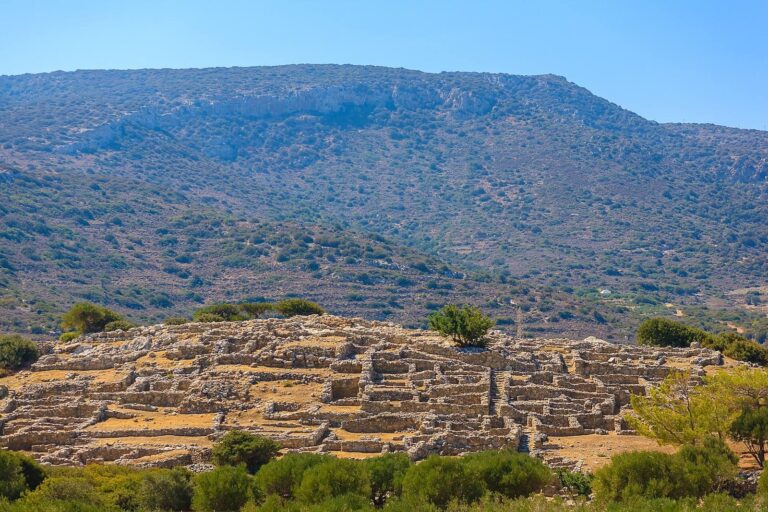
The Roman Villa of Makrygialos is a Roman-period residence on the Katovigli Peninsula at the western edge of Makrygialos in southeastern Crete, Greece. The villa dates from the 1st century BC to the 3rd century AD.
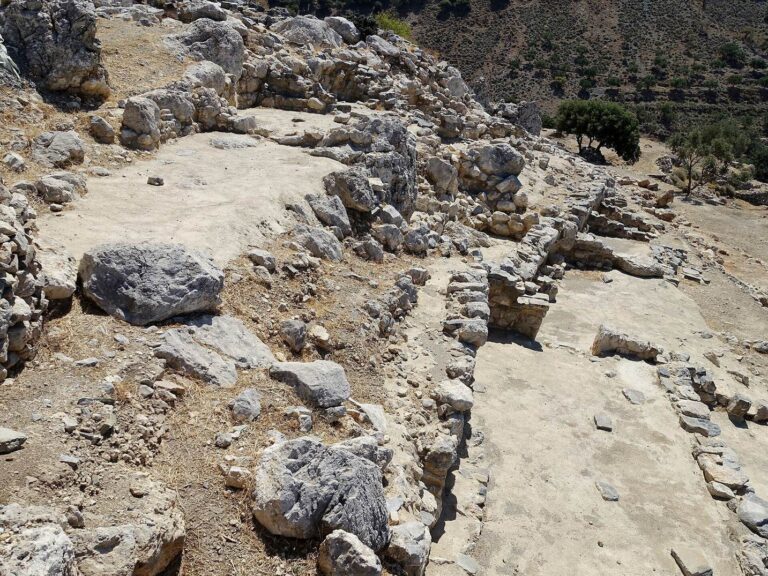
The villa’s surviving architecture indicates systematic looting. This may have taken place in modern times or begun in late antiquity and continued into the Middle Ages. A grave inscription dating to the 4th century was found at the site in 1937.
Identification and Excavation
In the 1930s, British archaeologist John Pendlebury identified evidence of a Roman settlement at the site. Greek archaeologist Nikos Papadakis excavated it between 1976 and 1980. The findspot was recorded as Katovigli.
Remains
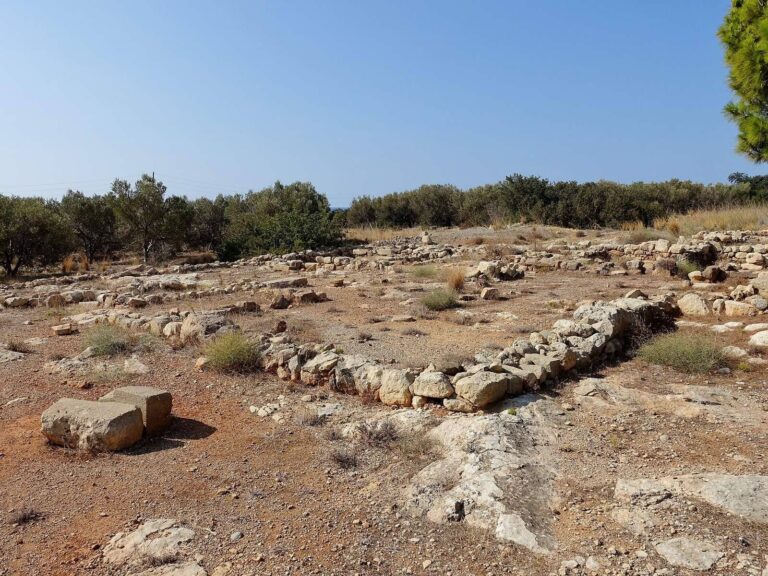
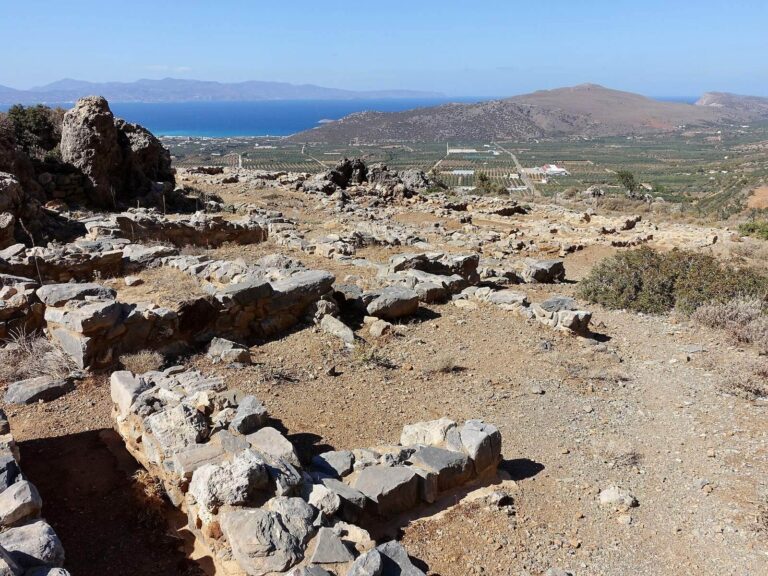
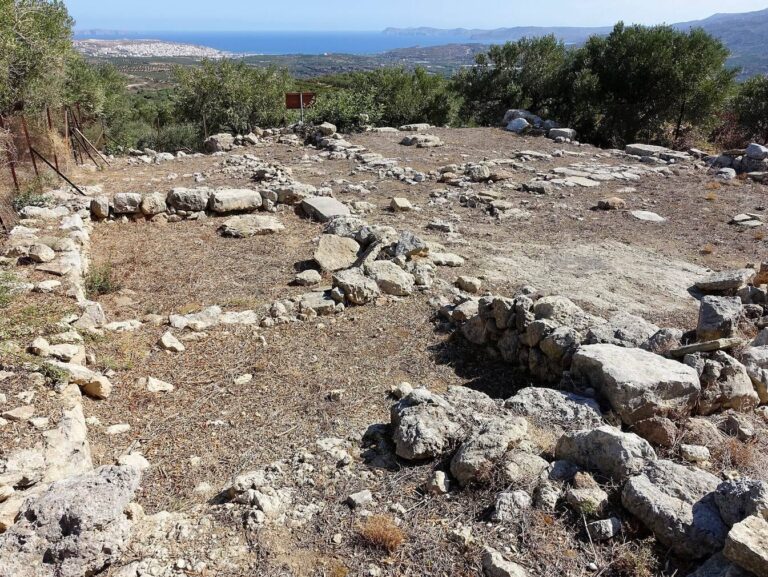
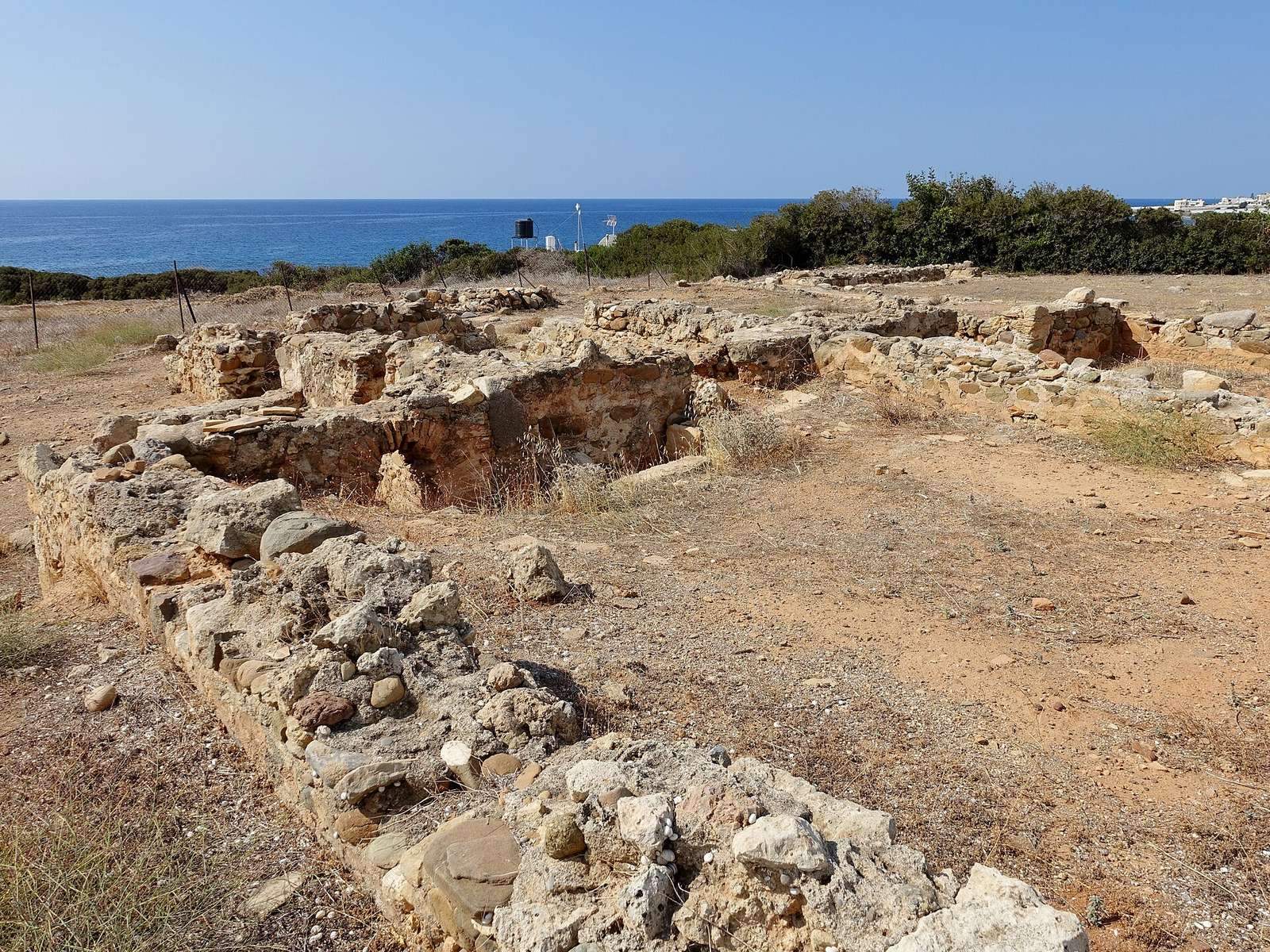
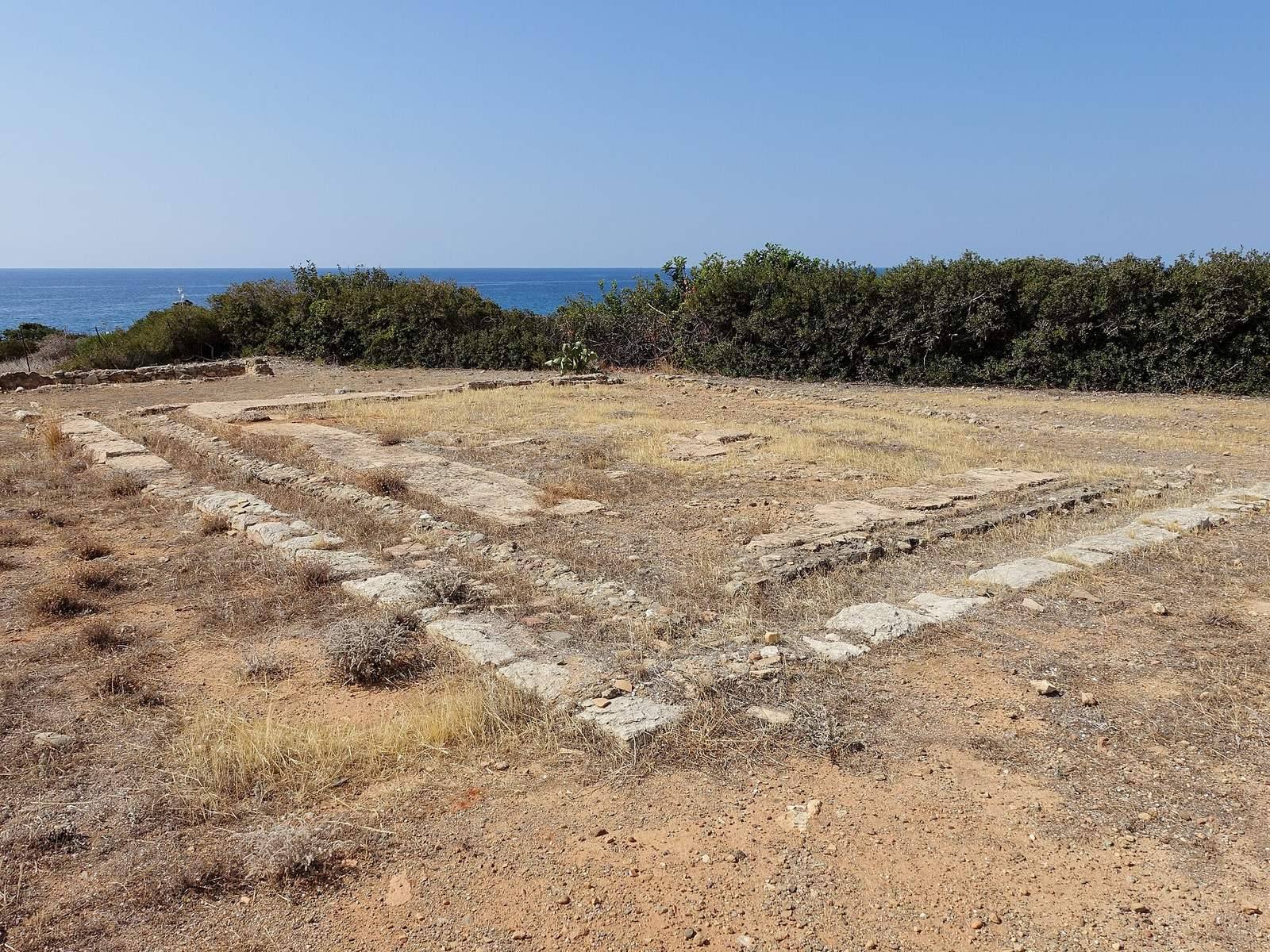
The excavated area covers 1,500 square metres on the Katovigli Peninsula, about 15 metres above sea level. It lies 70 metres north of Kalamokanias Beach and 110 metres west of Makrygialos harbour. The Roman-period building was arranged around an open courtyard, with reception rooms and a bath complex forming parts of the villa.
Villa Layout and Reception Areas
Entrance and Principal Rooms
A mosaic at the villa entrance combines geometric and floral patterns. Marble cladding lined the walls of the principal rooms, which had marble-paved floors; surviving mosaic pavement also forms part of the interior remains.
Courtyard and Reception Hall
The building’s rooms were arranged around an open courtyard. One large, richly appointed room served as a reception hall.
Bath Complex
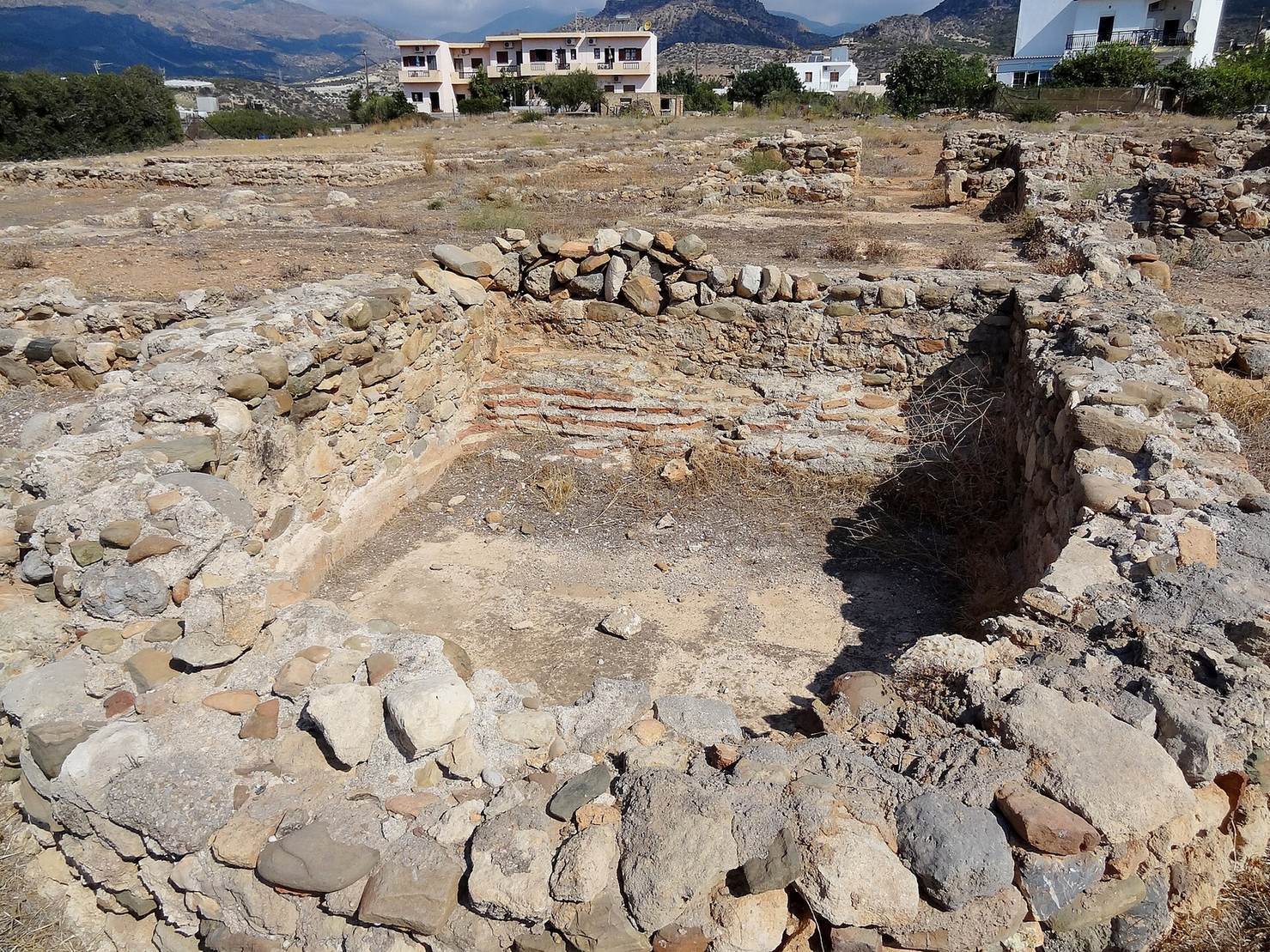
A bathhouse occupied the southeastern part of the villa. Its horseshoe-shaped basin measured 3.90 by 3.15 metres and had a marble floor and steps. A large mosaic with geometric designs lay outside the bath, west of the basin. Open channels and enclosed pipes conveyed water from cisterns to the complex.
Burial and Other Finds
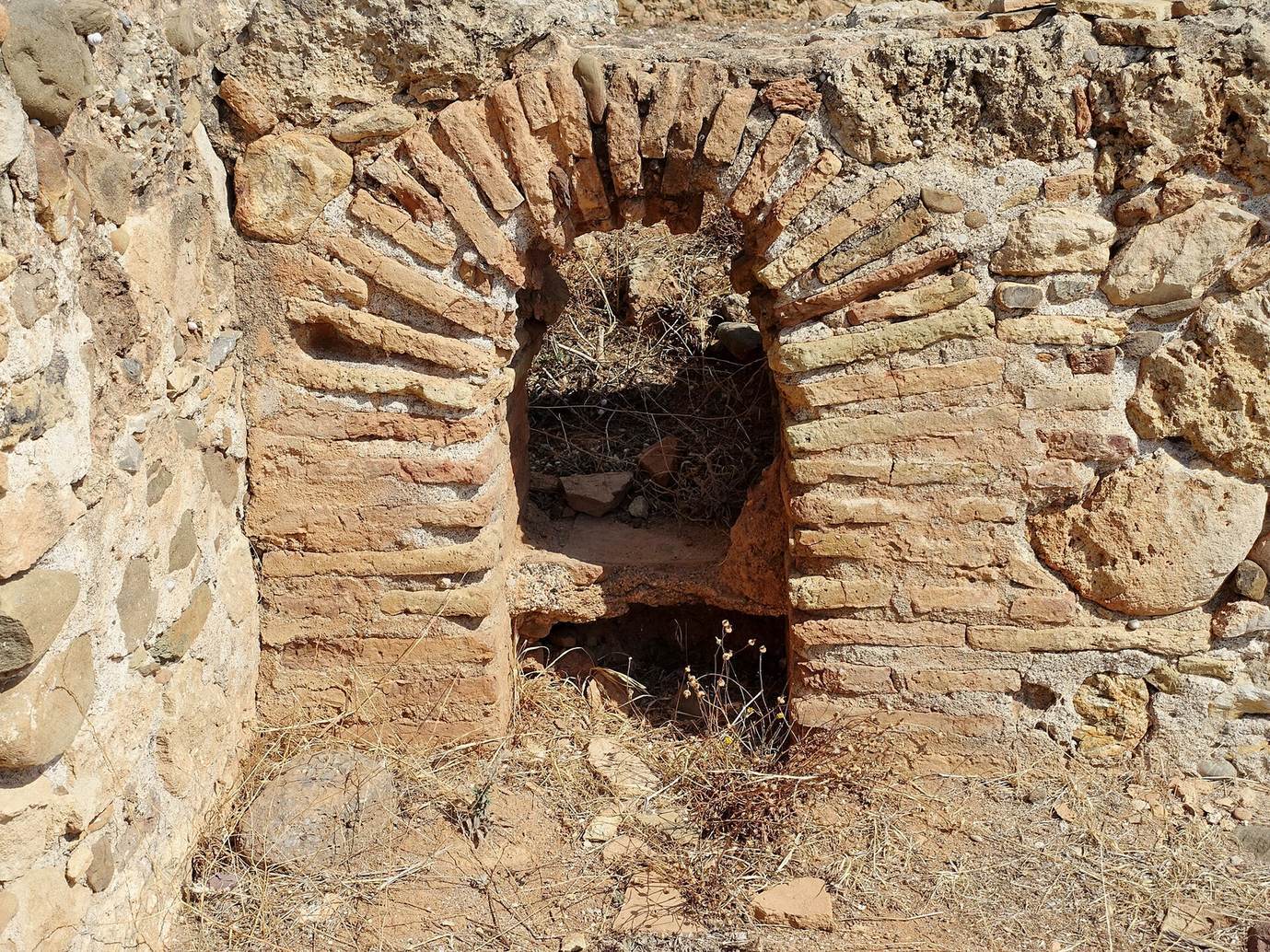
A room within the villa contained a burial chamber set into the floor. Other surviving structural remains include foundation walls with a brick arch. An oversized marble head of Hadrian, Roman emperor from AD 117 to 138, was recovered at the site and is now held by the Archaeological Museum of Sitia, inventory number 9003.