Tomb of Homer: A Greek Cenotaph and Literary Memorial
Site at a Glance
- Popularity
- Very Low
- Country
- Greece
- Primary era
- Iron Age
- Eras represented
- Iron Age
- Civilizations
- Unclassified
- Site type
- Burial
- Remains
- Tomb
On this page5 sections
History
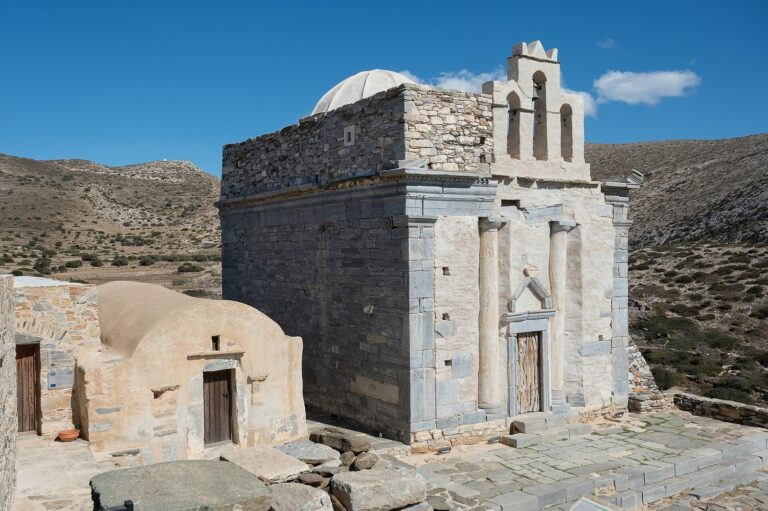
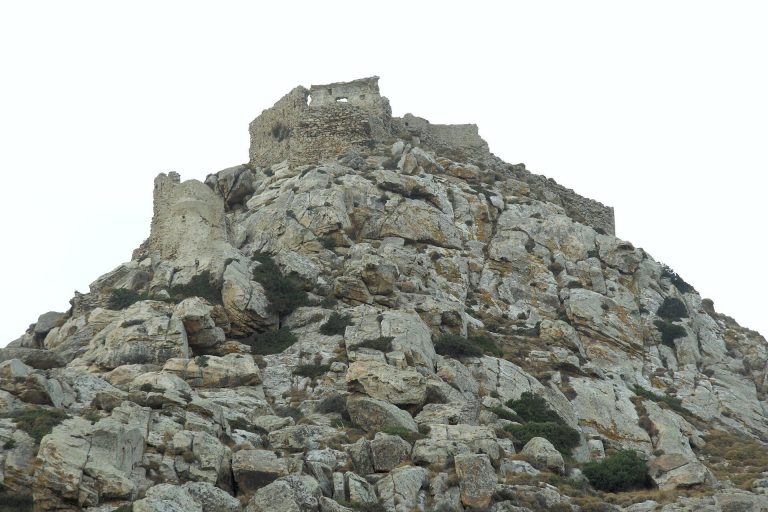
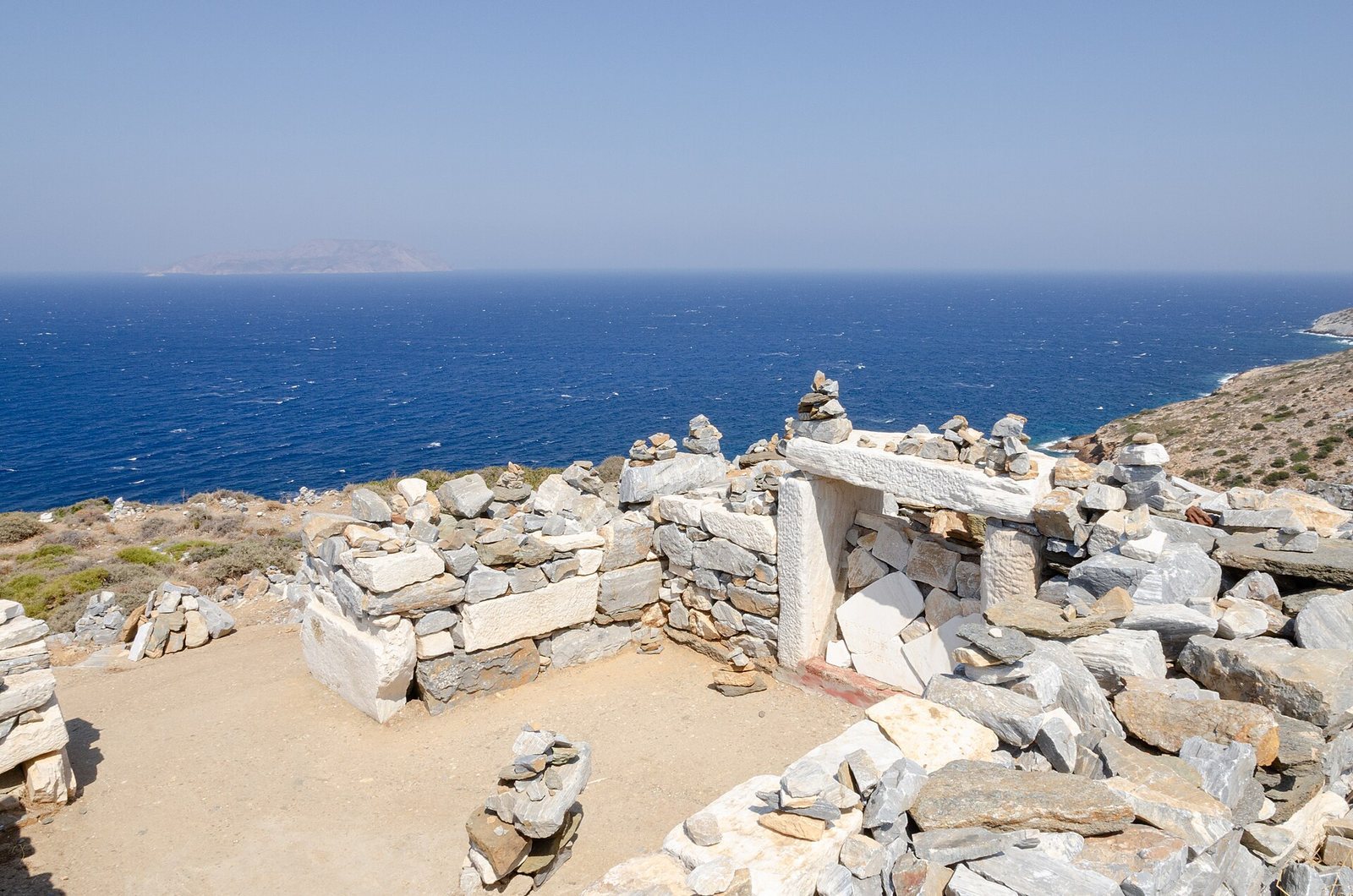
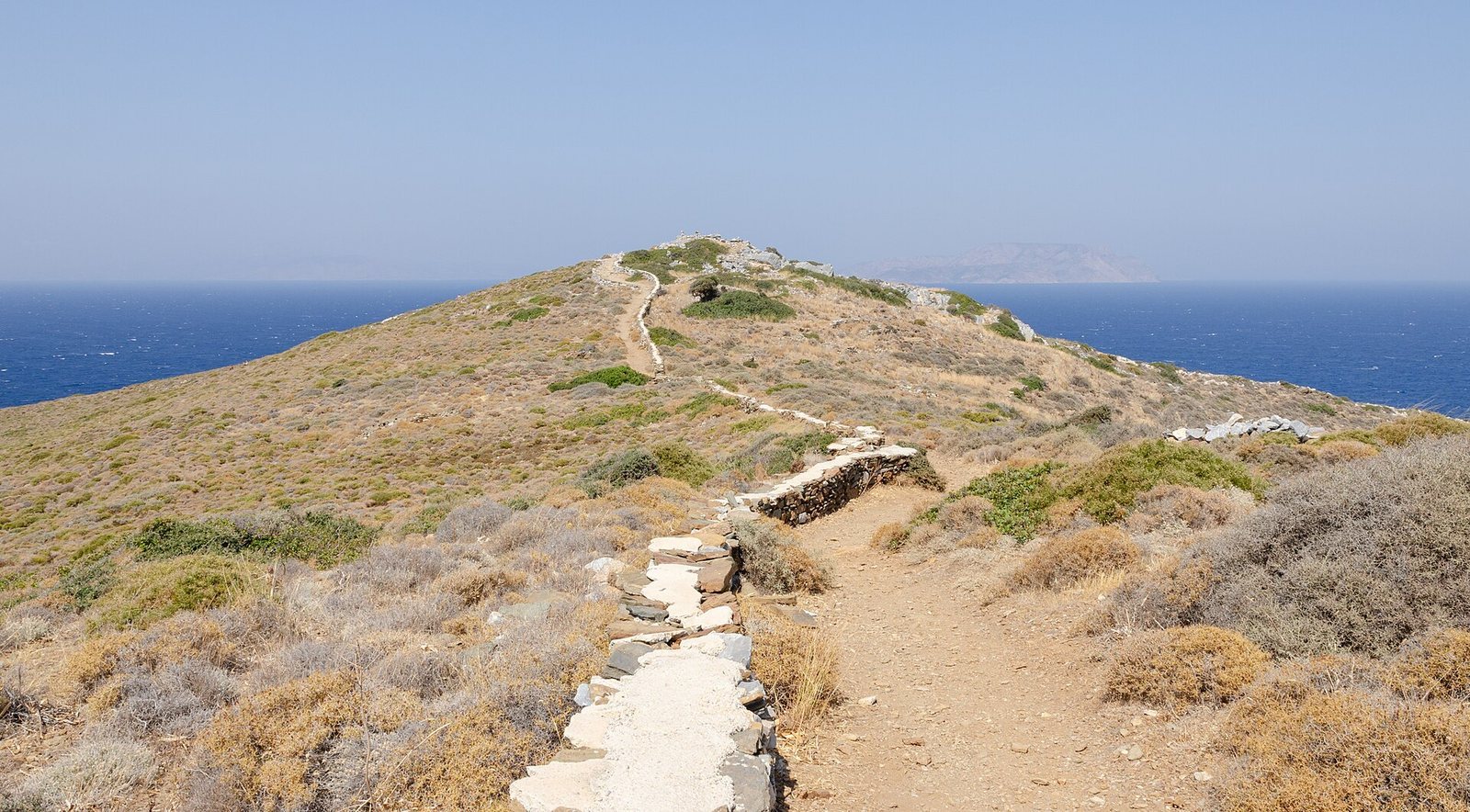
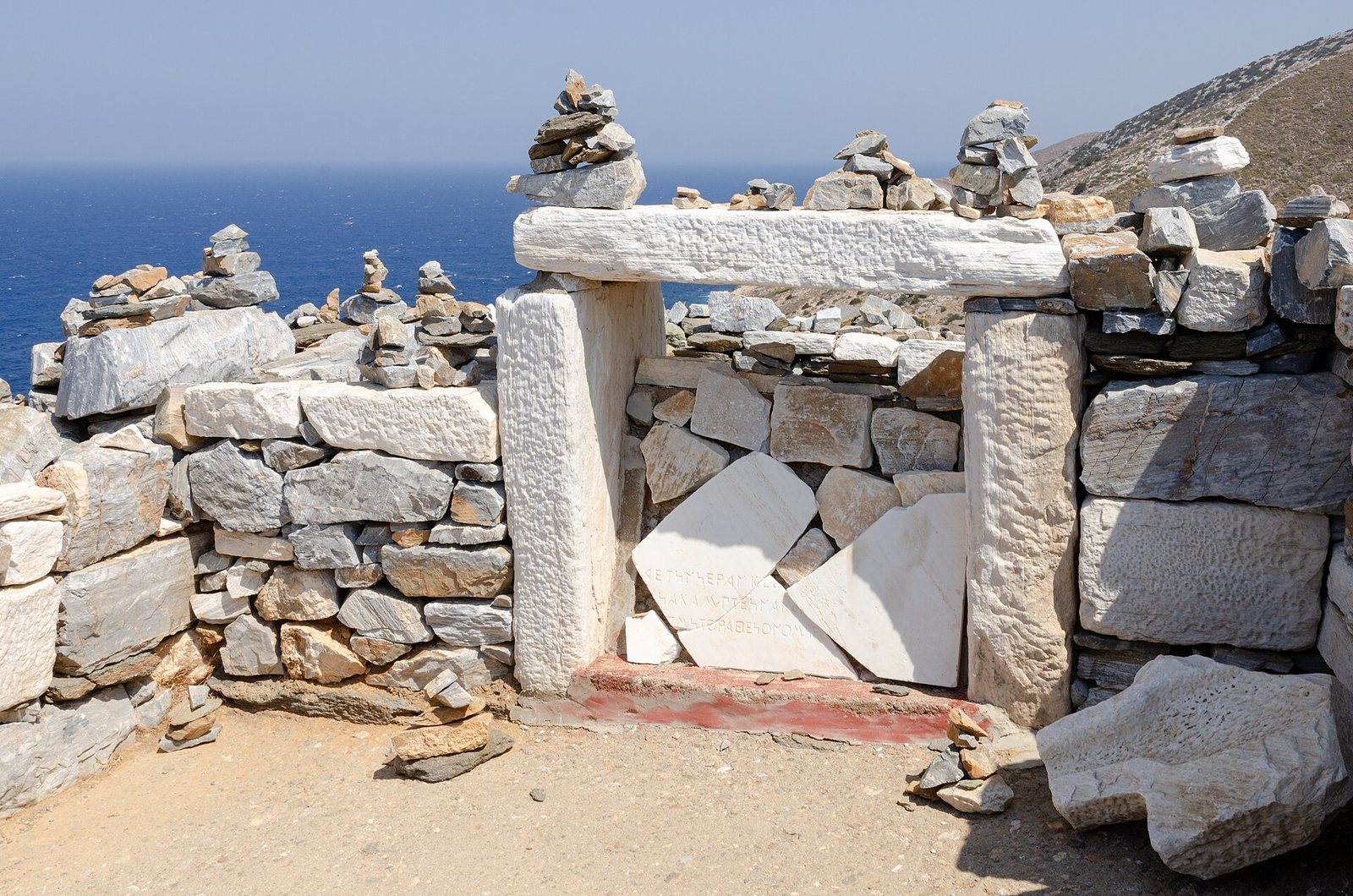
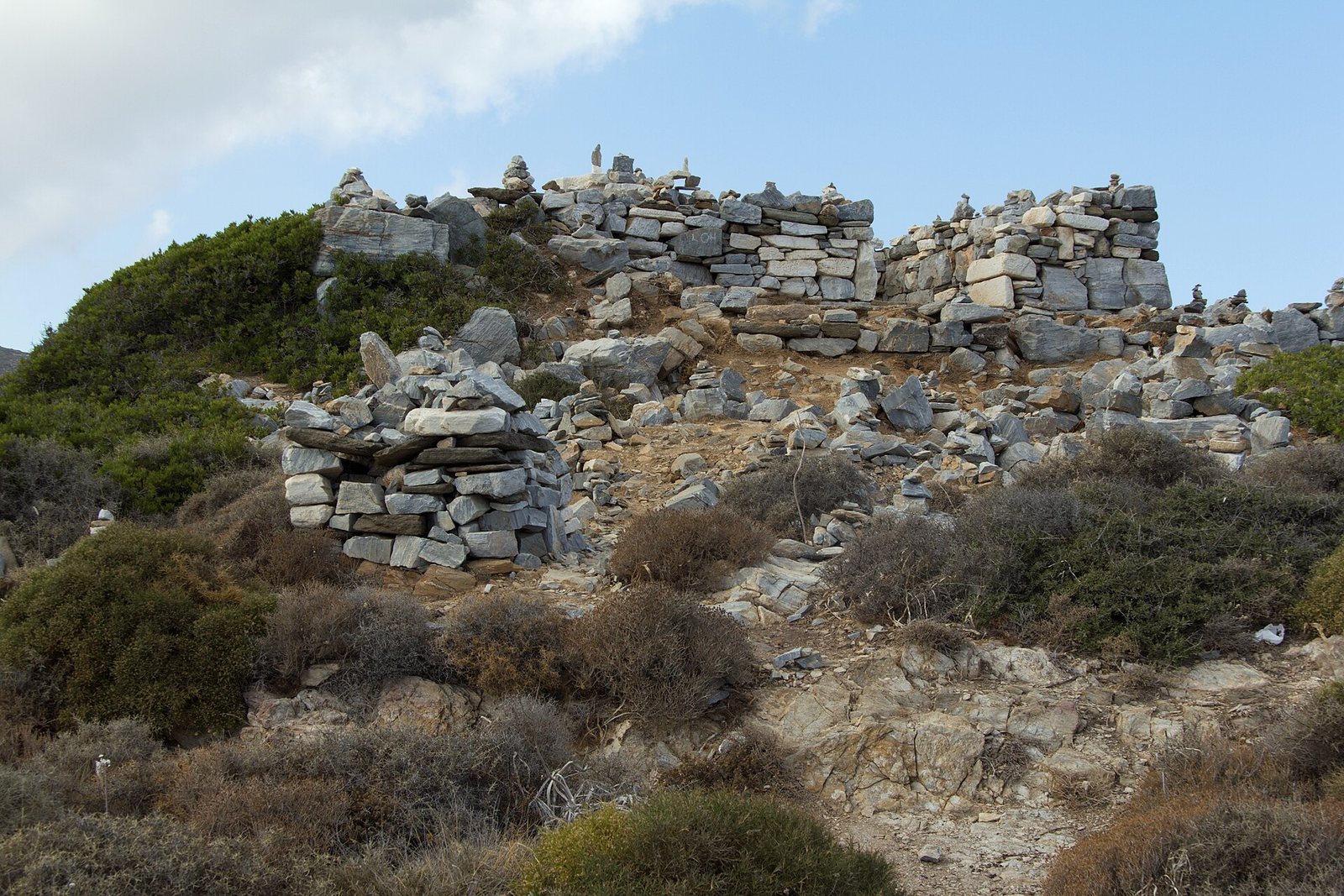
The Tomb of Homer is a ruined cenotaph, a memorial tomb for someone whose remains are elsewhere or absent, on an isolated cliff at the northern end of Ios, Greece. Its construction is dated to 1100–900 BCE, and it is described as being in an ancient Greek architectural style.
The monument is attributed to Homer’s presumed burial place. Homer, the traditional name associated with the Iliad and the Odyssey, was thought to have lived in the eighth century BCE. Clymene, said to have come from Ios, was named in tradition as his mother. Several ancient writers referred to the site.
Local oral tradition places Homer’s death at Gialos harbor in Chora. The site is now a literary memorial associated with the Homeric Question, the debate over who composed the Iliad and the Odyssey, works regarded as among the earliest in Western literature.
Remains
Memorial features
The remains include a cliffside cenotaph and a separate bronze bust at Gialos harbor. The cenotaph stands about 12 km from Chora, the island’s capital. Marble and dressed stone are identified as its building materials.
Cliffside cenotaph
The ruined memorial occupies an isolated cliff overlooking the Aegean Sea at Ios’s northern end. Marble plaques associated with it bear an epitaph describing the earth as covering Homer’s sacred head. Its wording was inspired by Description of Greece, a work by Pausanias, a second-century Greek geographer and writer who recorded places and traditions.
Gialos harbor bust
A bronze bust of Homer stands at Gialos harbor and has developed a green patina. Marble plaques associated with the bust also carry the epitaph linking Homer’s memory with the earth.