Sanctuary of Demeter (Ancient Dion): A Greek Religious Complex
Site at a Glance
- Popularity
- Very Low
- Country
- Greece
- Primary era
- Iron Age
- Eras represented
- Iron Age, Classical
- Civilizations
- Kingdom of Macedon
- Site type
- Religious
- Remains
- Sanctuary
On this page12 sections
History
The Sanctuary of Demeter at Ancient Dion in Greece was a Greek sacred precinct whose earliest known phase dates to the sixth century BCE. It was among Dion’s oldest and most important sanctuaries, the earliest known sanctuary in Macedonia, and one of northern Greece’s oldest places of worship dedicated to Demeter.
Foundation and worship
The sanctuary’s buildings underwent renewal across the Archaic period, an early phase of Greek history, and the later Imperial period under Roman emperors. Demeter, the Greek goddess of agriculture and fertility, was worshipped with her daughter Kore, another name for Persephone. Rituals included pouring libations, or liquid offerings, at sacred springs, making offerings, and sacrificing at altars. Smaller shrines also received offerings for underworld deities.
Roman rule and late antique activity
The sanctuary remained in use until the fourth century CE. During Roman rule its importance declined and its area contracted. By the Late Empire, a later phase of the Roman Empire, the sanctuary occupied only the northern part of its grounds. Pottery workshops, including kilns for firing vessels, also operated in the area during Late Antiquity, the later Roman centuries and the transition toward the early medieval period.
Remains
Setting and layout
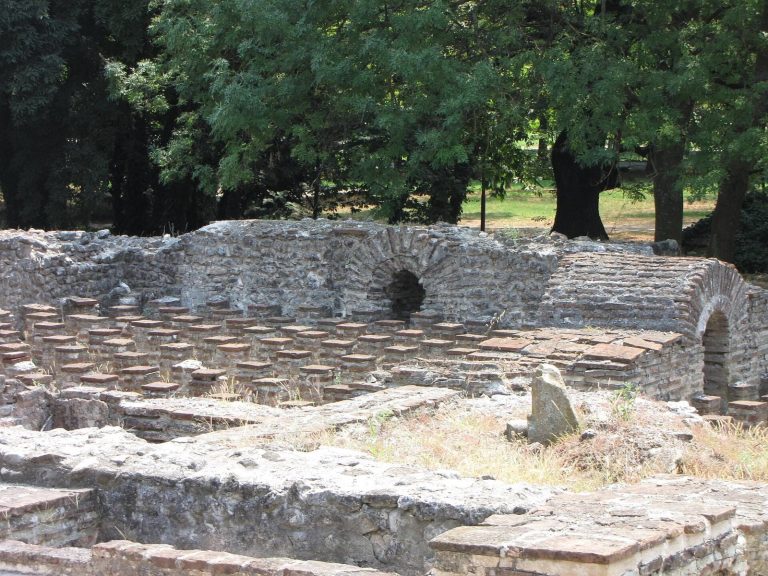
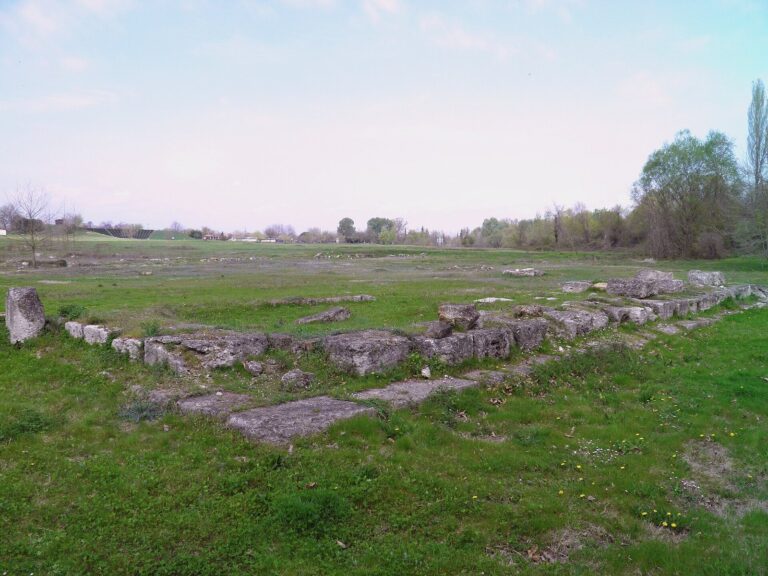
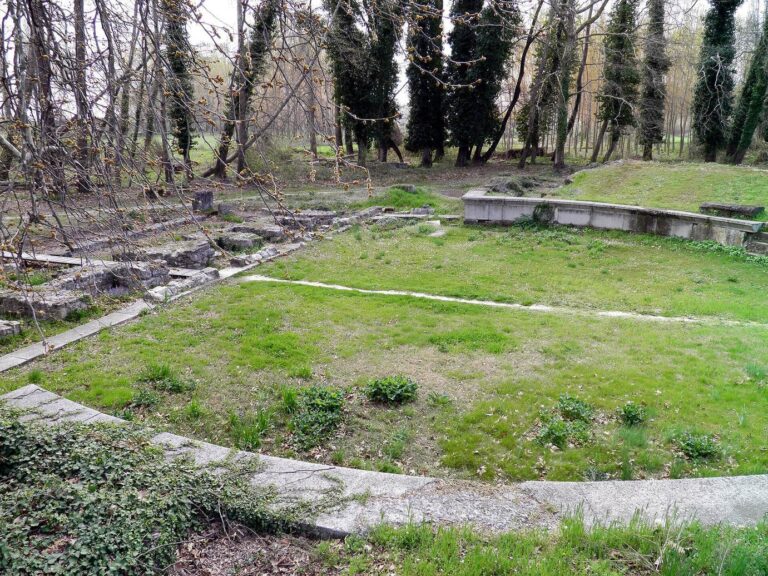
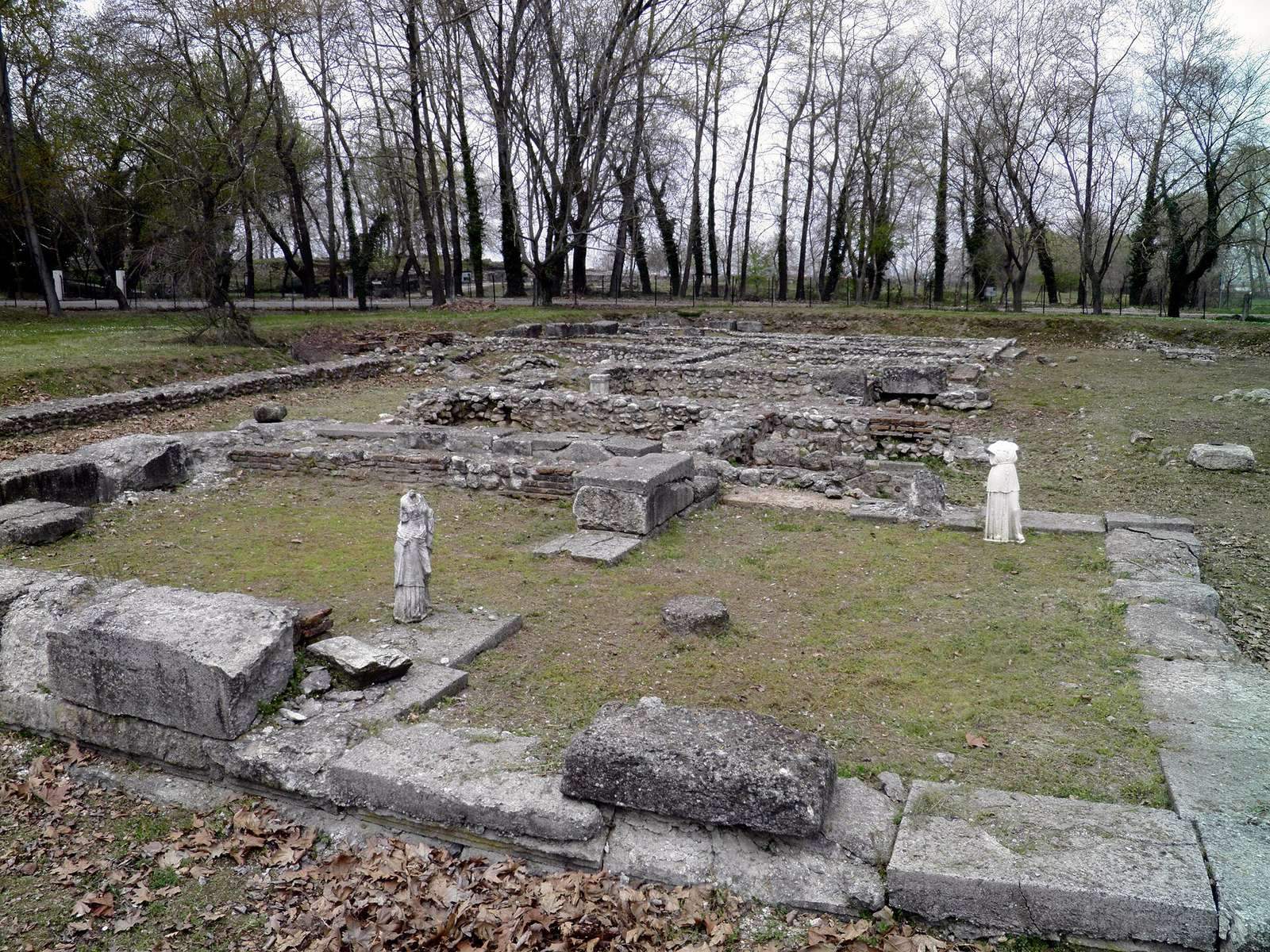
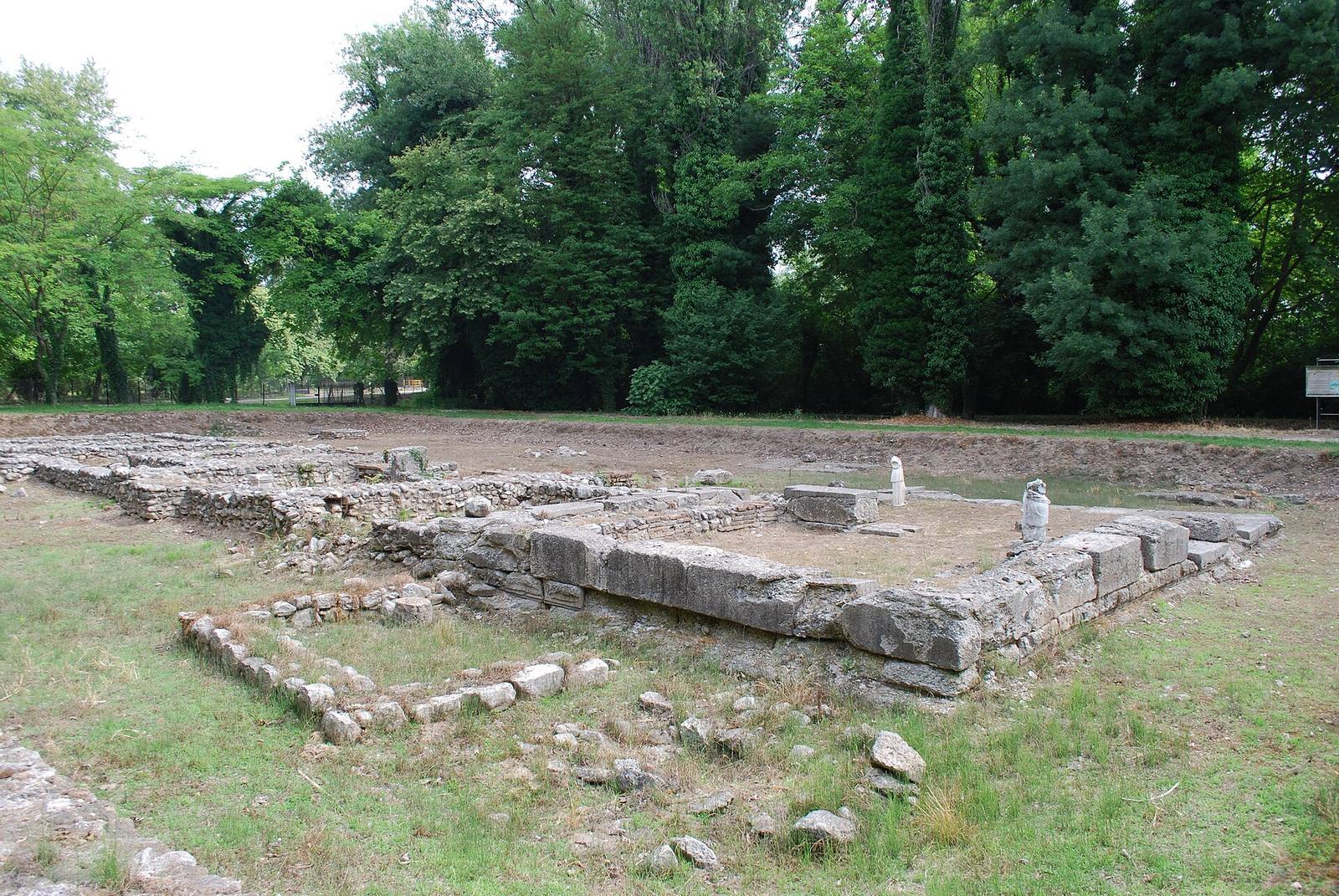
The sanctuary stood outside Dion’s southern city wall, at the end of the main street and just to the left of the south gate. Its later layout included two paired buildings facing east, each measuring 11 by 7 metres. Sacred springs lay in the eastern part of the precinct. The sanctuaries of Zeus Hypsistos, meaning Zeus Most High, and Isis, an Egyptian goddess whose worship spread beyond Egypt, stood to its east.
Archaic temples
Two temples built in the late sixth century BCE had plans resembling a megaron, a large principal hall found in ancient Greek and Mycenaean buildings. Their builders used dressed stone and mudbrick. The foundations remain visible behind the later buildings, near the springs in the eastern part of the sanctuary. Wooden benches inside the temples held worshippers’ offerings.
Later temples and smaller shrines
Doric temples
In the late fourth century BCE, the earlier temples were replaced by a pair dedicated to Demeter and Kore. They were built in the Doric order, one of the principal styles of ancient Greek architecture. Bases for cult statues, images of deities used in worship, survive inside the buildings, while sacrificial altars stood in the sanctuary’s eastern part.
Small shrines
Single-room shrines stood around the two main temples. Dating to the Classical period, which followed the Archaic age, and the Hellenistic period after Alexander the Great’s conquests, they honored fertility deities including Aphrodite, a Greek goddess associated with love and fertility; Baubo, a figure in the myth of Demeter and Persephone; and Kourotrofos, a title meaning child-nurturer. The shrines contained statues, and stone altar tables stood in front of them.
Votive sculpture and objects
Sculpture
Votive sculptures, images dedicated as offerings to deities, include fragments associated with Demeter, Kore, and Aphrodite. A marble head of Demeter, dated to the late fourth century BCE, probably came from the goddess’s cult statue. Holes at the crown and ears held a diadem and earrings. Other finds include a fourth-century BCE statue of a girl wearing a peplos, a draped garment worn by women in ancient Greece; a statue of a woman from the third century BCE; an Aphrodite statue from the second century BCE; and a head of Aphrodite dated to the first century. Sculptures from the sanctuary are held at the Dion Archaeological Museum.
Other offerings
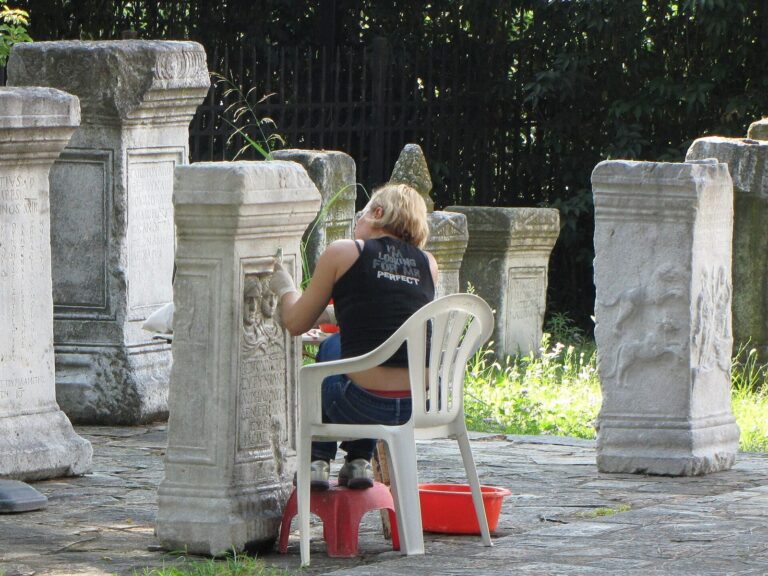
Other excavated offerings include clay figurines, most often showing women carrying water jars, along with small clay vessels attached to rings, water jugs, lamps, and jewelry. A dedicatory inscription from the sanctuary bears Demeter’s name.