Ilyas Koya Temple: A Fortified Christian Monastery in Crimea
Site at a Glance
- Popularity
- Very Low
- Country
- Ukraine
- Primary era
- Medieval
- Eras represented
- Medieval
- Civilizations
- Byzantine
- Site type
- Religious
- Remains
- Fortified Monastery
On this page6 sections
History
Medieval monastery and church
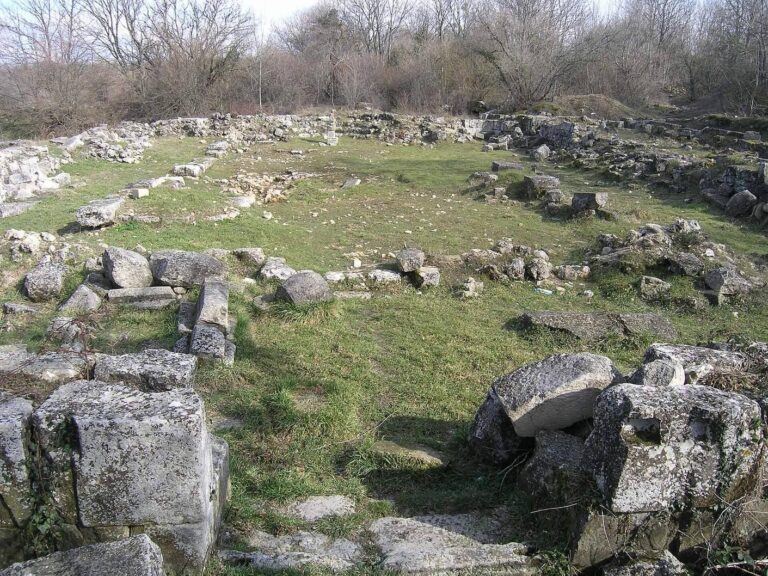
Ilyas Koya temple is a fortified Christian monastery site on the South Coast of Crimea, Ukraine. Archaeologist Oleg Dombrovsky dated its church to the ninth or tenth century, while Viktor Myts placed the monastery’s existence between the tenth and thirteenth centuries. The place-name has been interpreted as suggesting a dedication to Saint Elijah, the biblical prophet revered as a saint in Christianity.
Later references and investigations
Vasily Kondaraki mentioned the ruins in an 1868 article. In 1935, Nikolai Ernst wrote about the chapel ruins and described Ilyas-Kaya as a pilgrimage site. Elena Parshina and Dombrovsky excavated the church in 1966; the following year, an expedition from the Institute of Archaeology of the Academy of Sciences of the Ukrainian SSR worked at the site under Dombrovsky’s direction. Parshina’s group conducted research in the Laspi area in 1976.
Remains
Summit and enclosure
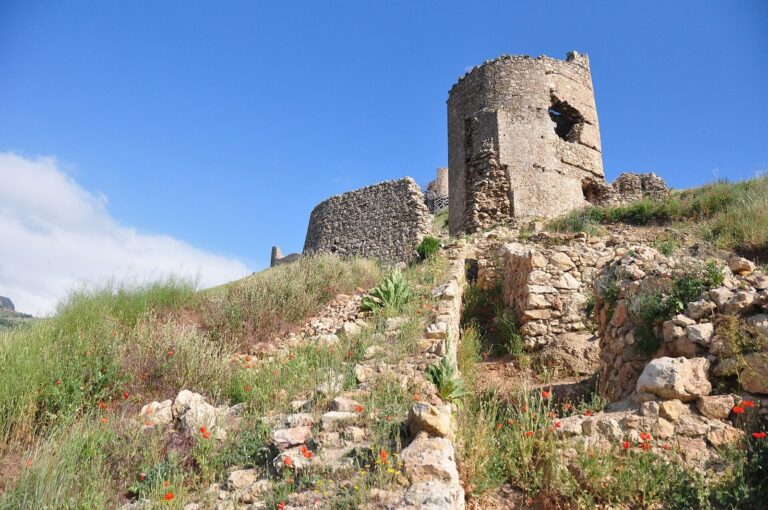
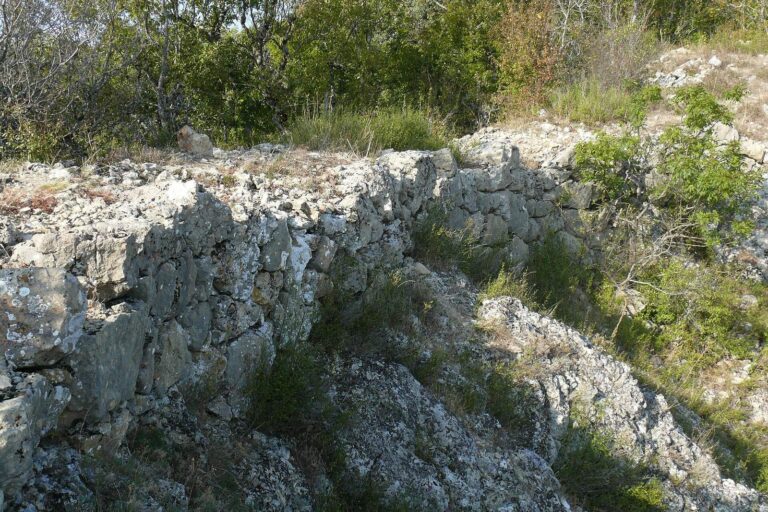
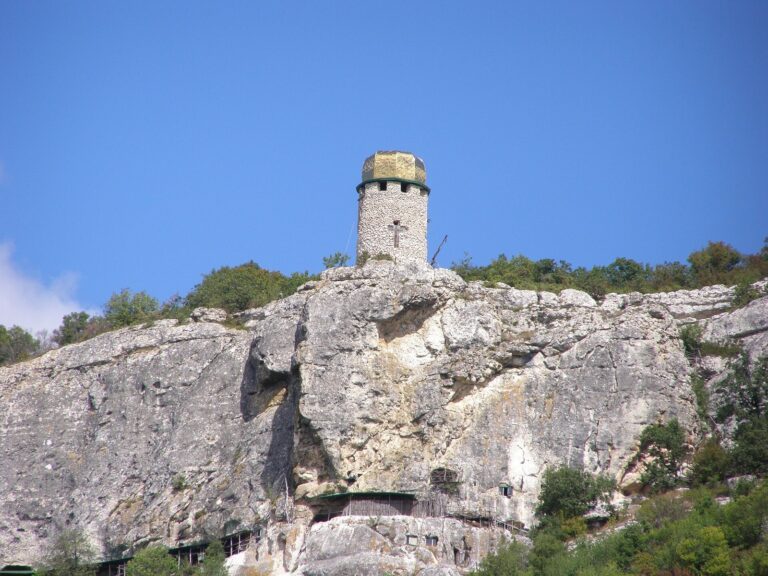
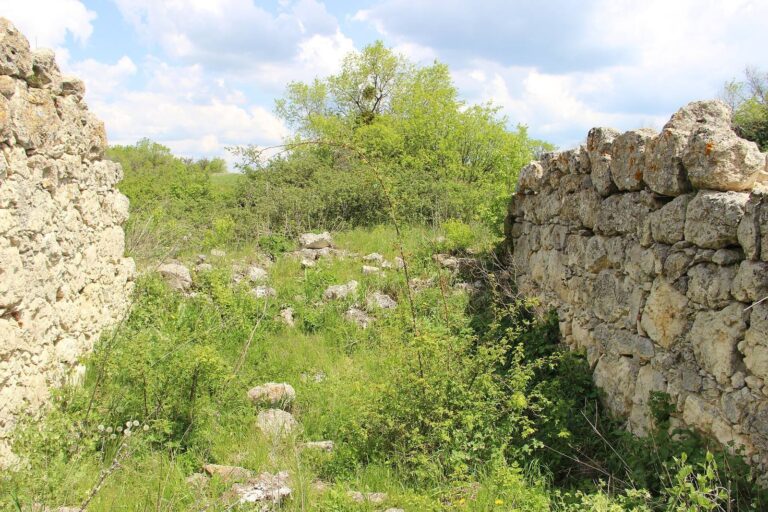
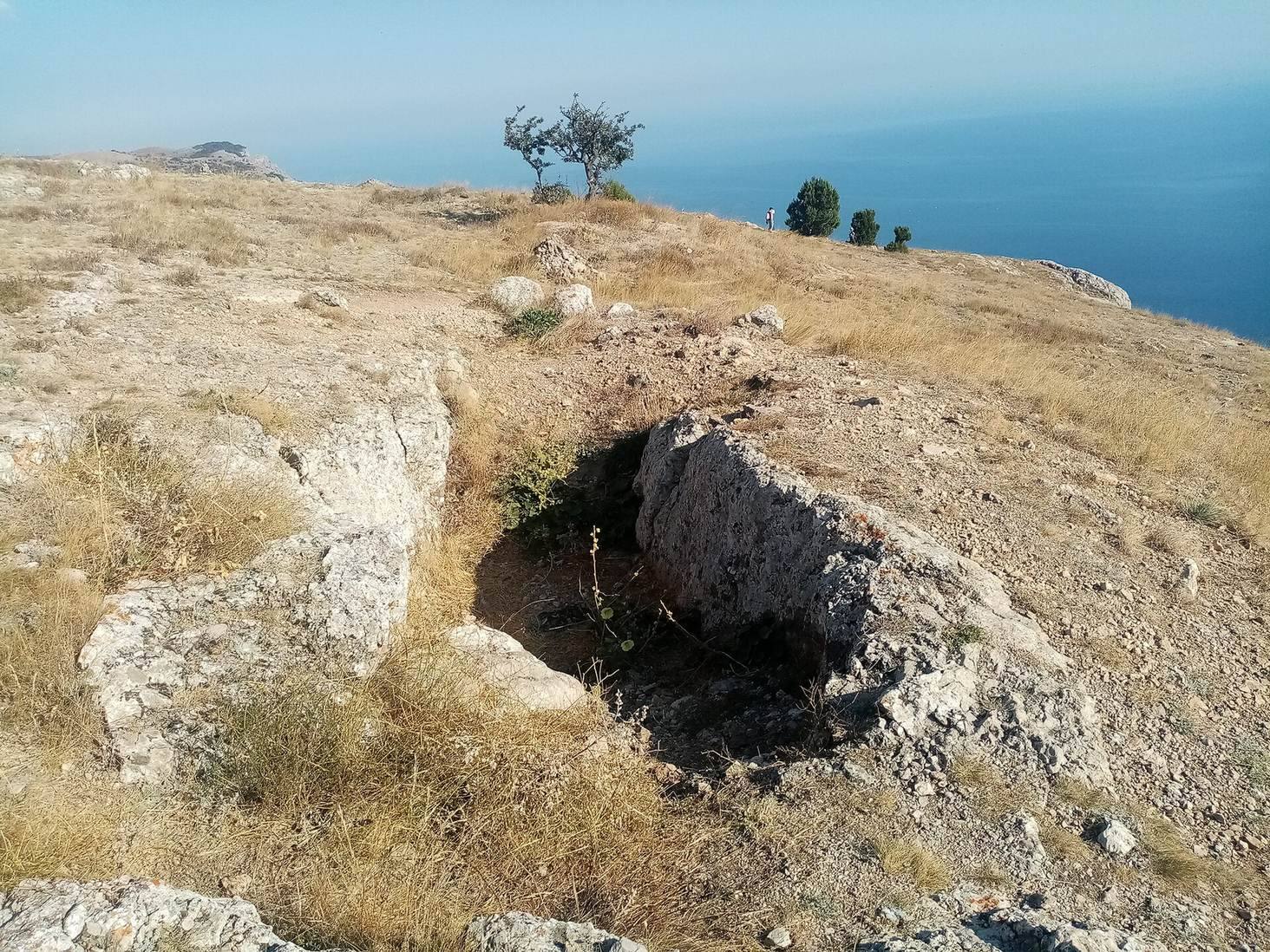
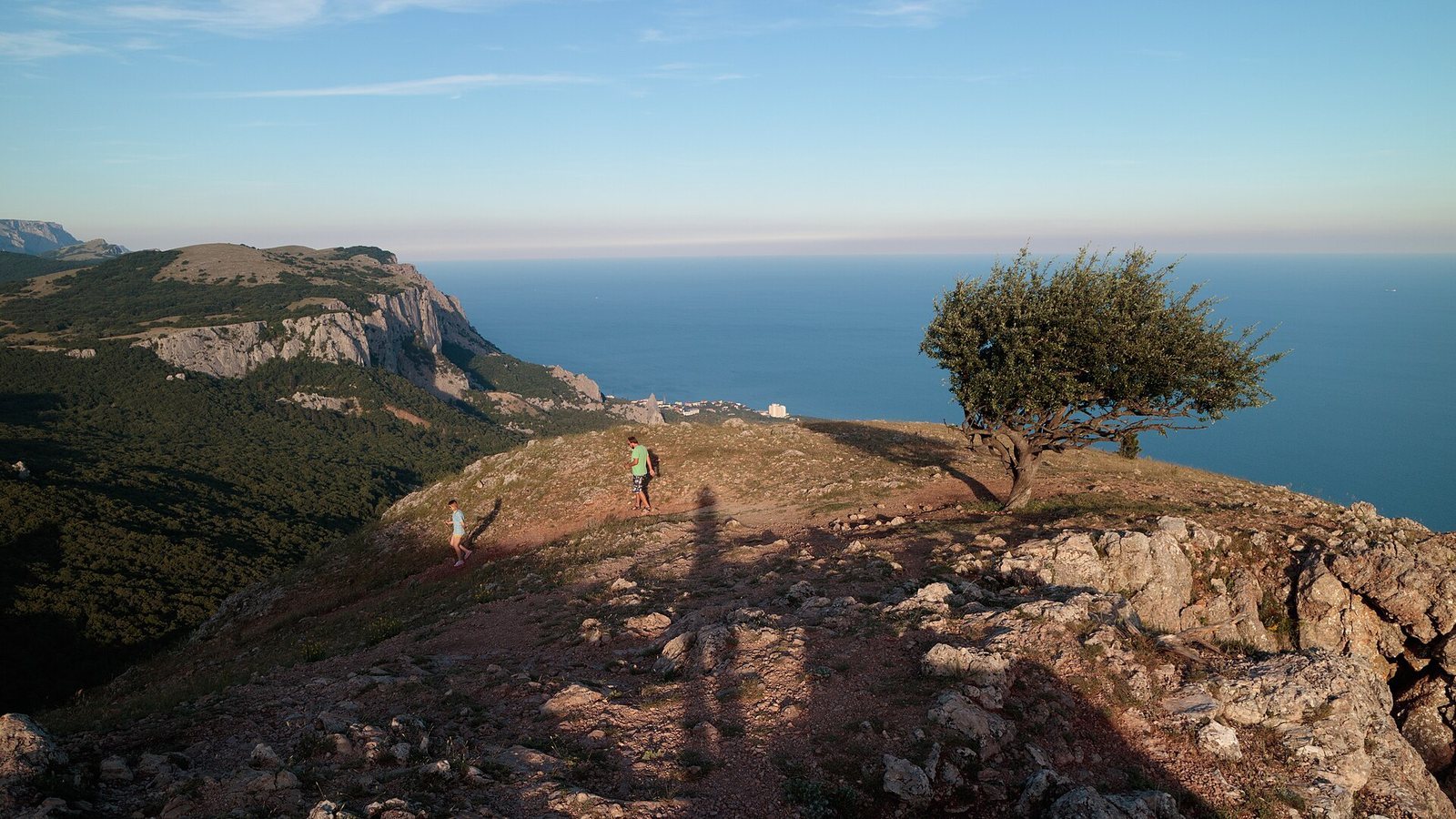
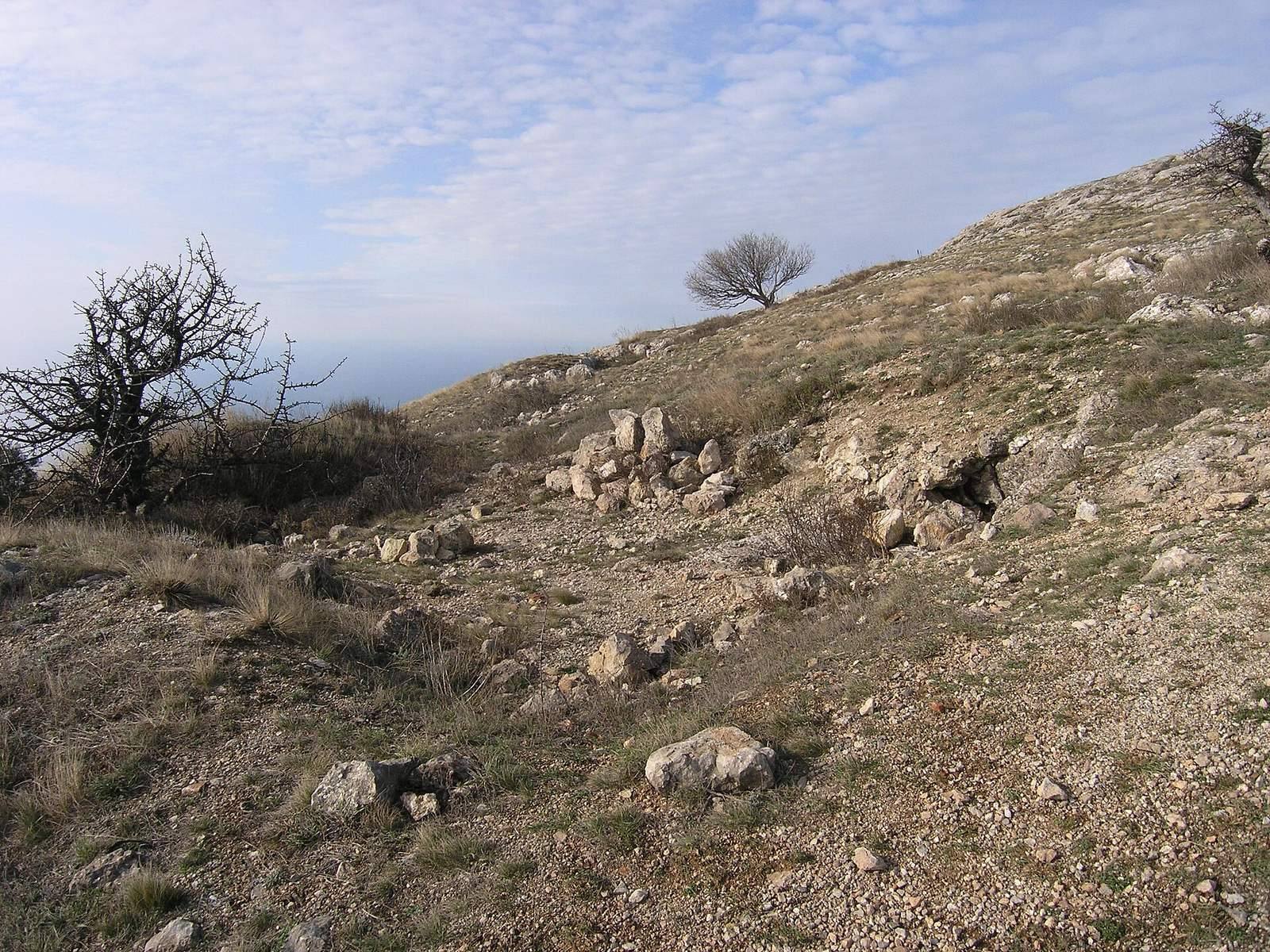
The monastery occupied a rocky summit, with steep terrain restricting ascent to the eastern slope. A rubble-stone wall built with lime mortar enclosed an area of 1.9 hectares. The wall extended for more than 50 metres but is now almost entirely destroyed.
Church
The church measured 4.7 by 9.35 metres externally and 3.5 by 7.3 metres inside. Its rubble-stone walls, built with sand-lime mortar, were 60 to 80 centimetres thick, and the foundations projected beyond them. A one-metre-wide entrance pierced the west wall, while the sanctuary end faced northeast. Within the church, an arched burial recess held 11 burials, and remains of an altar screen survived in the eastern part. The roof was supported by rafters and covered with tiles; stamps on the tiles point to manufacture near Laspi. A column fragment found in 1976 bears an inscription that Andrei Vinogradov proposed dating to the eleventh or twelfth century.