Saint Stanislaus Kostka Church in Barnisław: A 14th-Century Roman Catholic Filial Church
Site at a Glance
- Popularity
- Very Low
- Country
- Poland
- Primary era
- Medieval
- Eras represented
- Medieval, Modern
- Civilizations
- Duchy of Pomerania, Holy Roman Empire, Kingdom of Prussia
- Site type
- Religious
- Remains
- Church
On this page6 sections
History
Saint Stanislaus Kostka Church in Barnisław is a 14th-century Gothic Roman Catholic church in Poland. It serves as a filial church, a local church dependent on the parish of the Holy Trinity in Kołbaskowo.
Medieval foundation and 19th-century alterations
The church was built in the 14th century and substantially altered during the second half of the 19th century.
Dedication and postwar period
The church survived the Second World War without damage. On 14 November 1946, it was consecrated as a Catholic church dedicated to Stanislaus Kostka, a 16th-century Polish novice in the Jesuit order who became a Catholic saint. The saint’s liturgical feast is observed on 18 September.
Remains
Church building
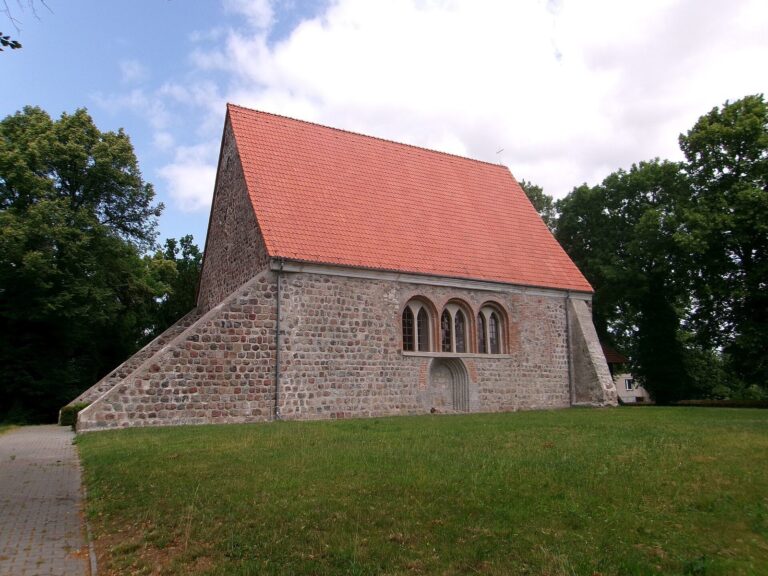
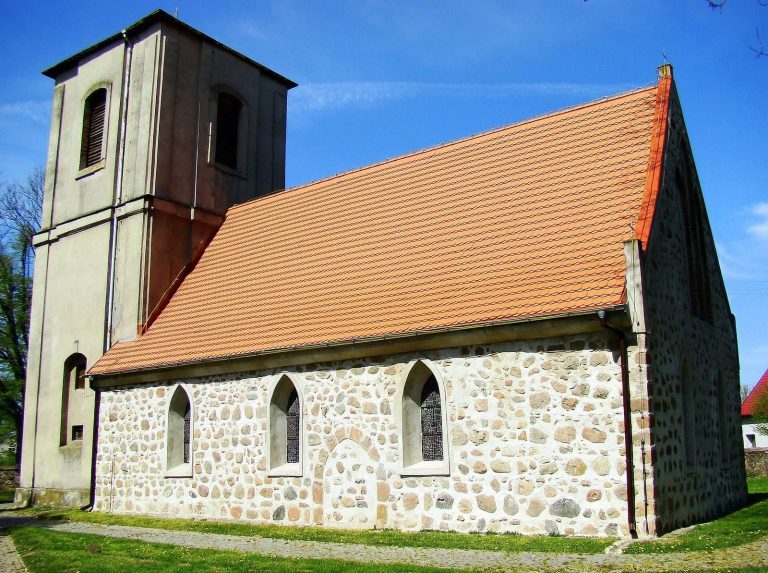
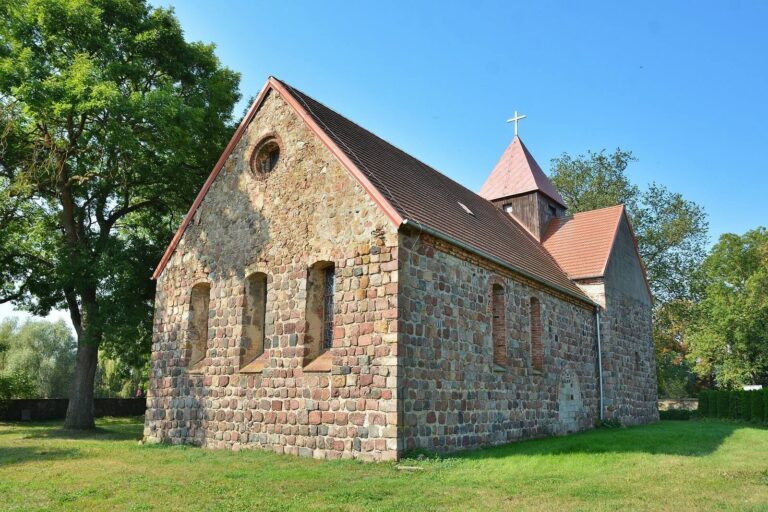
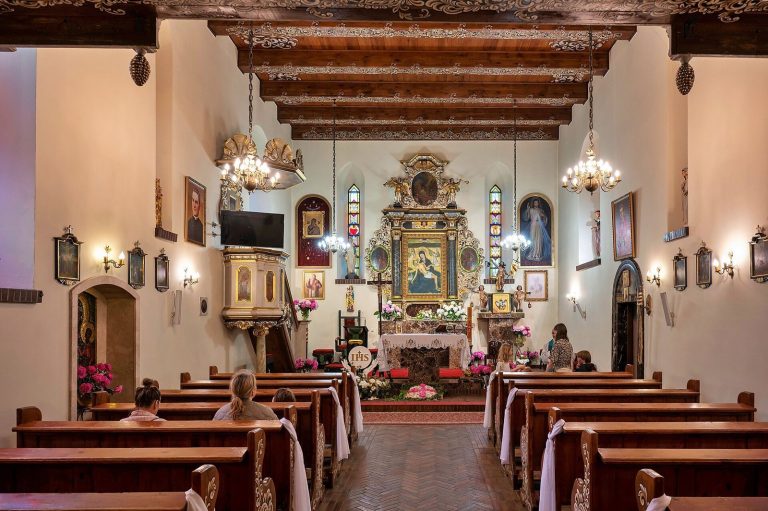
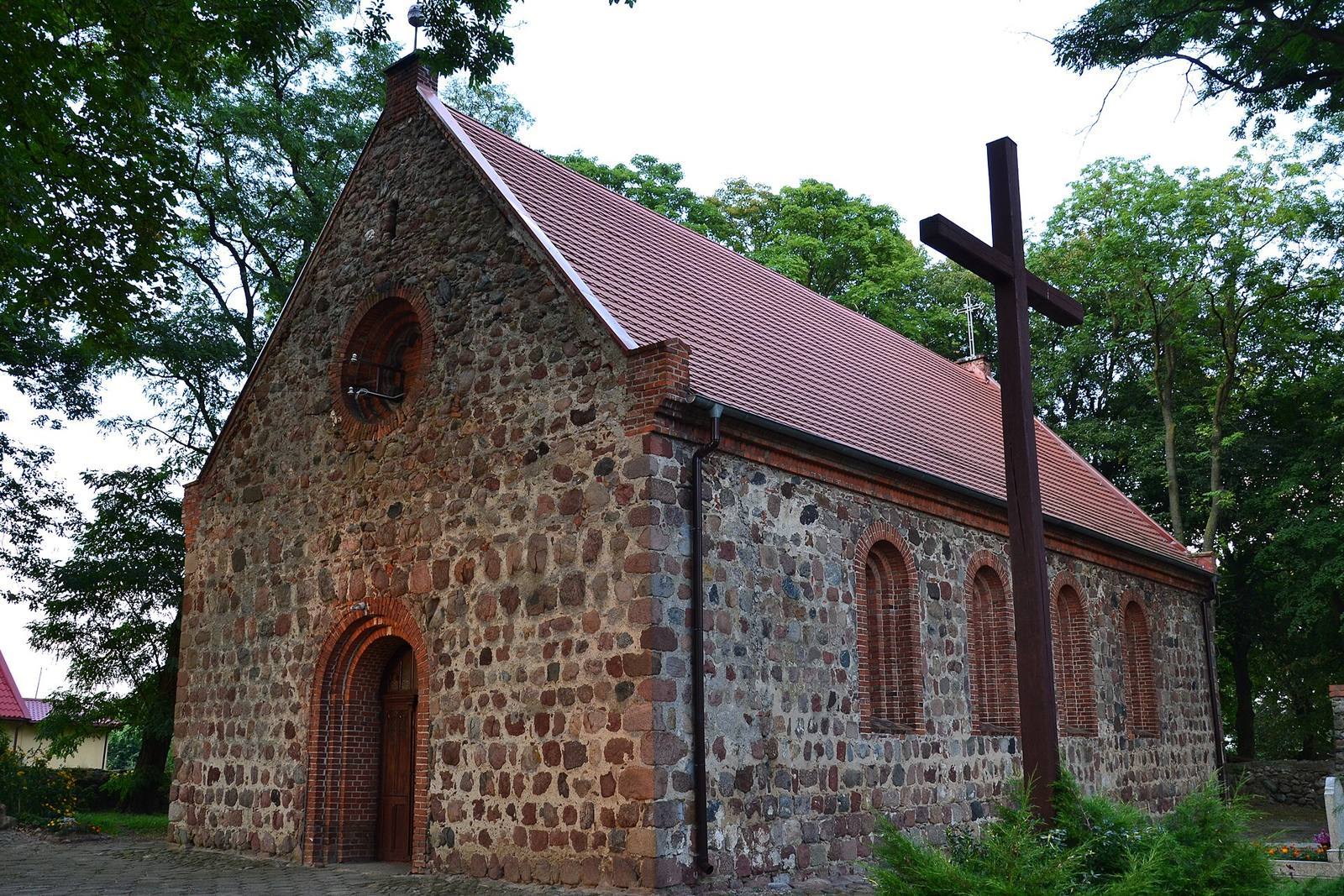
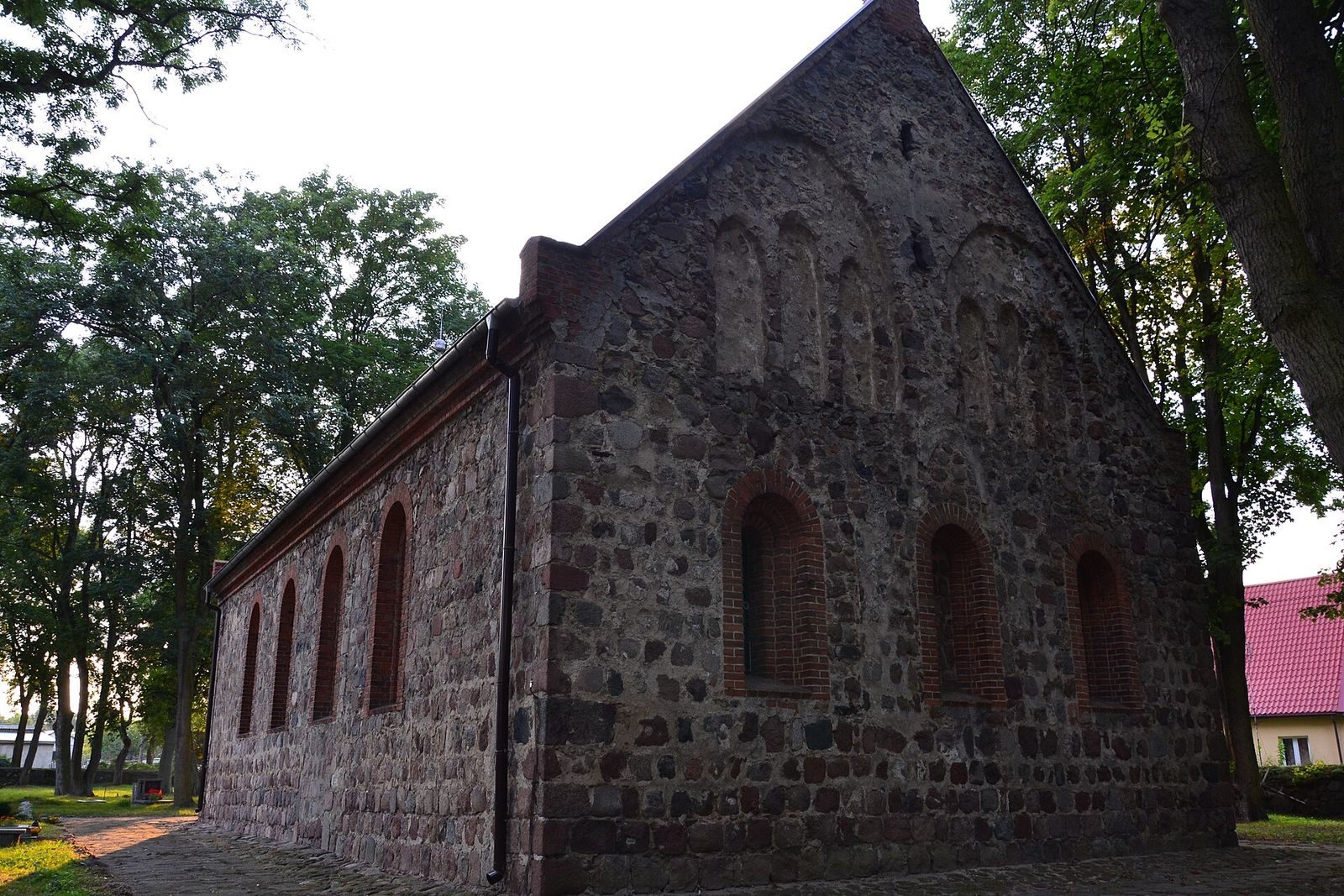
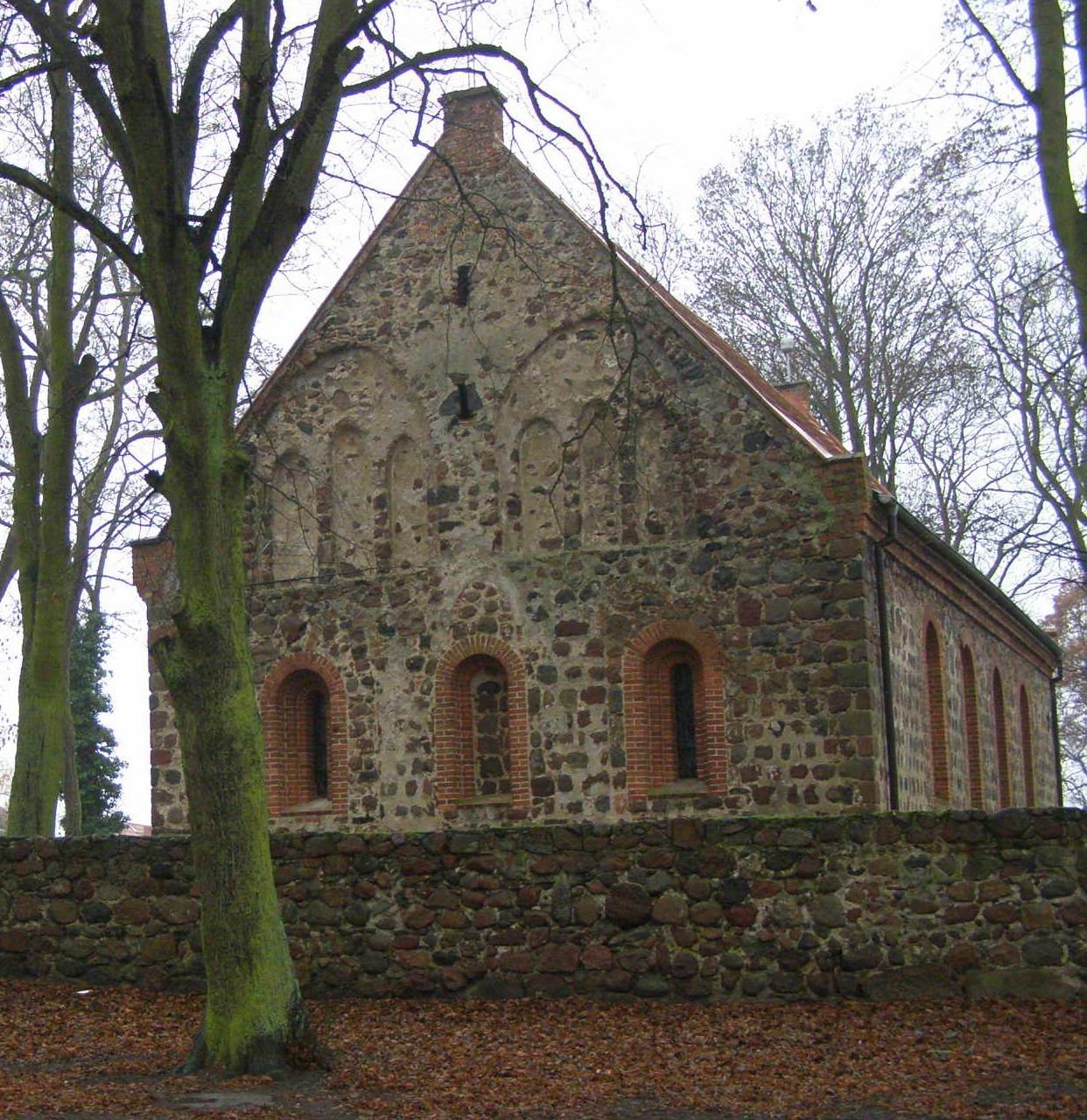
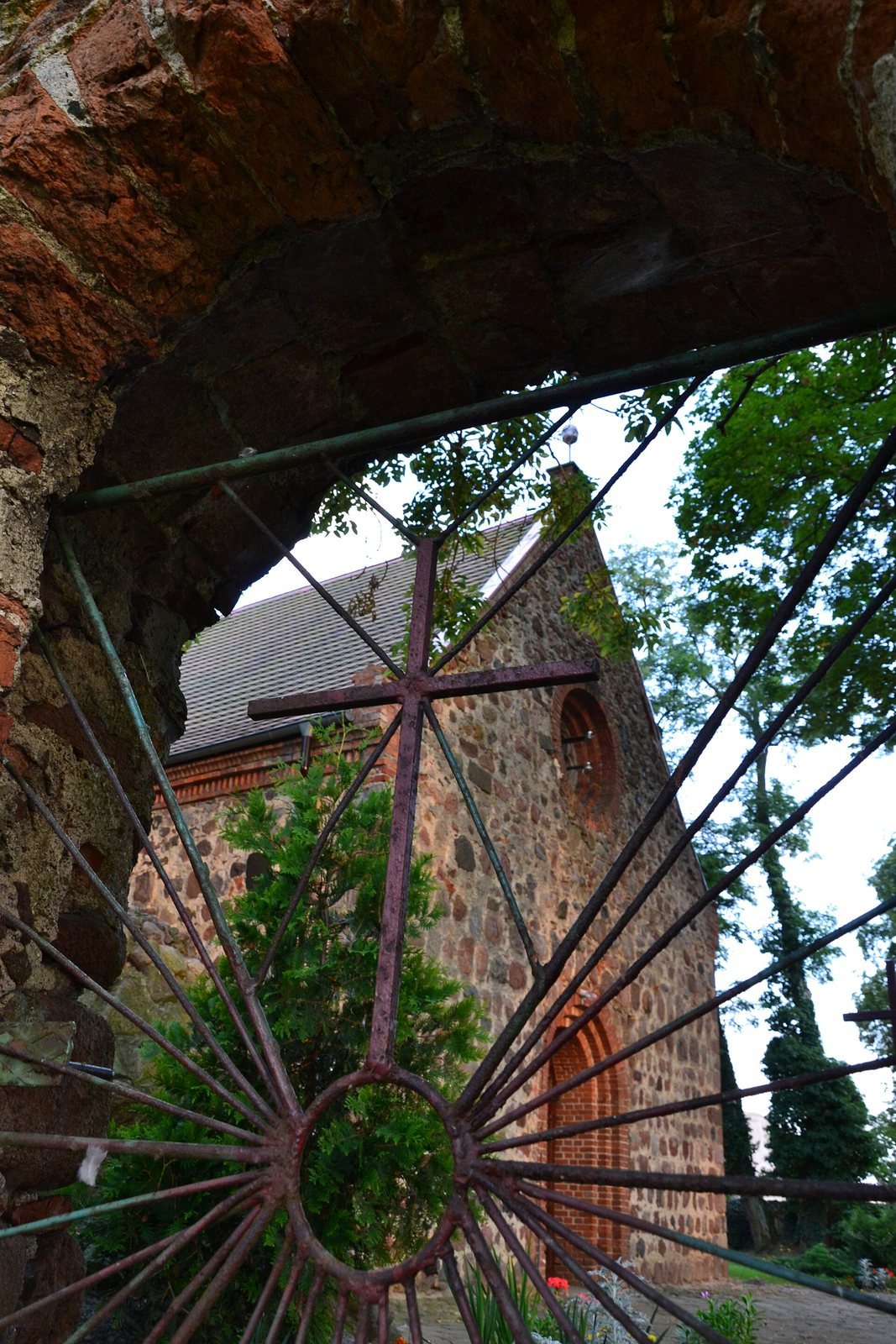
The church is a rectangular, single-hall building measuring 16.8 by 8.4 metres. It is built from cut granite blocks and has a gabled roof. Its eastern end has a Gothic gable with two blind panels, decorative recesses arranged in a gallery-like band. A pointed-arch window in the east facade was blocked during the 19th-century alterations, when new windows with brick surrounds were also opened. Stained-glass windows were installed in the eastern windows after 1945. At the west end, a brick rose window sits above an entrance framed by stepped decorative brickwork. The interior walls were painted after 1945. The ceiling and floor were probably replaced in the 19th century, when a western gallery and benches were also probably added.
Cemetery and boundary wall
A medieval cemetery covering 0.2 hectares adjoins the church. A fieldstone wall dating from the second half of the 15th century encloses it. The wall’s northern section contains a late-Gothic pedestrian gate, with a passage beneath a tiled roof spanned by a shallow arch. A separate entrance gate is on the eastern side.