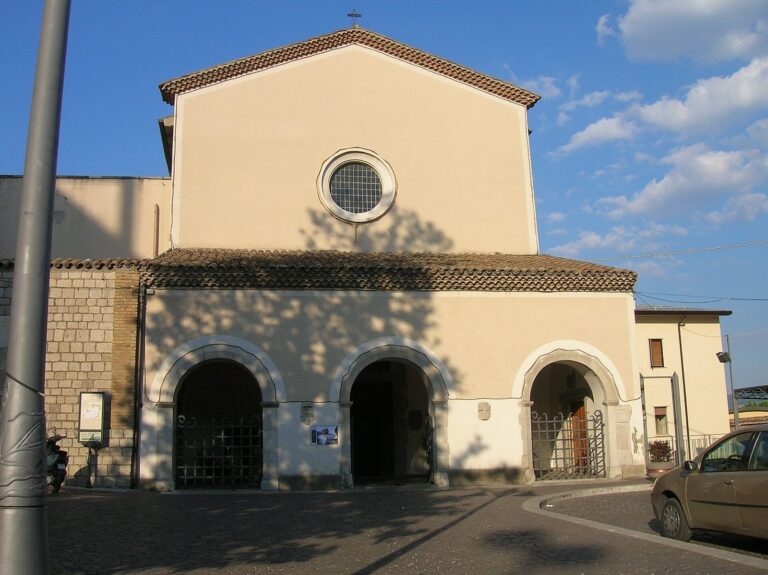
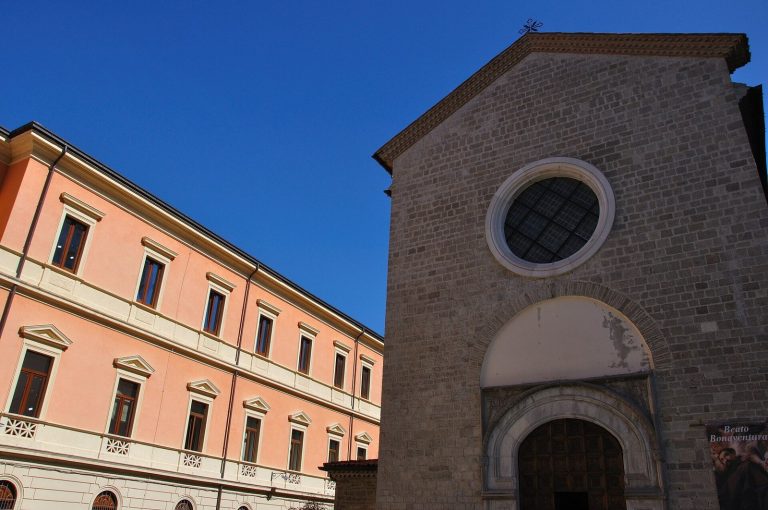
San Rocco Church: A Roman Catholic Church in Potenza, Italy
Site at a Glance
- Popularity
- Very Low
- Country
- Italy
- Primary era
- Modern
- Eras represented
- Classical, Medieval, Modern
- Civilizations
- Italian, Kingdom of Naples, Kingdom of the Two Sicilies, Roman
- Site type
- Religious
- Remains
- Church
On this page12 sections
History
San Rocco Church is a Roman Catholic church in Potenza, Italy, dedicated to Saint Roch, who is traditionally invoked in connection with plague. The present building, begun in 1860, has an eclectic architectural character and a neoclassical façade. It serves the old San Rocco district, which developed south of Potenza’s historic center, and belongs to the Archdiocese of Potenza-Muro Lucano-Marsico Nuovo.
Chapel and confraternity
A chapel was built on the site sometime between 1400 and 1500, following an outbreak known as the “gland plague.” A confraternity formed in connection with the chapel. In 1789, Ferdinand IV, a Bourbon king of Naples, formally recognized the confraternity.
Replacement church and continuing use
Neglect caused the chapel to deteriorate, and it collapsed in 1832. The confraternity began building a replacement church in 1860, with engineer Vincenzo Marocco coordinating the work. Construction continued over subsequent decades.
The church later closed for an extended restoration, partly in response to earthquakes in Basilicata. It reopened for worship after two years, with financial support from local residents. A feast for Saint Roch is held at the church each year on August 16.
Remains
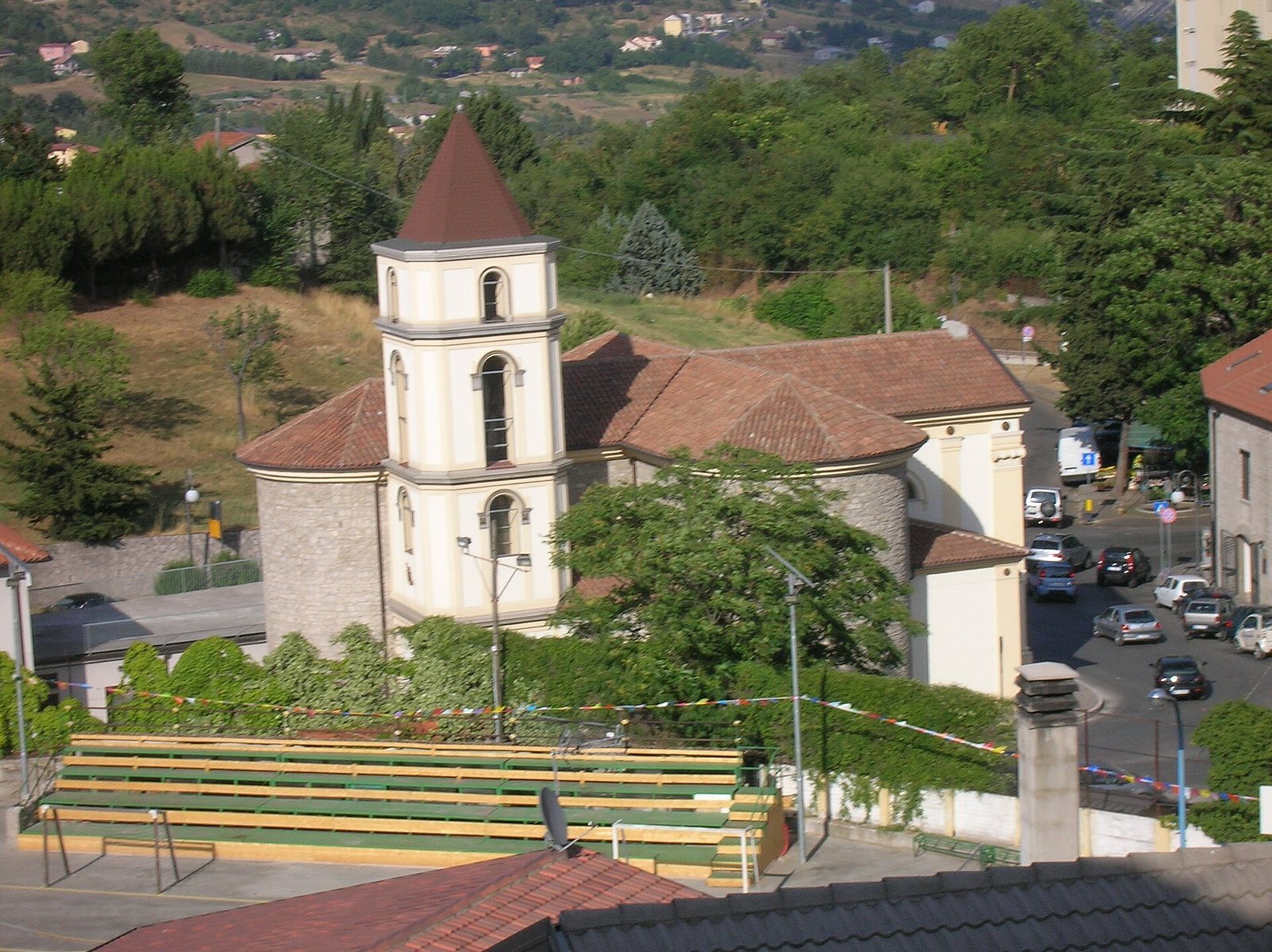
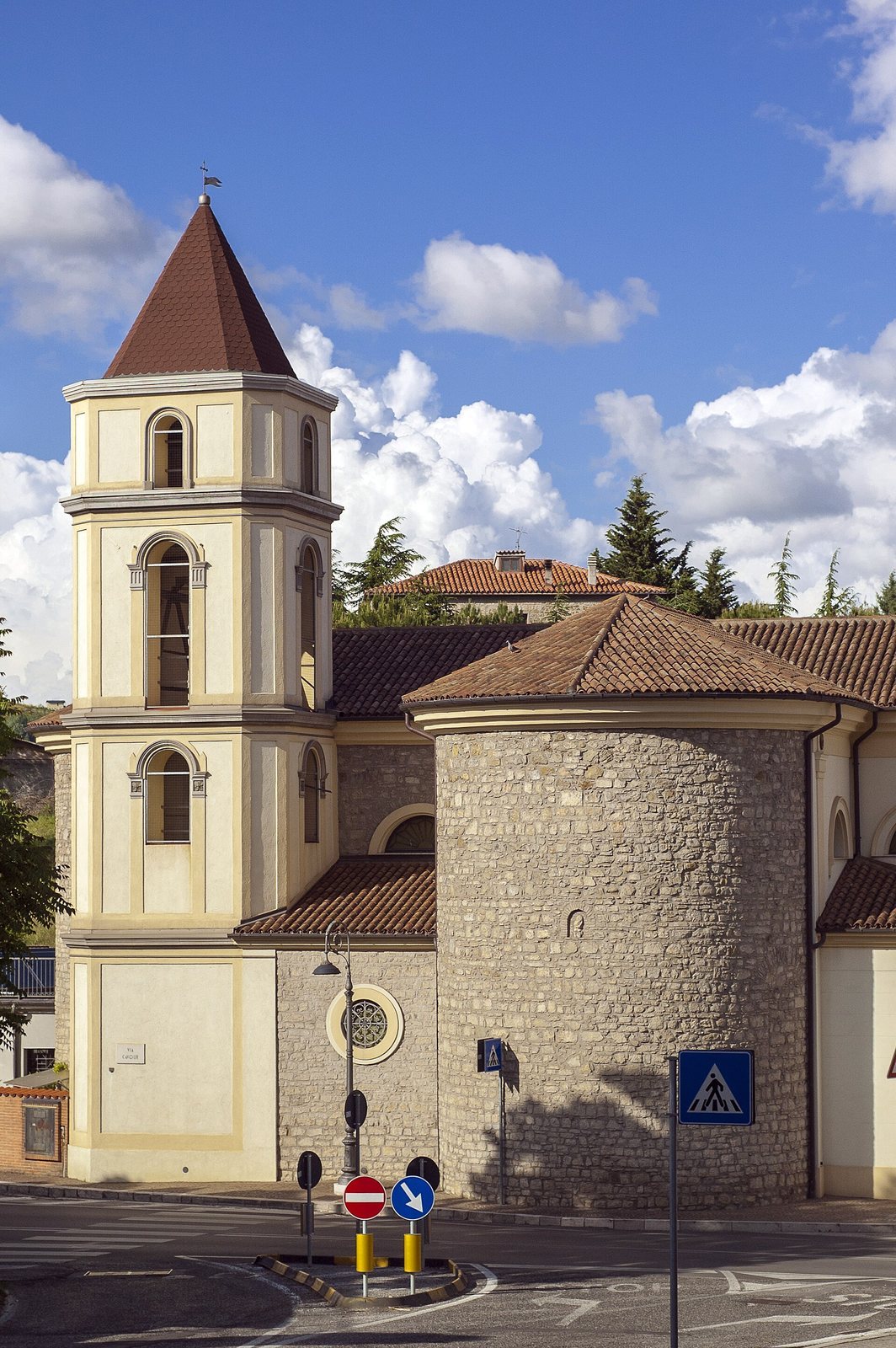
The present church occupies the remains of the earlier chapel. Its layout combines a three-aisled, cross-shaped interior with projecting chapels, a stone crosswise arm, and a pyramidal dome. The bell tower stands beside the front of the building.
Exterior
Façade and projecting chapels
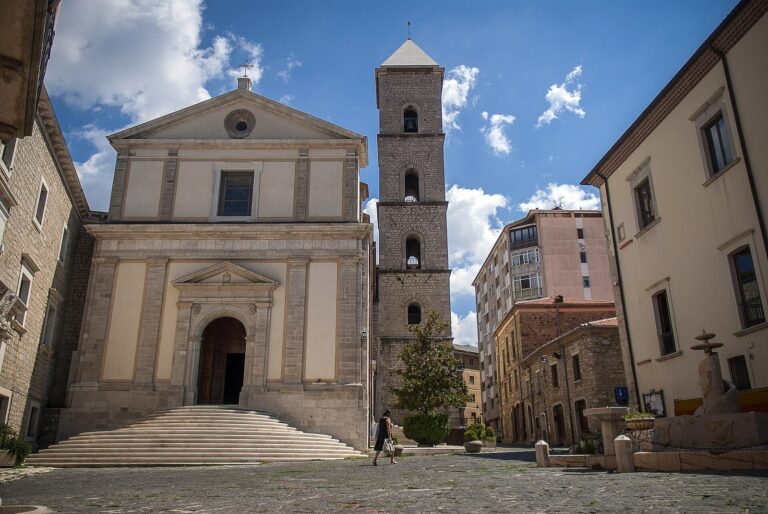
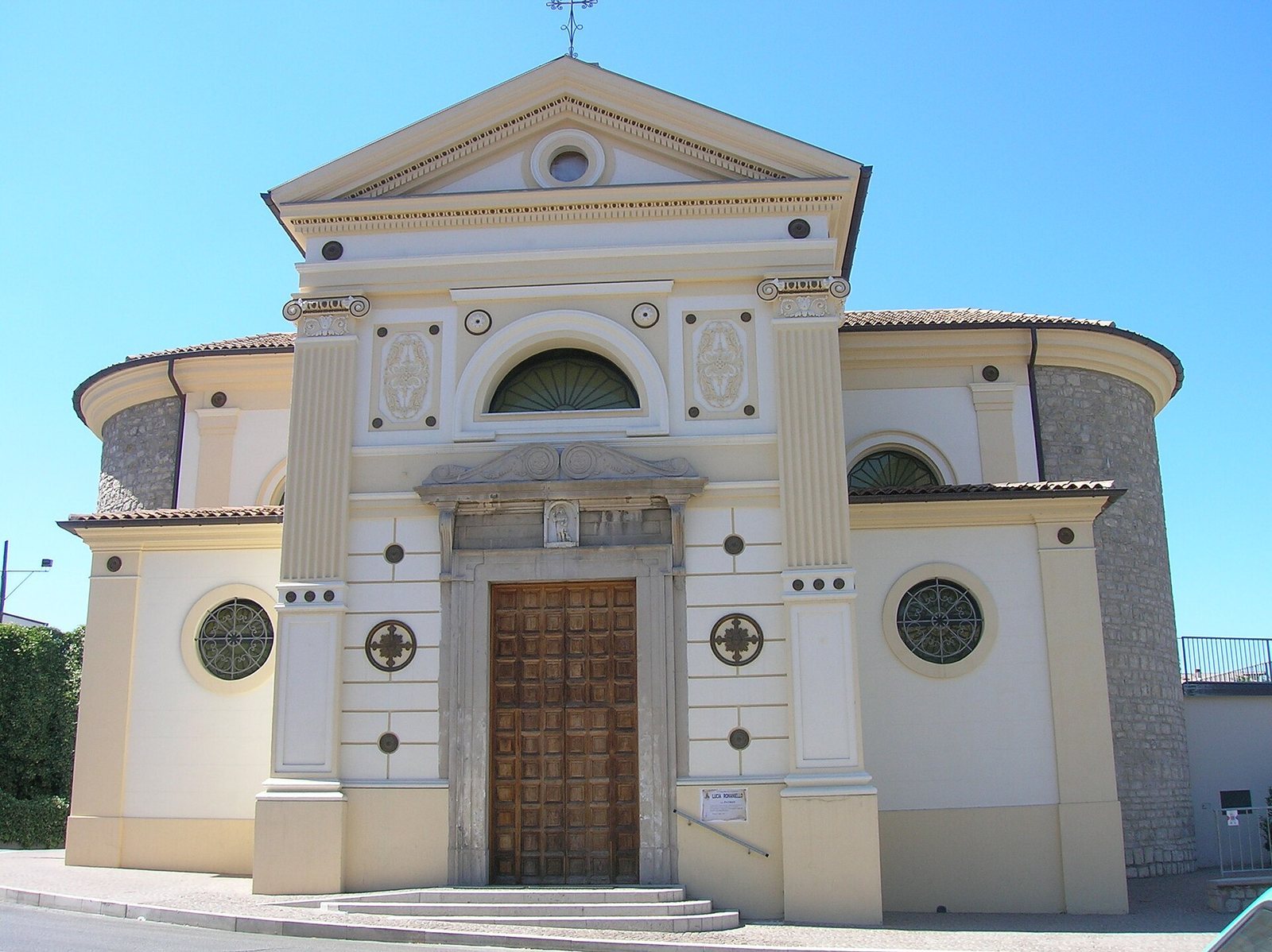
The main façade centers on a portal framed by two broad, flat supports that rise to a projecting horizontal ledge. Above the entrance, a marble relief dated 1857 depicts Saint Roch; Potenza sculptor Michele Busciolano made it. A triangular upper section contains a central round opening, while semicircular openings above the lintels bring light into the church and recur along the side walls. Two large, rounded chapels project from the exterior, and a cross crowns the building.
Bell tower
To the left of the façade, the three-level bell tower ends in a truncated pyramidal spire. It houses a nonfunctioning bell from the sixteenth century dedicated to San Lorenzo da Padula.
Statues and Roman stonework
Exterior sculpture includes a statue of Saint Pio of Pietrelcina and a bronze Saint Roch beside the right side of the façade. The parish priest commissioned the bronze statue in 1969. A niche beside it contains a Roman funerary stone dating to the first century CE. Two further plaques are set into the projecting chapels’ stonework. They appear to be Roman; the legible plaque seems to show a scene resembling the Deposition.
Interior
Plan and decoration
Inside, three lengthwise spaces form the arms of a cross-shaped plan. The domed ceiling is hemispherical and decorated with octagonal panels, each centered on a floral design. Gilded stucco enriches the interior.
Side chapels and Saint Roch
The two large side chapels and the altar-end space are described as equal in size. A small shrine-like frame in the right-hand chapel holds a polychrome wooden statue of Saint Roch, made by Busciolano in 1859. The saint appears as a young pilgrim with a staff, pointing to plague sores on his left leg.
Altar and reused material
A wooden crucifix from the fifteenth century stands at the main altar. On the interior wall opposite the entrance, architectural pieces taken from local tombs form a collection of reused material.