Church of Saints Peter and Paul from Buya: The Principal Church of Pskov’s Bolovinsky End
Site at a Glance
- Popularity
- Low
- Country
- Russia
- Primary era
- Early Modern
- Eras represented
- Early Modern, Modern
- Civilizations
- Russian
- Site type
- Religious
- Remains
- Church
On this page5 sections
History
Medieval church and urban role
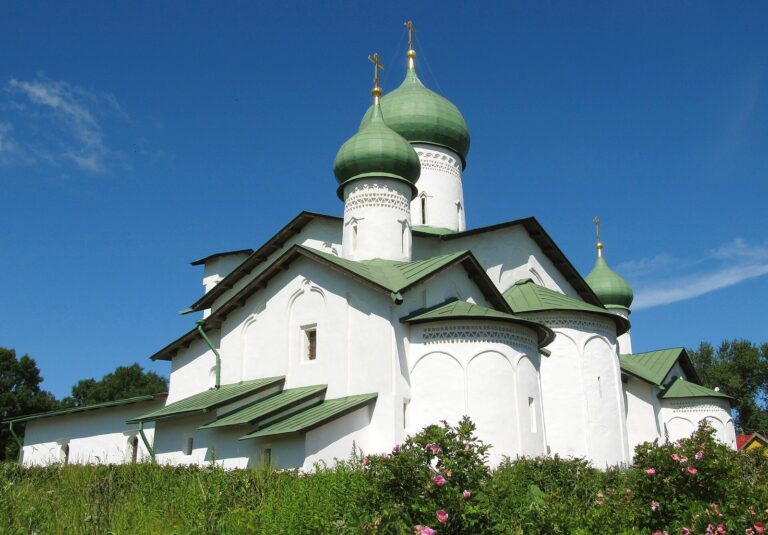
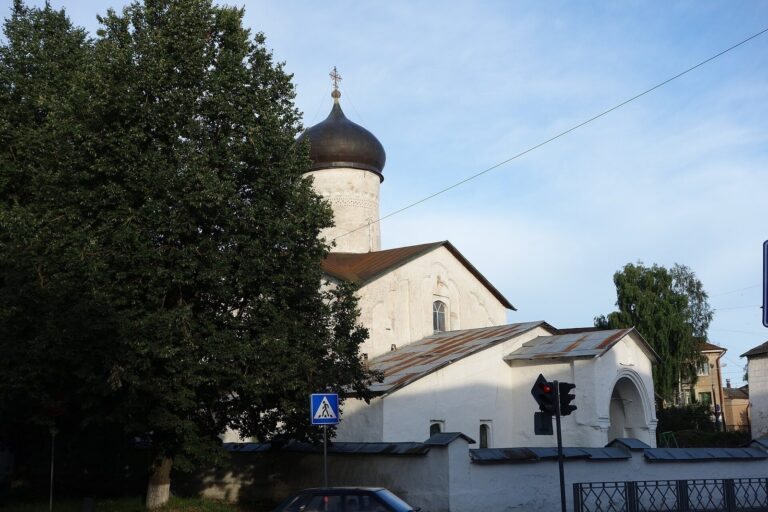
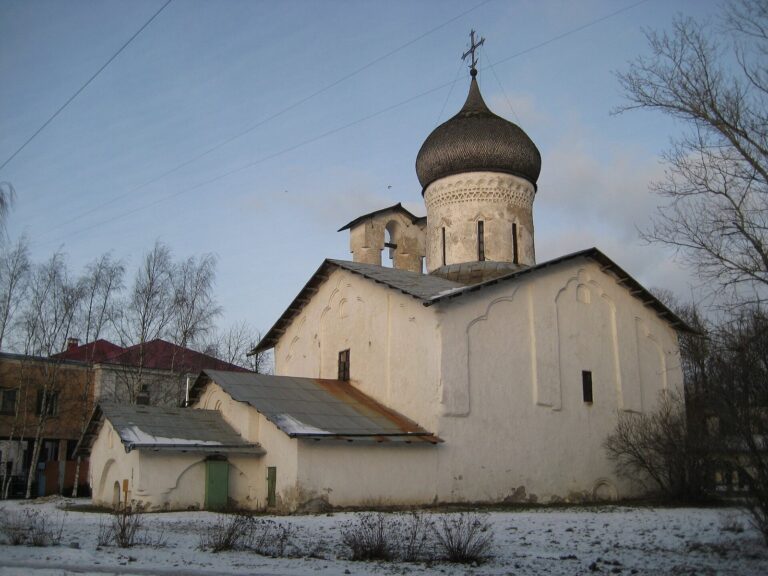
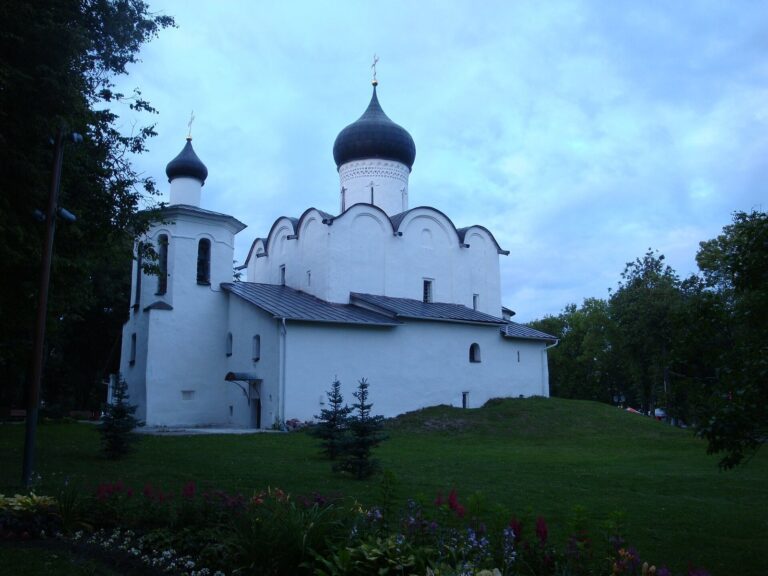
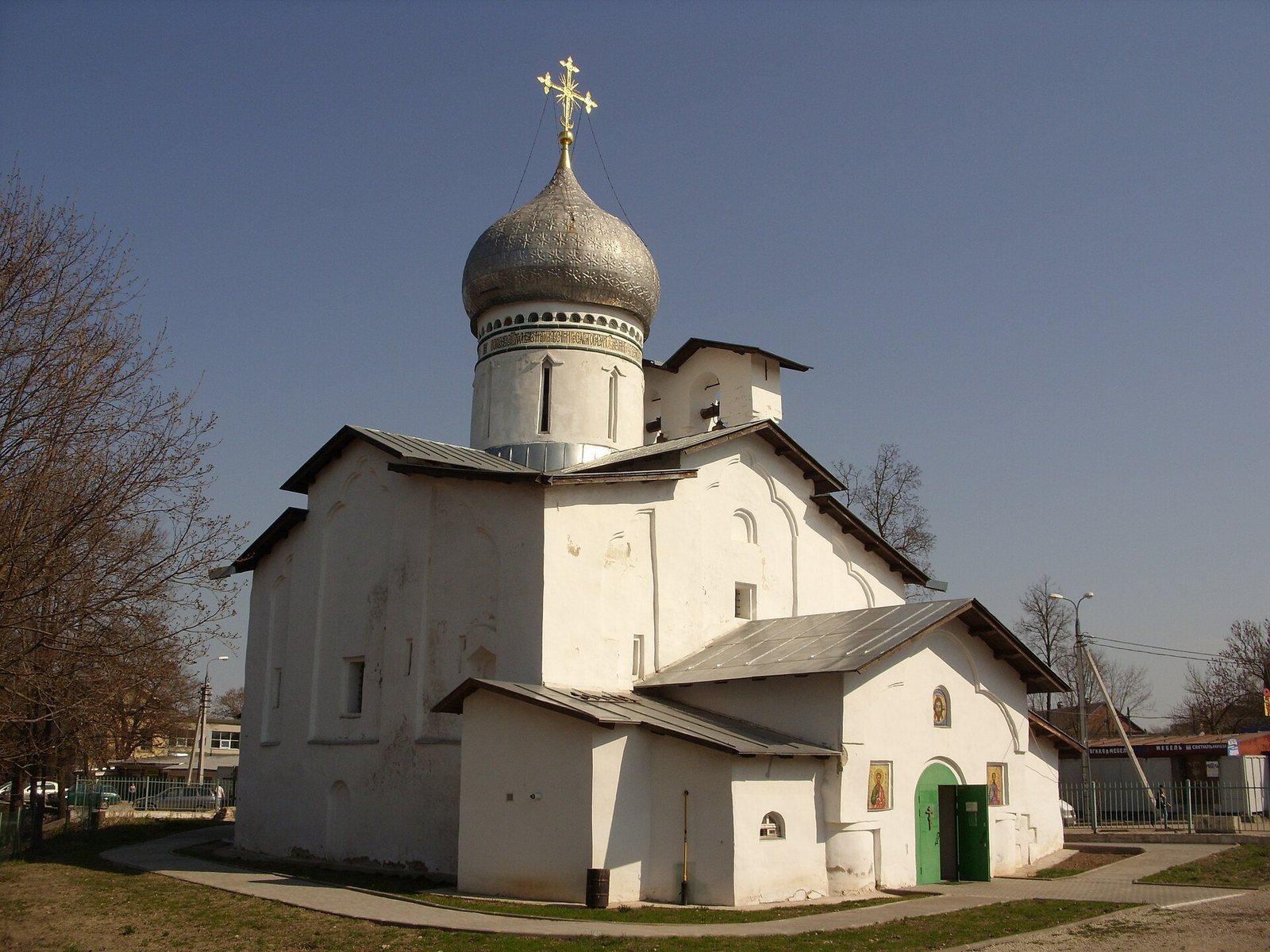
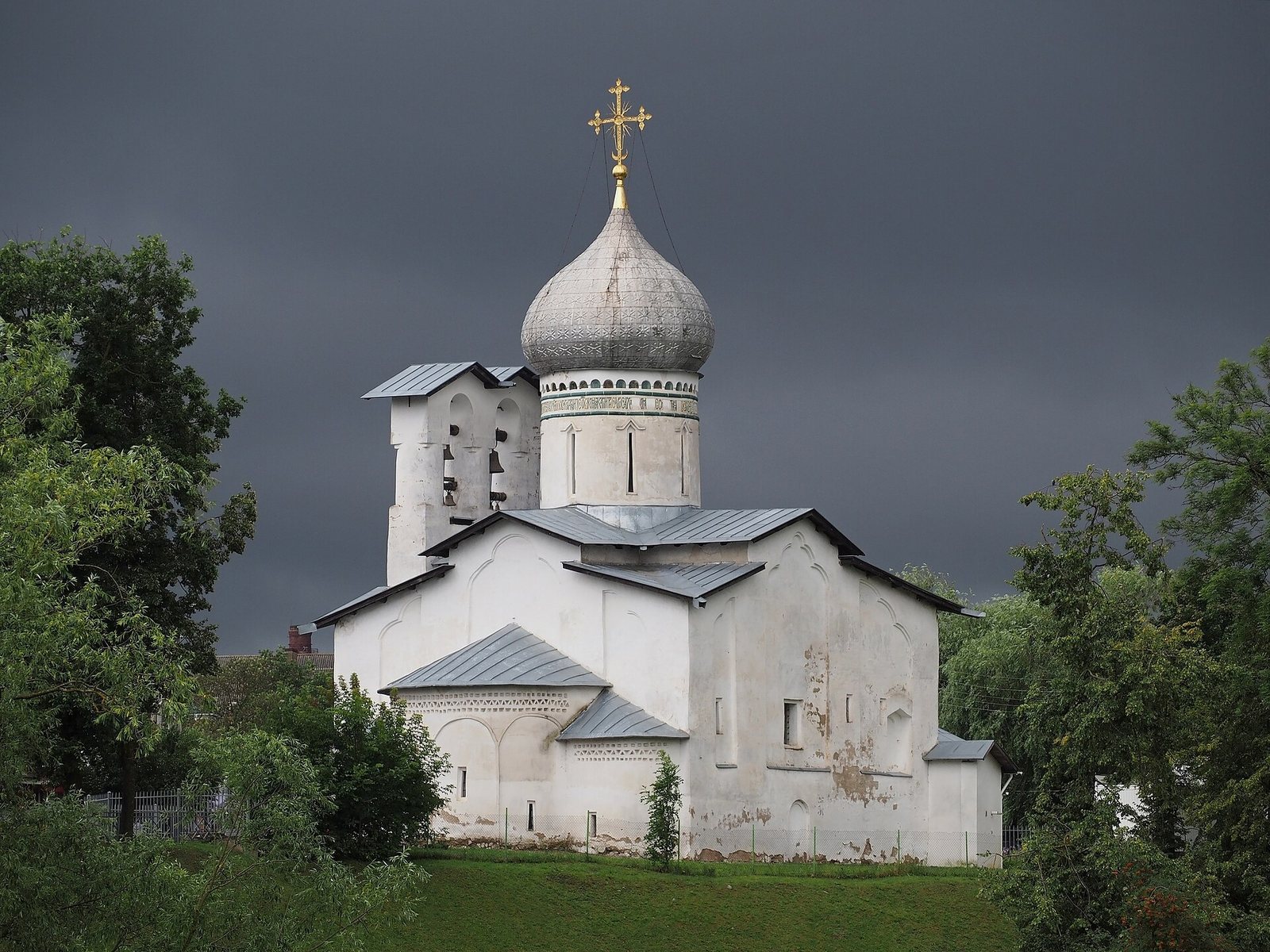
The Church of Saints Peter and Paul from Buya is an Orthodox church in Pskov, Russia. Its present building replaced an earlier church in 1540. A church dedicated to the two saints was first recorded in 1373 and served as both the administrative centre and principal church of the Bolovinsky End, one of medieval Pskov’s urban districts.
Peter the Great and the Northern War
During the Northern War (1700–1721), fought between Russia and Sweden, Peter the Great came to Pskov while preparing military operations and attended a liturgy at the church. Tradition holds that the Russian ruler read from the Acts of the Apostles and sang with the choir.
Alterations, closure, and return to worship
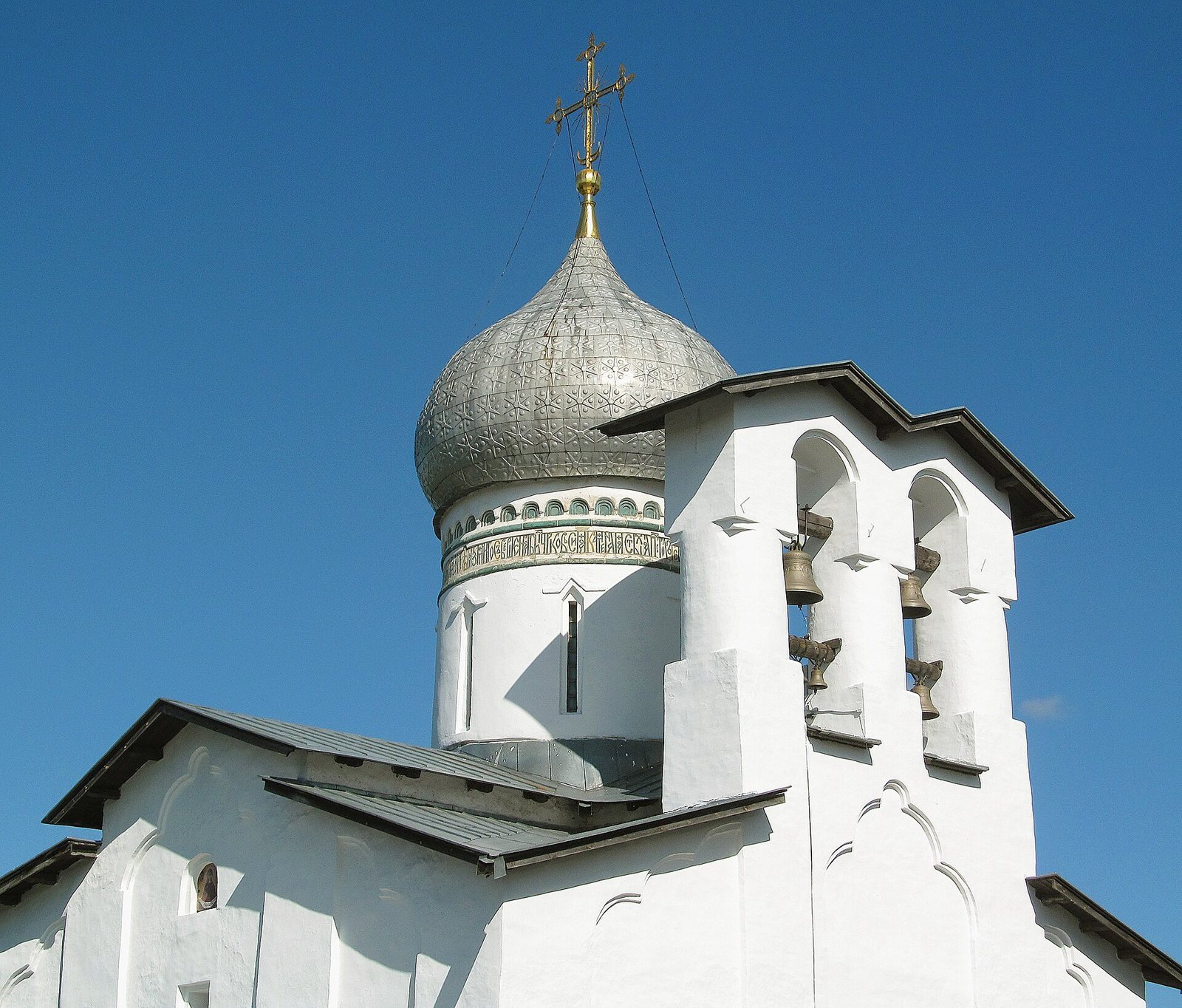
In 1810, the church’s two-span belfry collapsed, and its dilapidated southern Chapel of the Sign was dismantled. A porch was added before the western narthex. Authorities closed the church in 1932. It received state protection in 1960 as a monument of republican significance and is now a federal heritage monument.
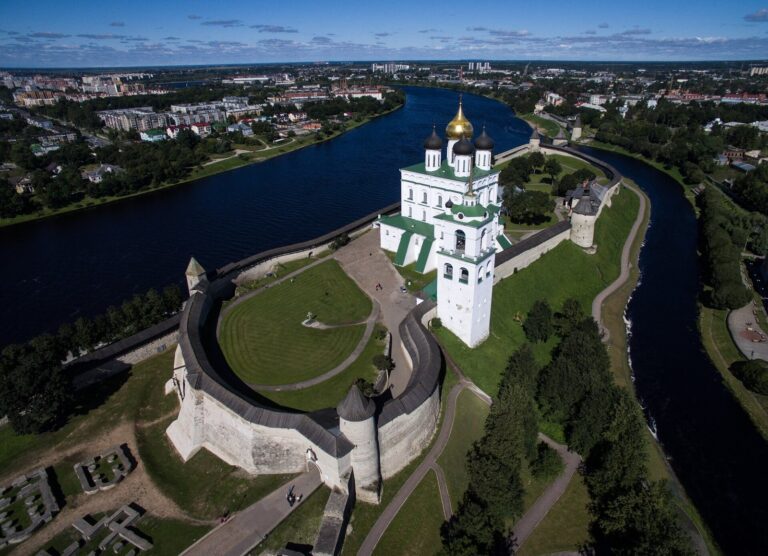
Architectural and archaeological excavations in 1995 covered three areas totalling 100 square metres. A rector was appointed in 2005, and restoration in 2005–2006 returned the church to worship. On 12 July 2006, Archbishop Eusebius celebrated a Divine Liturgy and led a religious procession as services resumed. In 2019, the church became part of the UNESCO World Heritage property “Churches of the Pskov School of Architecture.” The property is recognized under criterion (iv), which applies to outstanding architectural or technological ensembles illustrating important stages in human history.
Remains
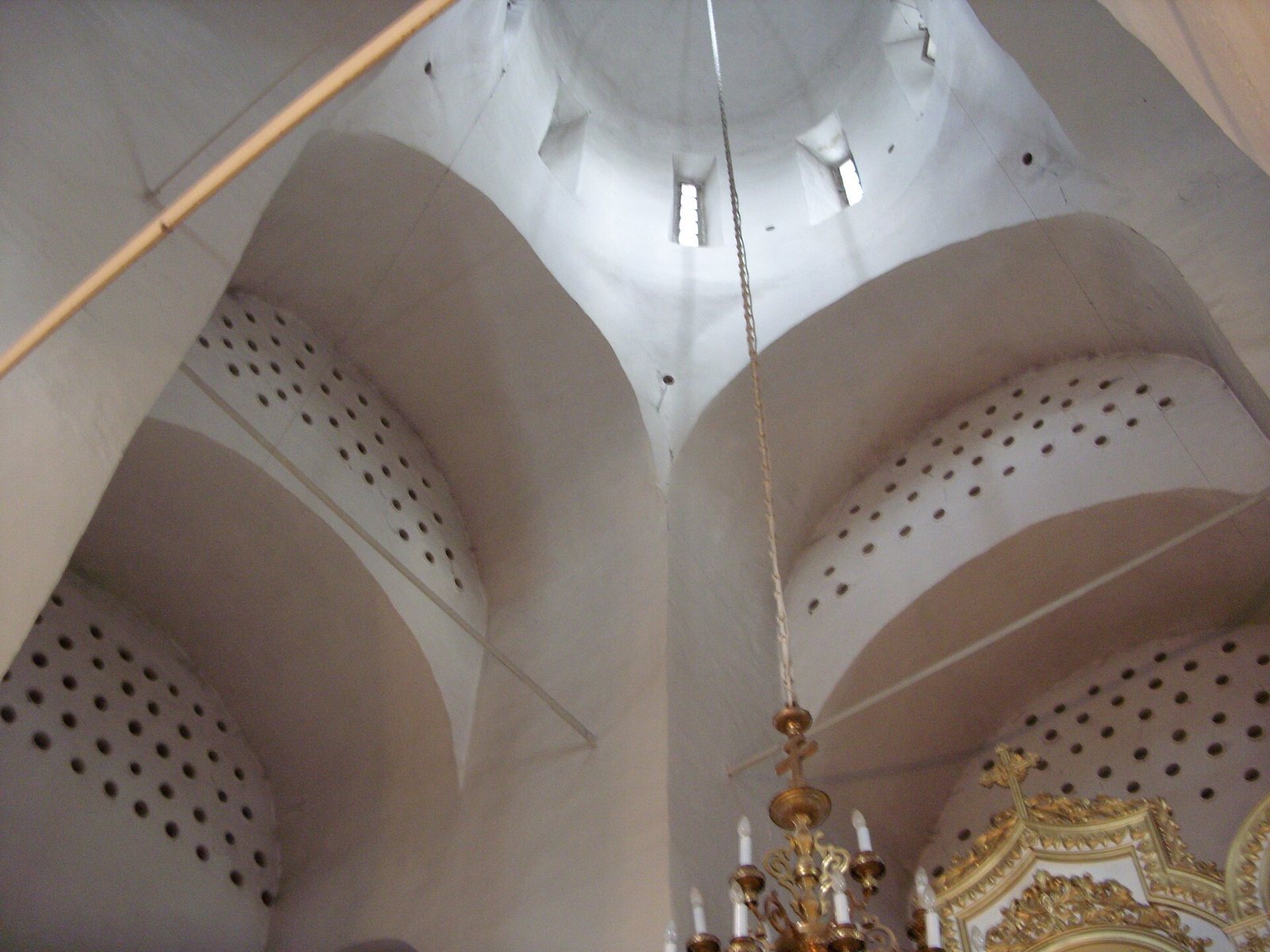
The church has a rectangular plan and stands in Pskov’s Middle City, on the left bank of the Pskova, at the beginning of the former Novgorod Street, now Karl Marx Street. Its original dimensions were 24.6 by 14.7 metres. After enlargement, including the later narthex, it measured 32 by 14.7 metres.
An apse is situated on the south side, while an entrance gallery and narthex occupy the west; a porch stands before the narthex. An iconostasis, an icon-bearing screen separating the sanctuary from the main worship space in an Orthodox church, was installed in 2008. Seven bells were raised to the belfry in 2009. Cast at the Vera foundry in Voronezh, they were made at a foundry owned by V. N. Anisimov.