Roccaprebalza Castle: A Medieval Stronghold in Italy
Site at a Glance
- Popularity
- Very Low
- Country
- Italy
- Primary era
- Medieval
- Eras represented
- Medieval
- Civilizations
- Holy Roman Empire
- Site type
- Military
- Remains
- Castle
On this page7 sections
History
Roccaprebalza Castle is a ruined medieval stronghold in Berceto, Parma province, Emilia-Romagna, Italy. The bishops of Parma built it during the 13th century to guard the Manubiola Valley. In medieval Italy, bishops could hold feudal authority as well as religious office; a fief was land held within a feudal relationship.
Episcopal rule and the de’ Rossi
The locality, then known as Pietrabarza, is first mentioned in 1220, when Holy Roman Emperor Frederick II confirmed the feudal rights of the bishopric of Parma. In 1355, Bishop Ugolino de’ Rossi transferred the episcopal fiefs of Roccaprebalza, Corniglio, Roccaferrara, and Corniana to his nephew Giacomo and great-nephew Bertrando to settle debts. The handover took place 15 years later.
In 1400, Pope Boniface IX confirmed the formal granting of the castle to three de’ Rossi brothers. The de’ Rossi were a noble family from Parma, and Roccaprebalza had become part of the County of Berceto, a territorial lordship. In 1448, Bishop Delfino della Pergola tried to reclaim Berceto, Roccaprebalza, and other former diocesan castles. He threatened Pier Maria II de’ Rossi with exclusion from the Church, but eventually gave up his effort.
Pier Maria II bequeathed several Apennine fiefs, including Berceto and Roccaprebalza, to one of his sons in 1464. The son died four years later. A note added to the deed in 1480 assigned the lands to Pier Maria’s legitimized son Bertrando, who took possession immediately. Bertrando died without sons in 1502, leaving his estates to his nephew Troilo I de’ Rossi, who incorporated them into the County of San Secondo, another regional lordship.
Farnese confiscation and later ownership
In 1635, Duke Odoardo I Farnese of Parma declared Troilo IV de’ Rossi guilty of rebellion and confiscated his lands. With help from Philip IV, king of Spain, Troilo’s brother Scipione I persuaded the new duke, Ranuccio II Farnese, to return the fiefs in 1657. The cost left Scipione heavily indebted, and in 1666 he surrendered his Apennine lands to Parma’s ducal administration.
In 1707, Duke Francesco Farnese granted the County of Berceto, including the ruined castle, to the Boscoli marquises, who exchanged it for the Castle of Ravarano. The Tarasconi Smeraldi counts acquired the fief in 1736 and held it until Napoleon Bonaparte abolished feudal rights in 1805. By then, the abandoned fortress had already fallen into ruin.
Remains
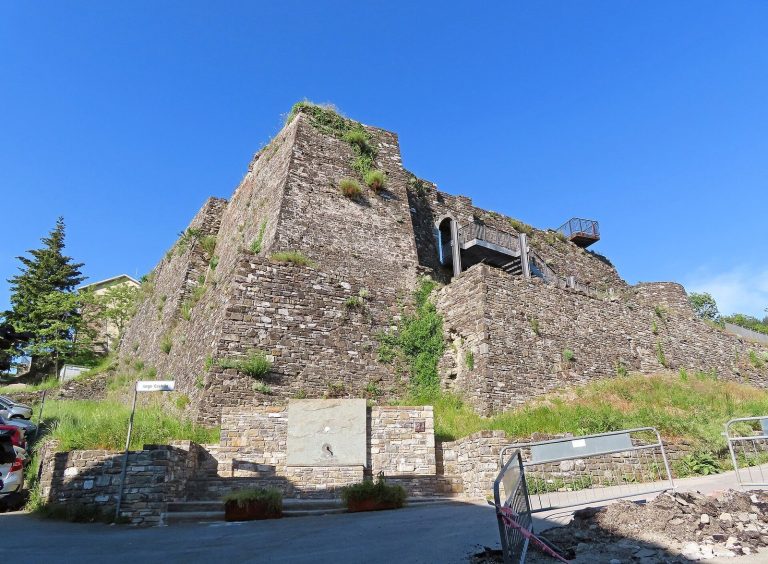
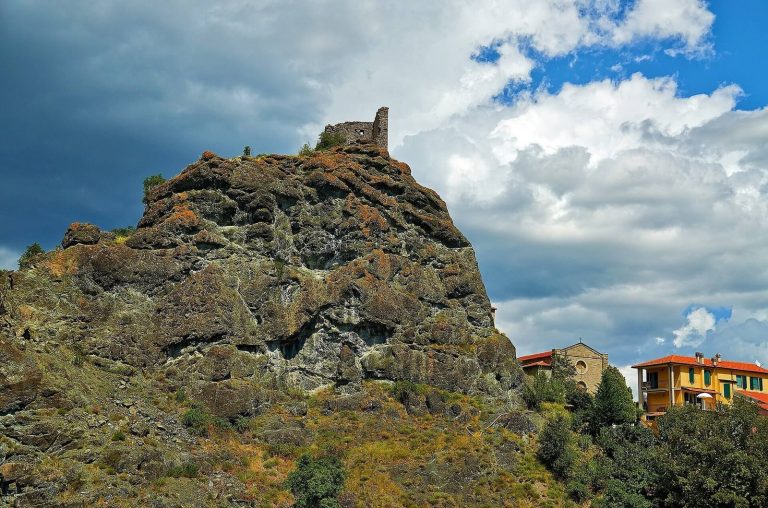
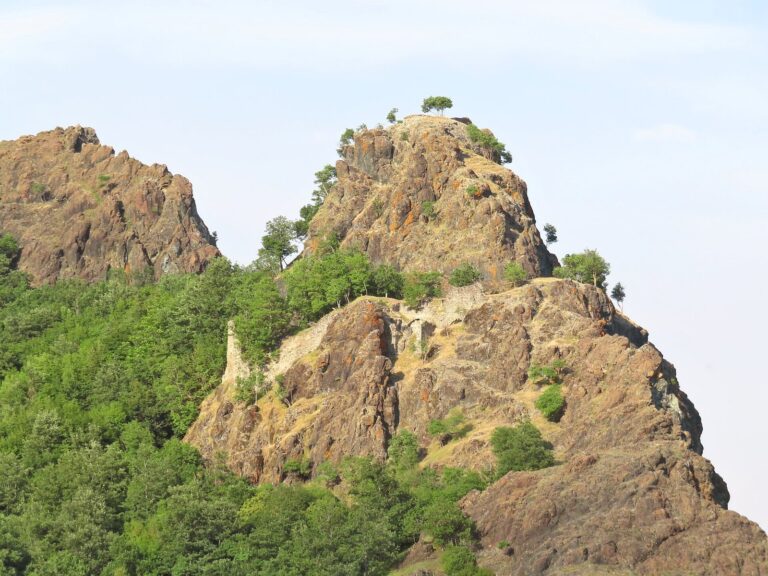
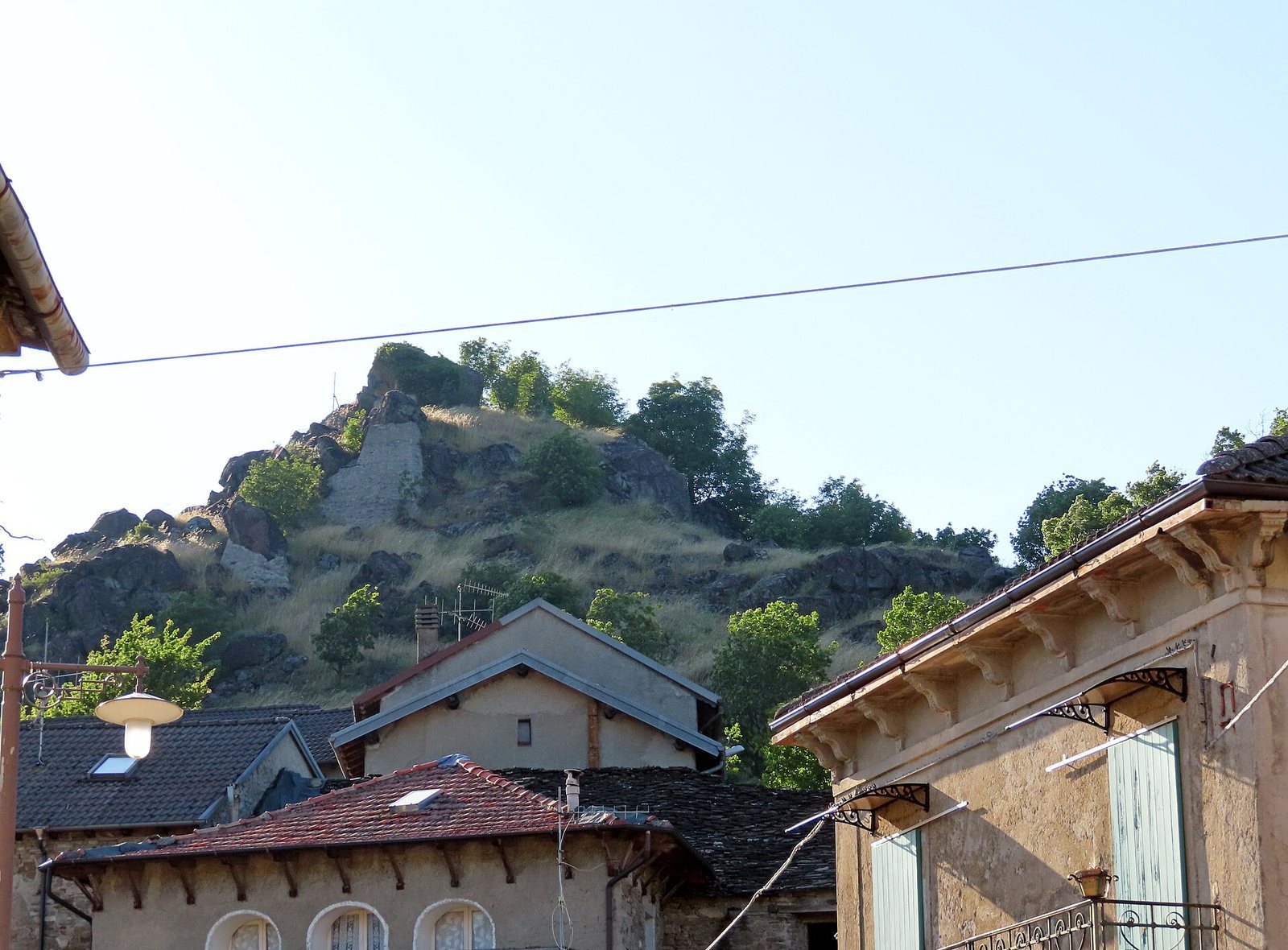
The ruined stronghold stands at about 563 metres above sea level on a steep rocky spur overlooking both the Manubiola Valley and the valley of the Rio Roccaprebalza. The settlement lies at the foot of the slope. Local tradition says underground passages once connected it with the castle. Stone construction survives among the natural rock.
Defensive structures
Walls and entrance
Fragments of the castle’s stone walls remain, partly concealed by the surrounding rocks. At the entrance to the fortified area, stone buildings form a row around a ravelin, an outer defensive work designed to help protect an entrance. The entrance arch is round-headed and made from sandstone blocks.
Keep and cistern
The stronghold was once regarded as impregnable and had a keep, its principal fortified tower, and a cistern for storing collected water.