Kurshun Mosque: A Crimean Tatar Place of Worship in Old Crimea
Site at a Glance
- Popularity
- Very Low
- Country
- Ukraine
- Primary era
- Medieval
- Eras represented
- Medieval
- Civilizations
- Golden Horde
- Site type
- Religious
- Remains
- Mosque
On this page4 sections
History
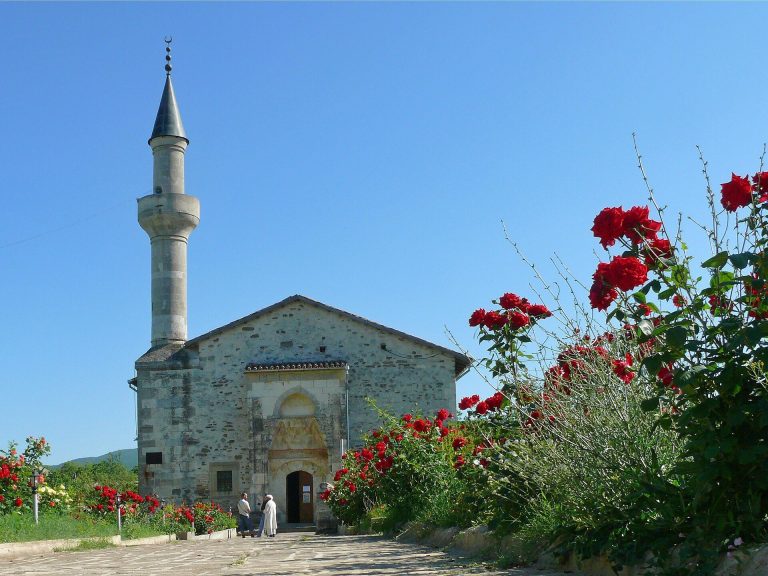
The Kurshun Mosque was a Crimean Tatar place of worship in Old Crimea, Ukraine, associated with Sunni Islam, one of the major branches of Islam. The 17th-century Ottoman travel writer Evliya Çelebi dated its construction to 1396 and attributed its commissioning to Bay Bugla Hatun, a granddaughter of Kutlug Timur.
Foundation and religious use
The building first served as a dervish lodge, a place for Muslim Sufi devotional life, before becoming a neighborhood mosque in 1398. The lodge remained active until 1572, when the mosque was abandoned for unknown reasons.
In 1474, Russian traveler Athanasius Nikitin visited the lodge and recounted his travels in Journey Beyond Three Seas.
Ruin and destruction
Polish diplomat Martin Broniewski described the mosque as ruined in 1575. It was further damaged during an internal conflict in 1625, and an aerial bomb destroyed it in 1944.
Remains
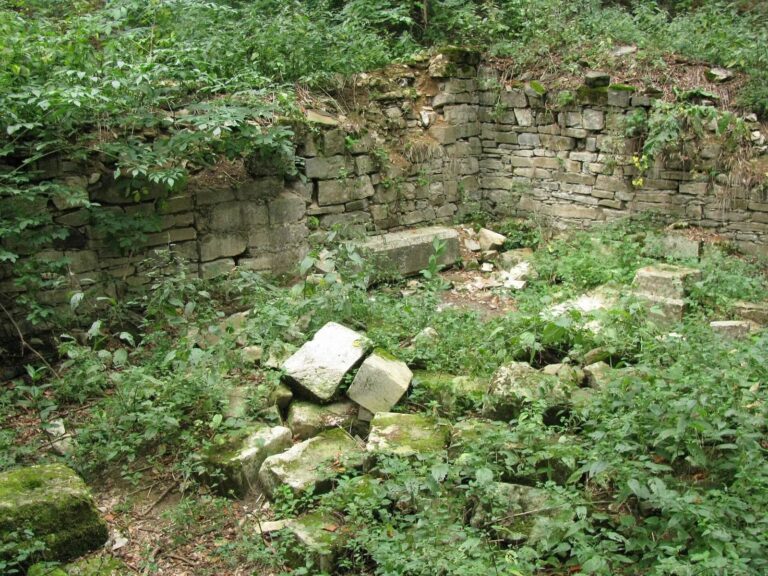
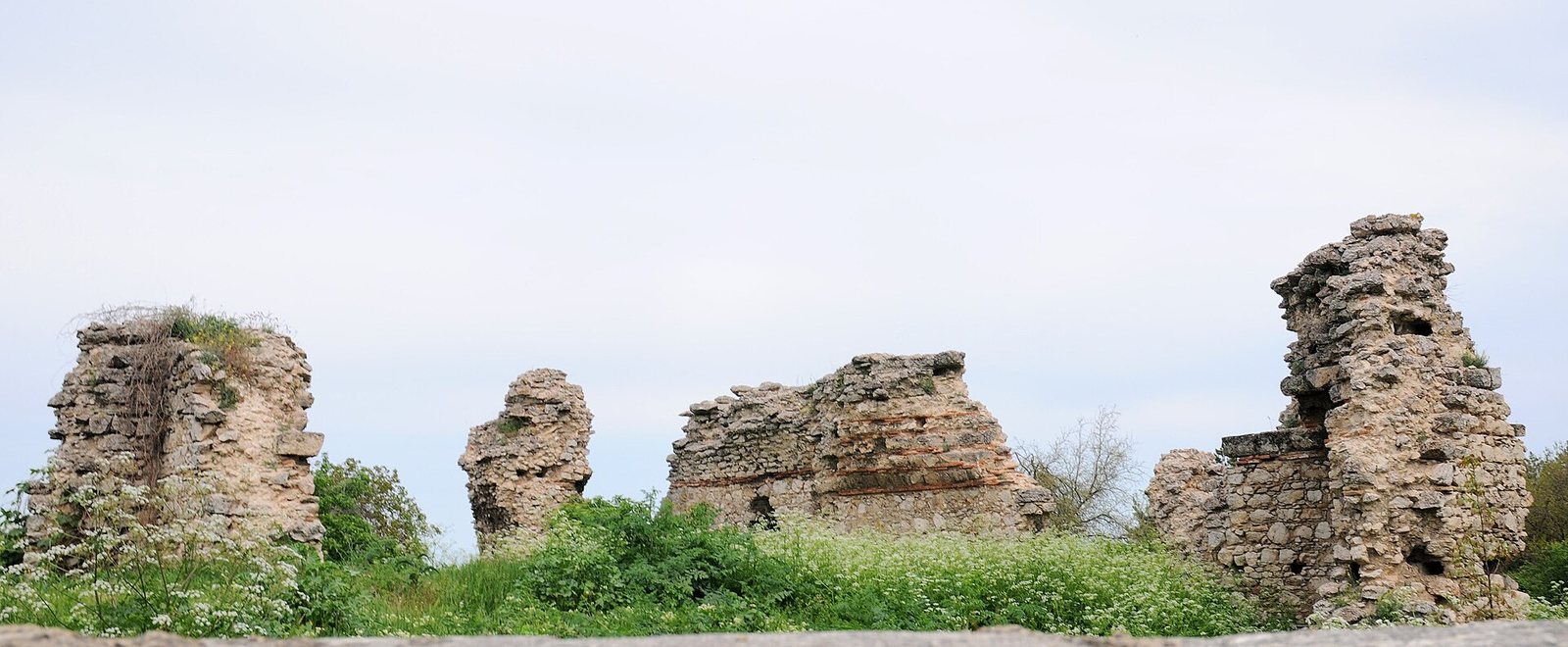
The ruins stand within the grounds of painter Ivan Aivazovsky’s former estate and are enclosed by a concrete fence. The mosque had a rectangular plan measuring 12.5 by 17.5 metres, built from rough stone laid in lime mortar and square bricks. Its entrance formed a framed portal with substantial upright supports.
Projecting stone supports strengthened the west and east walls in pairs, while another stood on the south wall behind the prayer niche, or mihrab. The use of vertical supports is comparable to that at Cairo’s Al-Aqmar Mosque, built in 1125. The mihrab was originally rectangular and was later reshaped into a polygon.
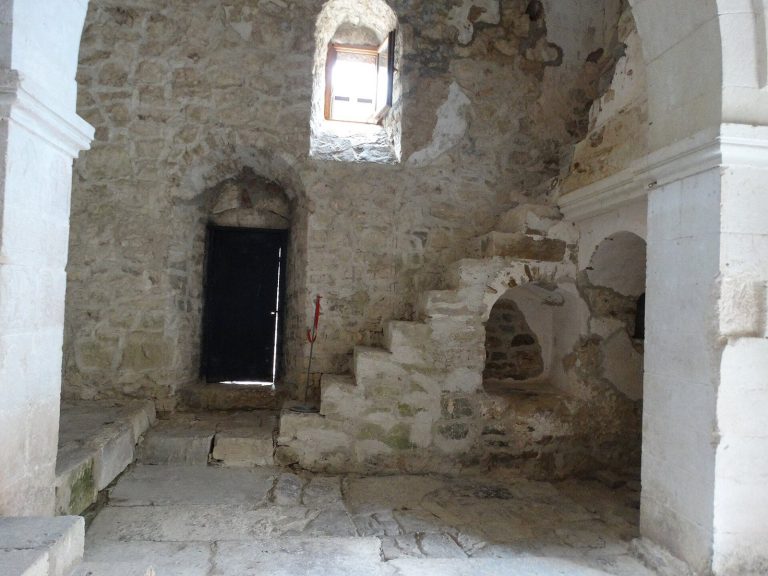
The interior contained a large, nearly square room measuring 10.5 by 10.6 metres, with the mihrab and a dome, as well as a smaller rectangular room to the north measuring 10.5 by 4.5 metres. Three semicircular vaults, or curved ceilings, covered the northern room. The mosque had three exits, and its roof was made of wrought iron and gilded. The name Lead Mosque may refer either to lead links securing the facing stones or to lead covering on the dome. A minaret, a tower associated with a mosque, stood at the northeast corner, where the base survives.