Castle of Bivona: A Medieval Fortification in Sicily
Site at a Glance
- Popularity
- Low
- Country
- Italy
- Primary era
- Medieval
- Eras represented
- Medieval
- Civilizations
- Kingdom of Sicily
- Site type
- Military
- Remains
- Castle
On this page4 sections
History
The Castle of Bivona is a medieval military fortification in Bivona, Sicily, Italy. It was probably built over earlier remains in the first half of the fourteenth century. Its position within the inhabited center was uncommon among castles in the Vallo di Mazara, a historical territorial district of Sicily.
Angevin-era Fortifications and the Castle
Bivona took an active part in the War of the Sicilian Vespers, which began in 1282 as an uprising against Angevin rule in Sicily and grew into a wider conflict. Defensive works were built from the start of the war. The fortification mentioned in a grant of 1299 was probably a watchtower within those defenses. On 11 October that year, Robert of Anjou, king of Naples, granted the castles of Bivona and Calatamauro to Giacomo de Catania, authorizing him to expel their respective lords, Ugone Talach and Guglielmo Calcerando da Calatamauro. Charles of Anjou confirmed the grant on 20 July 1300.
With the castle’s establishment, Bivona rose from the status of a casale, a type of settlement, to that of a terra, a fortified inhabited center.
Rebuilding and Later Conflict
The medieval chronicler Michele da Piazza reported that Guido and Francesco Ventimiglia tried to destroy the castle in 1359. Corrado Doria rebuilt it later that year. The land and castle passed to Nicholas Peralta in 1397, and by 1406 the castle belonged to Francesco Castellar. In 1529, it was plundered and partly destroyed during the Second Sciacca Affair, a struggle between the noble families of de Luna and Perollo. The ruins are protected under Italian law 364/1909.
Remains
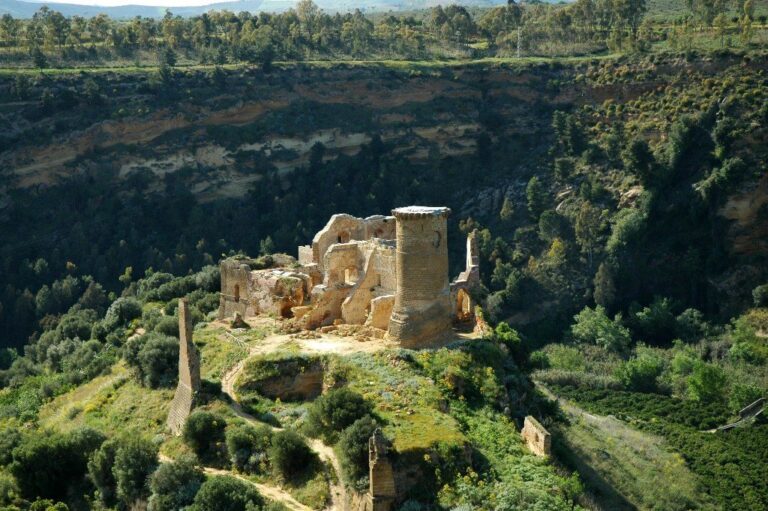
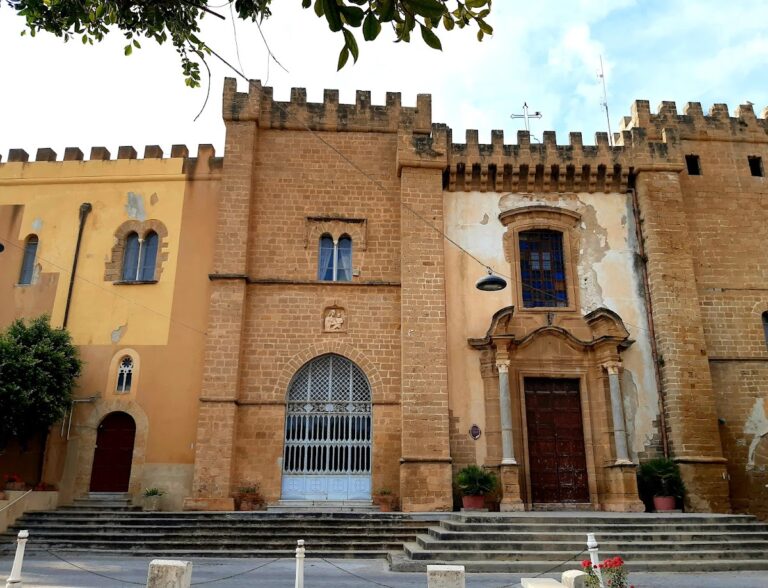
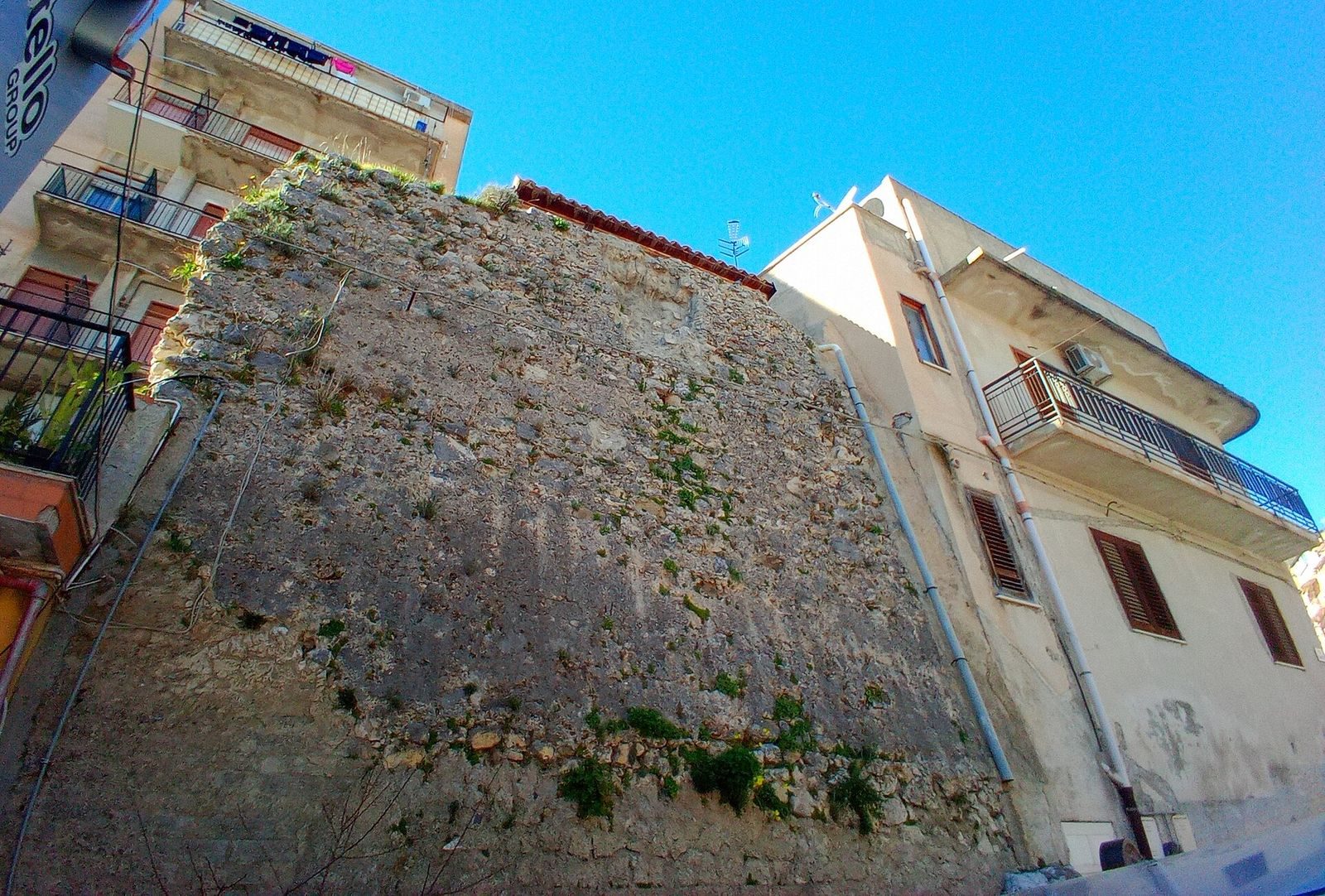
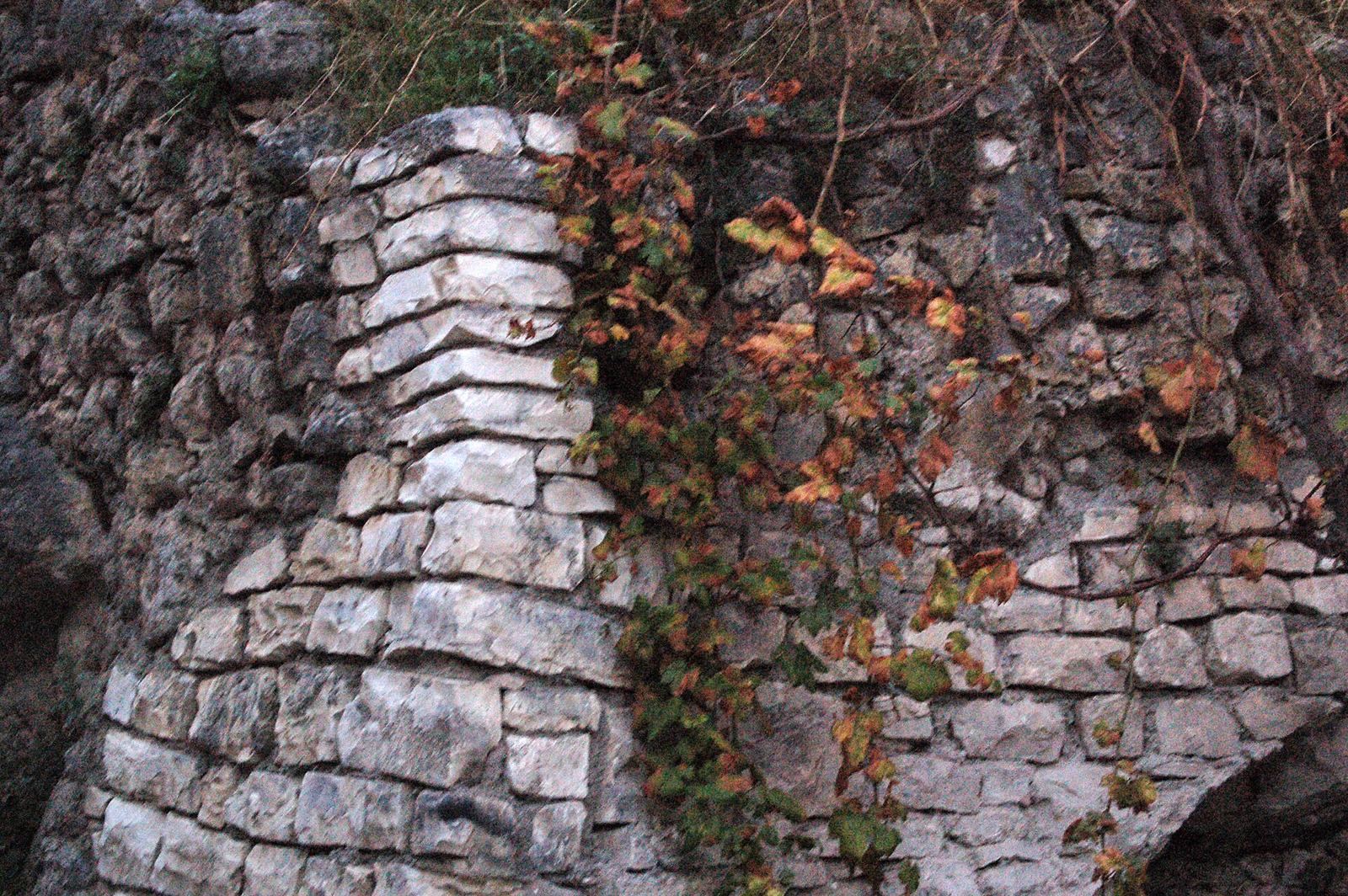
The former castle covered an estimated 1,700 square metres, based on its perimeter on old municipal maps. Within Bivona’s inhabited center, the surviving fortifications include a bastion, a projecting defensive structure, and fragments of other defenses. Some fragments are incorporated into later buildings of different types.