Church of the Exaltation of Holy Cross: A Wooden Parish Church in Kopychyntsi
Site at a Glance
- Popularity
- Very Low
- Country
- Ukraine
- Primary era
- Early Modern
- Eras represented
- Early Modern, Modern
- Civilizations
- Austria-Hungary, Habsburg, Polish–Lithuanian Commonwealth
- Site type
- Religious
- Remains
- Church
On this page15 sections
History
Foundation and changing affiliations
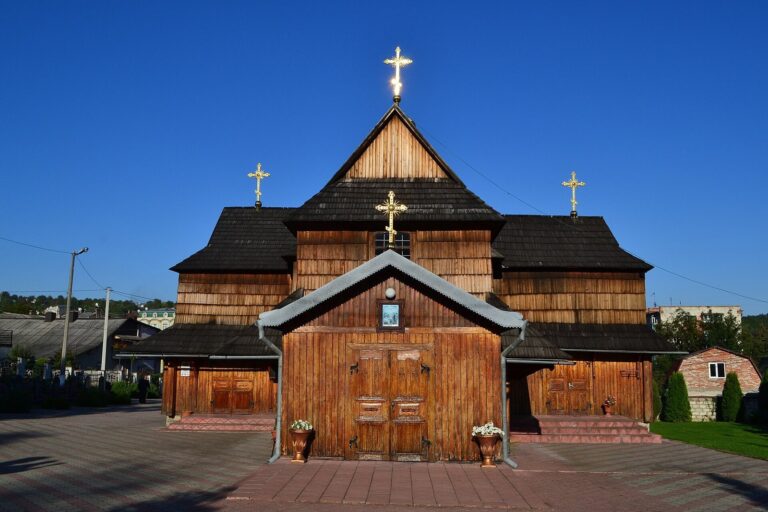
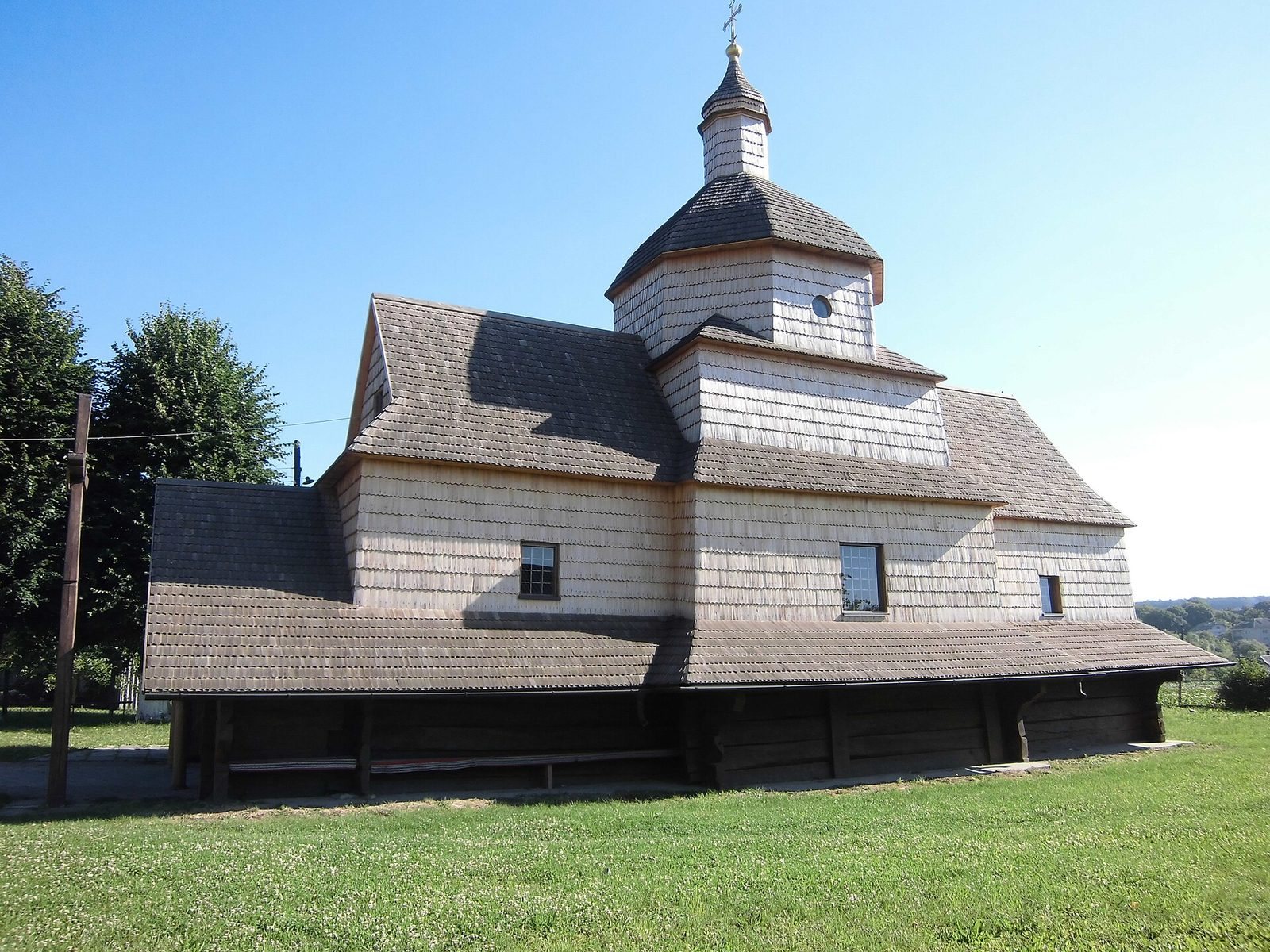
The Church of the Exaltation of Holy Cross is a wooden parish church in the Kutets area of Kopychyntsi, Ukraine. Built in 1630 in the Ukrainian Baroque folk style, a regional form of Baroque shaped by local building traditions, it is described as one of the oldest wooden churches in Ternopil Oblast. Martin Ludetskyi, who owned part of the Kopychyntsi lands, founded the parish in the seventeenth century.
Until 1700, the parish and church belonged to the Orthodox Eparchy of Lviv, an Eastern Christian diocese, under the Patriarchate of Constantinople, a historic senior see in Eastern Orthodoxy. From the early eighteenth century, they were affiliated with the Ukrainian Greek Catholic Church, an Eastern Catholic church following the Byzantine liturgical tradition. Between 1946 and 1989, they instead came under the Moscow Patriarchate, the governing authority of the Russian Orthodox Church.
Closure and parish restoration
Communist authorities closed the church in 1961 and removed the parish from the official register. The parish was registered again on 25 August 1989, and the church reopened on 24 September under the Moscow Patriarchate. In 1990, the parish and church returned to the Ukrainian Greek Catholic Church.
The community registered its charter in October 1991, and the church was formally transferred to its ownership that December. The parish belongs to the Kopychyntsi deanery, a smaller church district, within the Buchach Eparchy. The church and its bell tower are designated monuments of architecture of national importance.
Remains
Church buildings and furnishings
Main church
The timber church stands on a low stone foundation and has a three-part plan beneath a single dome. Its surviving form reflects Ukrainian Baroque folk architecture.
Bell tower
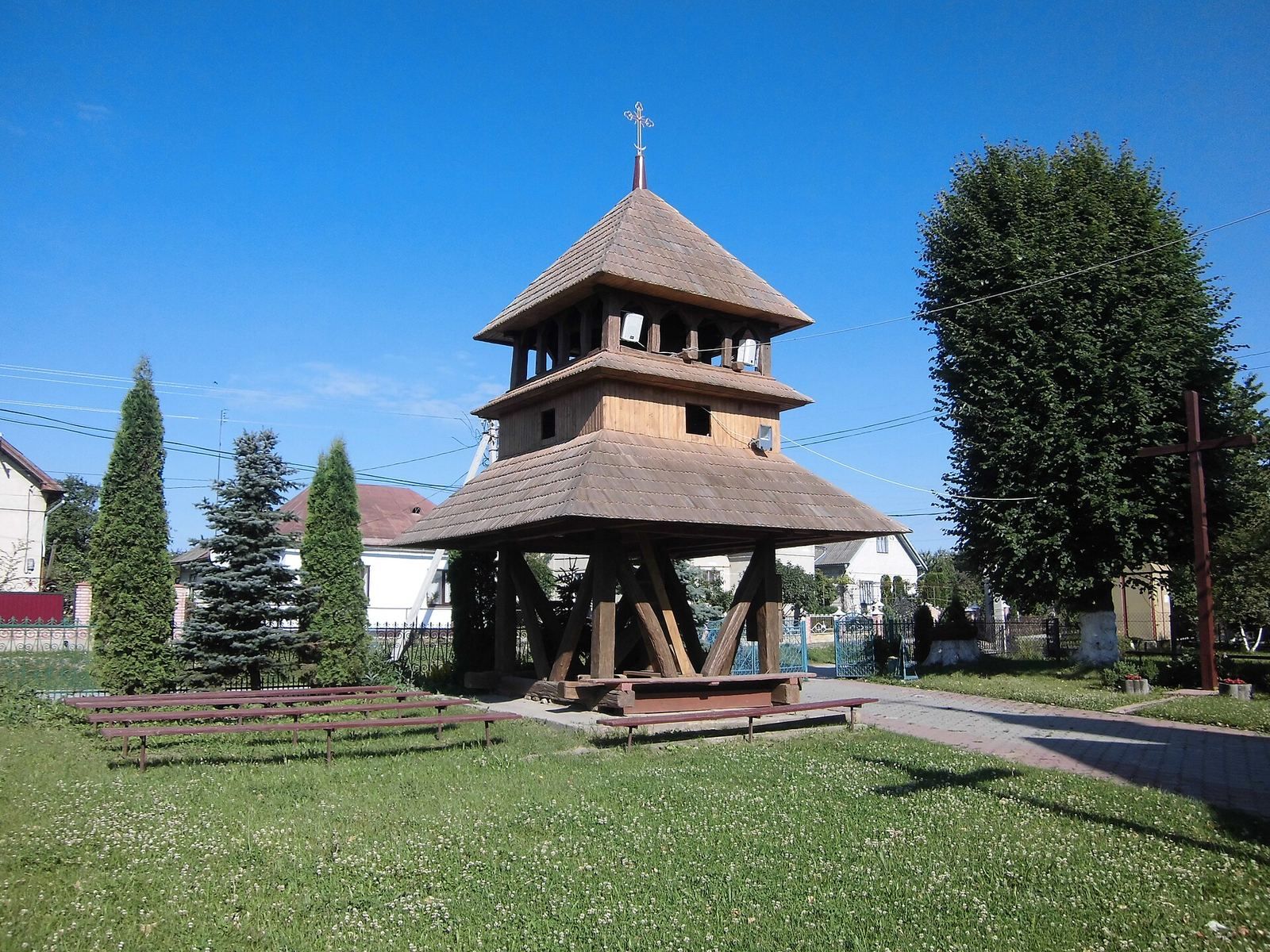
A bell tower associated with the church dates to the first half of the eighteenth century.
Iconostasis and icons
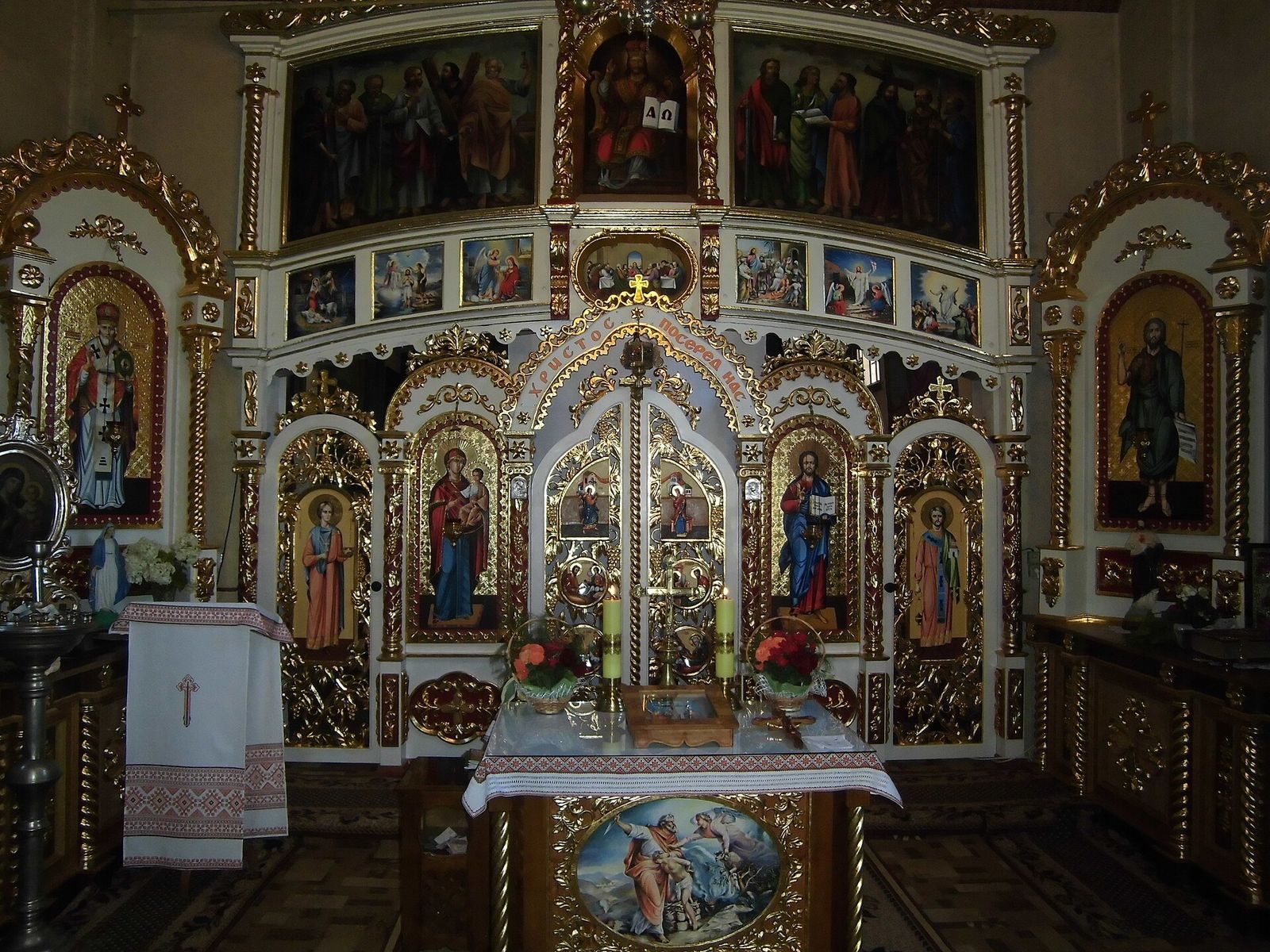
The interior preserves several icons from the eighteenth and nineteenth centuries. Fragments of an earlier iconostasis, the screen of icons that separates the sanctuary from the main worship space, bear inscriptions. Its upper tier is original and was restored in 2012; the lower tier is modern.
Archaeological finds
Inscribed grave slab
Repairs to the church floor in 1860 revealed a stone grave slab bearing an inscription.
Bones and sabers
Human bones and sabers were found in the 1980s. The bones may have belonged to Cossacks, communities with military and political roles in Eastern European history, because sabers lay beside them.
Crosses and memorials
Holy Temperance Cross
A stone Holy Temperance Cross stands in the churchyard. Made by amateur craftsmen and erected on 12 April 1901, it is the town’s only commemorative temperance cross, a religious memorial associated with opposition to alcohol use.
Mission and jubilee crosses
The church precinct also contains a mission cross from 1937 and a jubilee cross erected in 1938 to commemorate the baptism of Rus-Ukraine, the Christianization of the medieval Rus polity.
Roadside cross
A stone cross on the road to Kutets Church was restored on 13 April 1930 with voluntary donations from Kutets Church.