Fort São João Baptista: A Portuguese Coastal Fort at Machico, Madeira
Site at a Glance
- Popularity
- Very Low
- Country
- Portugal
- Primary era
- Early Modern
- Eras represented
- Early Modern
- Civilizations
- Portuguese
- Site type
- Military
- Remains
- Fort
On this page9 sections
History
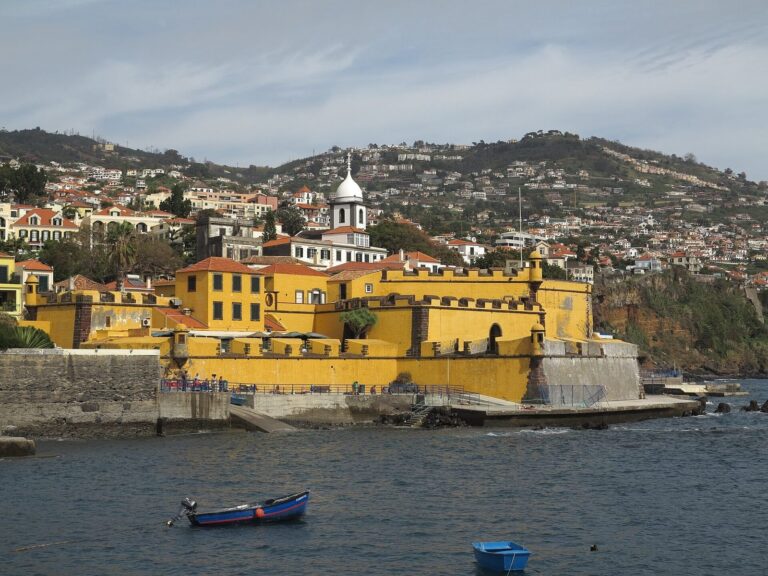
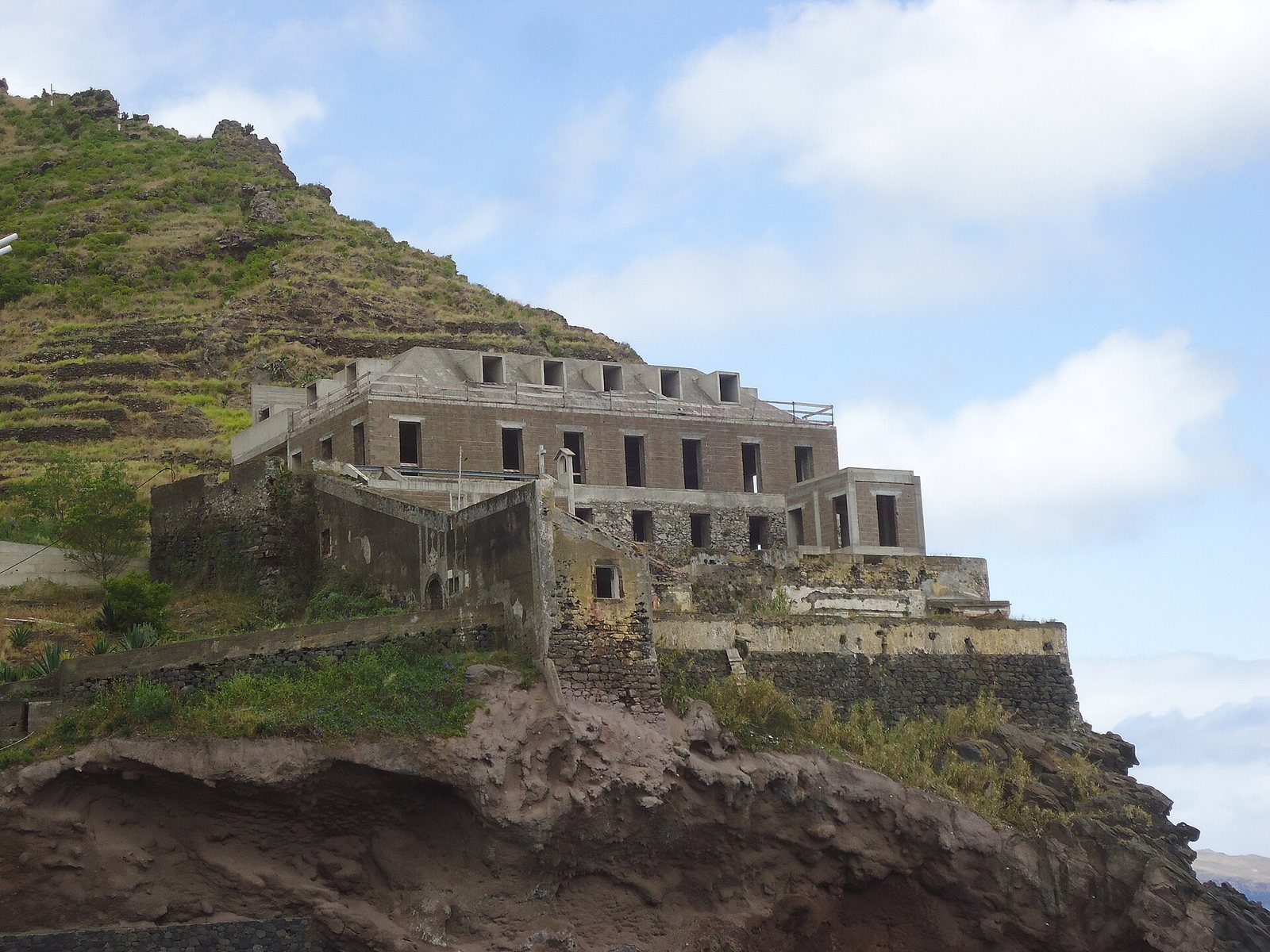
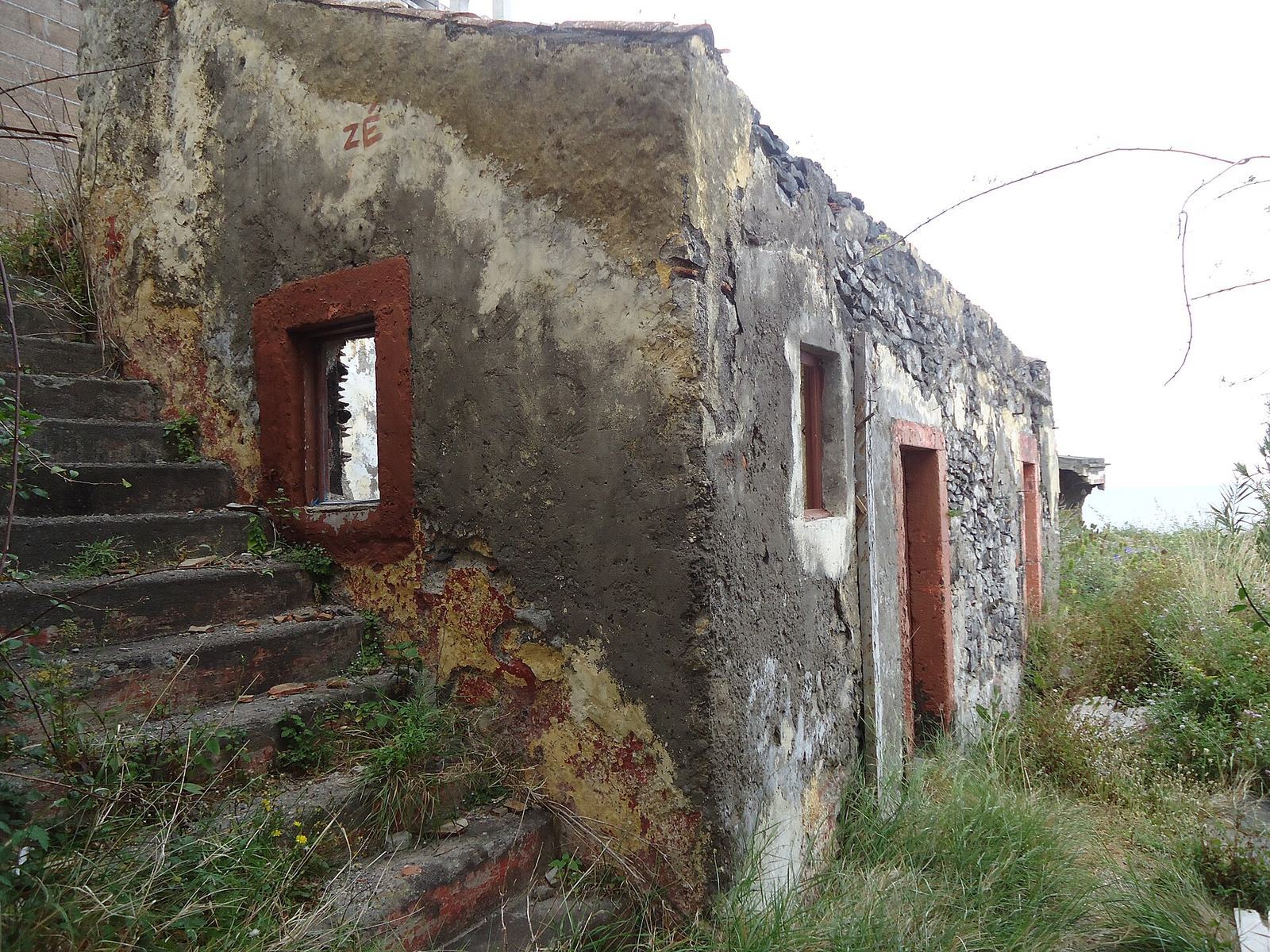
Fort São João Baptista is a ruined Portuguese coastal fort at Machico, on Madeira, Portugal, built in 1708. Also known as Forte do Desembarcadouro (Landing Place Fort), it is identified as the place where the Portuguese first landed on Madeira.
Earlier defenses and construction
A small fort called São Roque had been built at Machico by 1595. Plans for a fort there carry a late-eighteenth-century date, although the present Fort São João Baptista was already built in 1708. Governor Duarte Sodré Pereira directed its construction, two years after Fort Nossa Senhora do Amparo was built on the beach. The two forts were intended to protect the town and its anchorage, a place where ships could anchor, from pirates and privateers, privately owned vessels authorized by a government to attack enemy shipping.
Conflict and loss of military use
On 22 August 1828, forces loyal to Portugal’s absolutist King Miguel I landed at Machico. The landing preceded the Miguelist War, a conflict between Miguel’s supporters and liberal forces. Liberal troops occupying Machico’s two forts fought the landing fleet, and Fort São João Baptista engaged the brig Infante D. Sebastião, a two-masted sailing vessel. After the fighting, the fort lost its military role and fell into disuse.
Later uses and protection
The fort was leased to a private individual in 1898. During Madeira’s cholera epidemic in 1910, it was briefly used as a hospital. The municipal council leased it again in 1919, and Franciscan friars from Funchal used it as a children’s holiday camp in 1920. In 1943, it received Portugal’s Property of Public Interest designation, a category for protected cultural heritage.
Following Portugal’s 1974 Carnation Revolution, which ended the authoritarian regime, the fort’s buildings housed refugees from African colonies that had gained independence. The final resident families moved elsewhere in 2001.
Remains
Layout and buildings
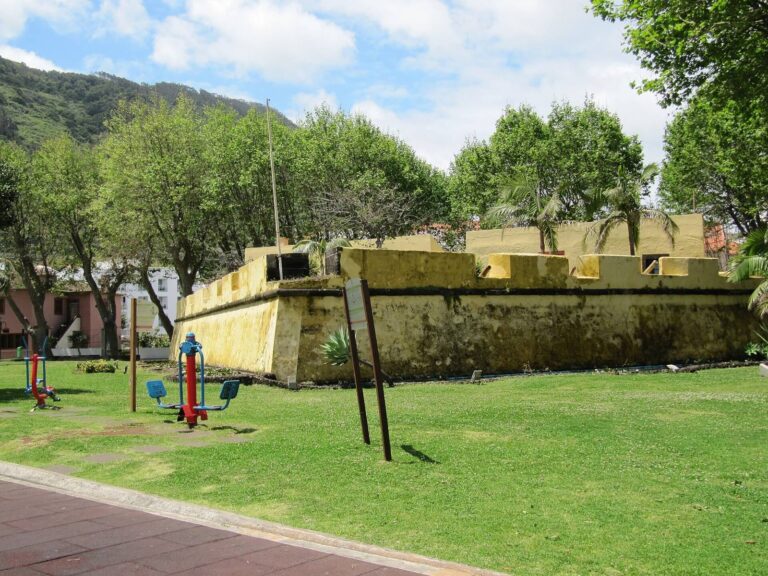
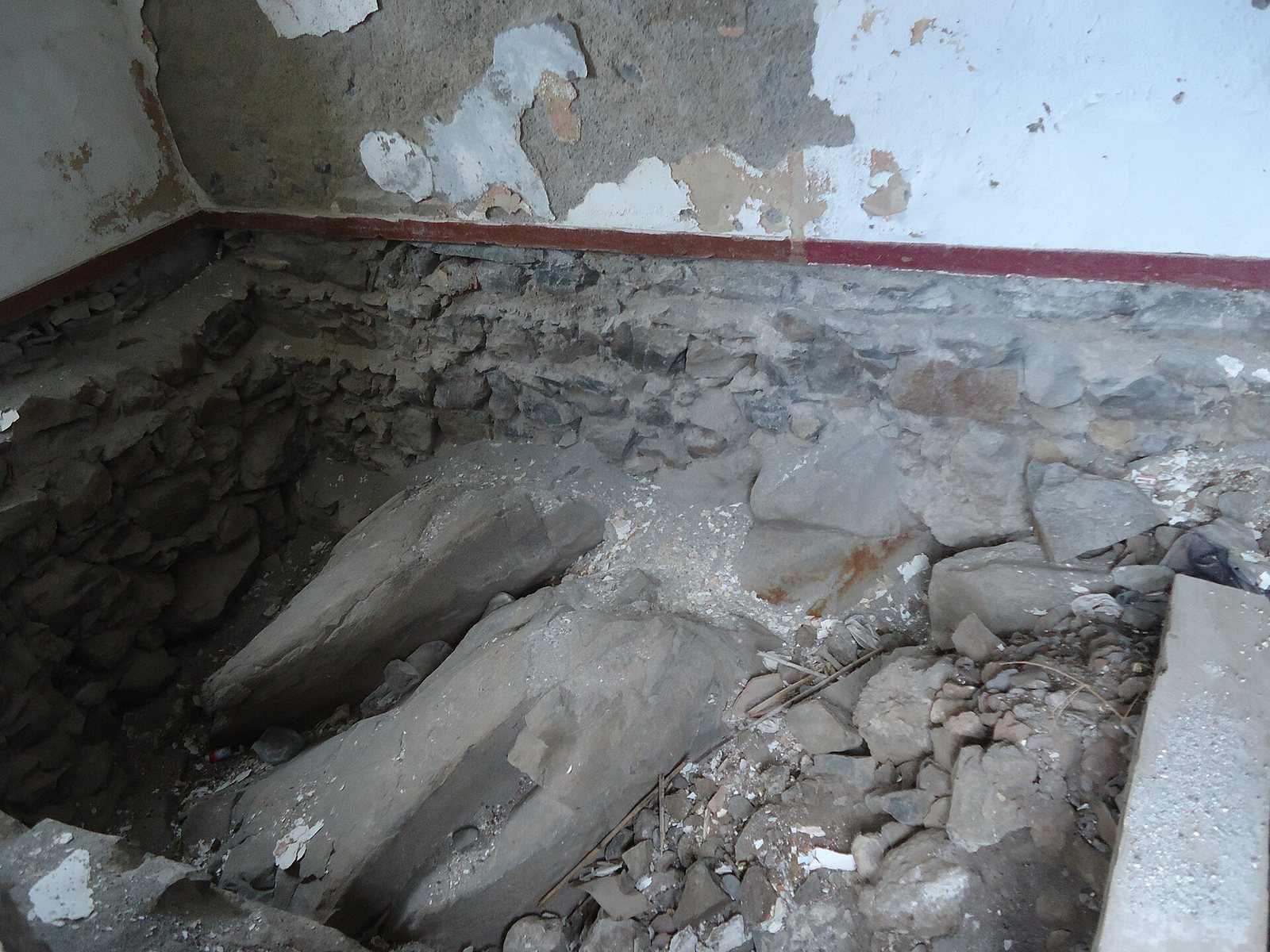
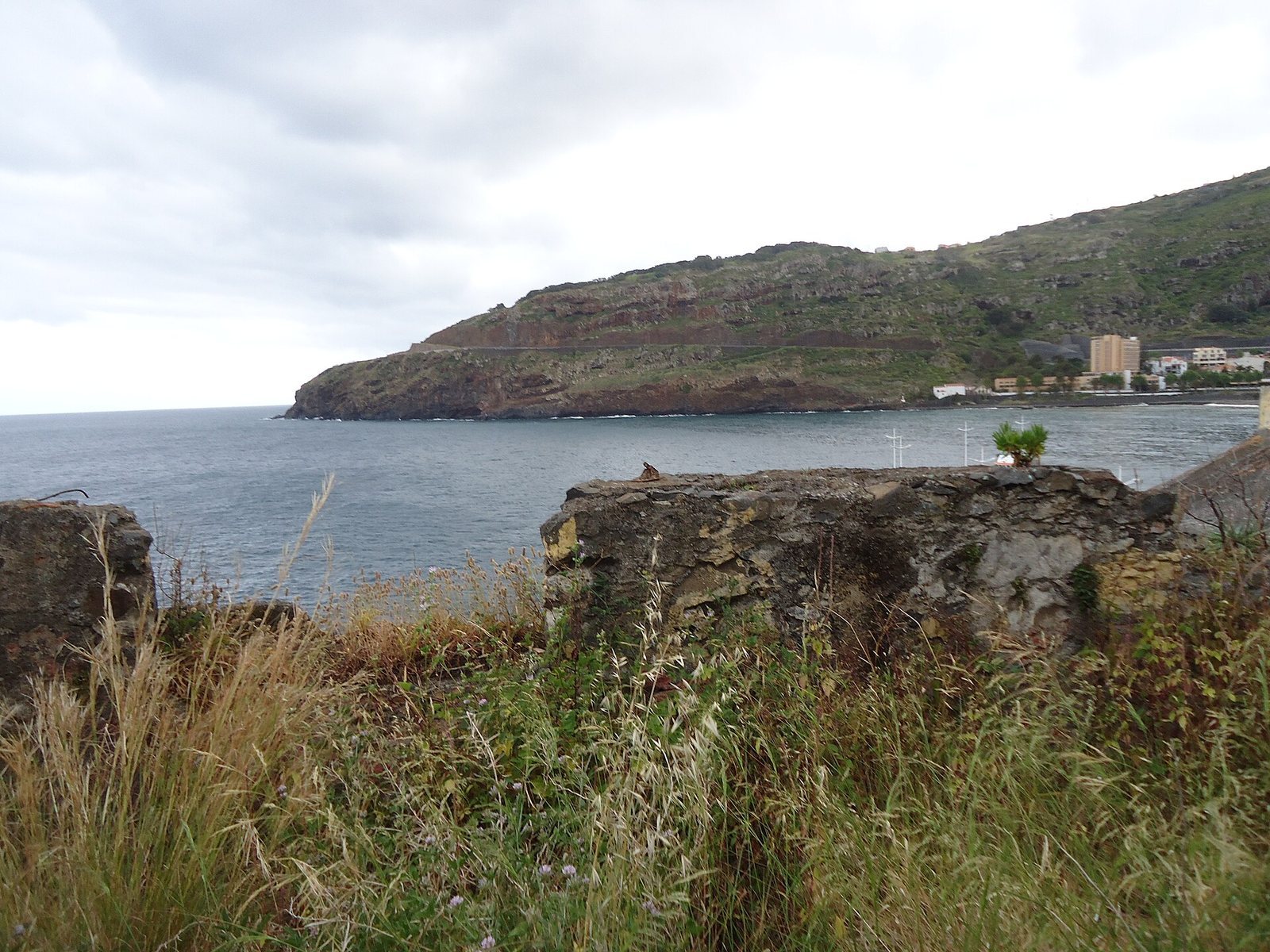
The ruined fort occupies sloping ground at the eastern end of Machico Bay, a few metres east of the town and at the foot of the 280-metre Pico do Facho. It overlooks Machico’s small harbour, used mainly as a marina. The complex is arranged as two roughly east-to-west rectangles, with an upper artillery position and a lower terrace and entrance.
Terraces and battery
The upper part held the battery, a position for artillery, while the lower part comprised a terrace and the entrance gate. This arrangement followed the slope of the site.
Walls and bastion
A five-sided bastion, a projecting defensive work, closes the fort at its northeastern end. It was the last of four planned bastions. The outer walls had crenellations, alternating raised sections and gaps along the top, and loopholes, narrow openings through which weapons could be fired. A plaque above the gate commemorates the fort’s construction and bears the year 1708.
Main buildings and chapel
The main building complex had a two-storey façade, with numerous small sheds arranged around it. A chapel within the fort is dedicated to John the Baptist, the Christian saint after whom the fort is named.