Palazzo Chigi of Ariccia: A Baroque Palace and Cultural Centre
Site at a Glance
- Popularity
- High
- Country
- Italy
- Primary era
- Early Modern
- Eras represented
- Early Modern
- Civilizations
- Papal States
- Site type
- Domestic
- Remains
- Elite Residence
On this page13 sections
History
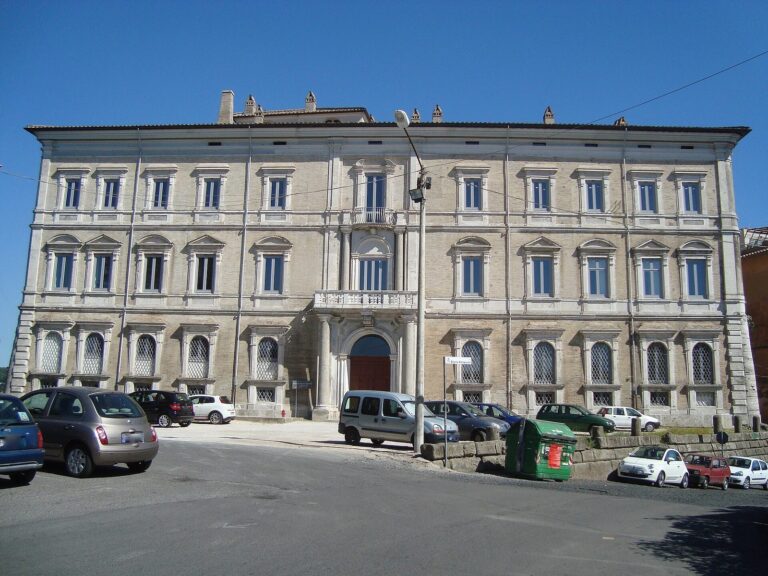
Palazzo Chigi of Ariccia is a Baroque palace in Ariccia, Italy, rebuilt from 1664 to 1672 as part of the Chigi family’s renewal of the town. Baroque was a European artistic and architectural style known for dramatic forms and rich ornament. The palace’s development began under the Savelli family and later became part of a wider urban project.
The Savelli Residence
The aristocratic Savelli family held the Ariccia fief, a territorial holding governed under feudal obligations, from 1423 to 1661. An early residence probably stood at Palazzaccio, in the area known as Gallinaro Nuovo. A notarial deed dated 2 April 1581 supports that identification.
By the late sixteenth century, Duke Camillo Savelli had apparently built a later ducal residence. A document from 1608 mentions it, and a public assembly took place there in 1611.
The Chigi Rebuilding
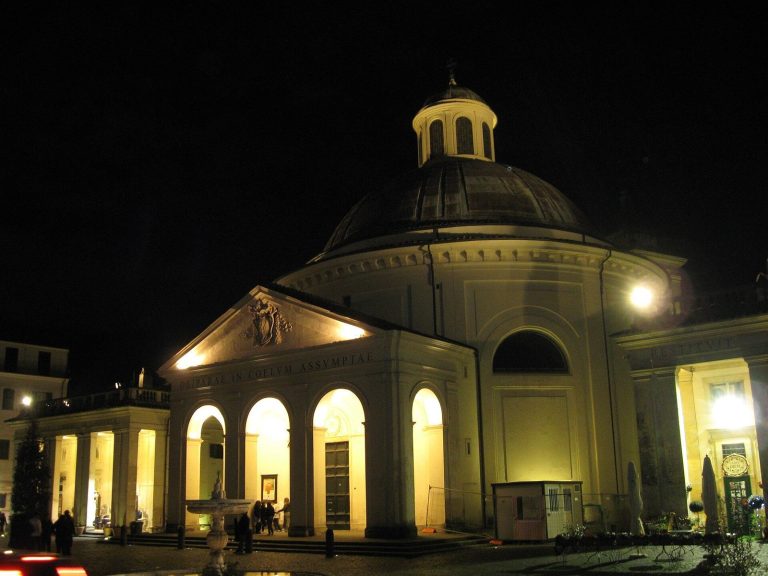
On 20 July 1661, Cardinal Flavio Chigi and Princes Mario and Agostino Chigi purchased the Ariccia fief from Prince Giulio Savelli for 358,000 scudi, the plural of scudo, a historical Italian currency. The family planned to renew the settlement. In 1664, they commissioned Gian Lorenzo Bernini, a leading Italian architect and sculptor, to design the palace, a collegiate church, a church served by a chapter of canons, and Piazza di Corte. Carlo Fontana, Bernini’s pupil and close collaborator, prepared the detailed plans. The palace was rebuilt on the earlier Savelli residence between 1664 and 1672.
The Chigi also enlarged the 28-hectare park inherited from the Savelli period. Fontana directed the addition of paths, fountains and other structures, with Bernini overseeing the work. The palace hosted the first performances of Bernardo Pasquini’s La sincerità con la sincerità, overo Il Tirinto in 1672 and Pietro Simone Agostini’s Gl’inganni innocenti, ovvero L’Adalinda in 1673.
Later Changes and Modern Use
In 1740, Prince Augusto Chigi spent 40,000 scudi on the palace’s New Tower. During the fighting around the Roman Republic of 1798–1799, a short-lived republic formed in Rome amid the French Revolutionary Wars, troop movements disrupted the palace and park.
During the Second World War, Allied army units camped in the palace and grounds. After the Ariccia bridge was blown up on 2 June 1944, the park became an alternative route for civilian traffic. An air raid damaged frescoes in two rooms on the palace’s principal floor, though the building remained substantially intact.
In 1962, filmmaker Luchino Visconti shot much of The Leopard in the palace. The film’s well-known ballroom scene was filmed elsewhere, at Palazzo Valguarnera-Gangi in Palermo. On 29 December 1988, Agostino Chigi Albani della Rovere sold the palace and park to the Municipality of Ariccia under agreed conditions. They are now used for exhibitions and cultural events.
The Roman Baroque Museum, or Museo del Barocco Romano, opened in the palace in 2007. Its seventeenth- and eighteenth-century Roman art holdings include the Fagiolo collection, formerly owned by art historian Maurizio Fagiolo; paintings given by Fabrizio Lemme, Fiammetta Luly and their children Giuliano and Ilaria; and the Laschena and Ferrari collections, among other gifts. The palace also holds the Chigi Library and art-history libraries donated by Beatrice Chiovenda Canestro, Deoclecio Redig De Campos, a former director of the Vatican Museums, and others. Architect and art historian Francesco Petrucci has served as the palace’s conservator since 1998, working to preserve and promote its cultural heritage.
Remains
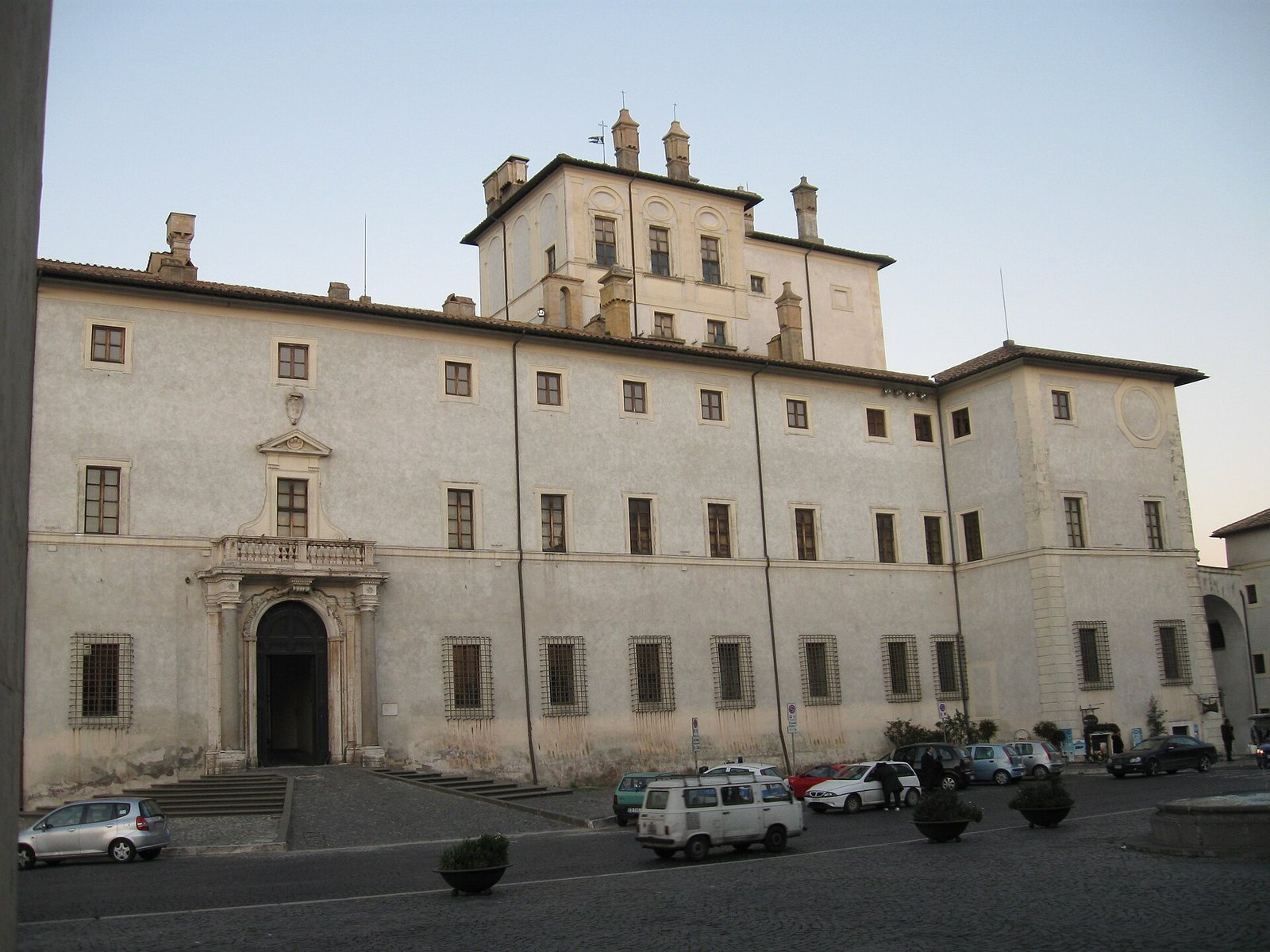
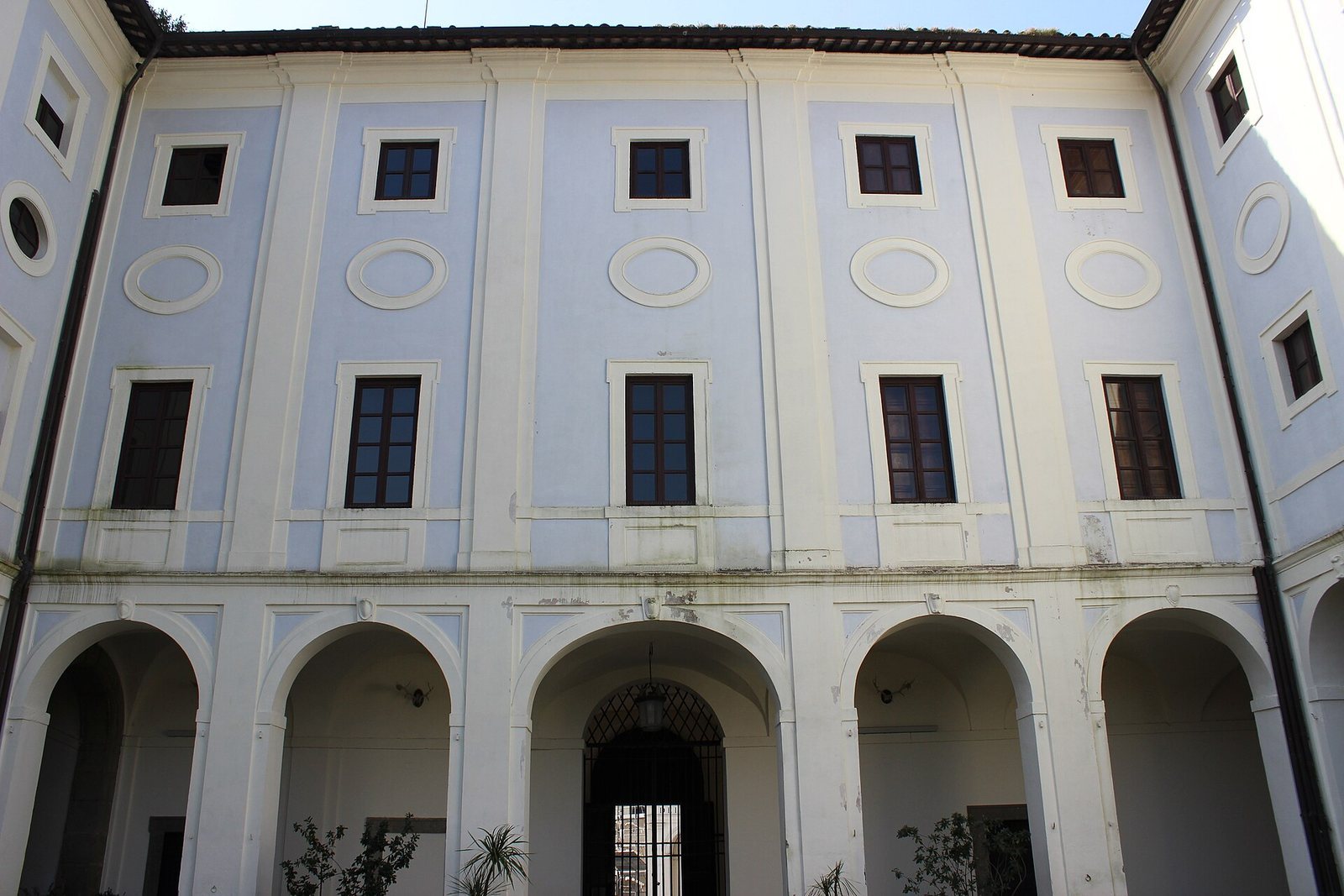
The palace complex occupies central Ariccia, where the five-floor building forms a monumental backdrop to Piazza di Corte. Its restrained exterior contrasts with richly decorated rooms within, while Parco Chigi extends the complex across a large area of grounds.
Palace and Park
Palace Exterior
The palace’s New Tower stands beside the Ariccia bridge and is symmetrical with the older wing. The building’s exterior presents a more restrained appearance than its richly furnished and decorated interiors.
Parco Chigi
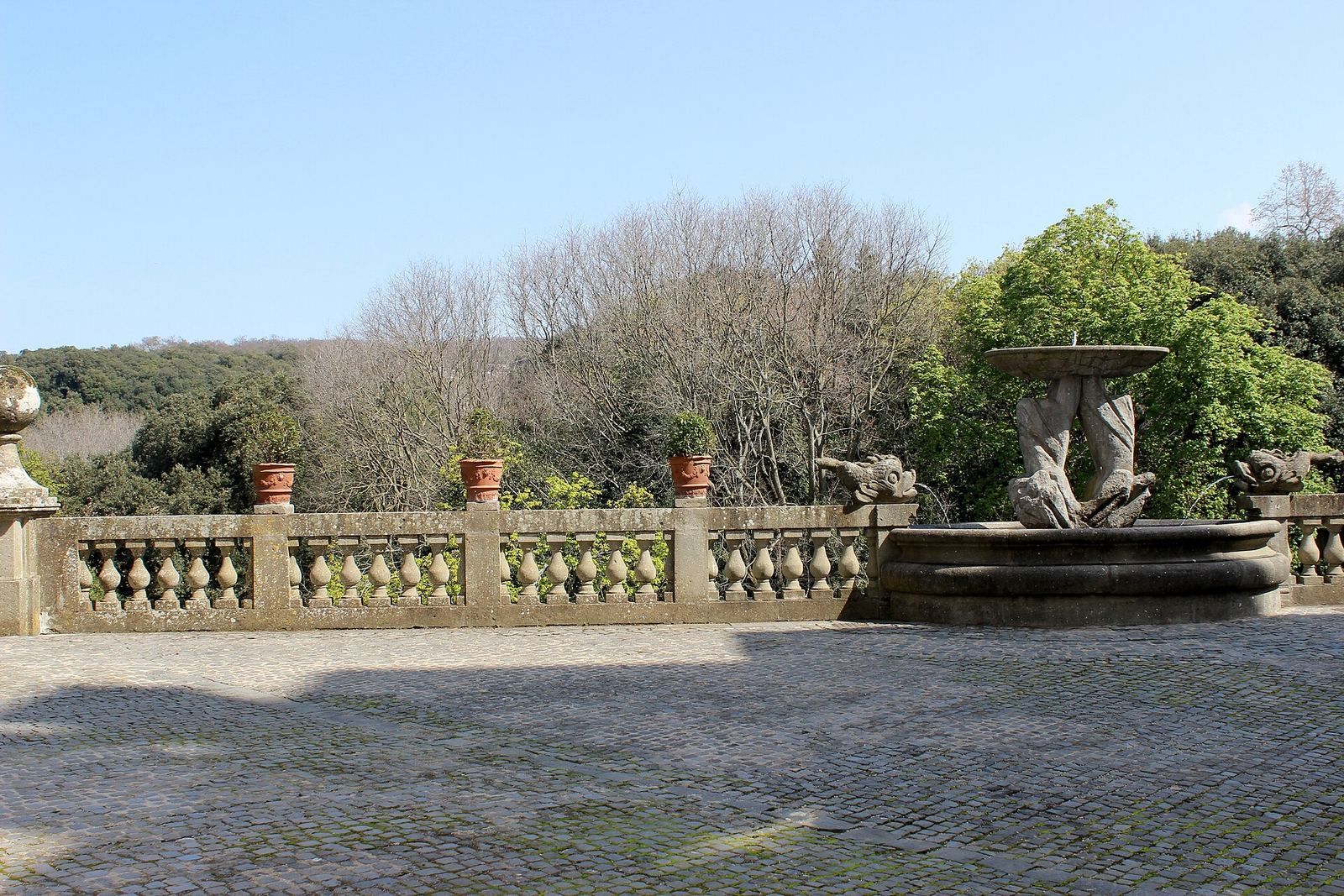
The park covers 28 hectares. Its landscape contains reused Roman architectural elements and the remains of buildings associated with its use as a hunting preserve.
Interiors and Collections
Furnishings and Frescoes
Much of the palace’s original furnishing survives, mostly from the seventeenth century. Its interiors include Baroque sculpture and furnishings associated with Bernini’s circle, among them leather wall hangings and a console by Bernini. Seventeenth-century frescoes sit alongside Neoclassical paintings, reflecting a style that revived forms and themes from ancient Greek and Roman art. The frescoes are by Pietro Mulier, Giuseppe Cades, Nicola la Piccola, Liborio Coccetti and Annibale Angelini.
Allegorical and Decorative Paintings
The Four Seasons was made by Mario de’ Fiori in collaboration with Carlo Maratta, Bernardino Mei, Giacinto Brandi, Giovanni Maria Morandi and Filippo Lauri. Other works include Pier Francesco Mola’s Allegory of the Senses and preparatory drawings by Cavalier d’Arpino for mosaics in the dome of St Peter’s Basilica. Michelangelo Pace, known as il Campidoglio, painted The Chigi Fiefs with Greyhounds.
Paintings designed to imitate tapestries include works commissioned by Cardinal Ottoboni for Palazzo della Cancelleria, by Domenico Paradisi, Michelangelo Ricciolini and Francesco Borgognone. Giovanni Battista Magni, known as il Modanino, made Imitation Tapestries with Putti at Play, in which putti are childlike figures in art.
Landscapes and Religious Works
The landscape paintings include works by Jos de Momper, Tempestino and Egidio de Monte. Salvator Rosa painted Pindar and Pan, while Jos de Momper and Alessandro Mattia da Farnese collaborated on Marine Landscape with Saint Augustine. Giovanni Battista Gaulli, known as Baciccio, painted Blessed Giovanni Chigi Doing Penance. In Catholic usage, Blessed identifies a person who has been formally beatified.
Portraits
Baciccio’s portraits include Pope Clement IX and Cardinal Sigismondo Chigi. Jacob Ferdinand Voet painted Cardinal Flavio Chigi, Sister Maria Lutugarda, Sister Flavia Virginia, Agostino Chigi and Maria Virginia Borghese. Giovanni Maria Morandi also portrayed Maria Virginia Borghese and Mario Chigi.
Other portraits include Venerable Aurelio Chigi by Francesco Vanni, Cardinal Fabio Chigi by Carlo Cesi and Sister Berenice by Francesco Trevisani. Venerable is a title used in the Catholic canonization process for someone recognized for heroic virtue. The collection also includes Anna Caffarelli Minutoli’s Serie delle Belle (Series of Beauties) and works by Filippo Loreti, Ludwig Guttenbrunn, Agostino Masucci and Kobler.