Hospital de São Marcos: Braga’s Historic Hospital Complex
Site at a Glance
- Popularity
- Medium
- Country
- Portugal
- Primary era
- Early Modern
- Eras represented
- Early Modern
- Civilizations
- Portuguese
- Site type
- Civic
- Remains
- Hospital
On this page11 sections
History
Medieval hospitals in Braga
Hospital de São Marcos is a former hospital complex in Braga, Portugal, formally founded in 1508 by Archbishop Diogo de Sousa to replace three smaller charitable hostels. It arose in a city with a much older tradition of hospital care. On 31 May 1122, an estate was sold to Templar friars for two morabitinos, a medieval monetary unit; the property stood beside a well belonging to an existing hospital. Between 1122 and 1128, Paio Mendes endowed a hospital in Braga and its surrounding territory with property he had owned before becoming archbishop. Known as the Order of the Hospital, a religious order associated with caring for the sick and supporting pilgrims, it was still active in 1162.
Archbishop João Peculiar granted a house at the hermitage of Saint Mark, along with revenue for its upkeep, to Gualdim Pais, leader of the Templars, a medieval religious military order, and to the order itself. King Afonso Henriques confirmed the gift in 1146, and Pope Alexander III later affirmed it. A tradition recorded by historian Rodrigo da Cunha says that Gualdim Pais brought relics from the Holy Land, including what was believed to be the body of Saint John Mark. According to the tradition, the relic was placed in a chapel and gave the site its name. Its reputation for healing illnesses was followed by the building of a hospital beside the chapel.
Another charitable hospital was endowed in 1145 by Pedro Ourives Bracarense, a goldsmith and benefactor, and his wife. They are believed to have established it for the poor near the Church of São João do Souto and placed its administration with the Templars. Braga’s other medieval hospitals included those of Rocamador, Saint James, and Rua Nova.
Foundation and administration
Diogo de Sousa established Hospital de São Marcos in 1508 to bring three small charitable hostels into a single institution. The municipal council initially managed it. In 1559, Archbishop Bartolomeu dos Mártires moved its administration from the council, believing the hospital was being poorly run. The Santa Casa da Misericórdia de Braga, a charitable religious confraternity, then managed the institution until 1975.
Eighteenth-century development
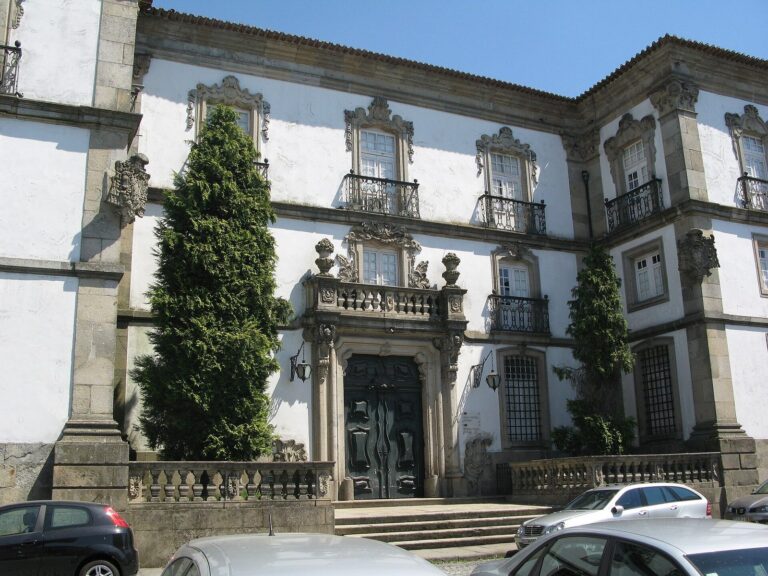
An eighteenth-century leprosarium, an institution for people with leprosy, stood on Rua das Águas, now Avenida da Liberdade, with fronts facing both that street and Praça de São Marcos. Its presence led to Rua das Águas being renamed Terreiro de São Lázaro. The hospital complex also expanded over the century, including construction of the North Building to a design by architect Carlos Amarante.
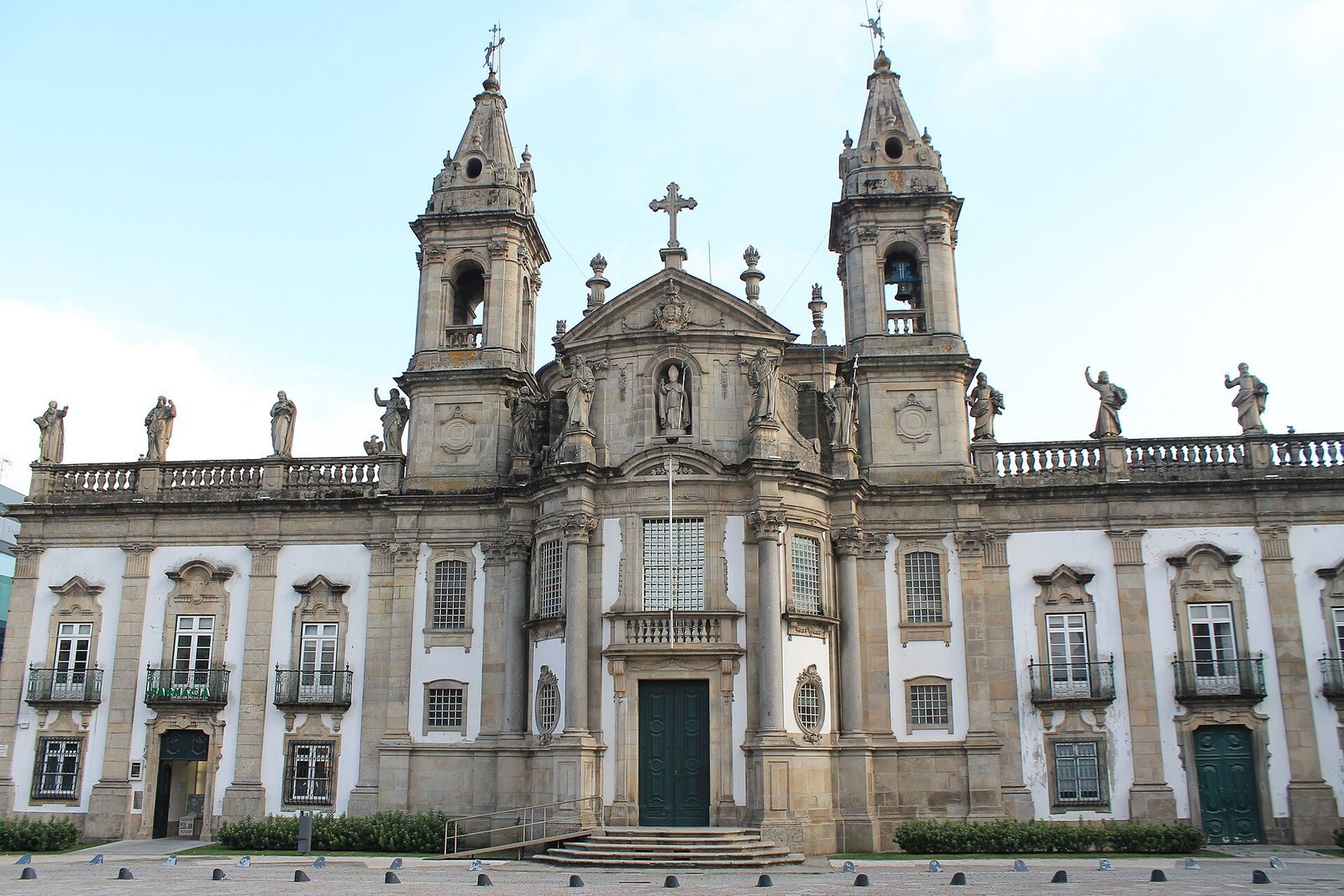
Work on the hospital church, which had stalled, resumed in 1794 at the expense of Archbishop Caetano Brandão. He regarded spiritual care as part of the hospital’s provision for patients. A Jesuit who had returned from Brazil, Brandão had become Archbishop of Braga in 1790 and, as president of the Misericórdia, also donated substantially to the hospital and visited patients monthly. In 1798 he established a surgical school.
Modern hospital and transition
The main hospital façade and the church façade have held Portugal’s Property of Public Interest designation, a protected-heritage status, since 1956. The hospital later joined the public hospital network as a central hospital, a major institution providing specialist care and medical teaching. On 31 December 2007 it had 521 active beds, including 37 in its Department of Psychiatry and Mental Health, and served as the Minho region’s referral hospital for a population of 1.1 million.
In 2008, management passed to a private consortium led by José de Mello Saúde through a healthcare public-private partnership connected with a newly built Hospital de Braga. Operations moved to the new hospital in May 2011, and the old complex was vacated that year as the institution took the name Hospital de Braga. In 2016, the Santa Casa da Misericórdia de Braga, owner of the former hospital buildings, agreed with the Vila Galé hotel group to redevelop some of them for commercial use.
Remains
Buildings and layout
The complex reflects construction over successive centuries. Its principal named buildings include the North Building, the Palace of Raio, the South Building, the Rehabilitation and Orthopedics Pavilion, and the Central Operating Block. The hospital church also forms part of the complex.
North Building
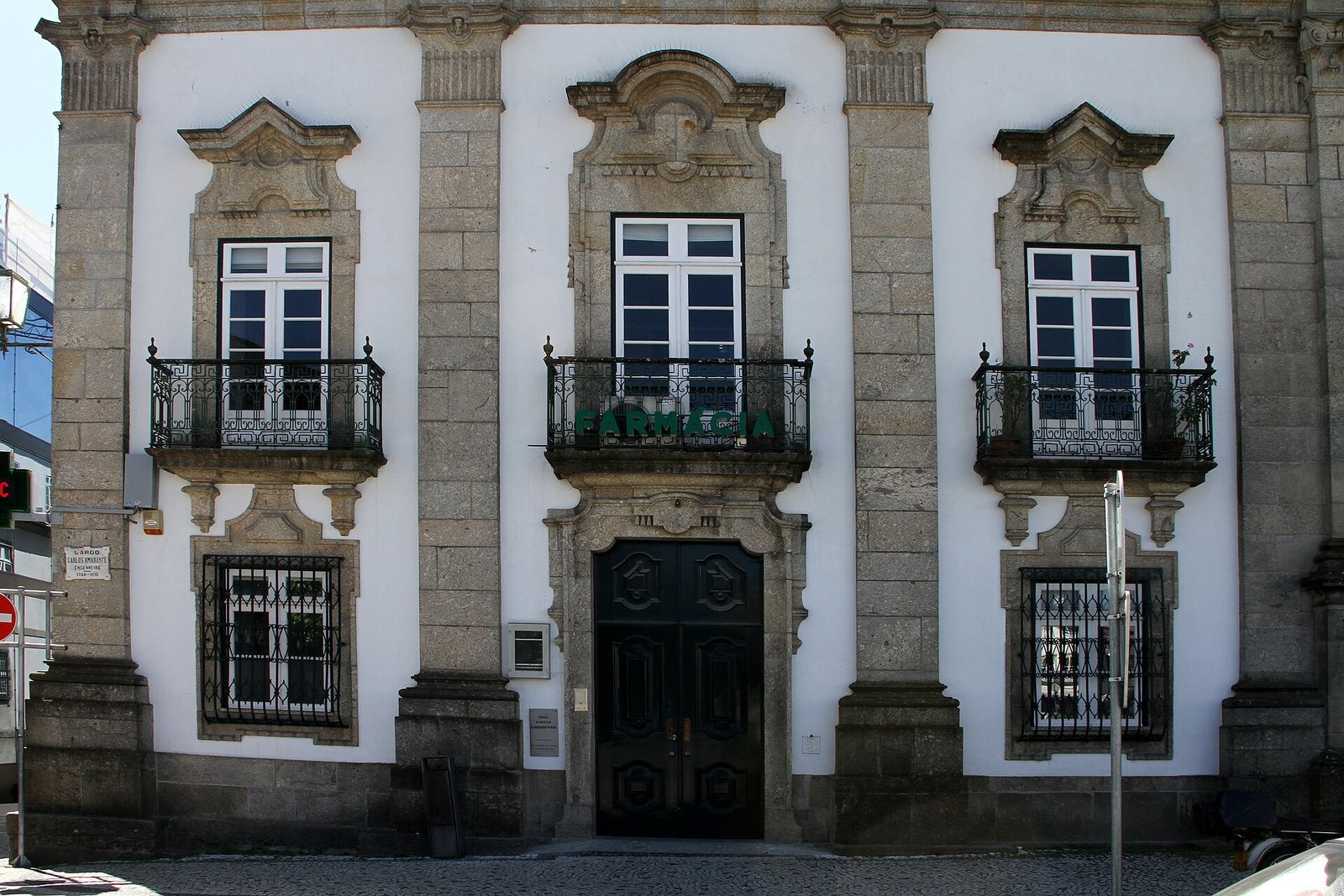
Erected in the eighteenth century to a design by Carlos Amarante, the North Building has a façade characteristic of Portuguese Baroque architecture. Baroque is a European style known for elaborate forms and ornament.
Hospital church
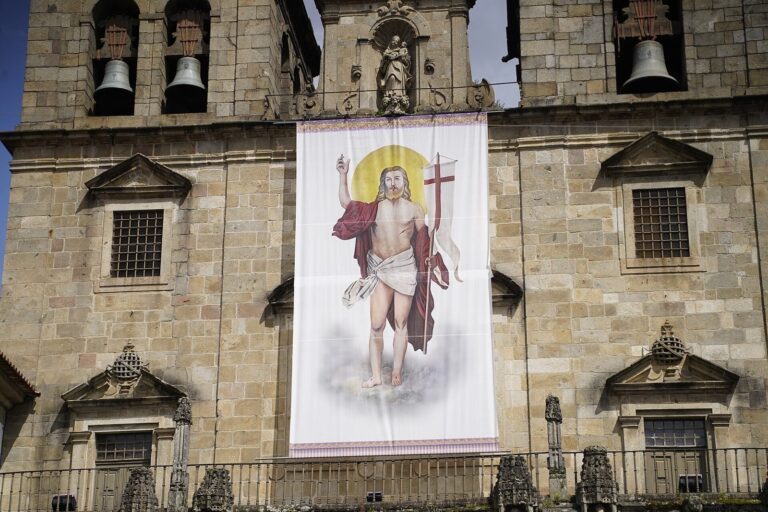
The church is incorporated into the hospital complex. Its façade is one of the two façades that carry the Property of Public Interest designation.
Palace of Raio and Diogo de Sousa Building
The former radiology building was demolished in 2015, revealing again the south elevation of the Diogo de Sousa Building, also known as the Old Hospital, and the west elevation of the Palace of Raio. The Palace of Raio is one of the buildings associated with the former hospital complex.
Other buildings and later uses
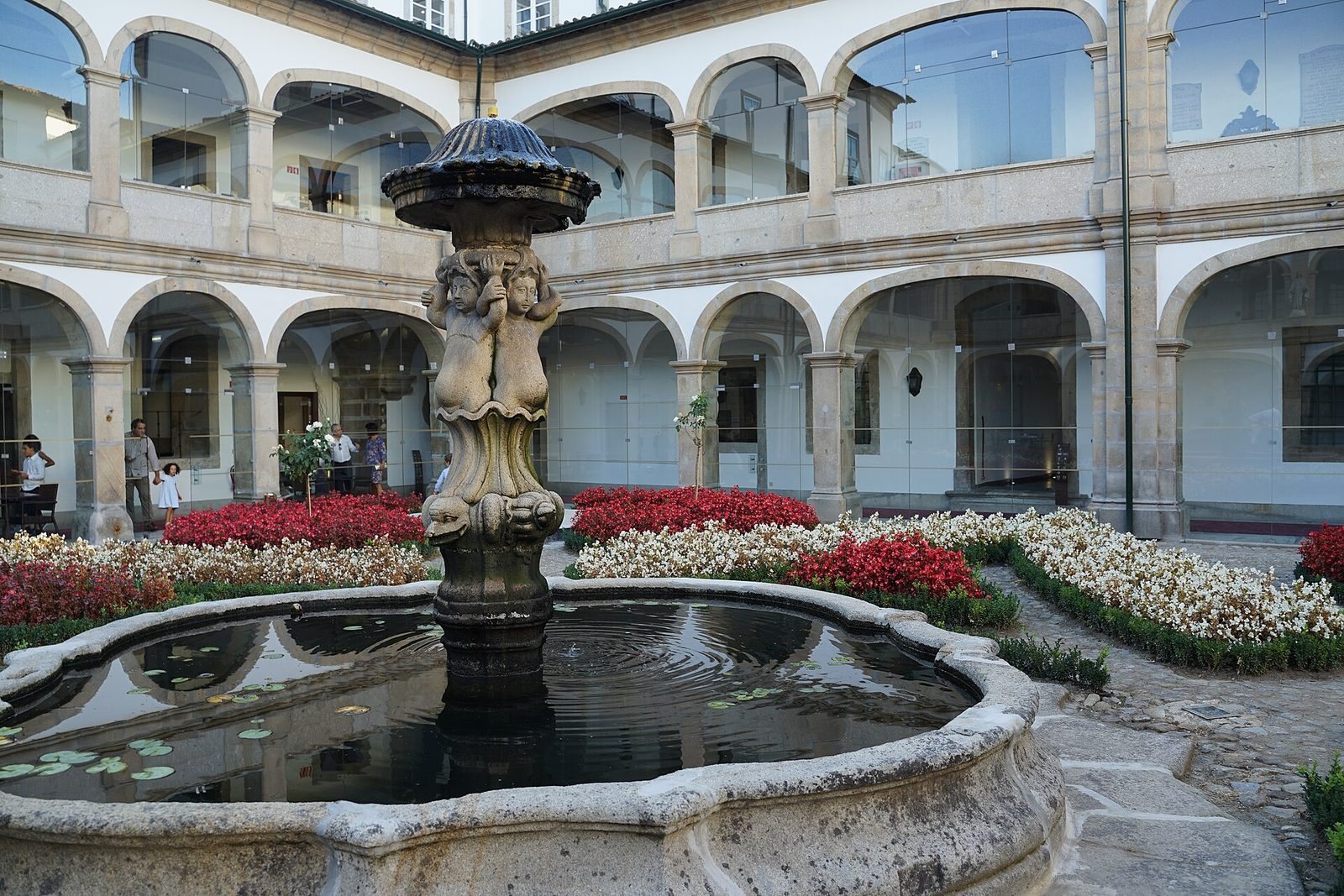
The South Building and the Rehabilitation and Orthopedics Pavilion form part of the complex’s successive building groups. Some former hospital buildings now house the Vila Galé Collection Braga hotel and the Pharmacy of the Misericórdia de Braga. A private hospital operates in the former Central Operating Block area.