Vasilyevsky Castle: A Russian Estate Building Later Used as a Sanatorium
Site at a Glance
- Popularity
- High
- Country
- Russia
- Primary era
- Modern
- Eras represented
- Modern
- Civilizations
- Unclassified
- Site type
- Domestic
- Remains
- Castle
On this page12 sections
History
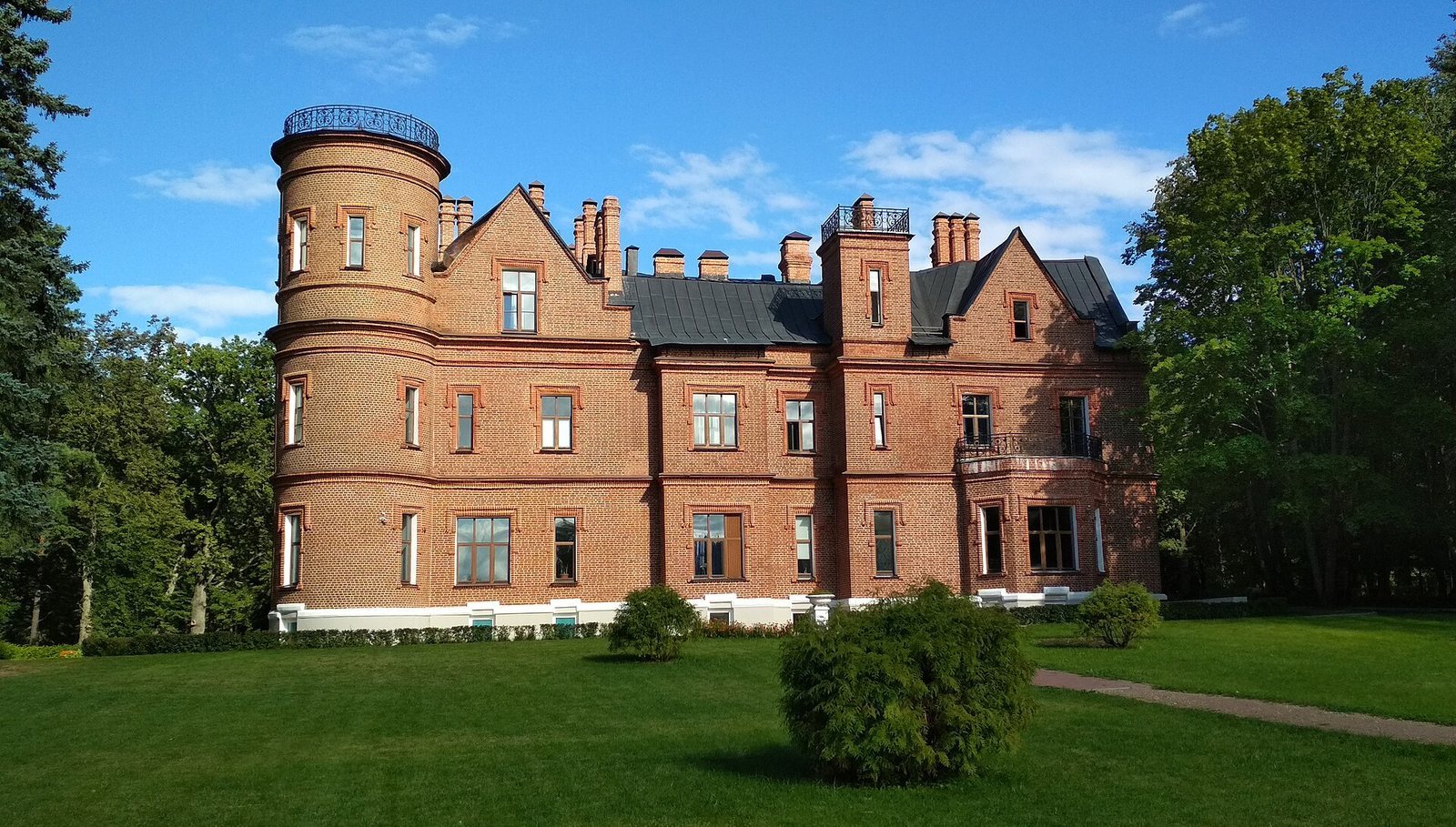
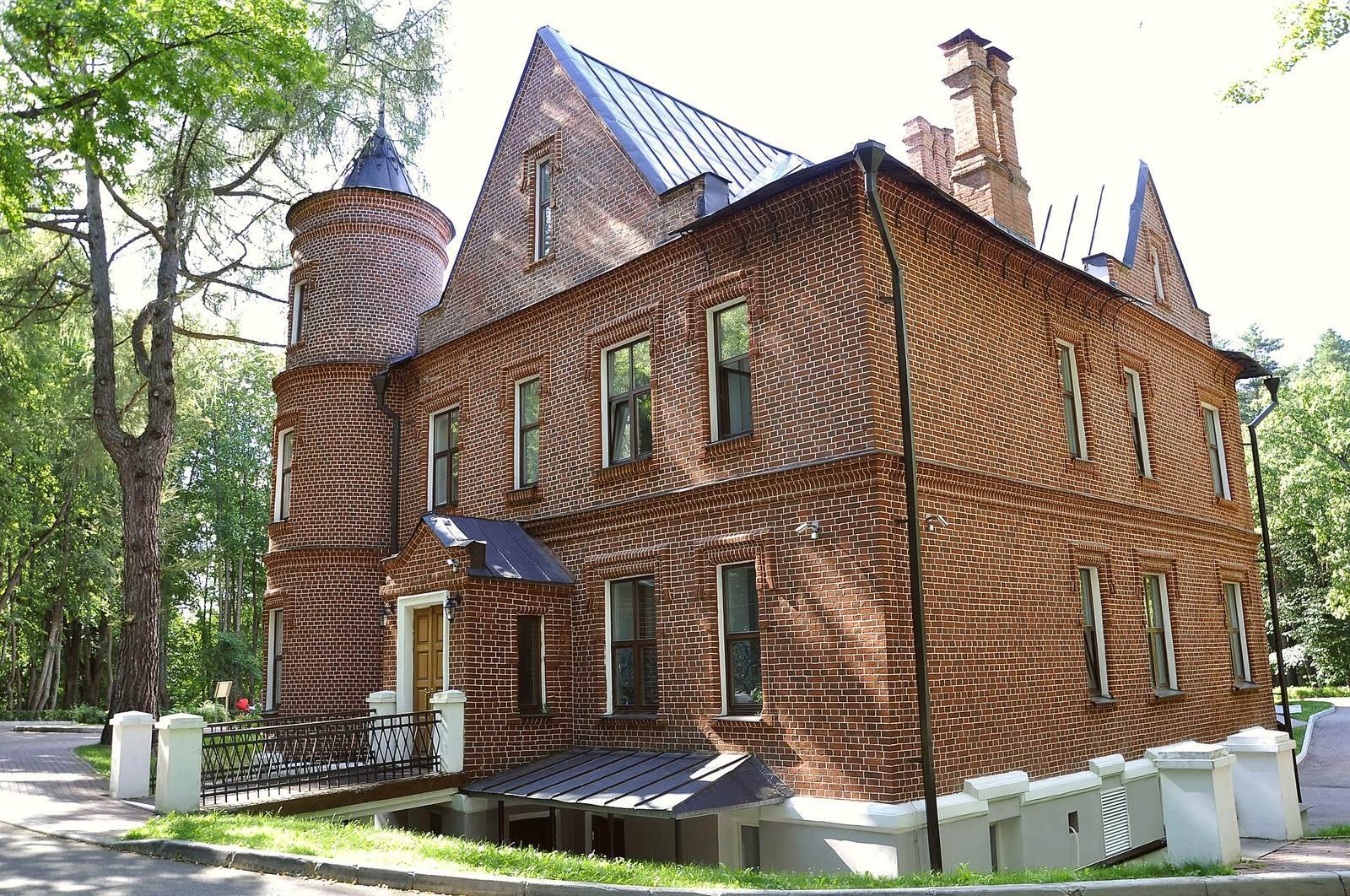
Vasilyevsky Castle, also known as Shcherbatov Castle, is an estate residence in the settlement of the sanatorium named for Alexander Herzen, a nineteenth-century Russian writer and political thinker, in Russia. Prince Alexander Shcherbatov, a Russian prince and landowner, commissioned it in 1881. Its design followed Victorian English architecture, styles associated with nineteenth-century Britain, and drew inspiration from English colonies, including India.
Private estate and sanatorium
Shcherbatov died before the Russian Revolution. His wife emigrated to France in 1918, and residents of nearby villages looted furnishings from the abandoned castle. Work began in 1919 to convert the building into a sanatorium for workers from the Moscow region, where patients could receive prolonged medical care.
After Vladimir Lenin, a Russian revolutionary leader and leading figure in the Bolshevik movement, visited the estate associated with Herzen and Shcherbatov, the sanatorium was intended for Kremlin employees instead. Wooden houses built around the castle formed the settlement of the sanatorium named for Herzen.
Wartime and postwar use
During the Second World War, the front line ran along the river, and the castle operated as a hospital for wounded people. The building was damaged. After the war, it was restored and used as a government sanatorium specializing in tuberculosis care, a role it retained from the postwar years until the 1960s.
Abandonment and renewed use
The castle was repaired in the mid-1960s, and its furniture was entirely replaced. A restaurant later operated on the first floor in the late 1990s and early 2000s. Heating and firefighting water supplies were disconnected in 2008, after which the building stood abandoned, with guards nearby. Reconstruction began in 2010, and in 2014 the castle entered service as part of the Herzen sanatorium.
Remains
Castle and estate grounds
Castle
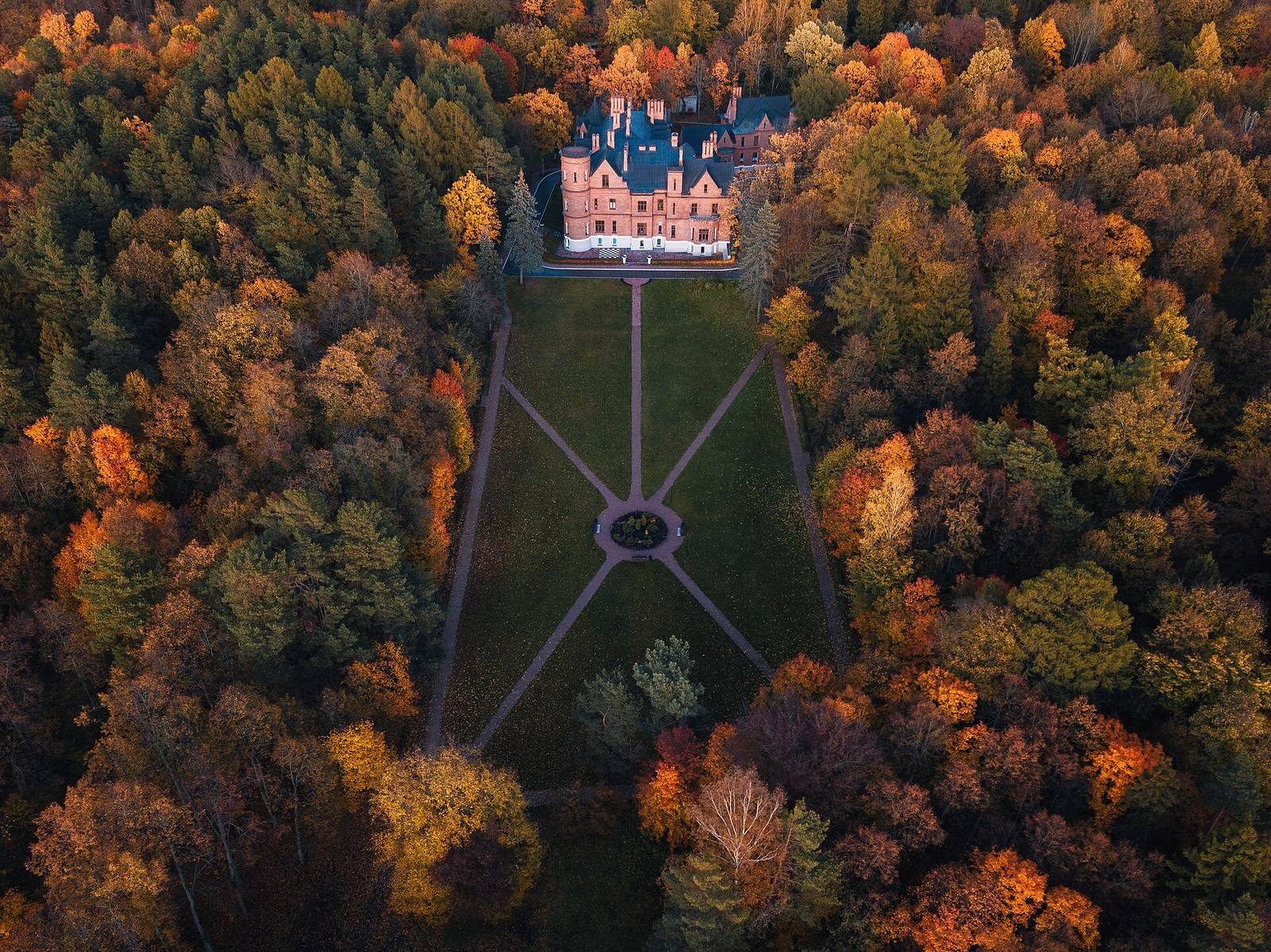
On the right-bank part of the Vasilyevskoe estate, the castle is arranged as a main building and a side wing joined by a donjon, the principal tower within a castle. Its layout reflects the Victorian English design described for the building.
Garden and park
A garden surrounded the castle. Shcherbatov and his wife planted it with exotic specimens brought back from their travels. The estate also included a menagerie with rare animals, greenhouses for exotic eastern plants, and a kennel. Tame roe deer and chamois were kept in the park.
Sanatorium buildings
Children’s treatment building
Building No. 2 was constructed in 1955 for the treatment of children.
Country Hospital
A building also designated No. 2 was erected in 1966 and is now the Country Hospital.
Interior finishes and repairs
Postwar work restored the finish of the former princely dining room and replaced parquet flooring that had deteriorated during the war. Missing details above the living-room fireplace were recreated by burning designs into wood. To dry the walls, a drainage system was laid around the building, with a ditch, runoff channels, and drainage pipes. In the mid-1960s, the walls were repainted and the woodwork, doors, and parquet were varnished again at the chief physician’s direction. Roof replacement begun in the mid-1990s continued into winter, after which waterlogged plaster started falling from the third floor.