Castelvecchio: The Medieval Fortress of Padua
Site at a Glance
- Popularity
- Medium
- Country
- Italy
- Primary era
- Medieval
- Eras represented
- Medieval
- Civilizations
- Holy Roman Empire
- Site type
- Military
- Remains
- Castle
On this page10 sections
History
Castelvecchio is a medieval fortress in Padua, Italy. Its early defensive system grew around the Torlonga, a tower built in the ninth century at a strategic site previously occupied by Roman fortifications.
Early defenses
The tower is first mentioned in 1062. A short defensive wall was added in the tenth or eleventh century, and the tower was later incorporated into the city walls built when Padua was governed as a commune.
Ezzelino’s fortress
Construction of Ezzelino III da Romano’s castle began in 1237. Ezzelino was a thirteenth-century lord who ruled Padua and other territories in northeastern Italy. Local kilns could not supply the tens of thousands of bricks the project required, so ten substantial homes belonging to families opposed to him were demolished for building materials, altering the city.
From 1241, Ezzelino used the castle to imprison members of the Guelf opposition, a faction generally aligned with the papacy. Both towers were designed as prisons. Their architect, Zilio Milanese, was himself held there. In 1256, crusaders acting at Pope Alexander IV’s request entered and occupied Padua. The castle resisted for three days before Ezzelino’s rule ended.
Rebuilding under the da Carrara
After Ezzelino’s fall, the fortifications were abandoned and later rebuilt under the da Carrara, Padua’s ruling family in the fourteenth century. Umbertino da Carrara commissioned an elevated escape passage to the family palace between 1343 and 1345, the year he died. Its use was reserved for the prince and a group of paid soldiers.
In 1374, the castle was reconstructed while Francesco I da Carrara, lord of Padua from 1350 to 1388, was in power. Francesco pursued an expansionist policy during his rule.
Venetian defenses and changing names
Renaissance walls built by the Venetian commander Bartolomeo d’Alviano deprived the castle of its strategic value. Venice considered building another castle east of the walls, but the project produced only a few surviving bastions. During Venetian rule, the square before Castelvecchio was used for military exercises and public executions.
The fortress was once called the Castle of Torlonga. After construction of Castelnuovo, meaning “new castle,” began after 1513, it acquired the name Castelvecchio, or “old castle.” During the Romantic period it was also known as Ezzelino’s Castle, and Carrarese Castle is now a frequent alternative name.
Observatory and prison
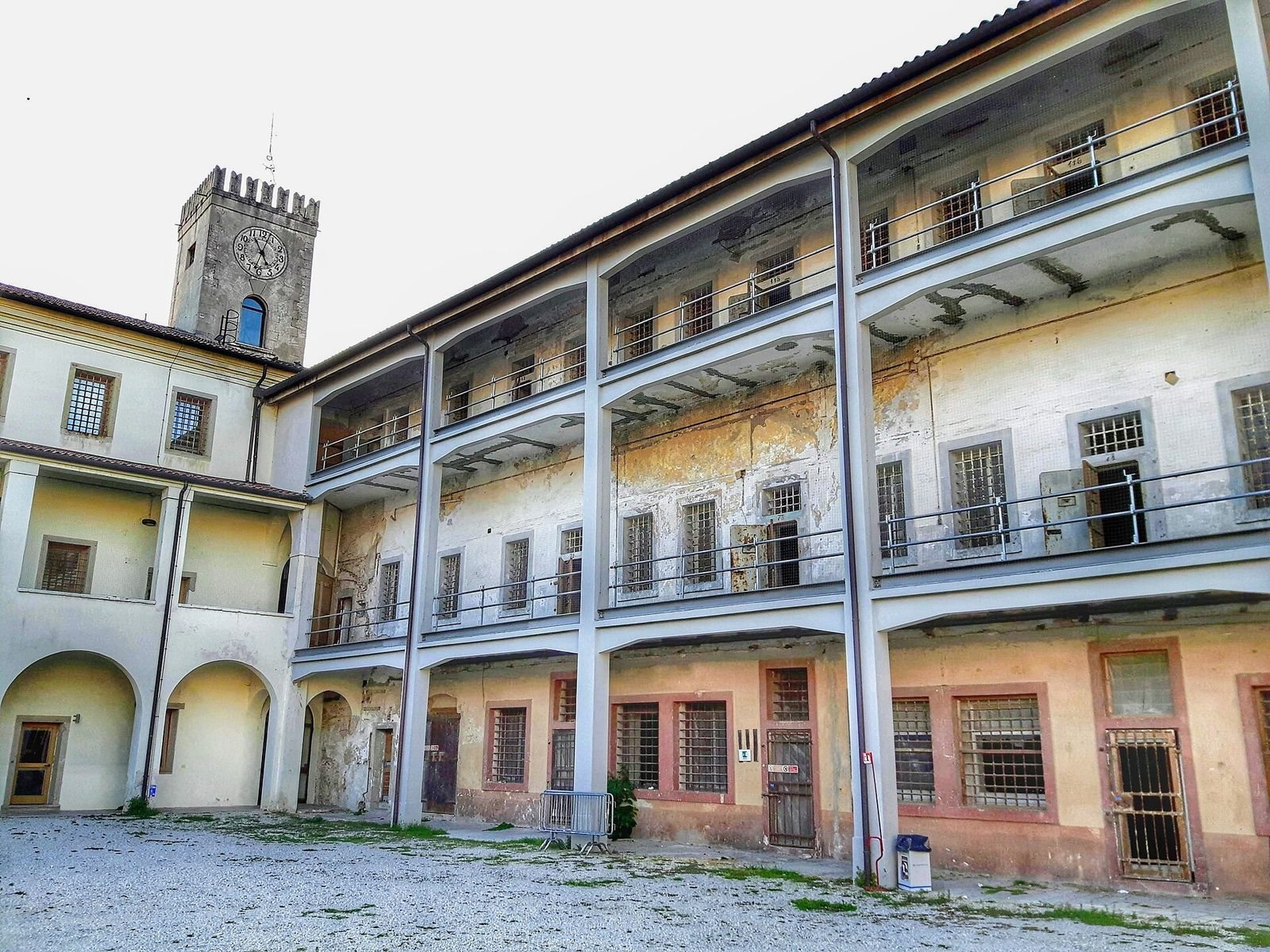
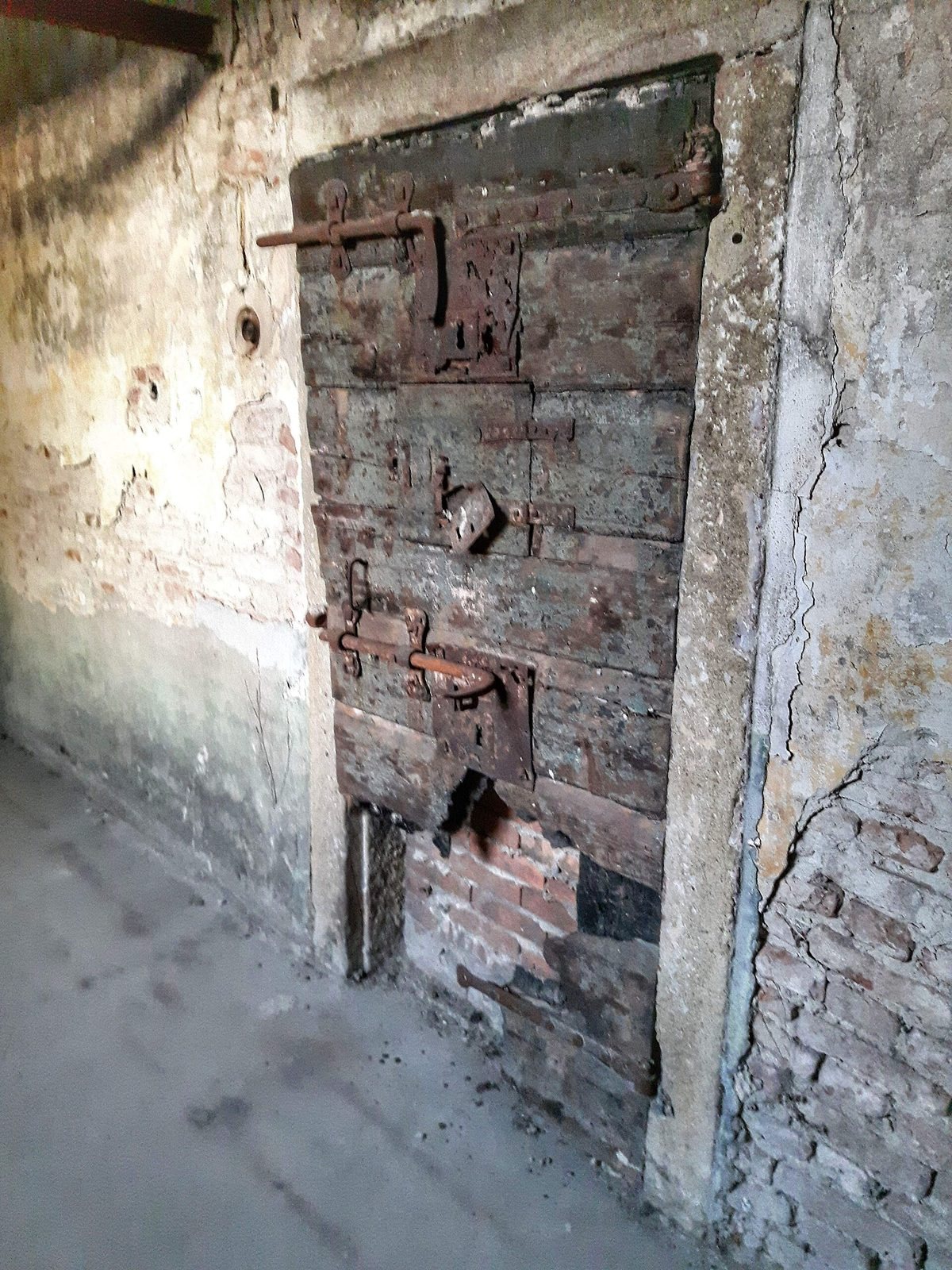
The conversion of the Torlonga into Padua’s astronomical observatory was completed in 1777. Under Napoleon’s rule, work to turn the castle’s remaining structures into a prison began in 1807. The prison continued operating until the end of the twentieth century, when a modern prison on Via Due Palazzi took its place.
Restoration
Extended restoration work began in the early twenty-first century to recover the complex for museum use. The castle remains under restoration.
Remains
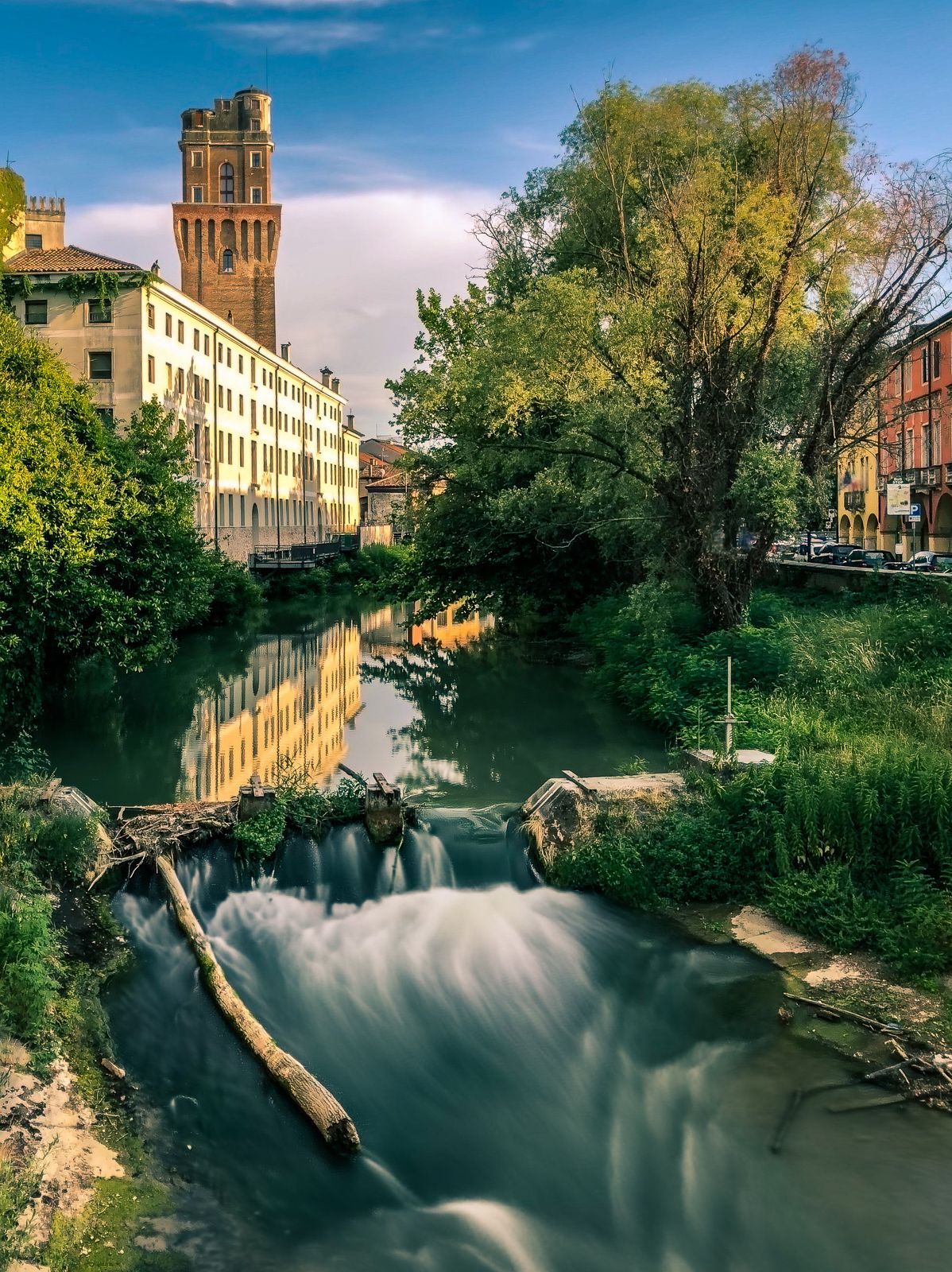
The castle stands where the Bacchiglione divides into the Tronco Maestro and the Naviglio interno. Its defensive layout included two towers and walls, with Piazza Castello in front. A few bastions survive east of the walls from Venice’s proposed new castle.
Torlonga and the defenses
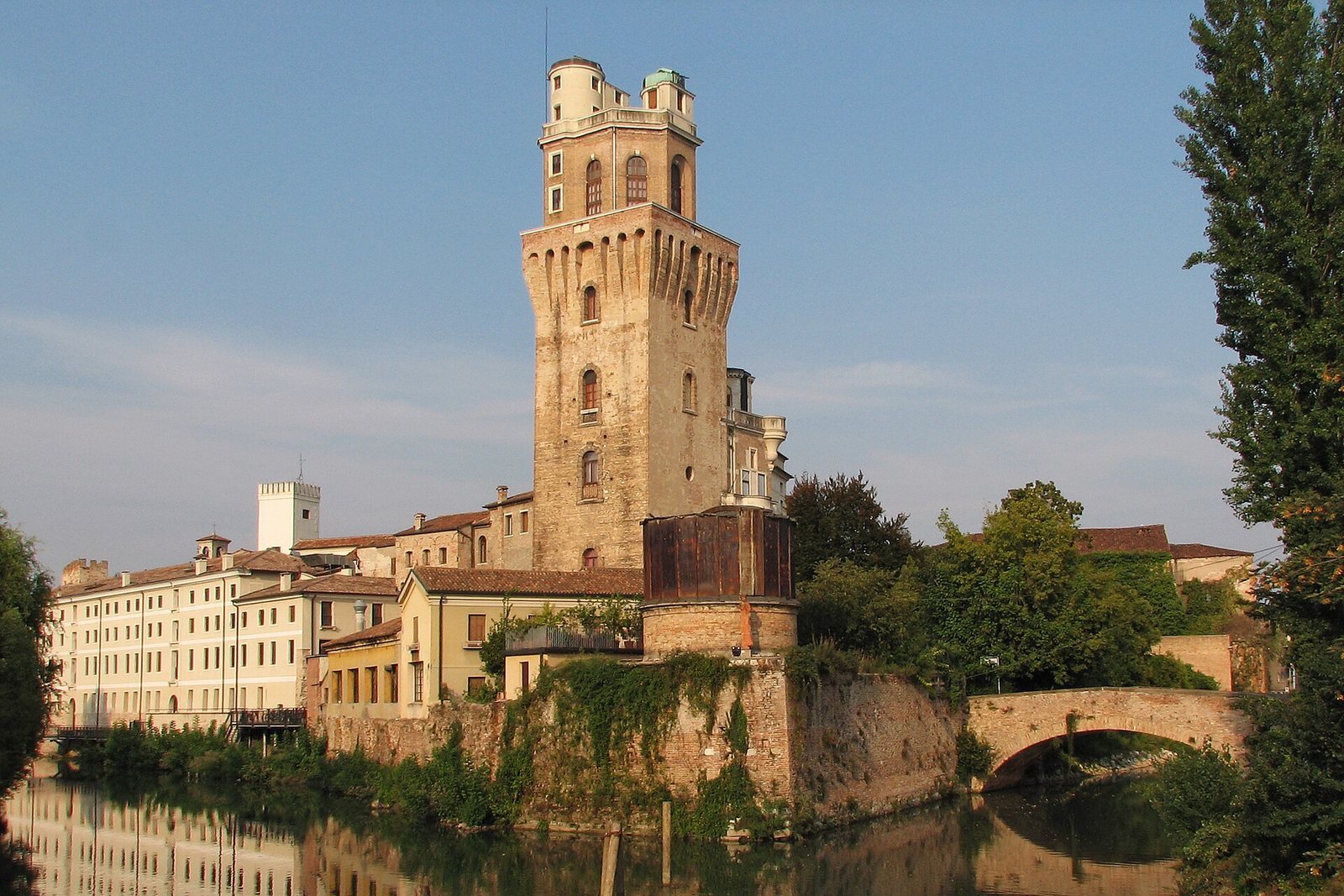
The Torlonga, whose name means “long tower,” is the larger of the two towers and served as the fortress’s principal fortified tower. Facing the countryside, it survives as the building used for Padua’s astronomical observatory, the Specola. A short wall protected its city-facing side, and a city gate was opened nearby to the west. The towers were known as the Zilie; in the 1374 rebuilding, both were painted in a red-and-white checkerboard pattern.
The passage and Piazza Castello
The elevated passage known as the traghetto linked the castle with the Carraresi palace and served as an escape route. Commissioned by Umbertino da Carrara between 1343 and 1345, it was reserved for the prince and a group of paid soldiers. Piazza Castello lies in front of the fortress.