Lesko Castle: A Rebuilt Polish Noble Residence
Site at a Glance
- Popularity
- High
- Country
- Poland
- Primary era
- Modern
- Eras represented
- Early Modern, Modern
- Civilizations
- Austria-Hungary, Austrian Empire, Habsburg, Kingdom of Poland, Polish–Lithuanian Commonwealth
- Site type
- Domestic
- Remains
- Castle
On this page9 sections
History
Lesko Castle is a late-Gothic residential castle in Lesko, Poland, above the San River. Construction of the more substantial castle began in 1538, and it became the seat of the Kmita family before passing through several Polish noble houses. Its history includes repeated rebuilding after wartime damage and fire.
Foundation and the Kmita family
A wooden fortified structure dating to 1491 preceded the castle. Hungarian and Wallachian forces devastated nearby Sobień Castle in 1512. In 1538, Piotr Kmita Sobieński moved his seat from Sobień to Lesko and began building the new residence. He was a Polish magnate who held the office of Grand Marshal of the Crown, a senior position in the royal administration.
The castle was probably completed after Piotr’s death in 1553. His widow, Barbara Kmita, née Herburt, inherited the estate and finished the work. After Barbara remarried and moved to Greater Poland, Piotr’s property was divided between his sisters. The castle passed to Katarzyna, who was married to Stanisław Stadnicki. The Kmitas held the estate from 1538 to 1580, followed by the Stadnickis from 1580 to 1731, the Ossolińskis from 1731 to 1776, the Mniszchs from 1776 to 1799, and the Krasickis from 1799 until their expropriation in 1939.
Stadnicki and Ossoliński ownership
The Stadnickis undertook three remodeling campaigns. The castle was damaged during the Swedish Deluge, the Swedish invasion of the Polish-Lithuanian Commonwealth in the mid-seventeenth century, and further work followed. In 1704, during the Great Northern War, a conflict in northern and eastern Europe that lasted from 1700 to 1721, Swedish troops looted Jan Franciszek Stadnicki’s property, started fires, and blew up the seventeenth-century castle. Lesko was also burned. The castle’s walls, rooms, gates, furnishings, decorations, library, documents, and privileges were damaged or destroyed. Reconstruction took eight years and was completed in 1712.
Teresa Stadnicka brought the castle as a dowry to her husband, Józef Ossoliński. During Ossoliński ownership, Gotfryd Hoffman began repairs to the buildings but left them unfinished. Franciszek Pułaski, a Przemyśl cavalry captain and cousin of Kazimierz Pułaski, died at the castle on 16 August 1769 from wounds received at the battle of Hoszów. He belonged to the Bar Confederation, a coalition of Polish nobles opposing Russian influence and the authority of King Stanisław August Poniatowski. Marianna Ossolińska later brought the castle as a dowry to her husband, Józef Jan Wandalin Mniszech.
Fire and nineteenth-century rebuilding
A major fire devastated the castle in 1785, leaving ruins that passed as a dowry from Julia Teresa Mniszech to Franciszek Ksawery Krasicki when they married. In the early nineteenth century, Krasicki enlarged the castle for his son Edmund and Edmund’s wife, Maria Aniela. A further reconstruction began in 1836–1838 to a design by Wincenty Pol, a Polish poet, writer, and geographer. The work continued for 38 years.
Wartime damage and later use
The castle suffered damage in both world wars. From autumn 1914 to spring 1915, Russian soldiers looted and damaged its rooms, then set it on fire as they withdrew. During World War II, the building was damaged again, including in 1944. Soviet forces occupied it after 1939 until June 1941; German troops were stationed there after Germany attacked the Soviet Union.
After the war, the Krasicki family’s estate was expropriated, and the castle was used temporarily for storage and as a kindergarten. In 1956, the Makoszowy coal mine acquired and repaired the war-damaged building, which then served as a miners’ holiday center. The castle passed to the Gliwice Coal Agency in 1994 and later to the Gliwice Tourist Agency following changes among mining-company holiday centers. A restitution claim by the Krasicki family received an initially favorable decision from the regional governor in 2000, but Lesko municipality challenged it. The case remained unresolved in 2023, when the agency transferred management to the head of Lesko County.
Remains
Setting and fortified form
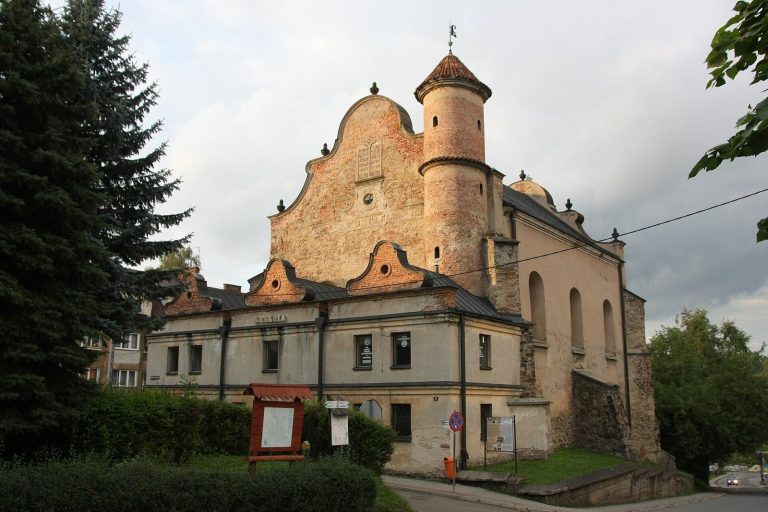
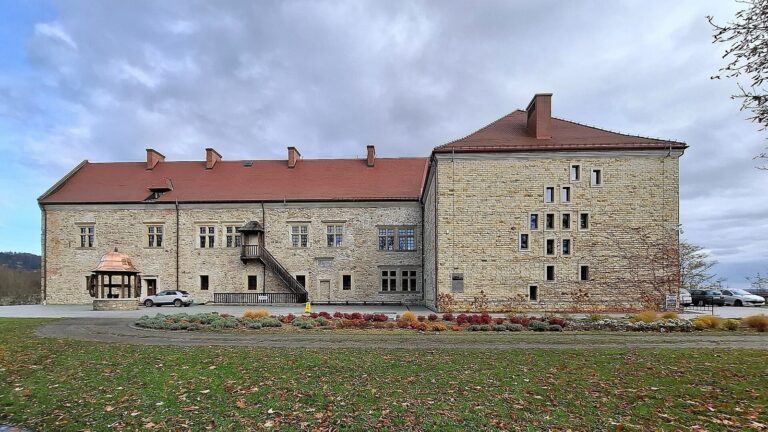
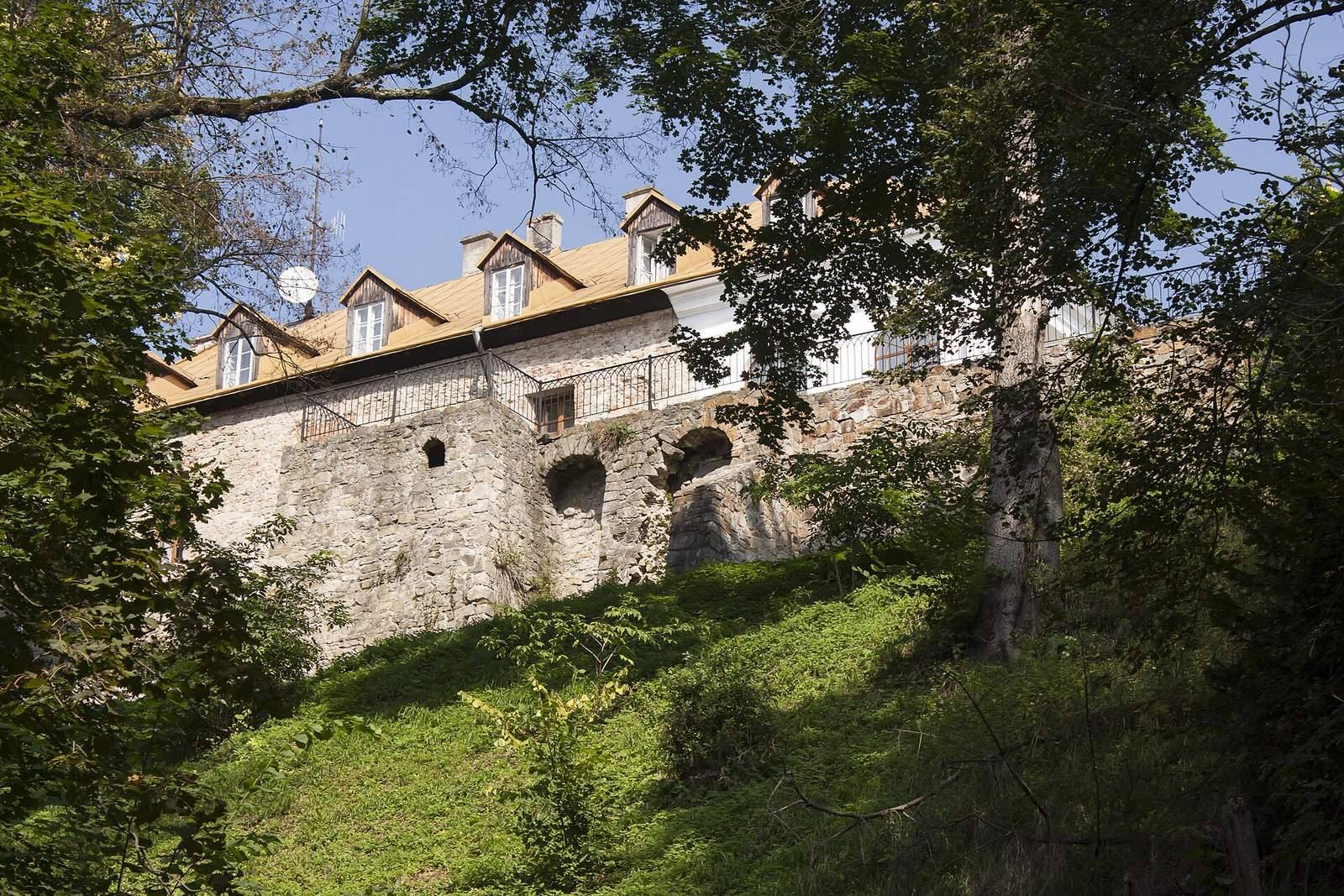
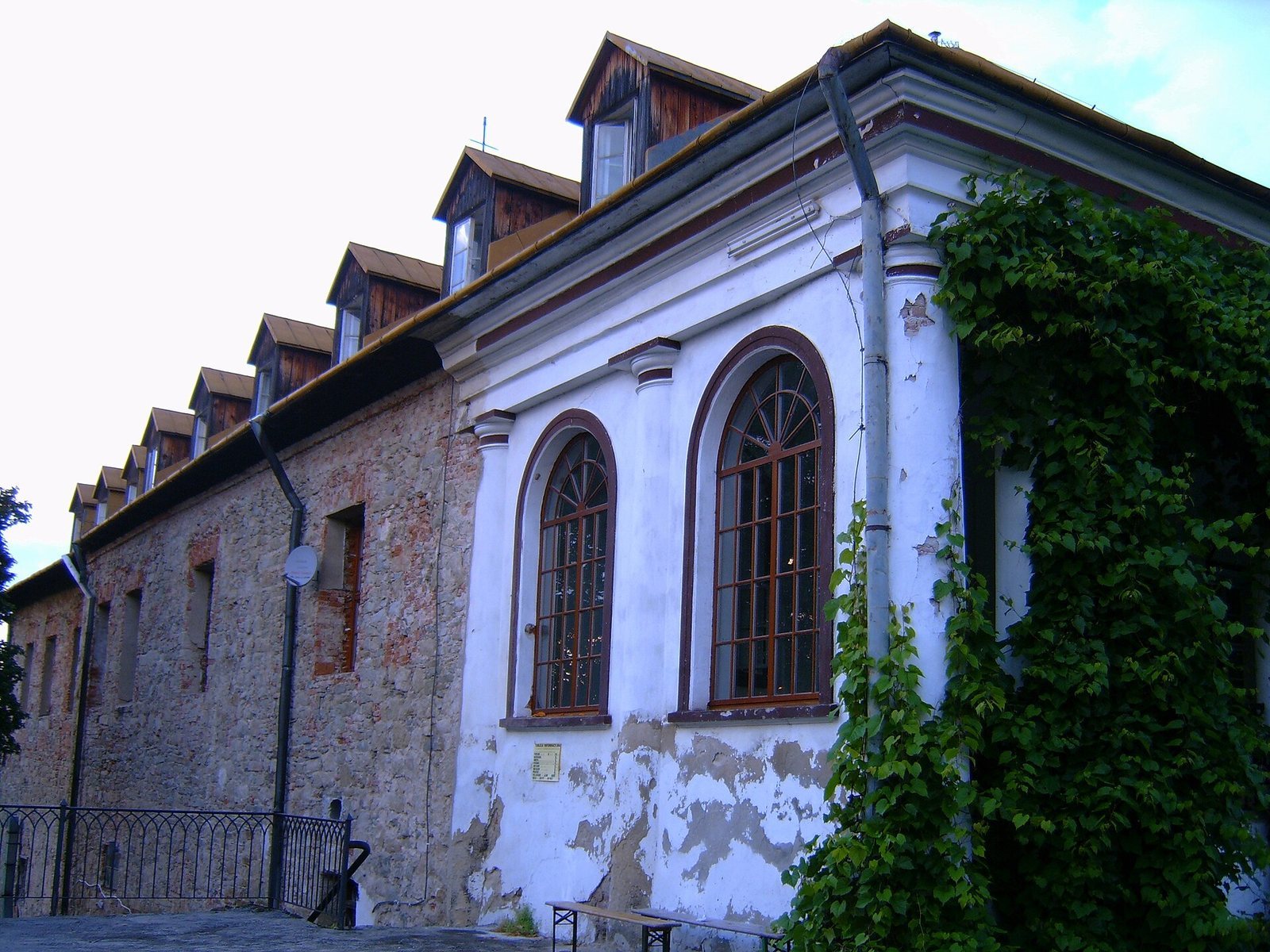
The castle occupies a rise above the San River, in the San River valley and the Sanok-Turka Mountains, near Lesko’s old-town market. Its main building has a four-sided plan, with towers at the corners. Bastioned fortifications, with projecting sections designed to help defend the walls, strengthened the castle hill after wartime damage. The complex also included a garden.
Architectural phases
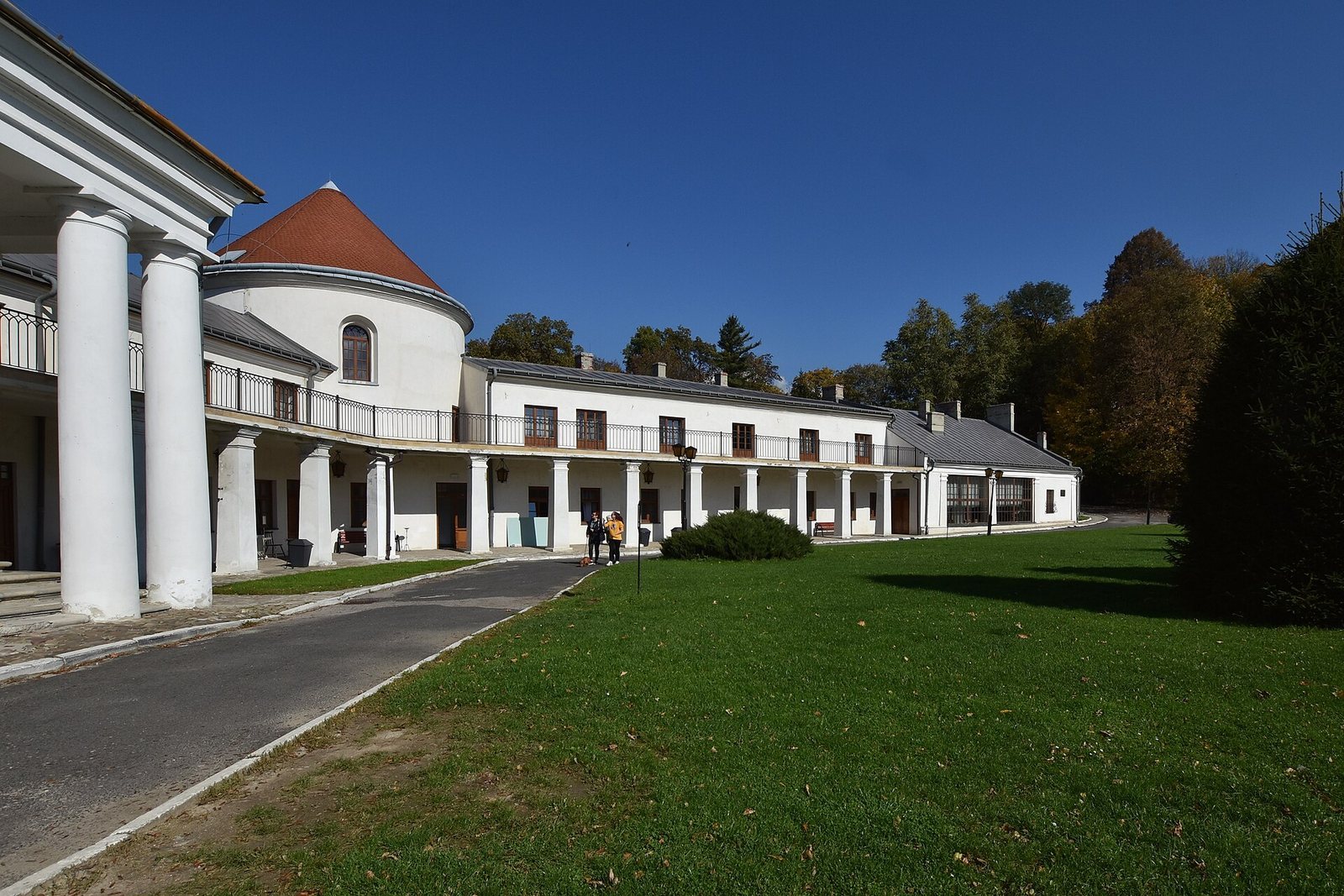
Late-sixteenth-century remodeling gave the building Renaissance character, including a raised roofline parapet, a low protective wall, with niches. Later Stadnicki alterations added Baroque features. The nineteenth-century rebuilding substantially changed the earlier appearance, creating an Italianate residence inspired by Italian buildings, with classical forms drawing on ancient Greek and Roman architecture and neo-Renaissance details that revived Renaissance design. The complex also gained outbuildings and an orangery, a building designed to shelter citrus and other tender plants in cold weather.
Interior, collections, and grounds
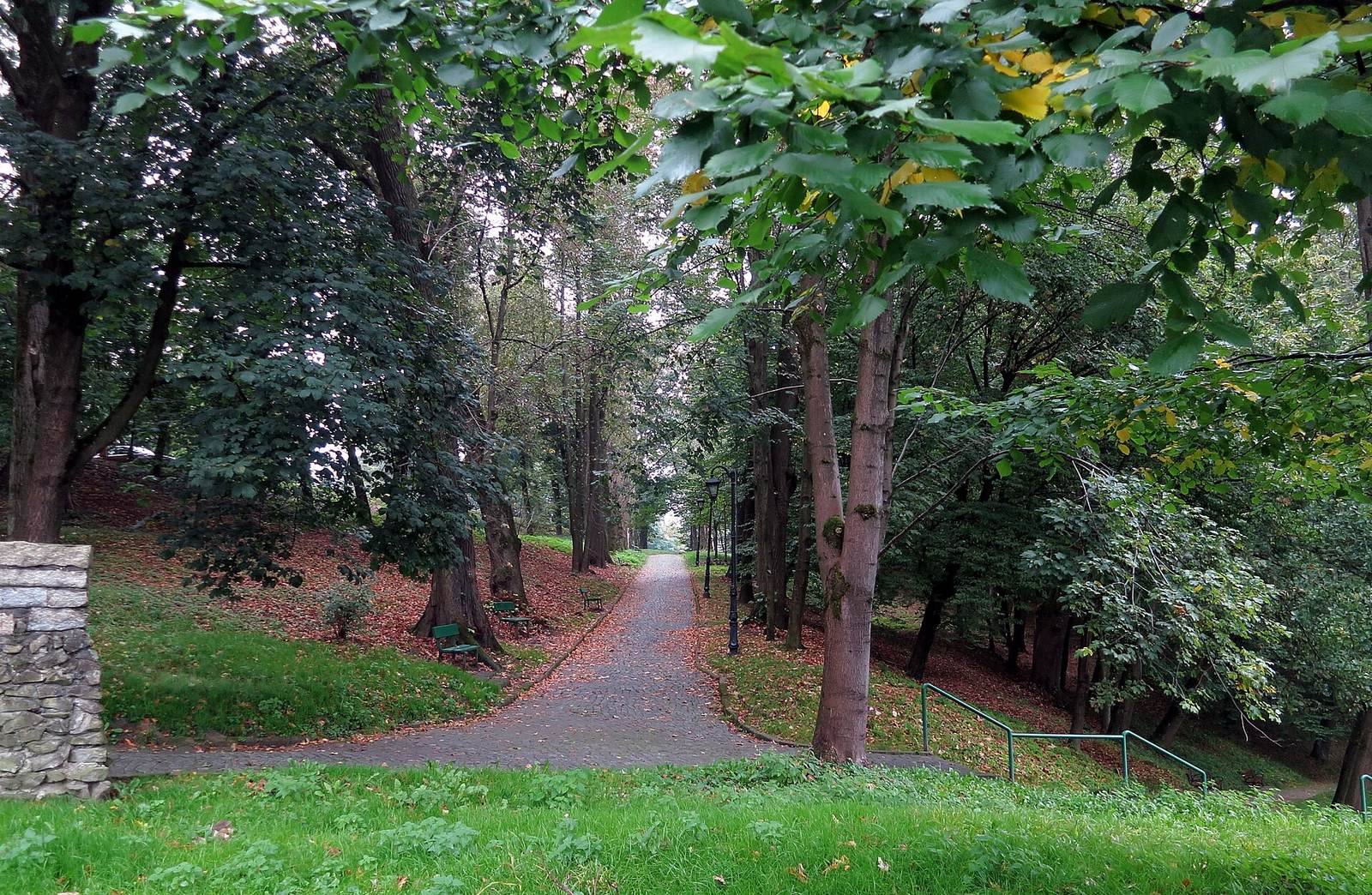
The castle complex accommodated a lord’s residence and office, a treasury, chapel, cellars, upper and lower rooms, guest rooms, a large hall, a confectionery room, kitchens, and stables. In 1767, its cellars held 64 barrels, 39 additional casks, four casks of mead, and 122 bottles of Hungarian wine. The library held 325 books in 1693, including religious, political, historical, poetic, legal, and school books; an inventory from 1697 counted 378 entries. Italian-style gardens formed part of the grounds. The park later included an amphitheater and a community self-help center.