Pusłowski Palace in Kraków: A Historic Residence and University Institute
Site at a Glance
- Popularity
- Medium
- Country
- Poland
- Primary era
- Modern
- Eras represented
- Modern
- Civilizations
- Austria-Hungary, Austrian Empire, Habsburg
- Site type
- Domestic
- Remains
- Elite Residence
On this page10 sections
History
From granary to residence
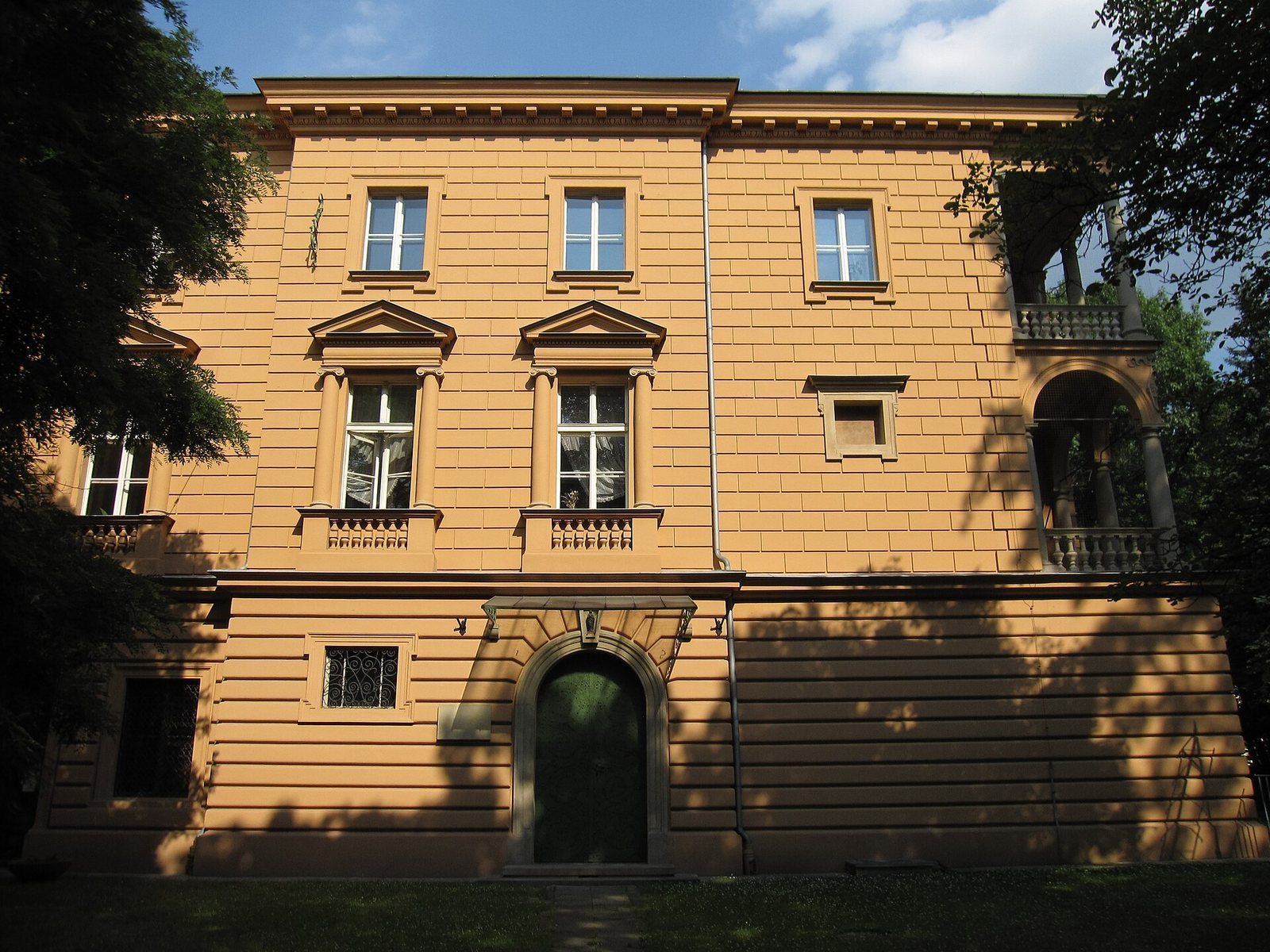
Pusłowski Palace in Kraków is a historic residence in Poland that acquired a Neo-Renaissance character in an 1886 redesign. At the turn of the eighteenth and nineteenth centuries, a granary and garden occupied the property, which belonged to Kraków resident Walenty Bartsch. In 1821, architect Szczepan Humbert converted the building into a residence for Sykstus Lewkowicz. Ludwik de Laveaux commissioned a major rebuilding in 1845, and in 1873 architect Maksymilian Nitsch added an upper storey for the next owner, Konstanty Rohoziński.
The property changed hands several times. Count Ludwik Michałowski owned it from 1874 to 1884, followed by Franciszek Demmer from 1884 to 1885. During these years, M. Nitsch and Józef Ertel successively altered the side wing. Count Zygmunt Pusłowski bought the villa in 1885, and the following year architects Tadeusz Stryjeński and Władysław Ekielski redesigned it.
The Pusłowski household and public life
The palace garden was reduced in 1890. The residence was connected to the water supply in 1901, and well-appointed bathrooms were installed in 1932. Zygmunt’s son Xawery Pusłowski, secretary to Prime Minister Ignacy Jan Paderewski, welcomed visitors including Herbert Hoover, the Romanian royal couple, and French marshals. After the First World War, at the request of Kraków’s mayor, he also hosted political and cultural figures, among them royal couples, maharajas, and internationally known artists. In 1936, Crown Princess Juliana, later queen of the Netherlands, and her husband stayed at the palace during their honeymoon in Poland.
The family collections included objects brought from the Pusłowskis’ palace at Czarkowy before Russian troops burned that residence in 1914. Zygmunt and Xawery hoped to keep the collections together. In 1938, an exhibition of antique clocks was held at the palace, followed by a miniature exhibition in 1939. Proceeds from both were intended to help fund a new National Museum building.
War, dispersal, and university use
During the Second World War, the palace housed the Central Welfare Council, a Polish relief organization, and its collections survived the occupation. The family’s plan to preserve the collections as a whole was not fulfilled. In 1953, Xawery donated 100 works to Jagiellonian University. After his death, the University Museum received the home’s movable property not included in that gift.
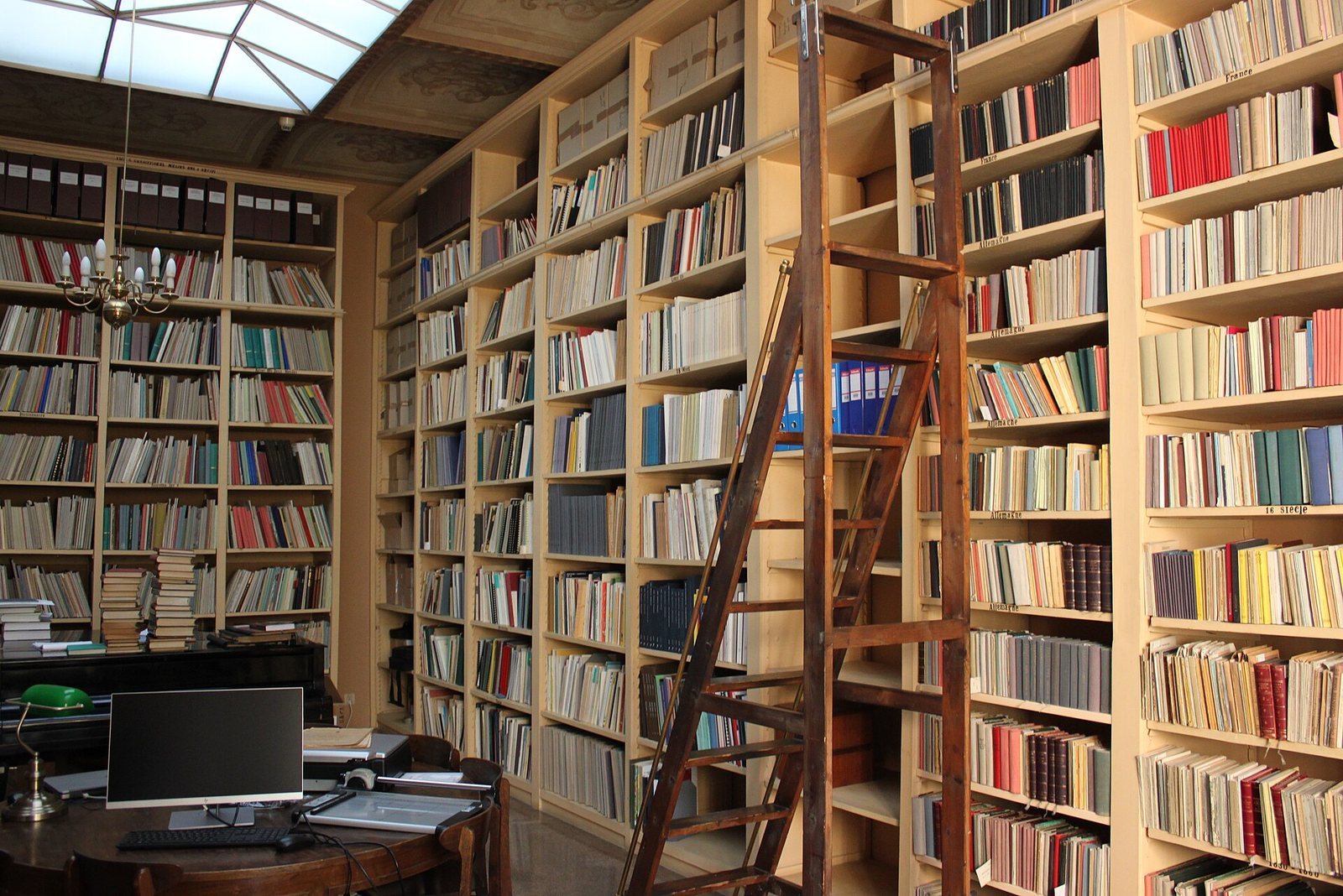
The palace was restored between 1996 and 2008. It now houses Jagiellonian University’s Institute of Musicology.
Remains
Palace architecture
Facade and circulation
The palace combines barrel-vaulted cellars from the former granary with the villa’s redesigned façade and interior spaces. The 1886 work gave the exterior its Neo-Renaissance character, including a two-storey corner loggia, an open-sided gallery with arches supported by pillars. The redesign also introduced a large Neo-Baroque staircase and a passage hall running through the building. A service access to the property was added in 1912.
Interiors and chapel
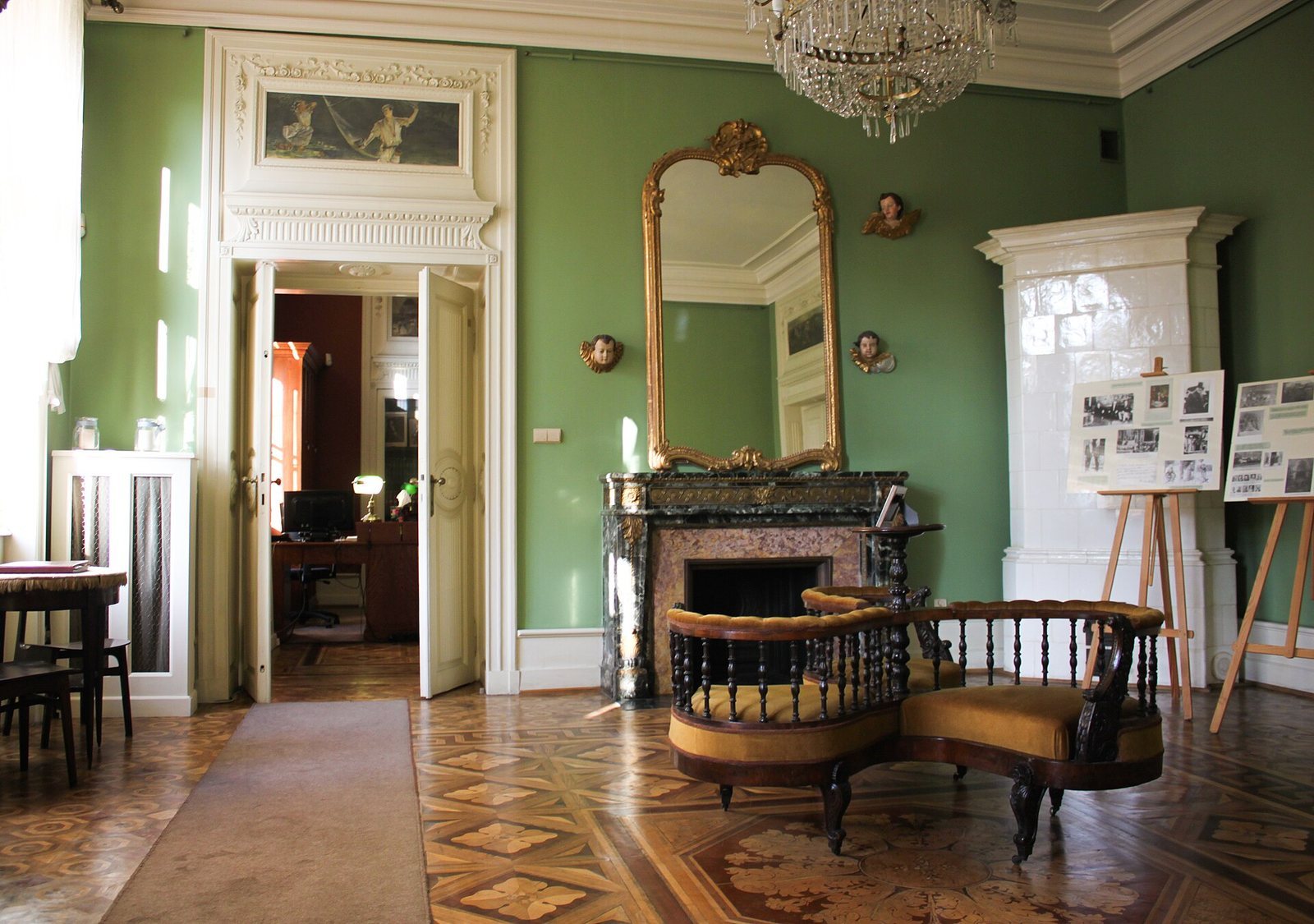
A staircase was added during the 1873 upper-storey enlargement. The interiors also featured fireplaces brought from France, decorative doors, inlaid floors, and fragments of older architectural details incorporated into the walls. Sculptures decorated the palace chapel, which contained a sixteenth-century Late Gothic triptych, an artwork formed from three connected panels. Jan Matejko designed a stained-glass window for the chapel.
Collections
The palace’s historical holdings included paintings by Artur Grottger, Jacek Malczewski, Jan Matejko, Cranach, Rubens, and Delacroix, as well as Gothic and Renaissance sculptures. Other collections comprised seventeenth- and eighteenth-century Gdańsk furniture, tapestries, antique clocks and weapons, a library of 40,000 volumes, prints, and a lapidary collection of stone objects and architectural fragments.
Grounds and memorial
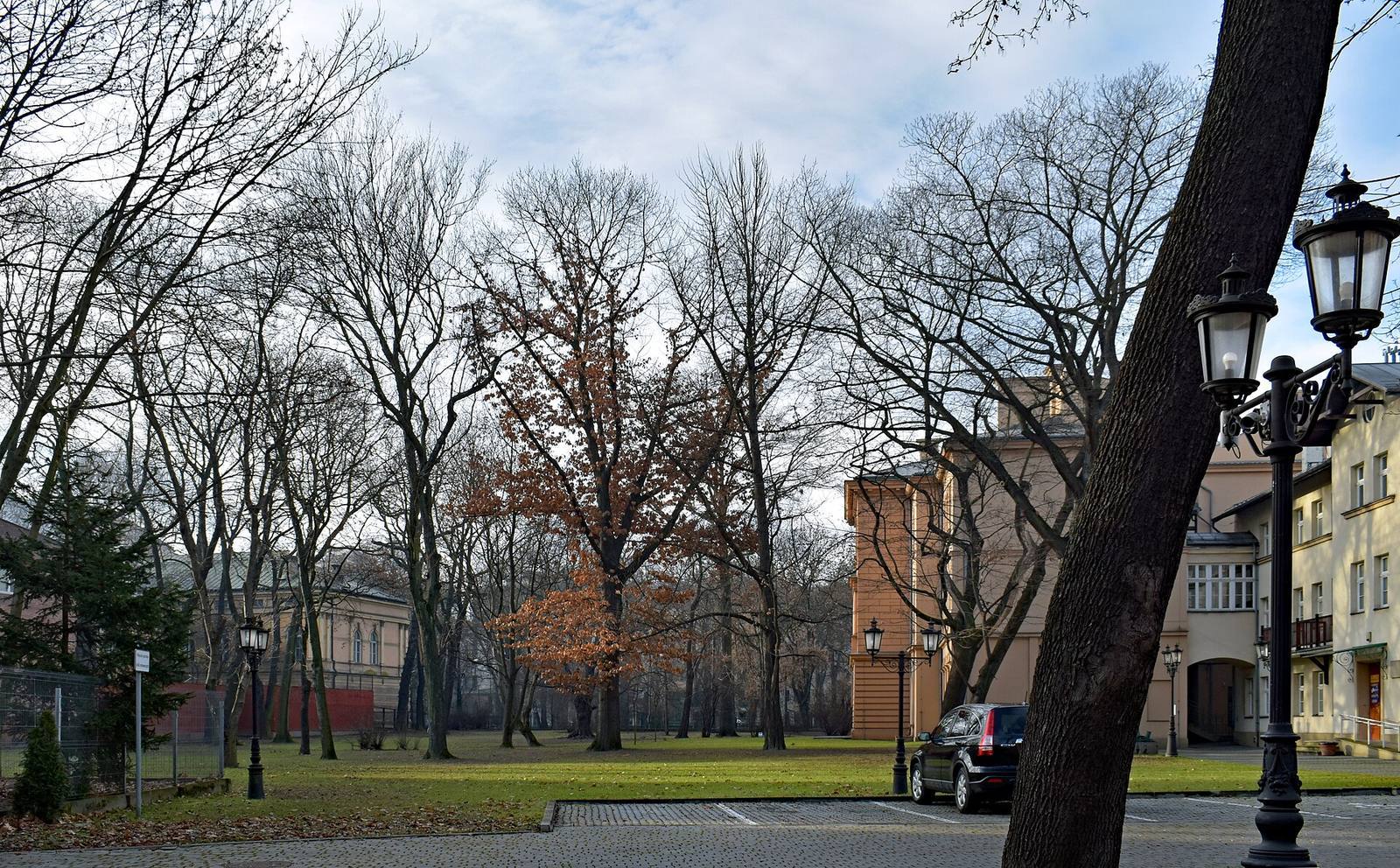
The park beside the palace survives as the only remaining fragment of the gardens in the Wesoła area. A monument to Ignacy Jan Paderewski stands in front of the villa. Made by American sculptor Jesse Corsaut, it was unveiled in 2011.