Castle of Gravago: An Eighth-Century Hilltop Fortress
Site at a Glance
- Popularity
- Low
- Country
- Italy
- Primary era
- Medieval
- Eras represented
- Medieval
- Civilizations
- Lombard
- Site type
- Military
- Remains
- Castle
On this page7 sections
History
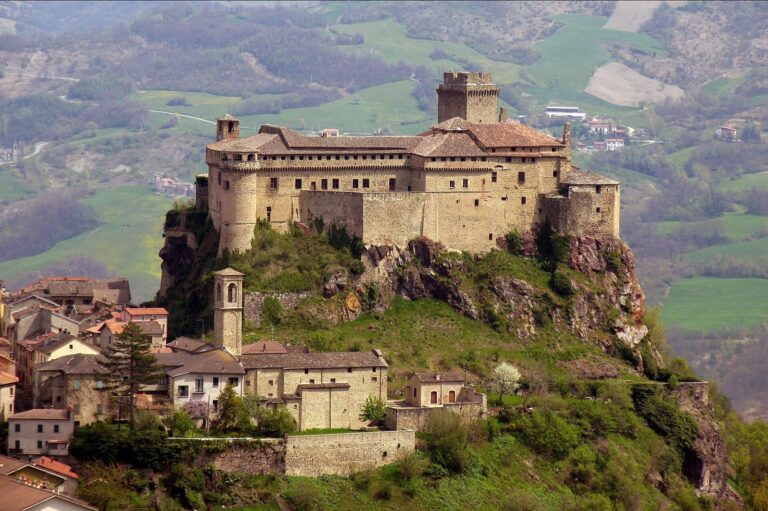
The Castle of Gravago is an eighth-century stone hilltop fortress in the commune of Bardi, Italy, probably built by the Lombards to guard the Sant’Abdon Pass, now called the Santa Donna Pass.
The monastery and mountain route
A monastery dedicated to Saint Michael the Archangel existed at Gravago in the seventh century, when Attala was abbot of Bobbio. The castle later guarded the Via degli Abati, or Road of the Abbots, a mountain route associated with the Via Francigena pilgrimage network leading toward Rome.
The route linked Bobbio with Pavia, then continued through Bardi, the Val Noveglia, Borgo Val di Taro and the Brattello Pass to Pontremoli and, by way of Lucca, toward Rome. It also connected Piacenza with the sea through the Brattello Pass. The Via degli Abati joined the Via dei Monasteri Regi, or Royal Monasteries Route, which linked Piacenza and Bardi by way of Fiorenzuola d’Arda, Castell’Arquato, Pieve San Colombano and Val Tolla Abbey at Morfasso.
Abbots and monks from Bobbio travelled these roads to visit the pope and the royal court at Pavia, and to oversee and exchange with Bobbio’s extensive royal and imperial fief, land held under obligations to a superior that extended from Oltrepò Pavese to Tuscany. Journeys to the papal seat were described as visits “to the thresholds of the Apostles.” Lombard rulers, emperors of the Holy Roman Empire, church officials and pilgrims also used the routes. Travellers left accounts of their journeys at Bobbio and at monasteries and hospices along the way.
Piacenza and the Landi
The Platoni family owned the castle in the early thirteenth century. By 1234, it was under the control of Piacenza’s municipal government. Later, Count Ubertino Landi took possession and entrusted the fortress to his relative Alberico.
In 1268, after Alberico was imprisoned by the people of Piacenza, Ubertino had to sell the castle to the city for 700 lire of Piacenza in exchange for his relative’s release. The municipal government then sold it to Rinaldo Scoto for 3,000 lire. The Lusardi, allies of Ubertino, attacked the castle and returned it to the count.
In 1269, after losing the Castle of Bardi, Ubertino took refuge at Gravago and repelled an attack by Piacenza’s forces, supported by troops from Milan and Parma. In the following years, he lived at the fortified house of Caminata in Brè di Gravago, where he planned to recover the Taro Valley.
Later ownership and decline
After Ubertino’s death, the castle passed to his Landi heirs, who held it until 1687. By then it had lost its defensive role, fallen into severe disrepair and become nearly abandoned. The Platoni counts of Borgo Val di Taro then bought it.
In 1772, Ferdinand I, Duke of Parma, ordered Count Carlo Platoni to leave Gravago and move to Borgo San Donnino. Following the abolition of feudal rights under Napoleonic rule in 1805, the castle and its surrounding properties came under the jurisdiction of the municipal government of Bardi.
Remains
Summit fortress
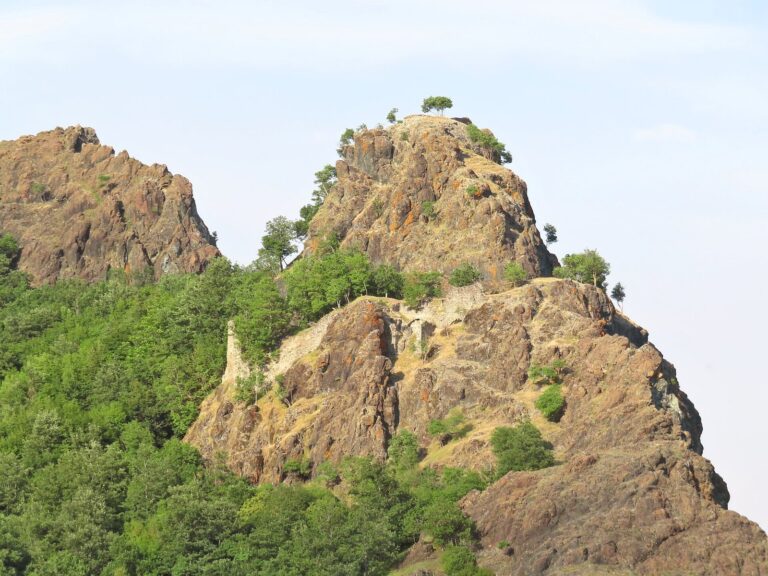
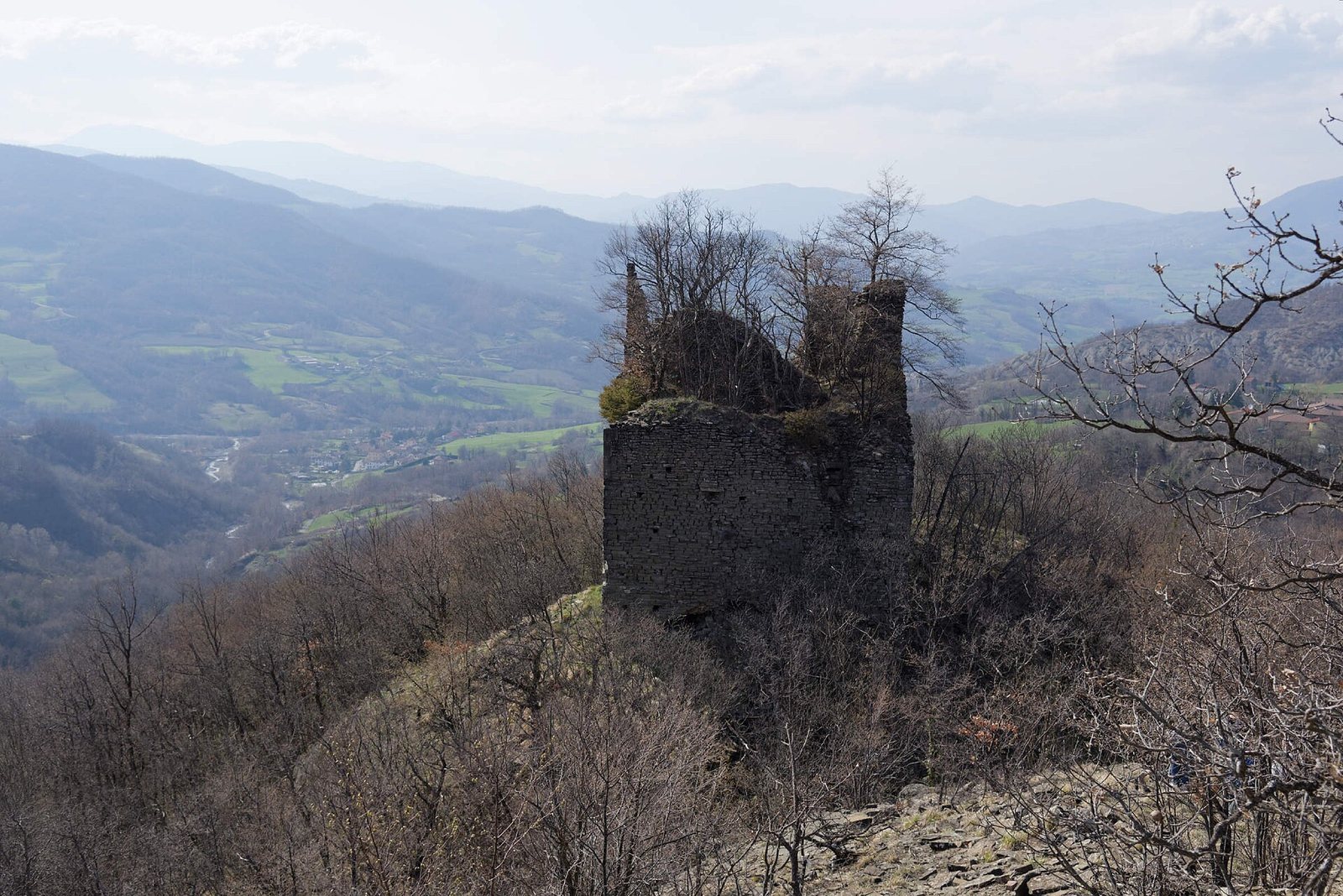
The fortress stood on a mountain summit near the village of Gravago. Its stone layout included a rectangular main building measuring 13 by 10 metres, connected by an enclosing wall to a watchtower called Battagliola. The main building’s perimeter walls remain visible as ruins, and sections of the enclosure wall and watchtower also survive, partly overgrown by woodland. By 1928 the fortress was already largely destroyed, although an underground room with a vaulted ceiling was still intact.
Caminata di Brè
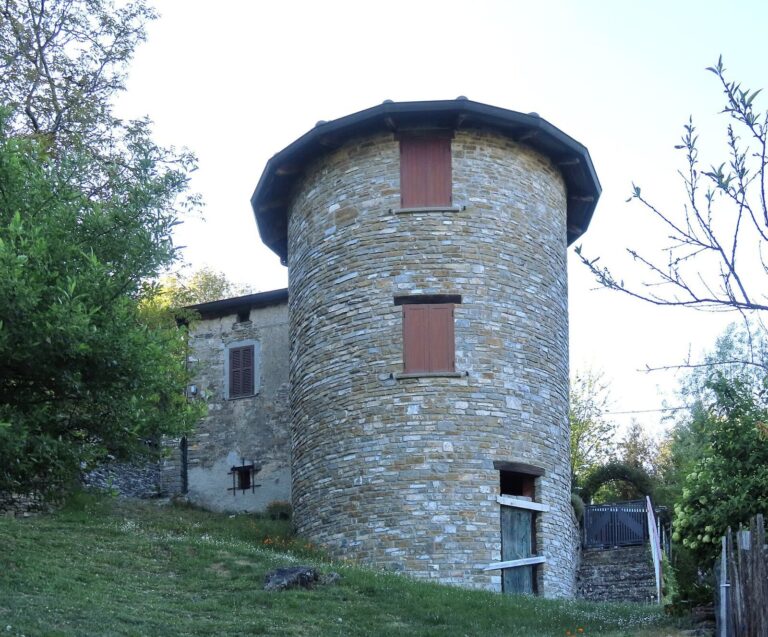
The fortified house of Caminata di Brè stood not far from the castle. Later converted into a farmhouse, it retains its original eastern wall intact.