Tiefenstein Castle: A Medieval Hill Castle in Germany
Site at a Glance
- Rating
- 4.2
- Popularity
- Very Low
- Country
- Germany
- Primary era
- Medieval
- Eras represented
- Medieval
- Civilizations
- Holy Roman Empire
- Site type
- Military
- Remains
- Castle
History
Tiefenstein Castle, a medieval hill castle near the village of Tiefenstein in Görwihl, Germany, is first mentioned in 1241 and was probably built in the 13th century. An earlier castle may have stood on the site. Families associated with its construction or ownership include the Lords of Teufen, later known as the Lords of Tiefenstein, and the Barons of Tegerfelden. The castle gave its name to the village, and the name later passed to the family once called the Lords of Teufen.
The Bishops of Basel were among the castle’s owners. Bishop Heinrich of Neuenburg had bought it shortly before it was destroyed in 1272 during the siege of Basel under Rudolf of Habsburg. Rudolf, a Habsburg count, became King of the Romans in 1273, the title for the elected ruler of the Holy Roman Empire. Tiefenstein Castle was not rebuilt.
Abbot Caspar, the head of the monastery at St. Blasien, recorded a story about the last member of the Tiefenstein family. The story became a local legend.
Remains
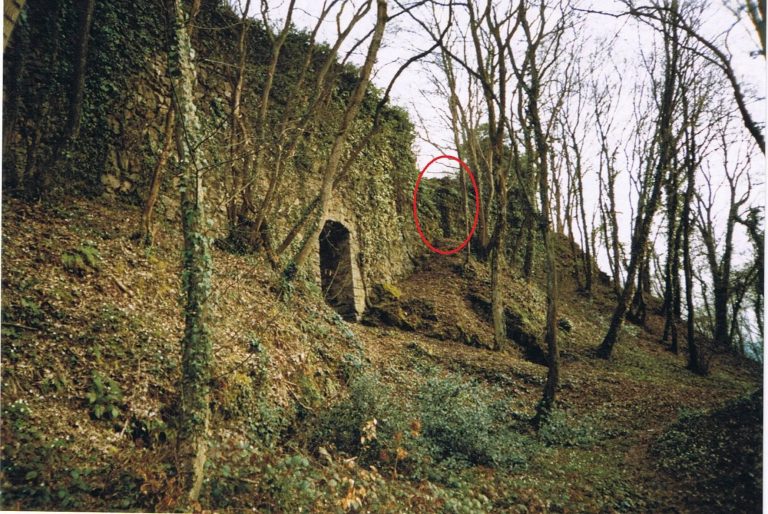
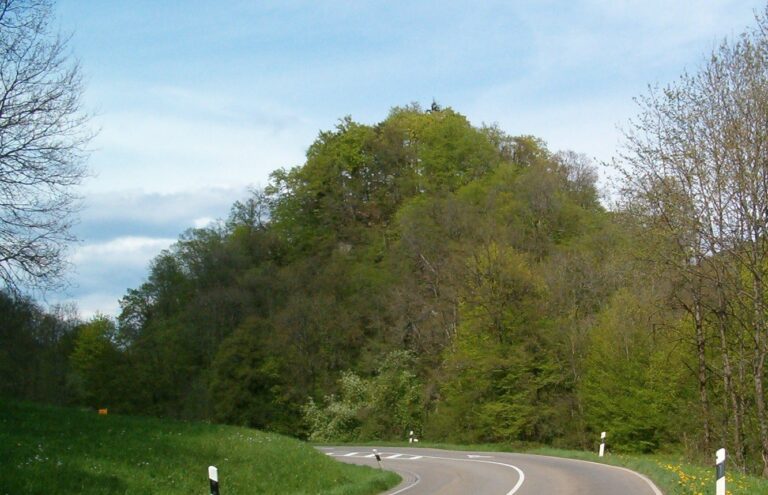
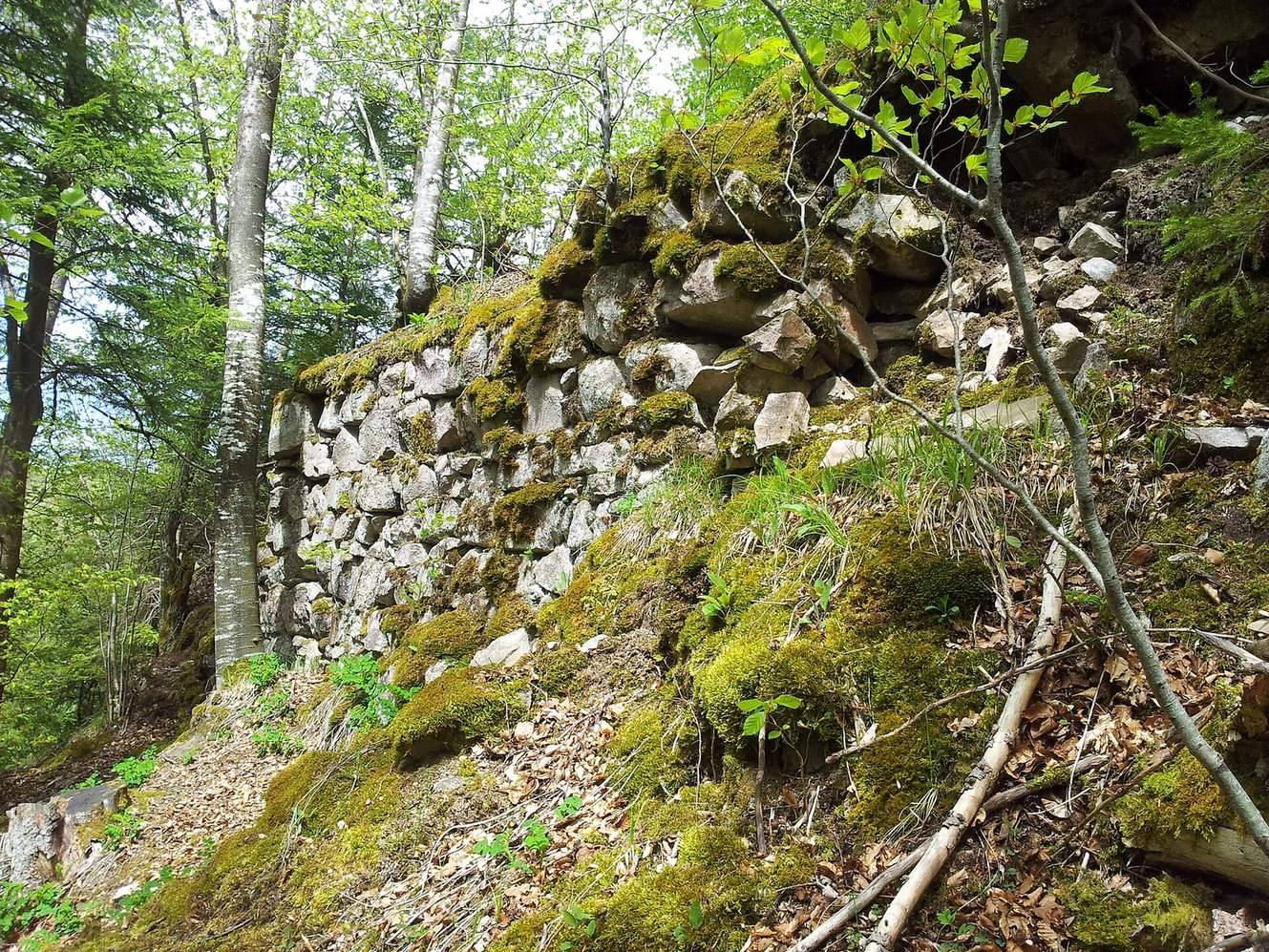
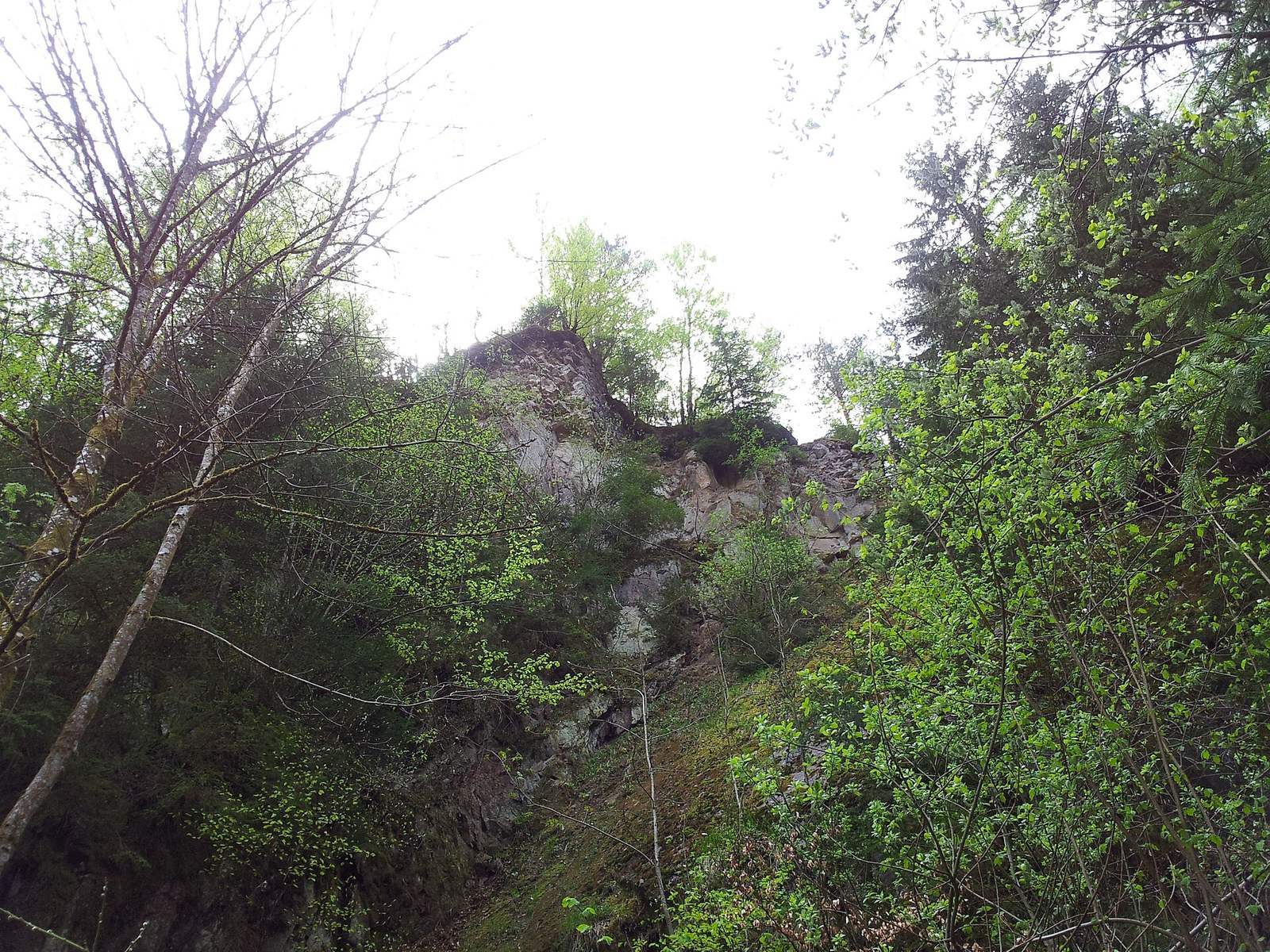
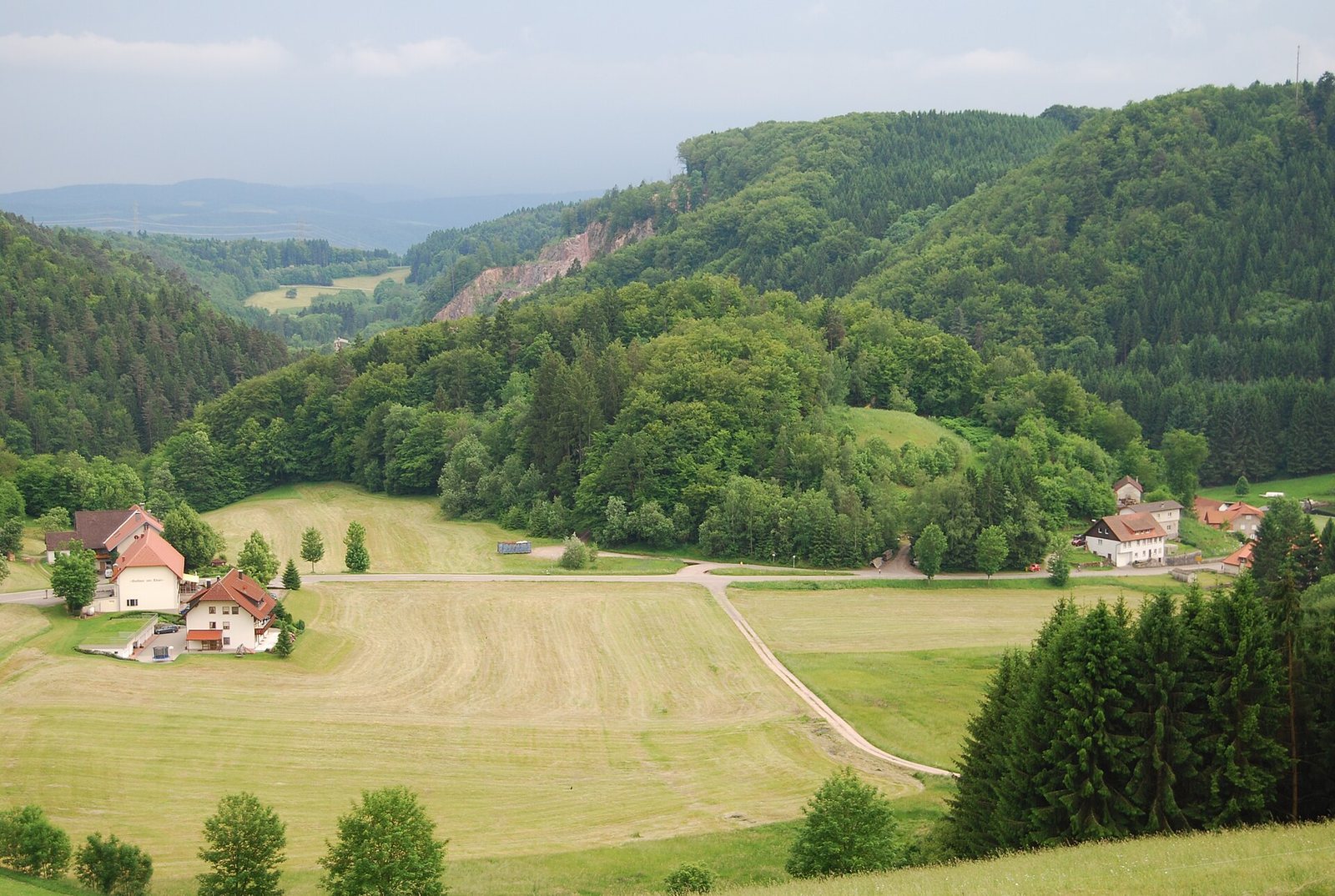
The castle stood on a hill above a quarry near the village of Tiefenstein. Two fragments of its masonry survive. About 300 metres away are the remains of Wallburg Tiefenstein, an earlier hillfort.
By the 16th century, parts of the castle’s masonry still stood, although the ruin was uninhabited and dilapidated. Abbot Caspar of St. Blasien described its condition during that period.