Villa Parravicini: A Noble Residence in San Giorgio su Legnano
Site at a Glance
- Rating
- 4.5
- Popularity
- Low
- Country
- Italy
- Primary era
- Early Modern
- Eras represented
- Early Modern, Modern
- Civilizations
- Habsburg
- Site type
- Domestic
- Remains
- Elite Residence
On this page12 sections
History
Villa Parravicini is a historic noble residence in San Giorgio su Legnano, Italy, built before 1584. Its buildings and park preserve characteristics of the noble estates once common in the area around Legnano.
The Battle of Legnano and the tunnel tradition
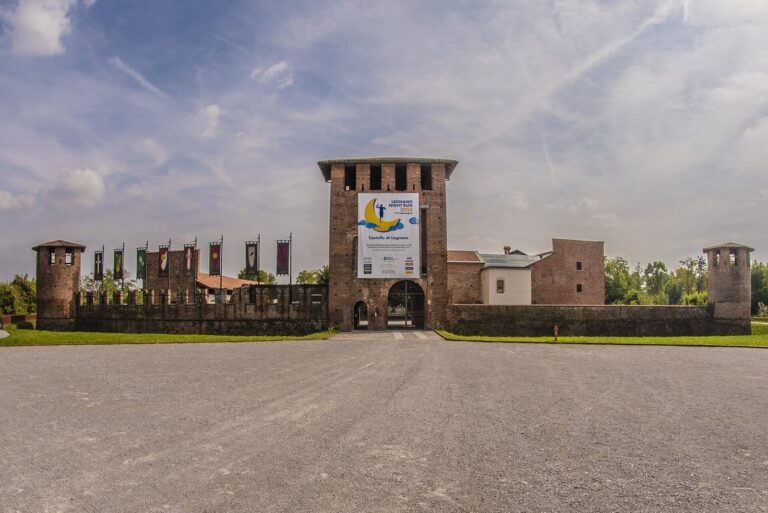
A local legend says that Frederick I, Holy Roman Emperor, known as Barbarossa, escaped after his defeat at the Battle of Legnano on 29 May 1176. The battle was fought between Barbarossa’s forces and the Lombard League, an alliance of northern Italian communes opposed to his power. The legend places his escape in an underground passage from Legnano Castle to a noble residence in San Giorgio su Legnano. Villa Parravicini and Casa della Regina are both suggested as possible destinations.
The castle called Legnano Castle took shape only after the battle, when an earlier convent of Augustinian Regulars, a Catholic community following the Rule of Saint Augustine, was enlarged and fortified. The military outpost during the battle was instead Castle of Cotta, a fortification dating from the tenth to the thirteenth or fourteenth century, in the area now occupied by Palazzo Leone da Perego and Galleria INA. The underground passages at Legnano Castle begin at its old icehouse.
Twentieth-century excavations found three separate tunnel sections in the San Giorgio–Legnano area. Near San Giorgio, a worker explored one section for five or six metres before a current of air put out his candle. The municipal administration blocked another section toward Legnano for safety. A further section was found in the basement of Casa della Regina, which may be the town’s oldest dwelling.
Origins and ownership
The earliest recorded mention of the villa, in 1584, describes it as a noble residence owned by Marquis Ludovico Crivelli. A marquis held a rank in the European nobility. In the seventeenth century, Marquis Giovanni Paolo Parravicini purchased the property, giving it the name it bears today. The estate once extended beyond the present park, with vineyards to the north toward today’s Via XXV Aprile; the owners later sold those lands.
The Risorgimento and later history
During the Risorgimento, the movement for Italian unification, Marquis Giuseppe Parravicini hid weapons in a well at the villa between the First and Second Wars of Italian Independence, fearing an Austrian search. His descendants found the weapons in the twentieth century.
A Roman cemetery was discovered in the villa park in 1927. Between 1958 and 1978, the villa and park were placed under the protection of the Superintendency for Environmental and Architectural Heritage. The villa remains in private use.
Remains
Residence and courts
Courts and residential section
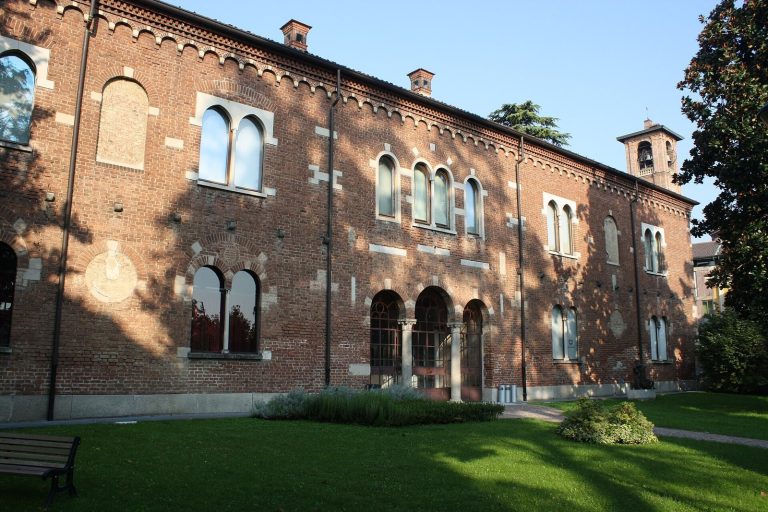
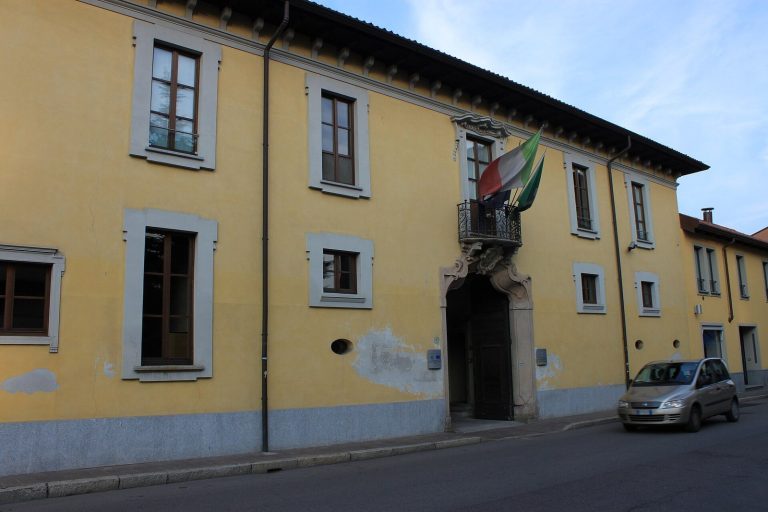
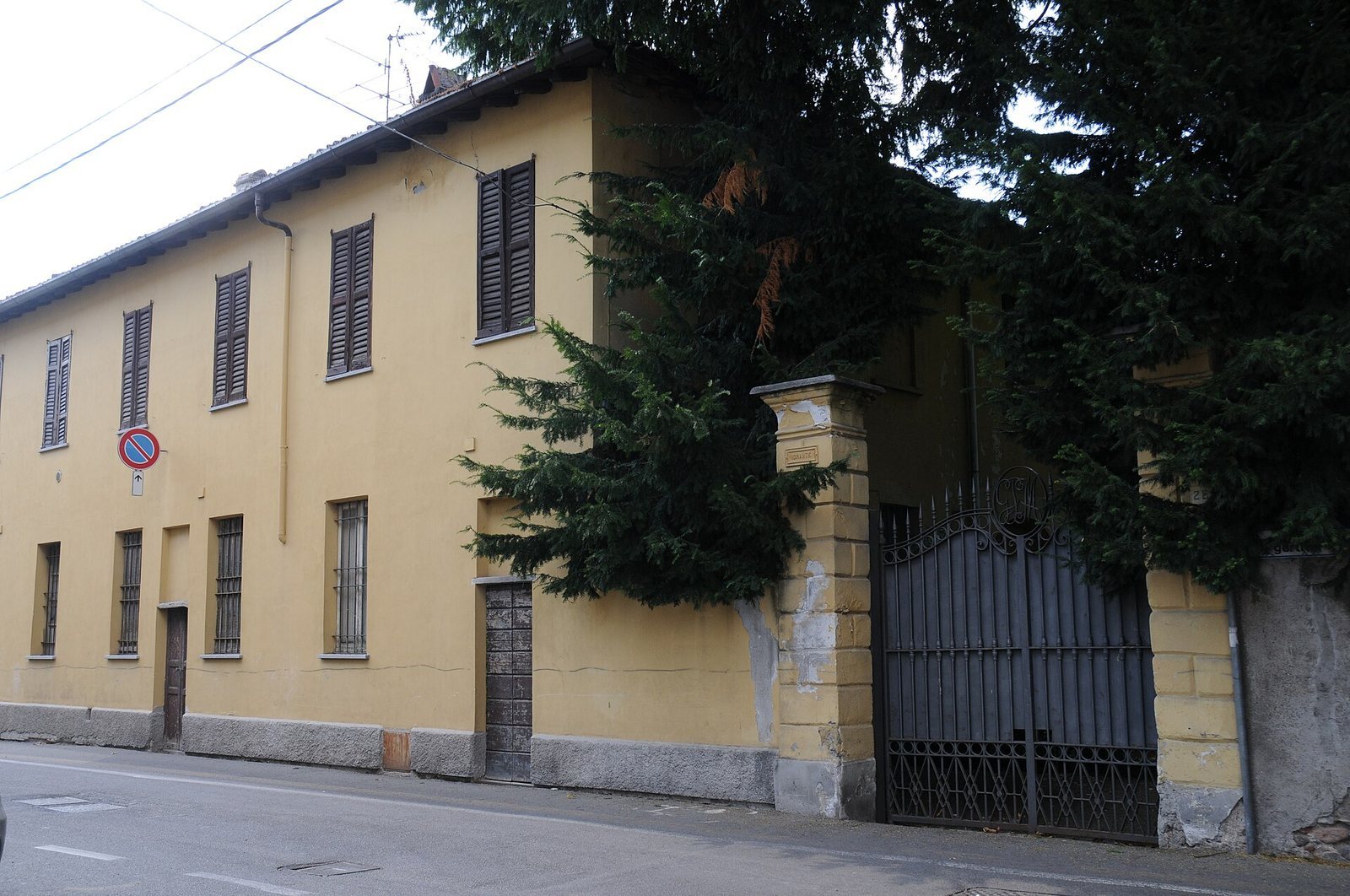
Alterations over the centuries have left the villa with the appearance of a rustic residence of the late eighteenth century. The complex is arranged around two courts. Its largest section is the owners’ residential quarters, a two-storey building with a columned entrance hall.
Entrance and northern façade
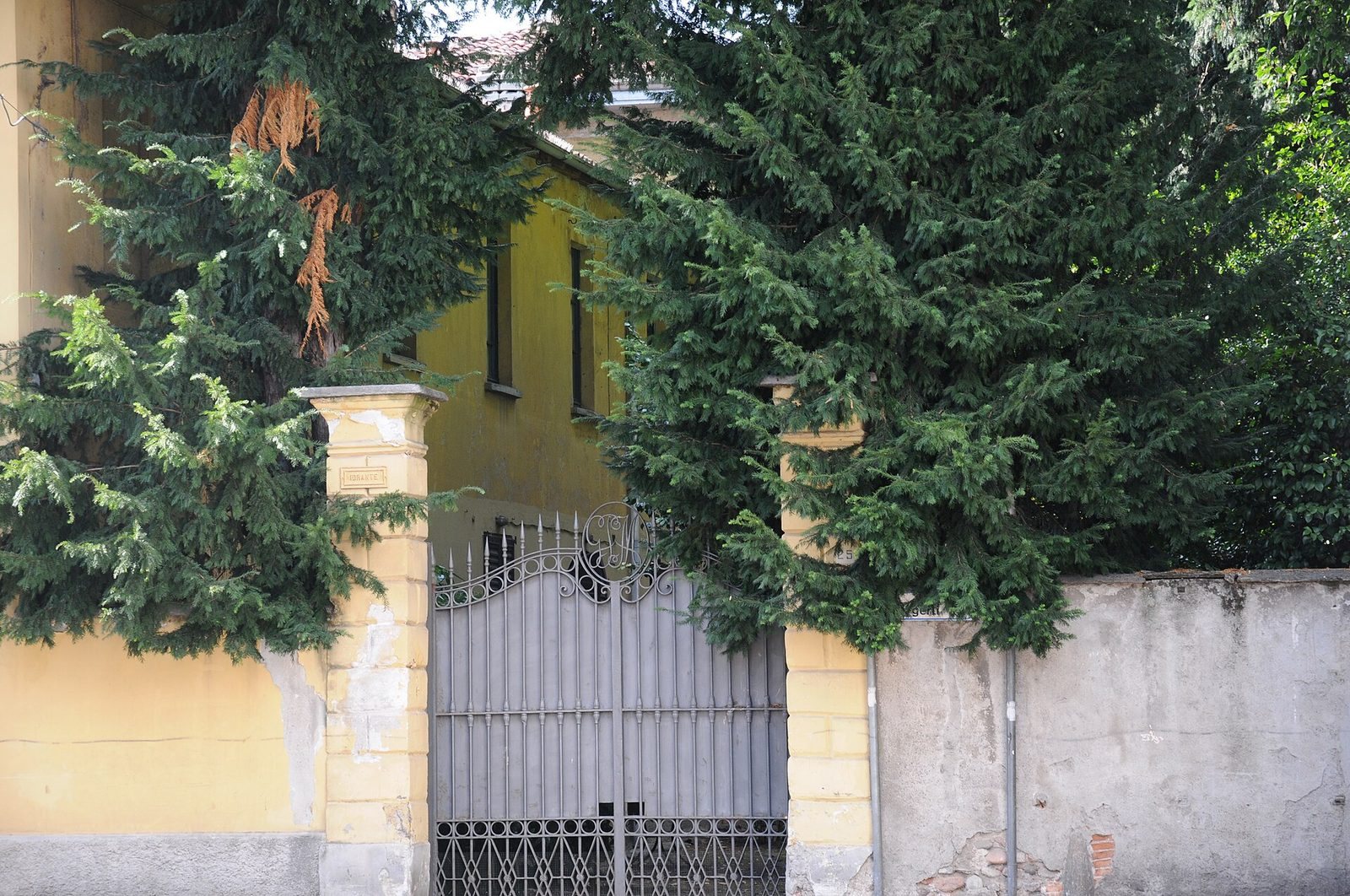
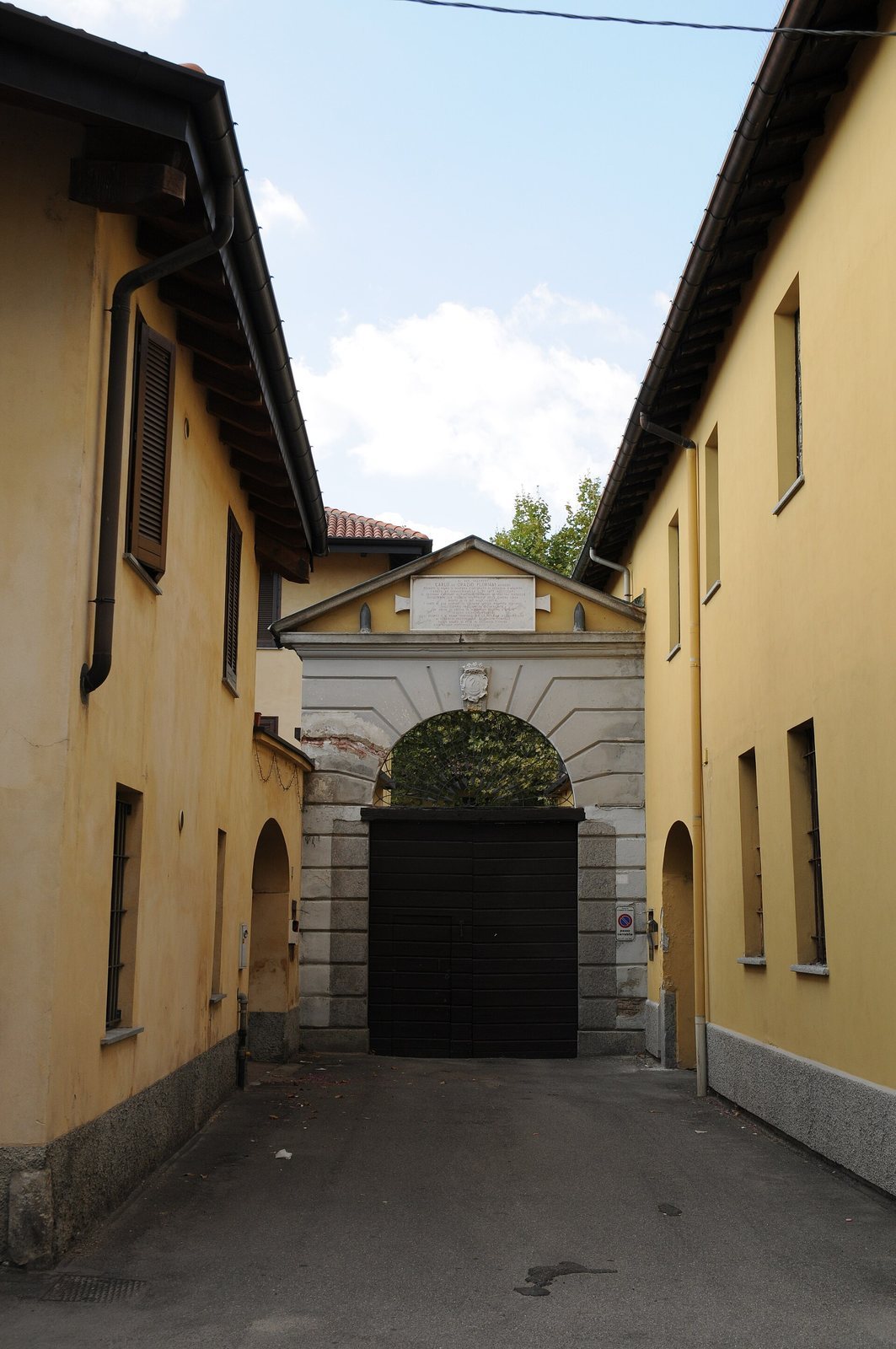
The main entrance is on Via Gerli. A short passage leads to a portal set within a neoclassical arch, drawing on Greek and Roman forms, and topped by a triangular pediment above the doorway. An open portico once linked the main court with the northern section toward Via XXV Aprile. It was later walled up; a large blocked arch remains on the northern façade. Above its curved opening, a painted coat of arms shows a white swan on a red field.
Park and archaeological finds
Landscape park
The park lies west of the villa and covers about 9,300 square metres. Planted in the mid-nineteenth century as an English landscape park, it follows an informal, naturalistic layout rather than a rigid geometric plan. It contains more than 30 tree species and over 15 shrub species.
Roman burial finds
Finds from the Roman cemetery include two cremation urns, several large two-handled vessels used for storage or transport, bowls, perfume containers and coins from the imperial period.
Weapons from the well
The weapons recovered by Parravicini’s descendants included a rifle bearing a manufacturer’s mark, the number 490 and the year 1841.