Talpiot Tomb: A Late Second Temple Burial Tomb in Jerusalem
Site at a Glance
- Popularity
- Very High
- Country
- Israel
- Primary era
- Classical
- Eras represented
- Classical
- Civilizations
- Roman
- Site type
- Burial
- Remains
- Tomb
On this page13 sections
History
The Talpiot Tomb is a rock-cut burial tomb in East Talpiot, south of Jerusalem’s Old City, Israel. It dates to the late Second Temple period, the era before the Romans destroyed Jerusalem’s Second Temple in 70 CE. The tomb was used during the first century CE and probably ceased to be used around 70 CE.
Burial and use
Archaeologists interpreted the tomb as the burial place of a relatively prosperous Jewish family. Its niches suggest that bodies were first placed there for primary burial. Later, after decomposition, bones were gathered into ossuaries, boxes used for secondary burial. Amos Kloner estimated that the tomb served three or four generations and held the remains of about 35 people. That figure came from comparisons with other tombs, not from a count or full examination of the bones.
Discovery and excavation
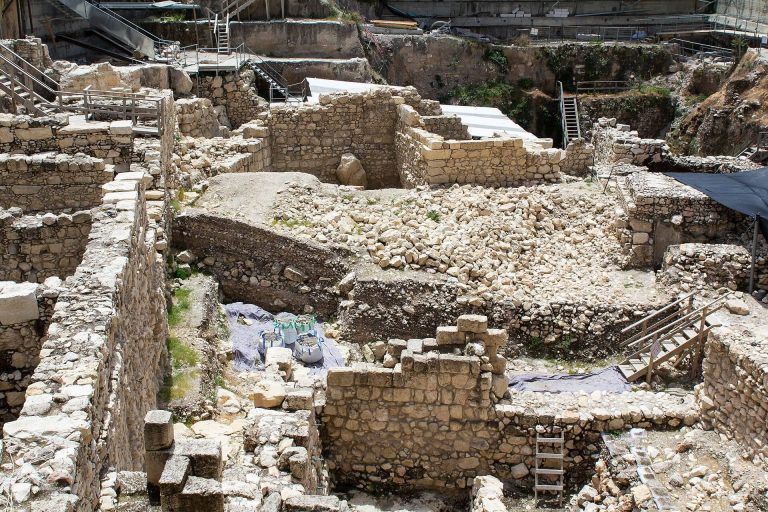
Residential construction exposed the entrance on March 28, 1980. Bulldozers had already cleared the courtyard and antechamber, but the burial chamber and façade remained intact. Amos Kloner, then the area’s antiquities supervisor, arranged an emergency excavation under Josef Gat. Work began briefly that day, paused for the Sabbath, and resumed on March 30. The excavation permit followed on March 31, and work continued intermittently until April 11. Shimon Gibson recorded the tomb’s layout.
During the discovery and excavation, neighborhood children removed and scattered human bones. Local resident Rivka Maoz gathered some of the remains and later handed them to the archaeologists. The bones were subsequently transferred to religious authorities for burial, apparently in unmarked communal graves. No comprehensive examination or count of the individuals was completed.
Later use and disputed identifications
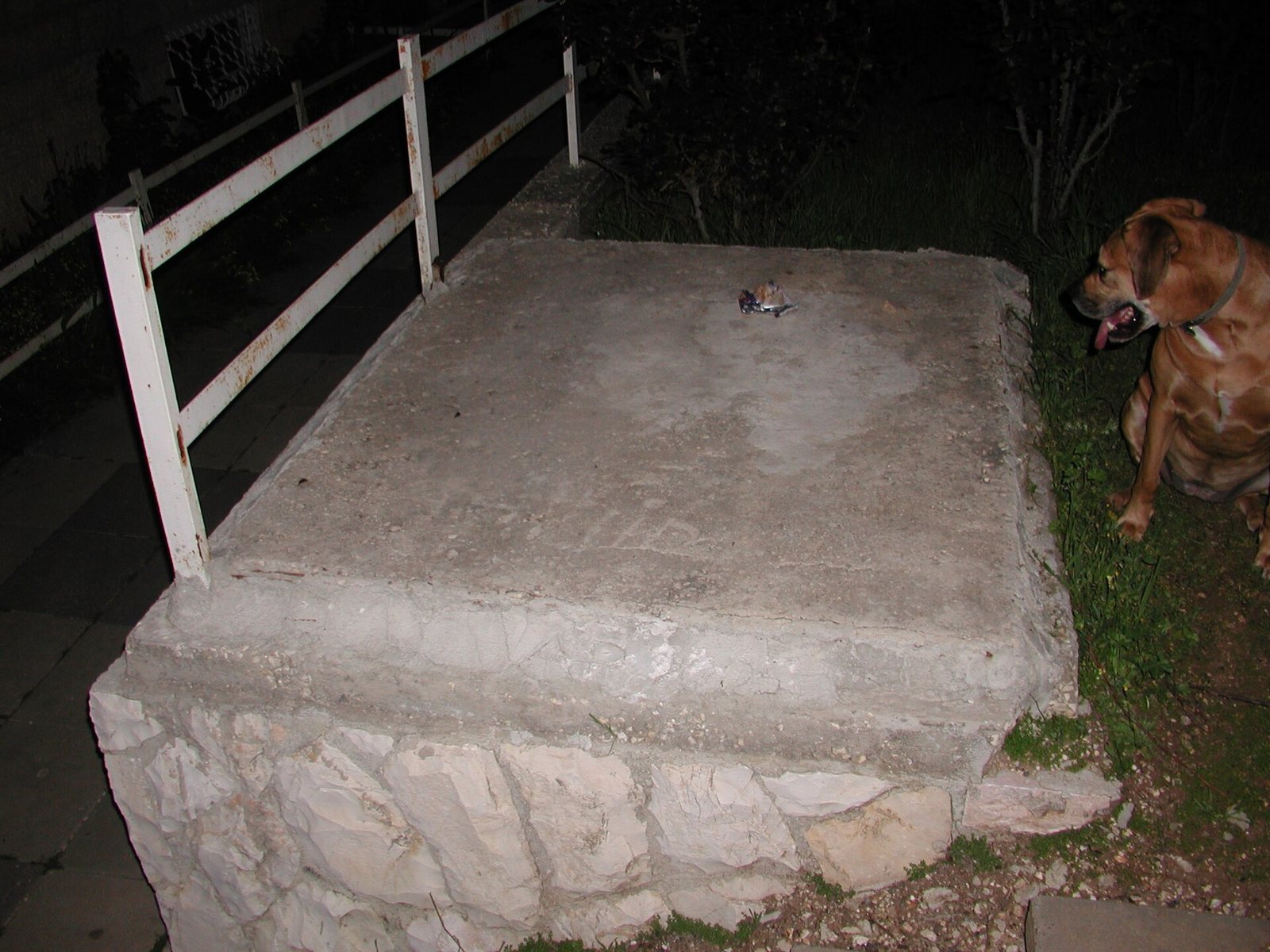
After excavation, the tomb was returned to the developers and covered by a concrete slab. It was later left open and used by residents as a genizah, a place for storing worn or unusable sacred writings. Residents sought to have it closed for safety, and a slab was installed over the access shaft. In 2005, a film crew led by Simcha Jacobovici reopened the tomb without authorization; officials sealed it again afterward.
A 2007 documentary by Jacobovici and James Cameron brought wide attention to the claim that the tomb held Jesus of Nazareth and members of his family. Most archaeologists, inscription specialists, and other scholars rejected that identification or considered it highly speculative. At a Jerusalem symposium in 2008, a large majority of participating specialists concluded that there was no compelling basis for identifying the tomb as Jesus’ burial place.
A separate tomb, known as Talpiot B, was found about 45 metres from Talpiot A in 1981. Opposition from members of an ultra-Orthodox Jewish community curtailed its excavation, and it was resealed on April 16 that year. An apartment building was later constructed above it. A documentary team used a remote camera to make a limited examination in 2010, but did not fully excavate the tomb.
Another controversy concerns an ossuary that appeared in a private collection in 2002, bearing an inscription commonly read as “James, son of Joseph, brother of Jesus.” Its owner, Oded Golan, said he had acquired it around 1975, but its original findspot is unknown, so a connection to Talpiot has not been established. In 2003, an Israel Antiquities Authority committee judged the ossuary ancient but considered the inscription likely modern; other specialists disputed that assessment. A 2012 court ruling found that prosecutors had not proved forgery, but did not establish that the inscription was authentic. Later comparisons of its surface deposits and geochemical signature with Talpiot material likewise did not prove that the ossuary came from the tomb.
Remains
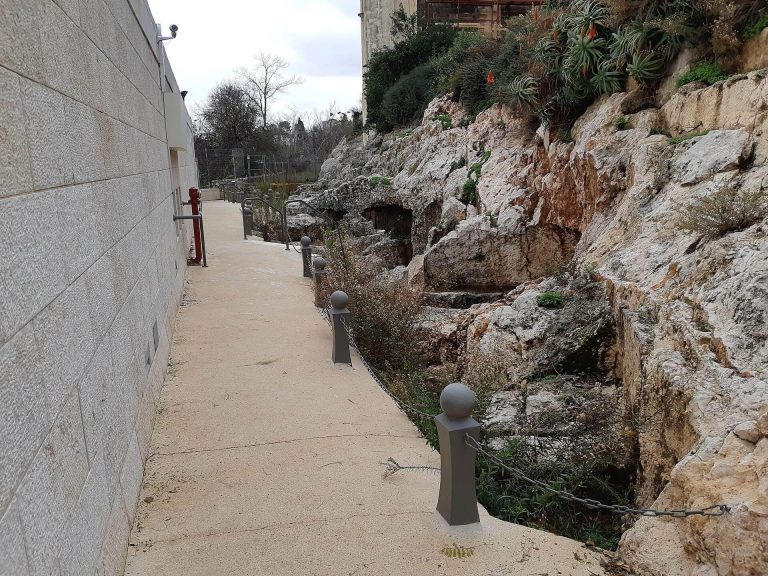
Talpiot A is cut into limestone bedrock. Its entrance façade leads to a burial chamber with niches and arched burial recesses. Excavations also uncovered ossuaries and human remains, while investigations in the surrounding area identified additional burial and water-related features.
Talpiot A
Burial chamber and niches
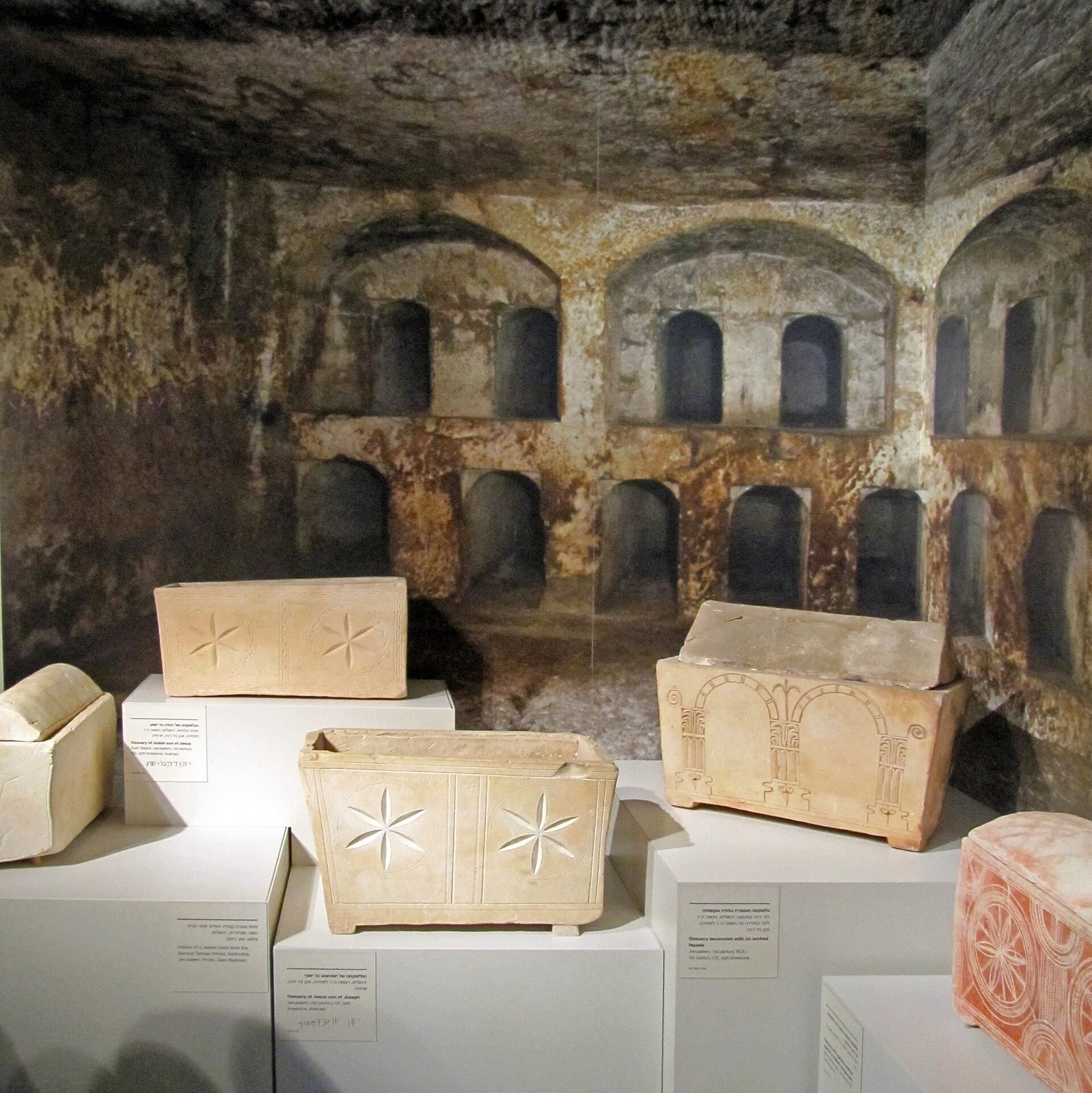
The chamber has six kokhim, narrow burial niches cut into the walls, with two in each of three walls. It also contains two arcosolia, arched recesses or shelves used for burial. Ossuaries were found inside the niches, in some cases set in a row. Excavation plans place three in the niche to the right of the entrance and two each in two niches on the left and the second niche on the right. The records do not reliably match each ossuary’s registration number to its original position, so these placements remain uncertain.
A layer of reddish soil from the Jerusalem area, about 50 centimetres thick, had entered through the open doorway. The ten ossuaries contained badly deteriorated human remains. Three skulls were recorded on the chamber floor, with other bones scattered there and beneath the fill around the arched recesses. The tomb had probably been disturbed in antiquity. An earthquake in 363 CE may have displaced its blocking stone, though that explanation is uncertain.
Entrance façade
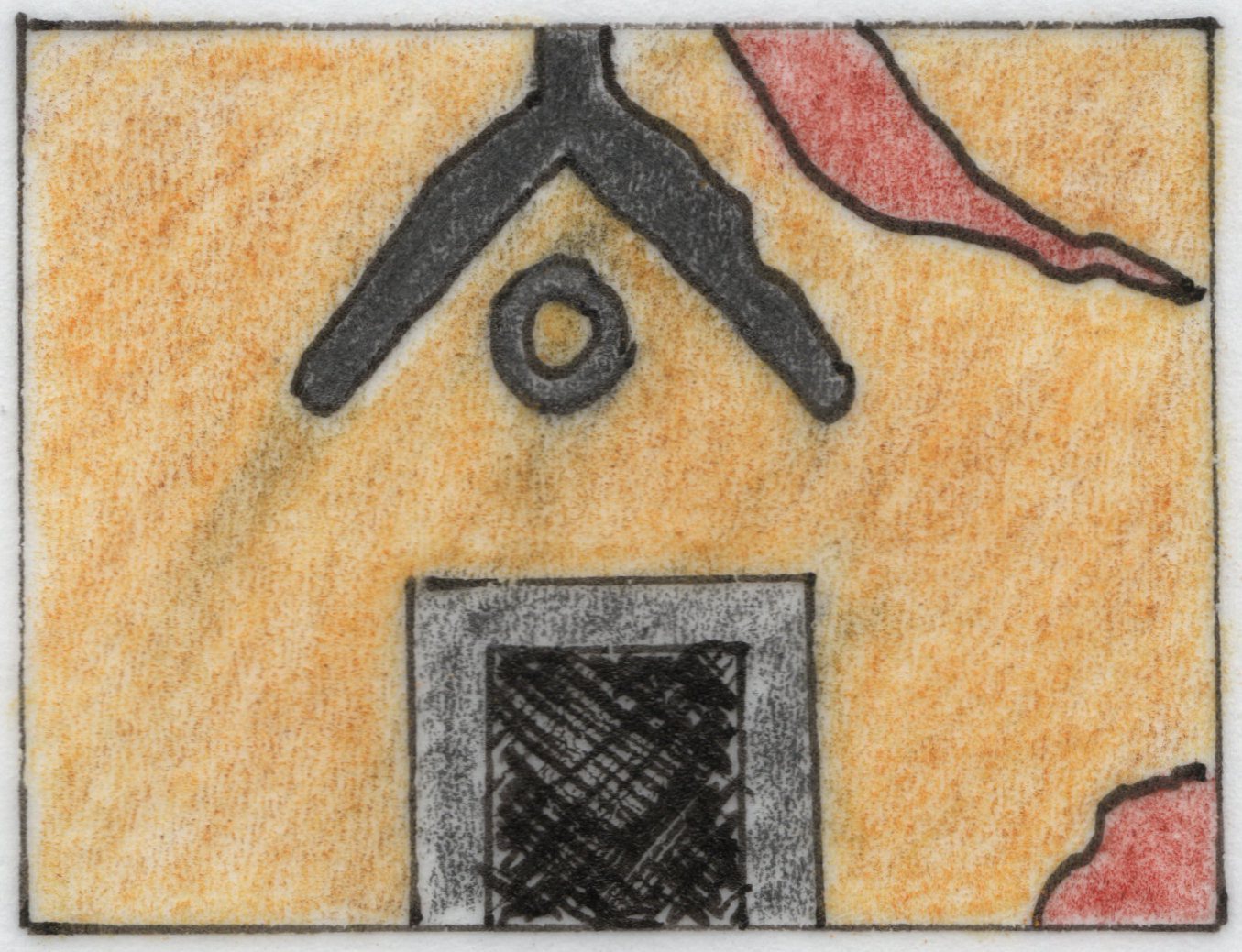
The rock-cut façade has a pointed pediment, a gable-like feature above an entrance, decorated with a chevron and a central circular motif. A vertical projection rises from the pediment’s peak to meet the upper curved frame of the façade, a feature described as unique among known examples. The chevron and circle also appear in funerary art of the period and do not, on their own, establish a Christian identity for the tomb.
Ossuaries and inscriptions
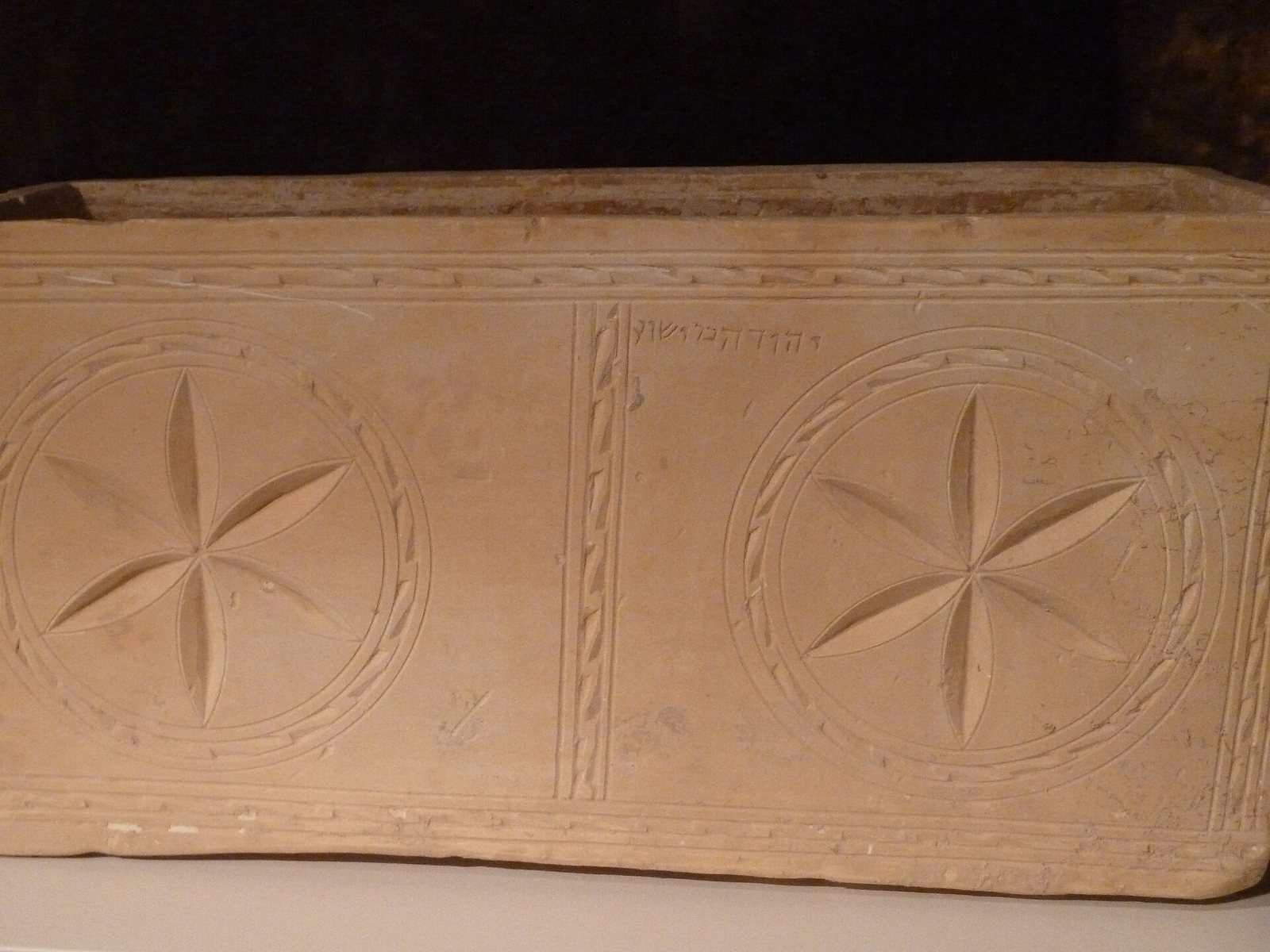
Excavation recovered ten limestone ossuaries, or boxes for collecting bones after an initial burial and decomposition. Five have rosettes and ornamental bands. Most were broken; three were recovered intact, while others needed restoration. Six bear inscriptions, although only four were recognized as inscribed during the excavation. The inscriptions comprise five Aramaic texts and one Greek text. The Aramaic readings include “Yoseh,” “Marya,” “Matya,” “Yeshua son of Yehosef,” and “Yehuda son of Yeshua.” The reading “Yeshua son of Yehosef” is partly illegible and disputed.
The Greek inscription has been read as “Mariamene and Mara” or “Mariam, also known as Mara.” These readings could refer either to two people or to one person with two names. The tenth ossuary was described as plain and broken, measuring 60 by 26 by 30 centimetres. It was reported missing by 2005; nine remain in state collections. The surviving boxes were moved from the Rockefeller Museum through Israel Antiquities Authority storage facilities.
Nearby archaeological remains
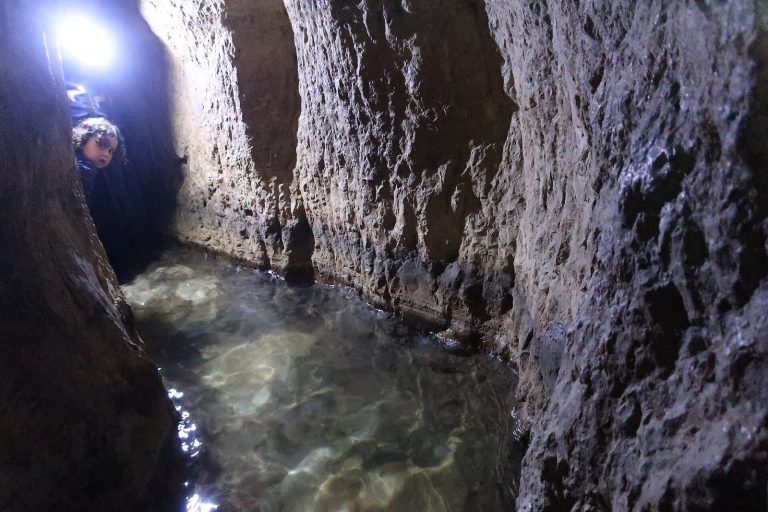
Investigations around Talpiot A recorded a mikveh, a Jewish ritual bath used for immersion, an olive press, and several cisterns. A separate ruined tomb about 20 to 30 metres to the north had been largely destroyed by blasting; portions of its interior walls and fragments of burial niches survived. Two nearby cisterns were considered probably Byzantine.
Talpiot B
Chamber and burial niches
Talpiot B has a square central chamber measuring 3.5 by 3.5 metres and a shallow pit measuring 2.3 by 1.7 metres. Nine kokhim, each about two to 2.3 metres deep, are arranged three per wall along three walls and were closed with stones.
Ossuaries and finds
Eight decorated ossuaries were found in four niches, with another on the floor. Human remains occurred in all the niches, and substantial evidence of primary burial came from niches 3, 7, 8, and 9. Pottery used for food was also recovered. Five of the eight ossuaries bear Greek or Hebrew inscriptions. Reported readings include “Mara,” “Jonas” or “John,” and a longer Greek text whose meaning is disputed. One carving has been interpreted either as a four-legged animal or as a divine name.
The most elaborately decorated ossuary carries cross-like motifs and a panel that some interpret as a fish expelling a human head, with a possible inscription reading “Jonah.” Other specialists identify the image as an amphora or perfume flask and reject the proposed inscription.