Konice Castle: A Baroque Summer Residence in Czechia
Site at a Glance
- Rating
- 4.4
- Popularity
- Medium
- Country
- Czechia
- Primary era
- Early Modern
- External website
- Open
- Eras represented
- Early Modern
- Civilizations
- Habsburg, Holy Roman Empire, Margraviate of Moravia
- Site type
- Domestic
- Remains
- Castle
On this page8 sections
History
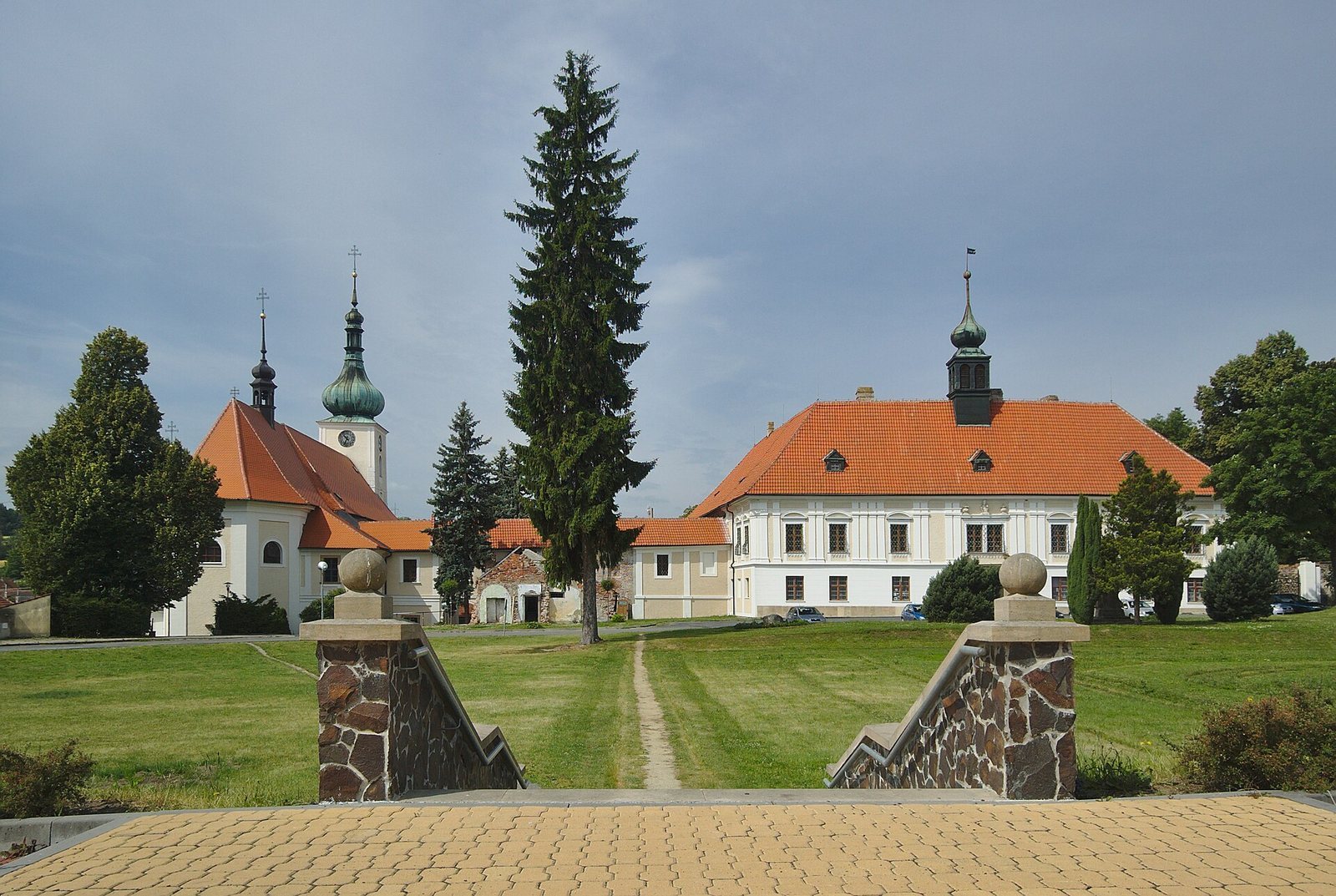
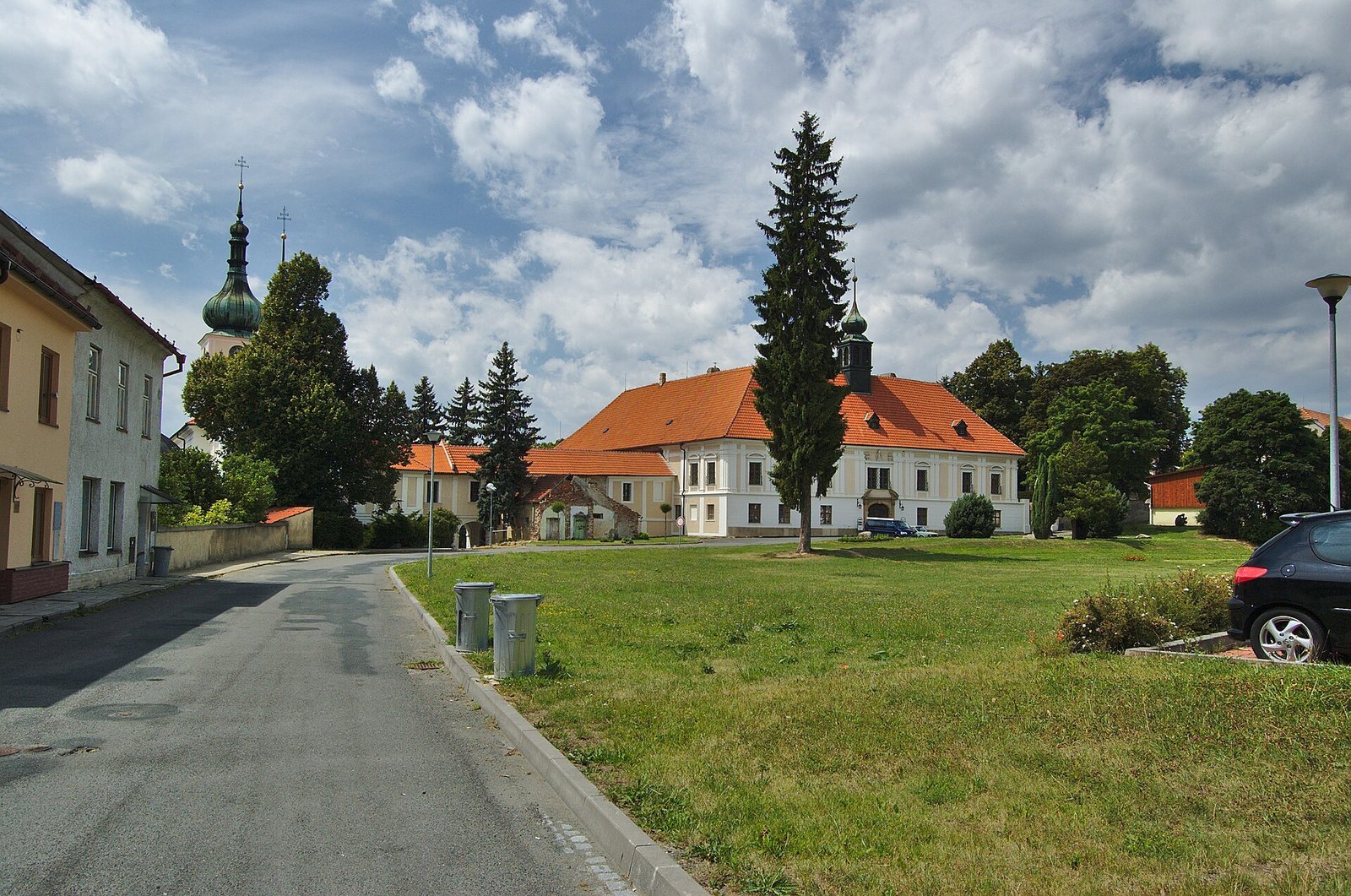
Konice Castle is a castle in the Baroque style, an ornate form of architecture, in southeastern Konice, Czechia. The Premonstratensian order, a Roman Catholic community of canons, commissioned it in 1705 as a summer residence for Hradisko Monastery near Olomouc. Before the castle, a fortress on the site guarded trade routes linking Moravia and Silesia with Bohemia.
The medieval fortress and estate
Konice is first mentioned in a fourteenth-century forged document that claims to date from 1200. In 1305, King Wenceslaus II, who ruled Bohemia and Poland, transferred the village to Adam of Choliny. The fortress is first recorded in 1351, when Ješek of Konice included it and the village in the dowry of his wife, Cecilie of Cimburk.
Štěpán and Ješek Kropáč of Holštejn acquired the estate in 1379. It comprised the town, the fortress, Strážiště Castle, and nearby villages. Ctibor of Cimburk bought it in 1386, and the Cimburk family retained it until 1446, when brothers from the Švábenice family took ownership. Their Konice branch held the estate until 1655. The oldest known seal associated with Konice appears on a document from 1446.
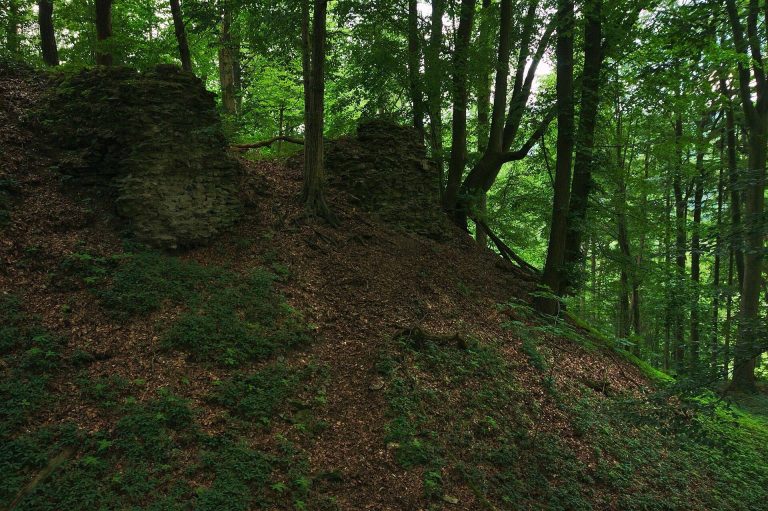
The fortress was last recorded in 1618 and probably disappeared during the Thirty Years’ War, a major European conflict fought from 1618 to 1648. In the second half of the seventeenth century, disputes over family property contributed to the estate’s fragmentation and decline. After changing hands several times, it was bought in 1699 by Hradisko Monastery.
The monastic castle and state administration
Norbert Želecký of Počenice, the monastery’s abbot, or head, commissioned the castle as a summer residence. Builder Lukáš Glöckel also rebuilt Konice’s Church of the Nativity of the Virgin Mary in 1702–03, and carried out both projects. In 1784, Emperor Joseph II suppressed the monastery as part of his reforms. The estate and castle then passed to the Religious Fund, a state-administered fund for property from dissolved religious institutions.
Private ownership and civic use
In 1825, Brno factory owner Karel Příza bought the indebted, dilapidated castle and undertook costly repairs. He moved to Konice in 1830, and his descendants, including Leopold Příza, owned the castle until 1945. Today, the city uses it for concerts and ceremonies. The building also contains a library, the Srdíčko Mother Centre, and a municipal cultural centre.
Remains
Castle building and courtyard
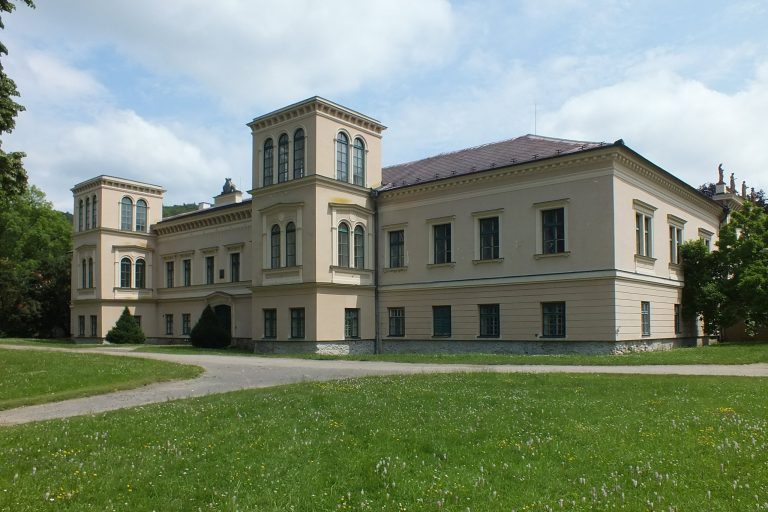
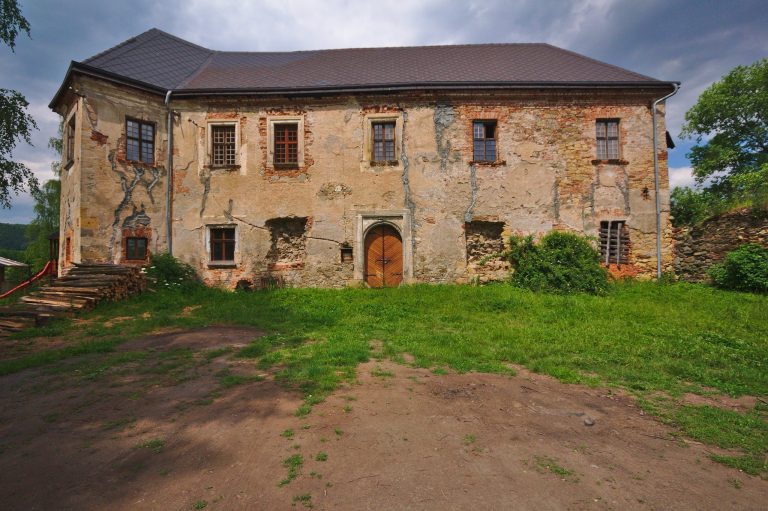
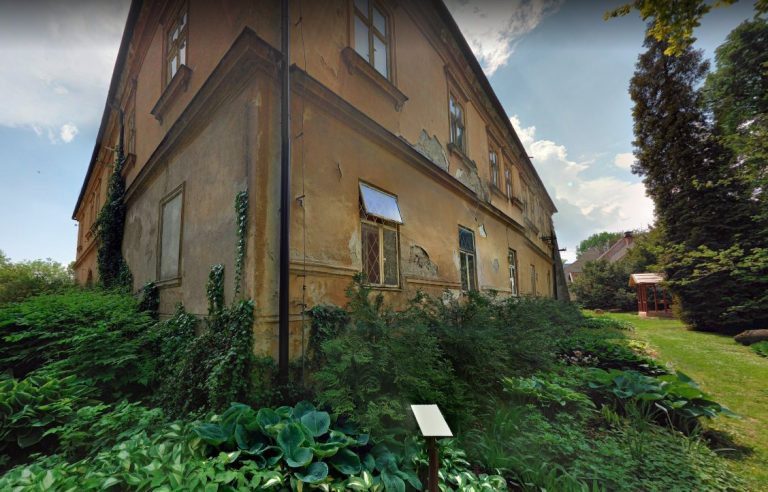
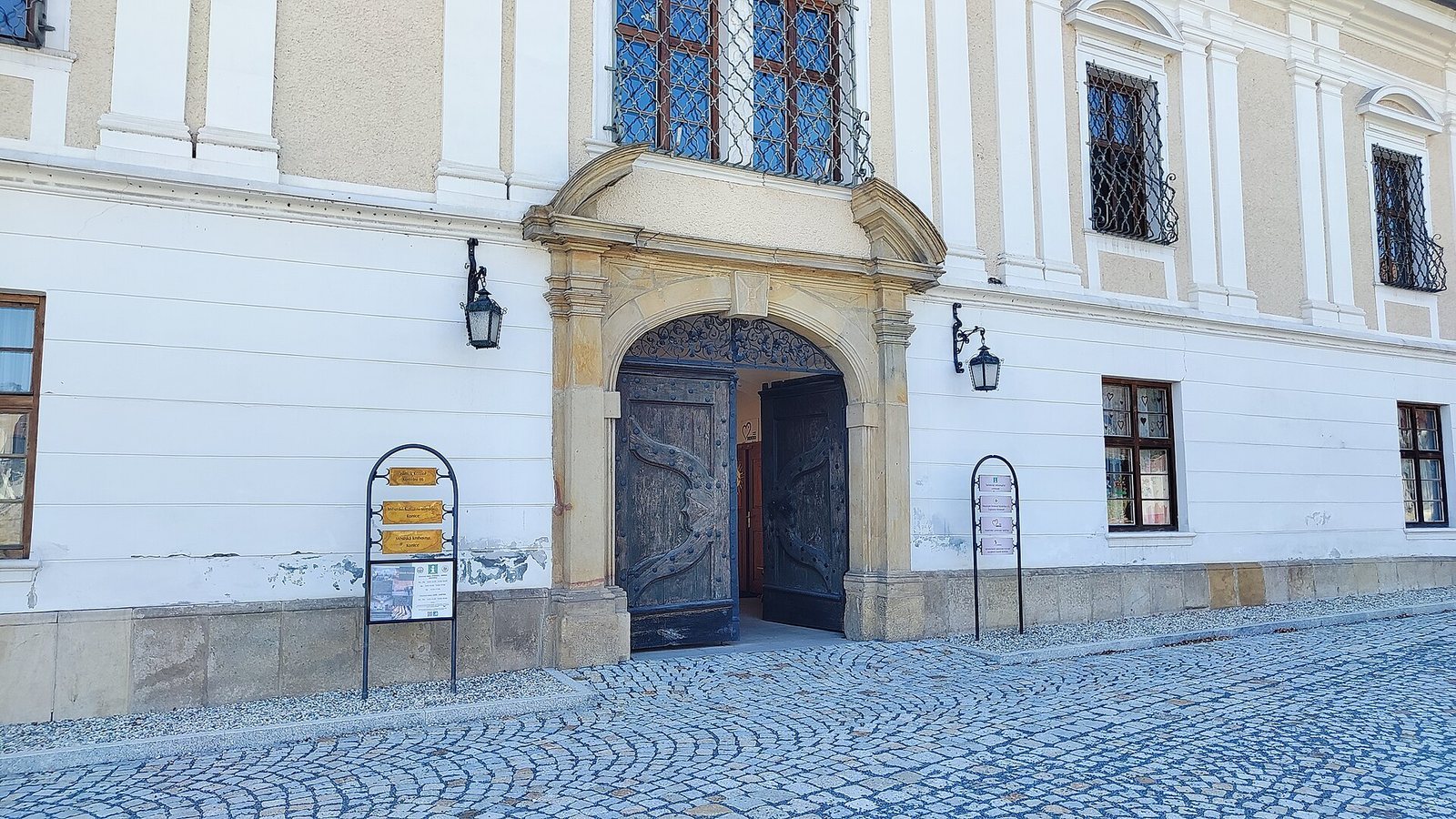
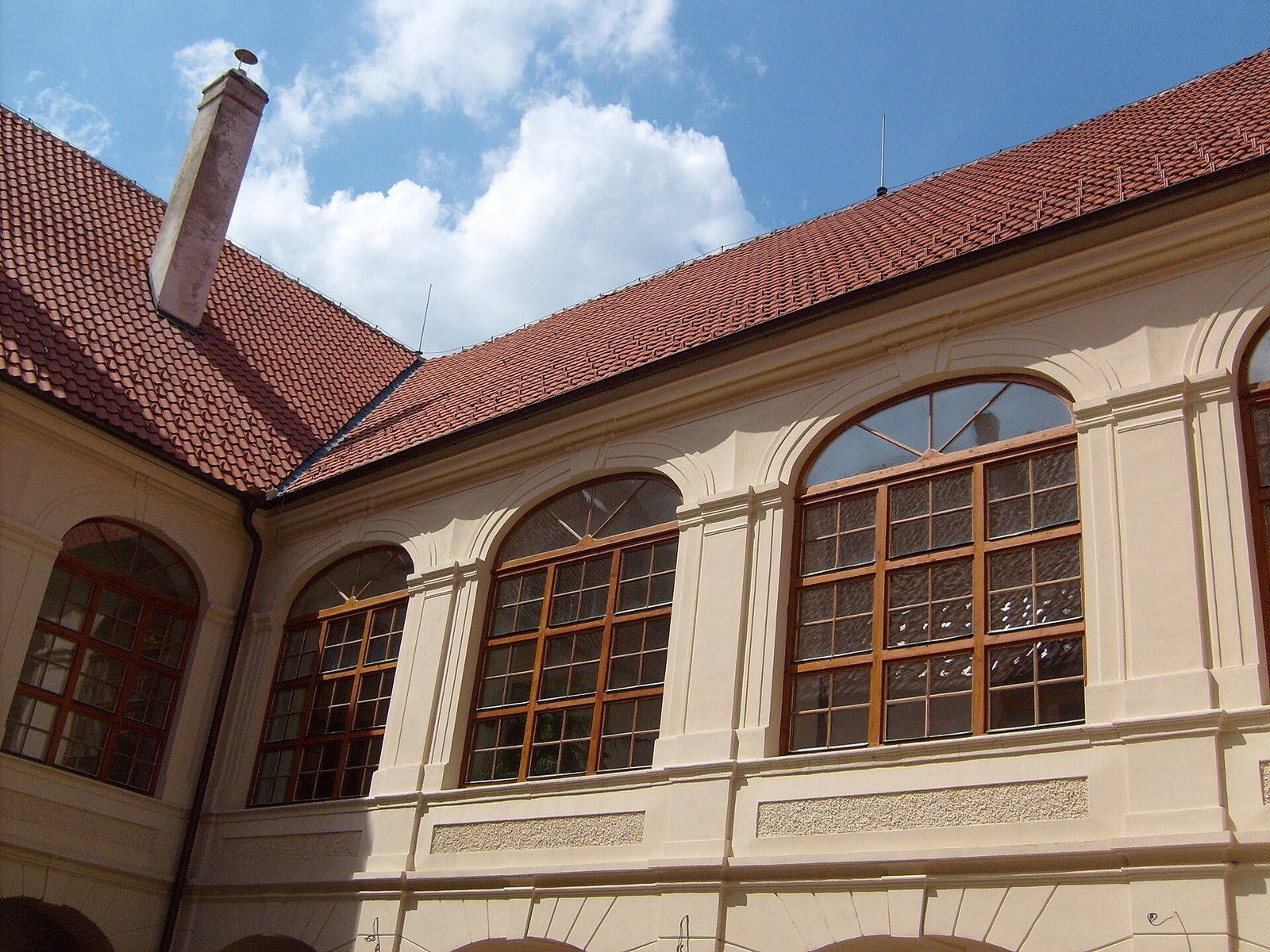
The castle stands in southeastern Konice, near the boundary of the Zábřeh and Drahany Highlands. Its two-storey building is arranged around a courtyard enclosed by four wings. On the entrance facade, a stone portal sits below a paired window, with three windows on each side. A sandstone statue of Norbert Želecký above the paired window shows him holding a monstrance, a vessel used to display the consecrated host in Catholic worship, and a palm. Arched galleries run along both levels of the courtyard. The ground-floor galleries are open, while those above are glazed; their groin vaults are made where barrel vaults intersect.
Interior and family memorials
The former dining hall, now a ceremonial hall, contains a painting of the Last Supper made on wet plaster, known as a fresco. It may be the work of Bedřich Diviš Strauss, who also painted frescoes at Hradisko Monastery. The castle preserves coats of arms belonging to the Švábenice knights and five stone tombs associated with their family.
Folk-crafts exhibition
The castle’s folk-crafts exhibition contains nearly 500 hatchets of various kinds and is listed in the Czech Book of Records as the largest collection of its type. An axe standing outside the castle is described as the largest in Czechia; it is also listed in the book.