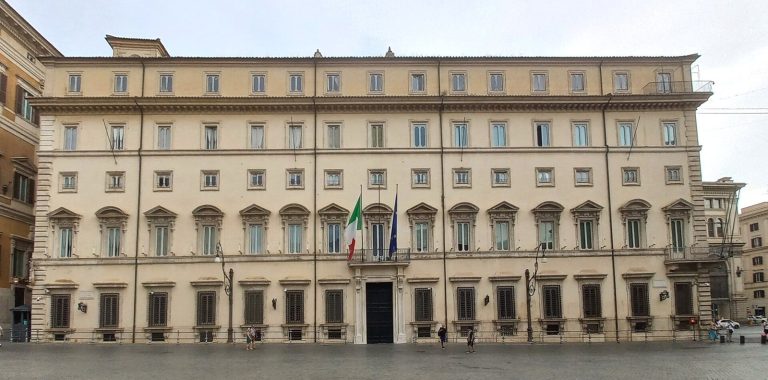
Palazzo Fiano al Corso: A Neo-Renaissance Palace in Rome
Site at a Glance
- Rating
- 5
- Popularity
- Very Low
- Country
- Italy
- Primary era
- Medieval
- Eras represented
- Medieval, Early Modern
- Civilizations
- Papal States
- Site type
- Religious
- Remains
- Palace
On this page9 sections
History
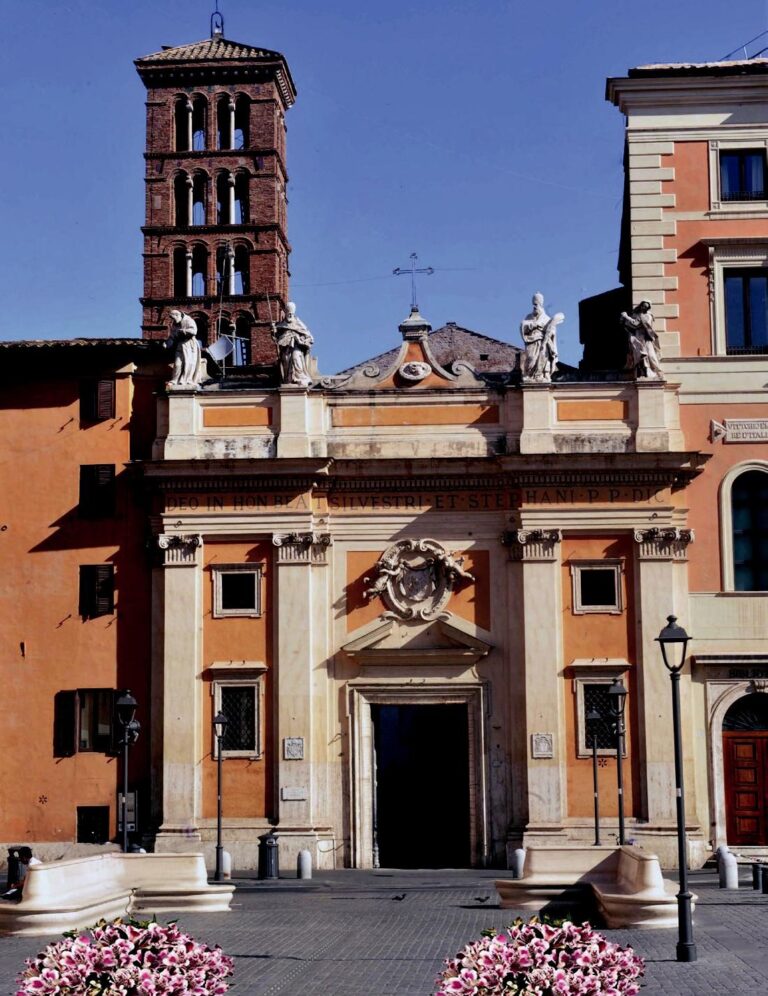
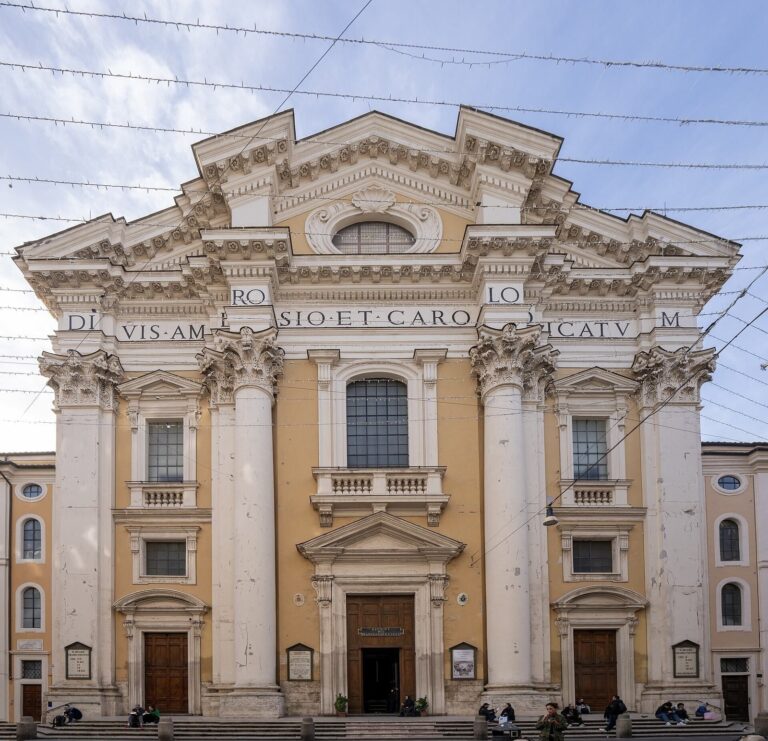
Palazzo Fiano al Corso is a neo-Renaissance palace in Piazza di San Lorenzo in Lucina, Rome, Italy. The earliest building on the site was erected in the thirteenth century for the English cardinal Hugh of Evesham. In the fifteenth century, the palace became a residence for the titular cardinals of San Lorenzo in Lucina, senior Catholic clerics assigned that Roman church as their ecclesiastical title.
Cardinal residences and expansion
In the early sixteenth century, Portuguese cardinal Jorge da Costa lived in an apartment above the Arch of Portugal. He held the title of San Lorenzo in Lucina from 1488 to 1508. The palace was enlarged repeatedly, including by acquiring residences across Via del Corso.
In 1542, Cardinal Ercole Gonzaga of Mantua renovated the palace and established his court there. His nephew, Cardinal Francesco Gonzaga, later lived in the building and kept his art collection there.
Peretti and Ottoboni ownership
Prince Michele Peretti, a relative of Pope Sixtus V, purchased the building in 1624 and extended it. During Pope Alexander VII’s pontificate, from 1655 to 1667, work to widen Via del Corso led to the demolition of the ancient Roman Arch of Portugal, which had spanned the street and connected properties on its two sides.
Toward the end of the seventeenth century, Marco Ottoboni, Duke of Fiano and a relative of Pope Alexander VIII, acquired the Peretti properties on both sides of the street. The palace in Piazza di San Lorenzo in Lucina became known as Palazzo Ottoboni di Fiano. The buildings across Via del Corso, at numbers 157–160, took the name Palazzo Ottoboni Boncompagni after Ottoboni’s only daughter married Pietro Gregorio Boncompagni.
Discoveries of the Ara Pacis
The first fragments of the Ara Pacis, or “Altar of Peace,” a Roman monument associated with Augustus, Rome’s first emperor, were found in 1568 during work to strengthen the foundations of the future Palazzo Fiano. Further fragments of the monument’s side frieze came to light beneath the palace in 1859. The complex was sold to businessman Edoardo Almagià in 1898, and excavations in July 1903 yielded another 53 fragments.
Excavations in 1937, carried out using new techniques for the two-thousandth anniversary of Augustus’s birth, recovered additional pieces. The monument’s reconstruction was completed in 1938, and it was installed at Lungotevere in Augusta.
Remains
Palace layout and fabric
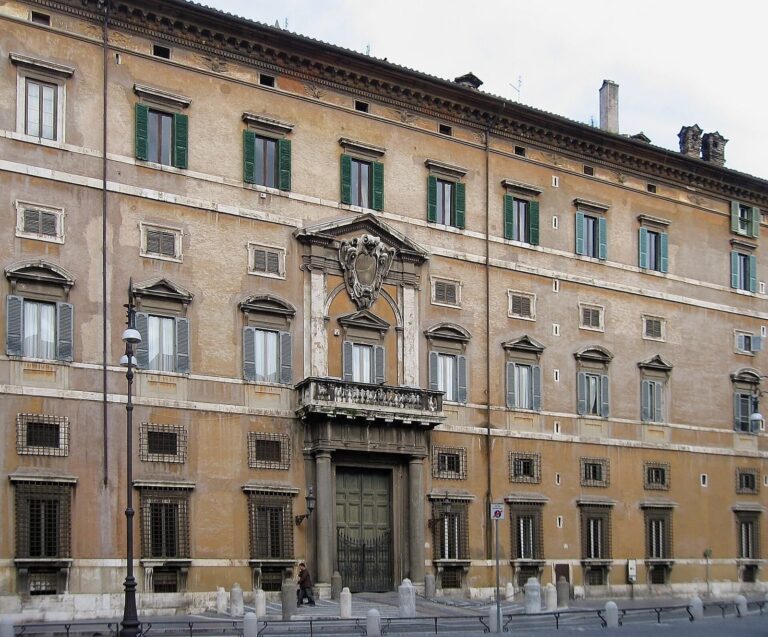
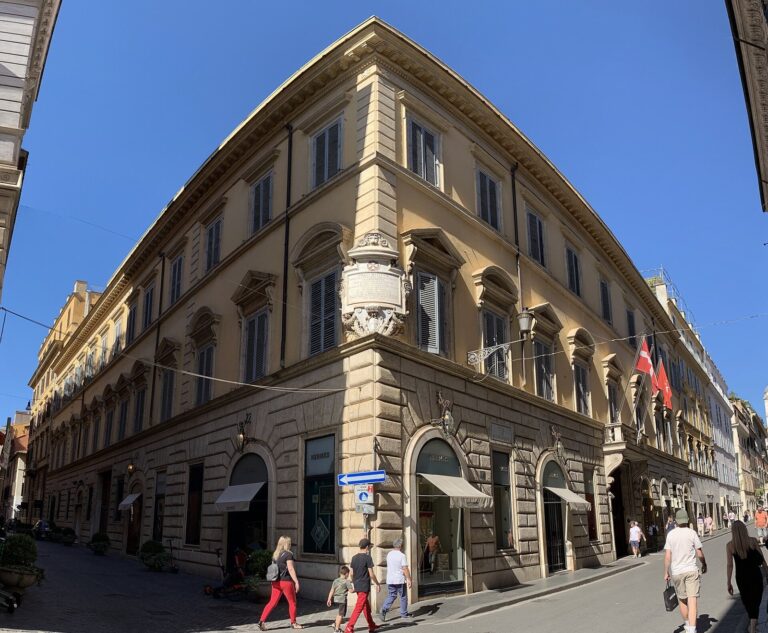
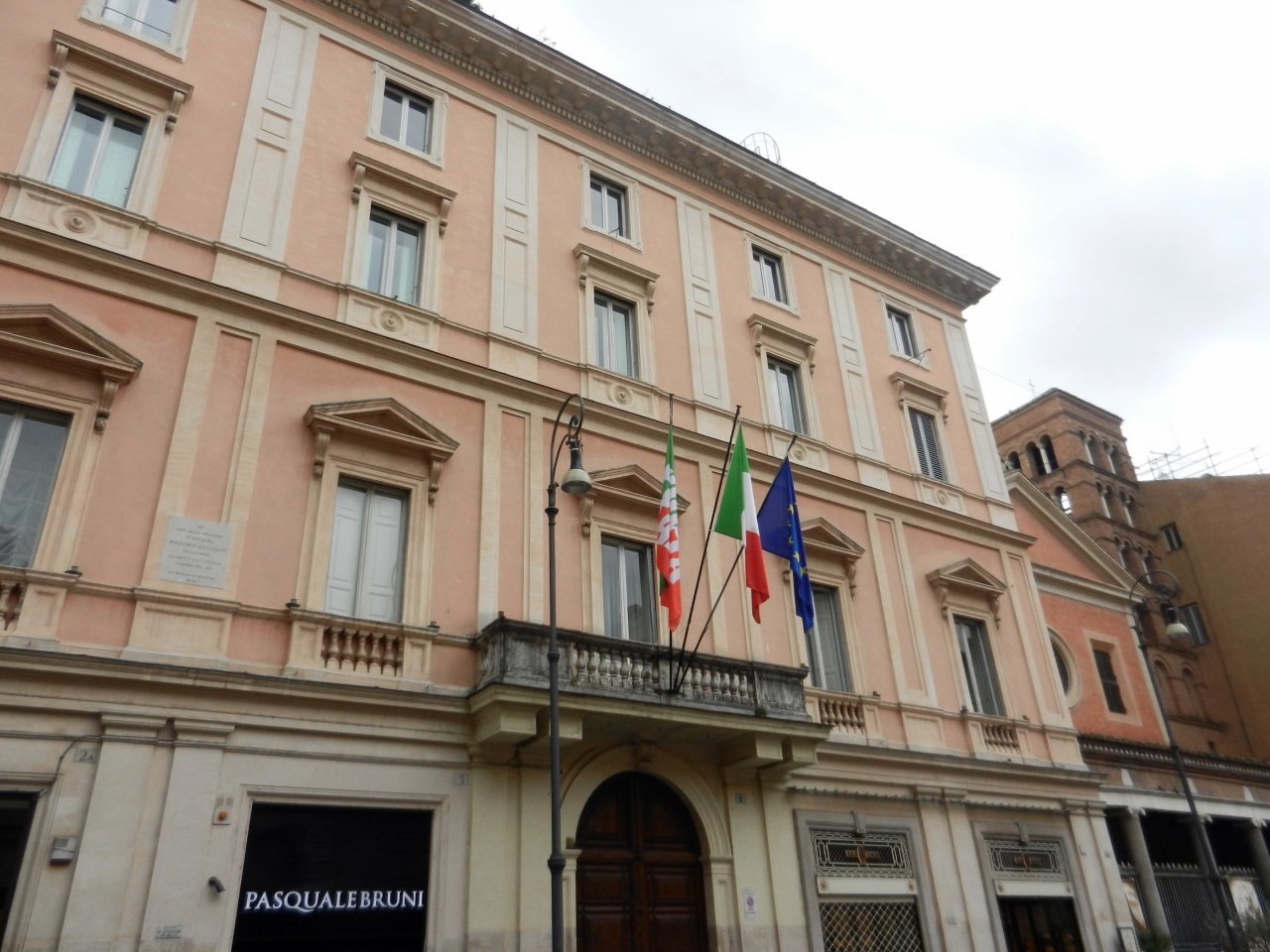
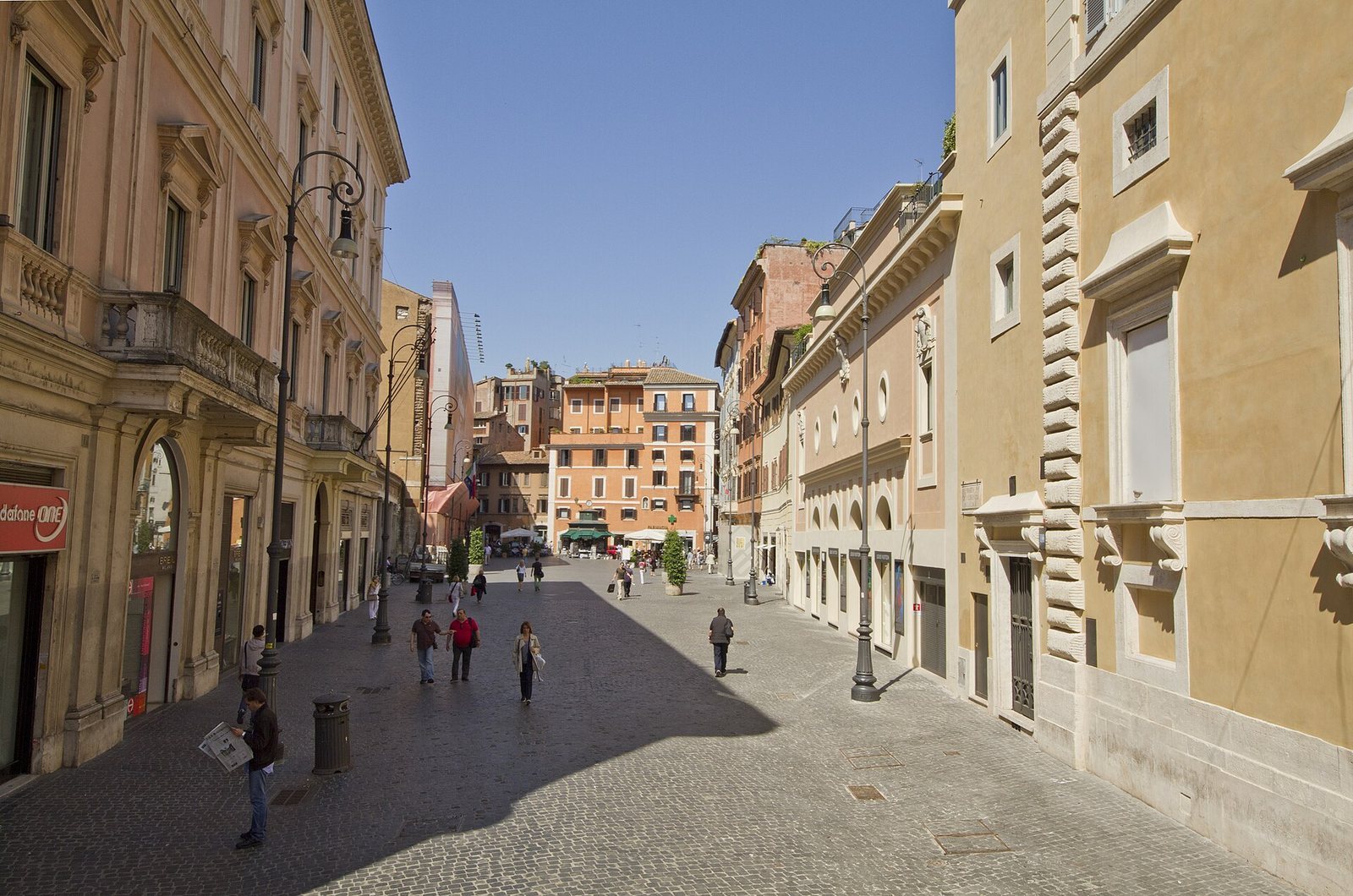
The palace occupies the corner of Piazza di San Lorenzo in Lucina and Via del Corso. Its neo-Renaissance design, which revives forms and decorative features associated with Renaissance architecture, includes a three-storey street facade and an inner courtyard.
Street facade
The facade has two portals, each topped by a small balcony. On the first storey, windows have triangular pediments; those on the second have architraves, while the third-storey openings are square. The entrance at civic number 4 leads into the building.
Inner courtyard
The entrance opens onto an inner courtyard with a fountain decorated with a crowned eagle.
Ara Pacis fragments
Fragments recovered beneath the palace include parts of the Ara Pacis side frieze. Pieces recovered during the excavations contributed to the monument’s reconstruction, now installed at Lungotevere in Augusta.