Château du Mesnil-Saint-Denis: A Historic Residence and Town Hall
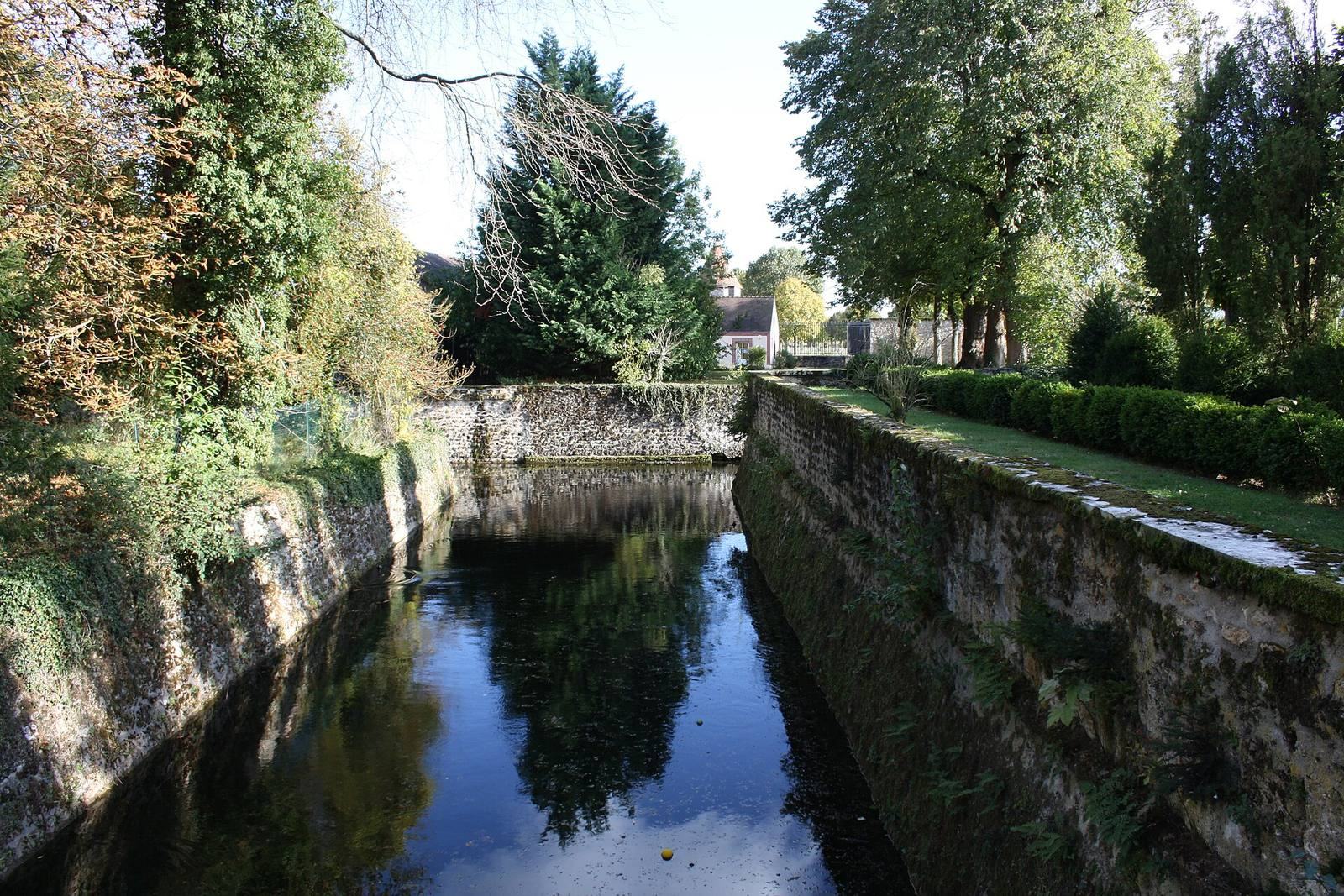
Site at a Glance
- Rating
- 5
- Popularity
- Very Low
- Country
- France
- Primary era
- Early Modern
- Eras represented
- Early Modern, Modern
- Civilizations
- French
- Site type
- Domestic
- Remains
- Castle
On this page8 sections
History
Construction and early ownership
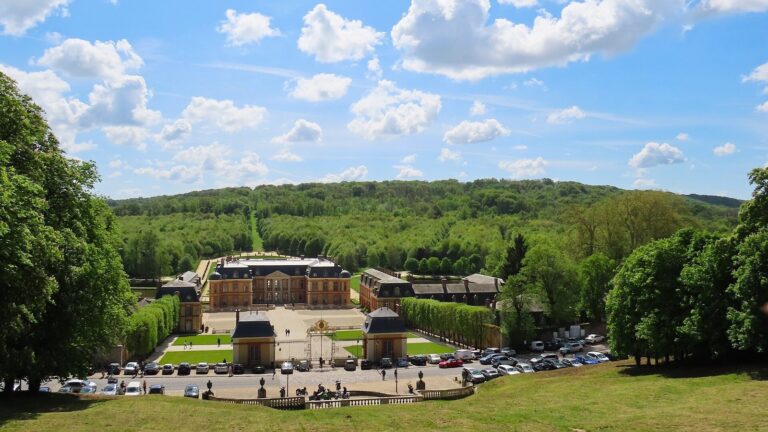
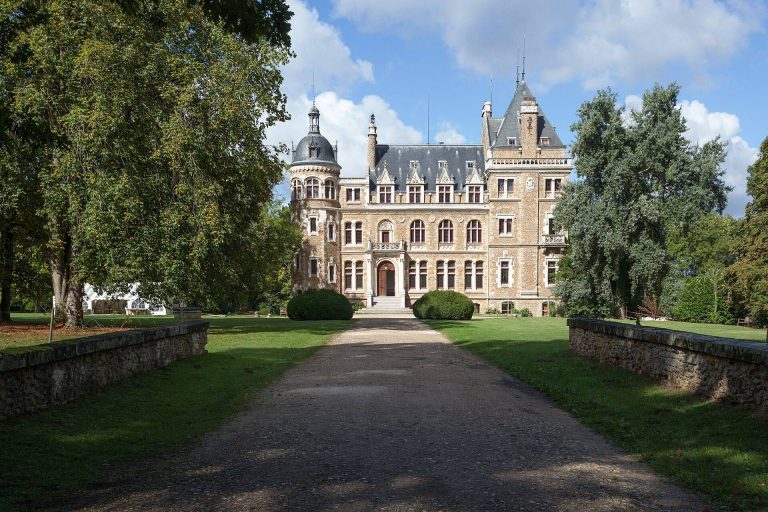
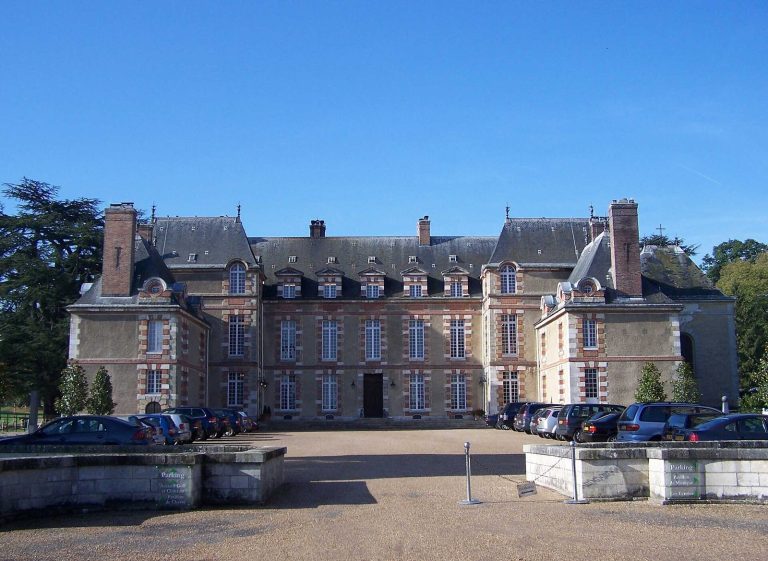
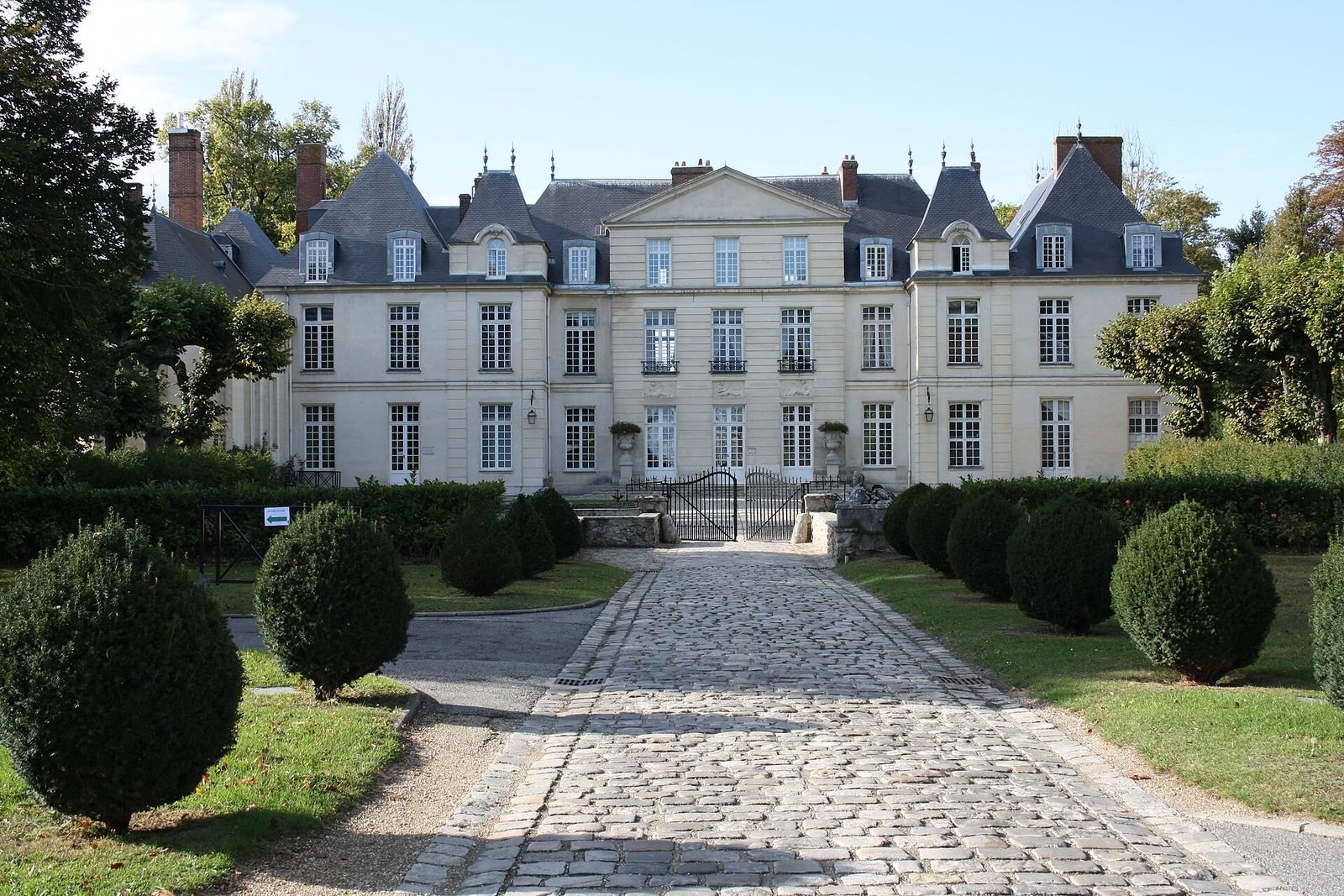
The Château du Mesnil-Saint-Denis is a late-sixteenth-century residence in France, built for Louis Habert de Montmor, a financial official under Henry III. Construction probably began around 1579 or 1580. Habert de Montmor served as secretary of finance to Henry III, king of France from 1574 to 1589, and as ordinary treasurer-general for the wars.
The property passed to Louis’s grandson, Henri Louis Habert de Montmor, who later transferred it to his son, Jean Louis Habert de Montmor. Jean Louis was general superintendent of the French galley fleet, warships propelled chiefly by oars. In 1724, the château passed by inheritance to his nephew, Jean-Louis de Rieu du Fargis. Charles de Selle, a councillor of state, acquired it in 1737.
Nineteenth-century restoration
The writer Sophie Gay acquired the property in 1842. Pierre Adolphe Husson and his wife, Pauline Carcenac, bought it in 1865 and restored the château under the direction of French architect Hippolyte Destailleur. Their daughter, Marie-Adèle-Alexandra Husson-Carcenac, later known as Sister Marie de la Nativité, founded the Monastery of the Sacred Heart of Mesnil-Saint-Denis. During the Franco-Prussian War, the 1870–1871 conflict between France, Prussia, and Prussia’s German allies, Prussian troops occupied the château. They were first commanded by Grand Duke Frederick Francis II of Mecklenburg-Schwerin and later by Prince Frederick William of Hohenlohe.
Twentieth-century uses
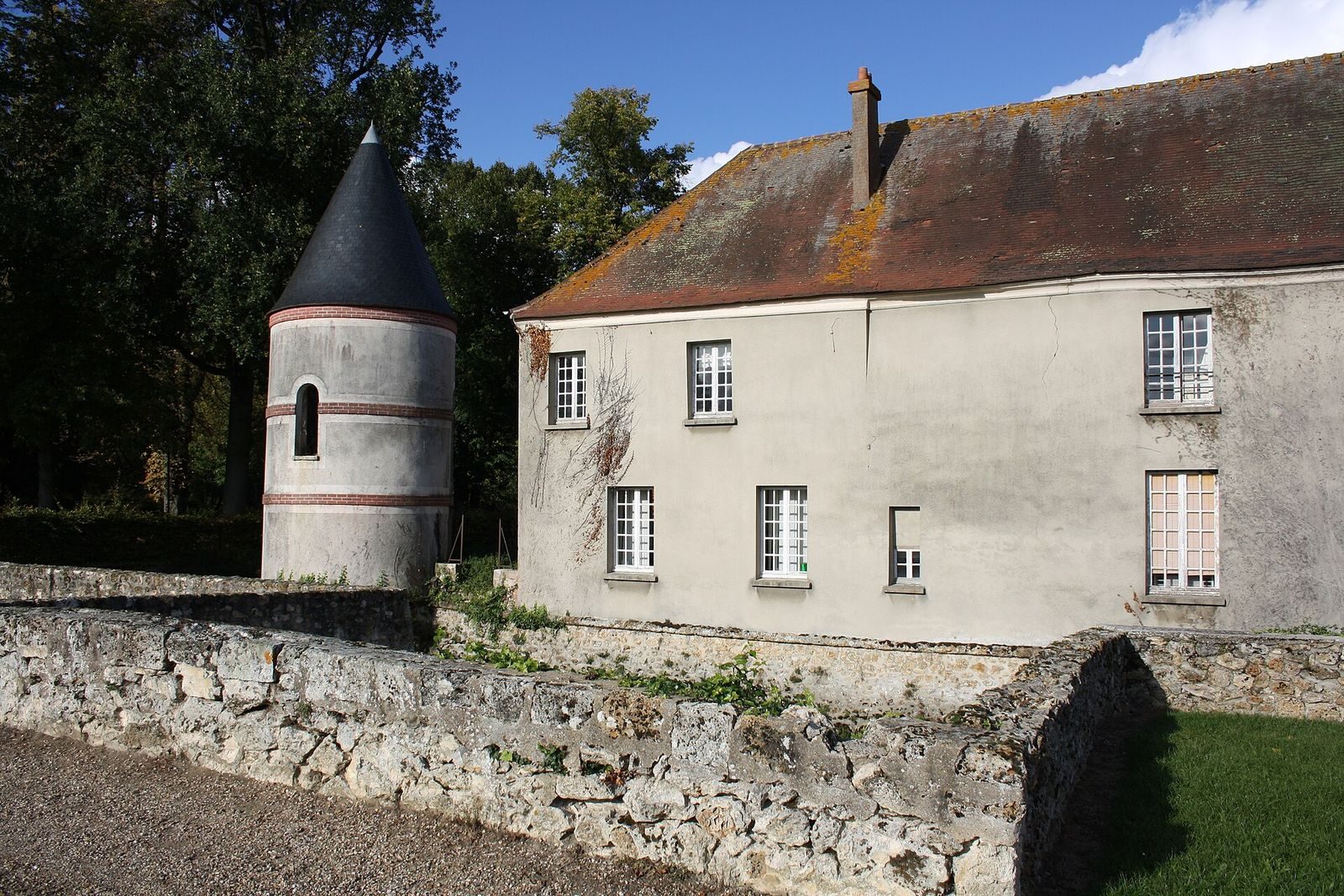
The property passed to Norwegian minister Fredrik Herman Gade in 1929. In 1940, Albania’s exiled King Zog I and Queen Geraldine resided at the château. It was listed as a historic monument on 4 January 1947. That year, American businessman Milton Reynolds acquired it and set up production of Reynolds-brand pens in the outbuildings.
In 1952, the municipality of Le Mesnil-Saint-Denis purchased the château for use as the town hall and technical-services offices. The municipality remains its owner.
Remains
Architectural and decorative features
The château’s recorded features include its main building, a chapel added in 1884, interior fittings and decorative works, as well as furnishings in the park.
Chapel and interior features
About twenty interior and decorative elements are associated with the château. They include wall panelling, a fireplace, interior shutters and doors, low-relief sculptures, allegorical paintings, stained-glass windows, plates supporting the roof, and statues.
Park furnishings
The park’s recorded features include a decorative vase and two garden benches.