Yoshizaki-go-bō Temple: Rennyo’s Jōdo Shinshū Center
Site at a Glance
- Rating
- 3.3
- Popularity
- Low
- Country
- Japan
- Primary era
- Unclassified
- Eras represented
- Unclassified
- Civilizations
- Unclassified
- Site type
- Religious
- Remains
- Temple
On this page5 sections
History
Yoshizaki-go-bō Temple was a center for Jōdo Shinshū, a Japanese Pure Land Buddhist tradition, established by the reformer Rennyo in 1471 on a low hill in Awara, Fukui Prefecture, Japan. It served as a base for spreading the faith through Hokuriku, the Sea of Japan-facing region of central Honshu.
Rennyo and the foundation
Rennyo became the eighth chief abbot of Hongan-ji in 1457. In 1465, monks from Enryaku-ji, a major Tendai Buddhist temple, destroyed Hongan-ji in Kyoto amid hostility toward its growing influence. Rennyo fled the capital.
The land at Yoshizaki belonged to the monzeki of Daijō-in, a high-ranking Buddhist cleric, often of aristocratic or imperial birth. Daijō-in was an important subtemple of Kōfuku-ji in Nara. The monzeki reportedly ceded the land to Rennyo. The two had known each other since Rennyo’s youth, when he studied under him, and the monzeki’s mother came from Hongan-ji. A local administrator was the abbot of one of the few nearby temples then affiliated with Hongan-ji.
Rennyo taught in accessible language, circulated letters explaining the faith, and encouraged followers to recite the six-character invocation to Amida Buddha, the Buddha central to Pure Land belief. His followers came from across Hokuriku and from Dewa and Ōshū, historical regions in northeastern Japan. As the community grew, clergy and lay followers gathered around the temple.
Rennyo also sought to reform religious practice and promoted communal landholding by lay followers under priestly leadership, in place of feudal landlords. His vision helped lay the foundations for the Ikkō-ikki, leagues of Jōdo Shinshū followers able to organize for political and military action.
Fires, conflict, and abandonment
The temple burned in 1474 and was rebuilt. It burned again in 1475 during the Sengoku period, an era of civil war and political fragmentation in Japan. Rennyo then left Yoshizaki and returned to Kyoto.
In 1506, the Asakura warrior clan defeated forces of the Kaga Ikkō-ikki at the Battle of the Kuzuryu River. The Asakura then demolished the priestly residence, and the temple was abandoned.
Later temples and commemoration
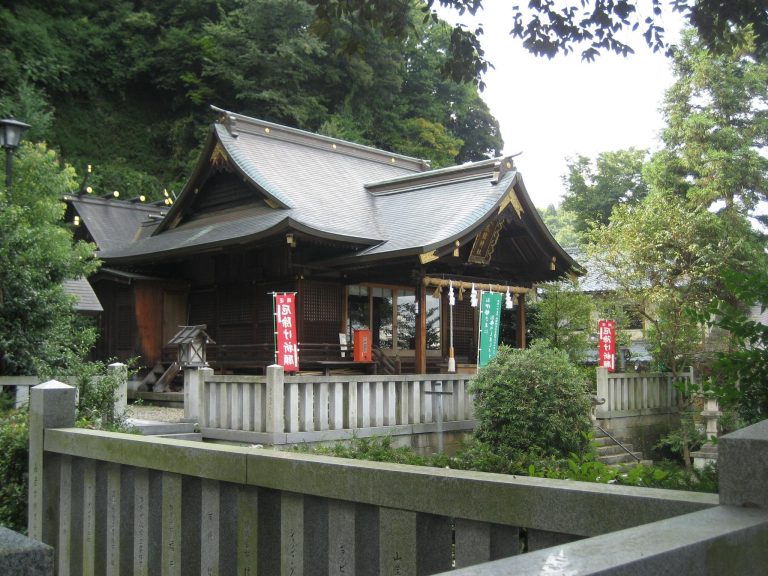
A West Betsuin, a branch temple affiliated with the Hongan-ji institution, was established in 1746 on the site of a former local religious hall. An East Betsuin affiliated with the Ōtani branch followed in 1747 at the foot of the hill. Together they are known as Yoshizaki Betsuin and represent distinct branches of Jōdo Shinshū.
The former temple site is a National Historic Site. The surrounding Yoshizaki settlement lies on the former boundary between Echizen and Kaga provinces and now extends across the Fukui–Ishikawa prefectural border. An annual observance carries Rennyo’s portrait in a palanquin on foot from Higashi Hongan-ji in Kyoto to the East Betsuin, reenacting his journey to Yoshizaki; services are held at both Betsuin temples.
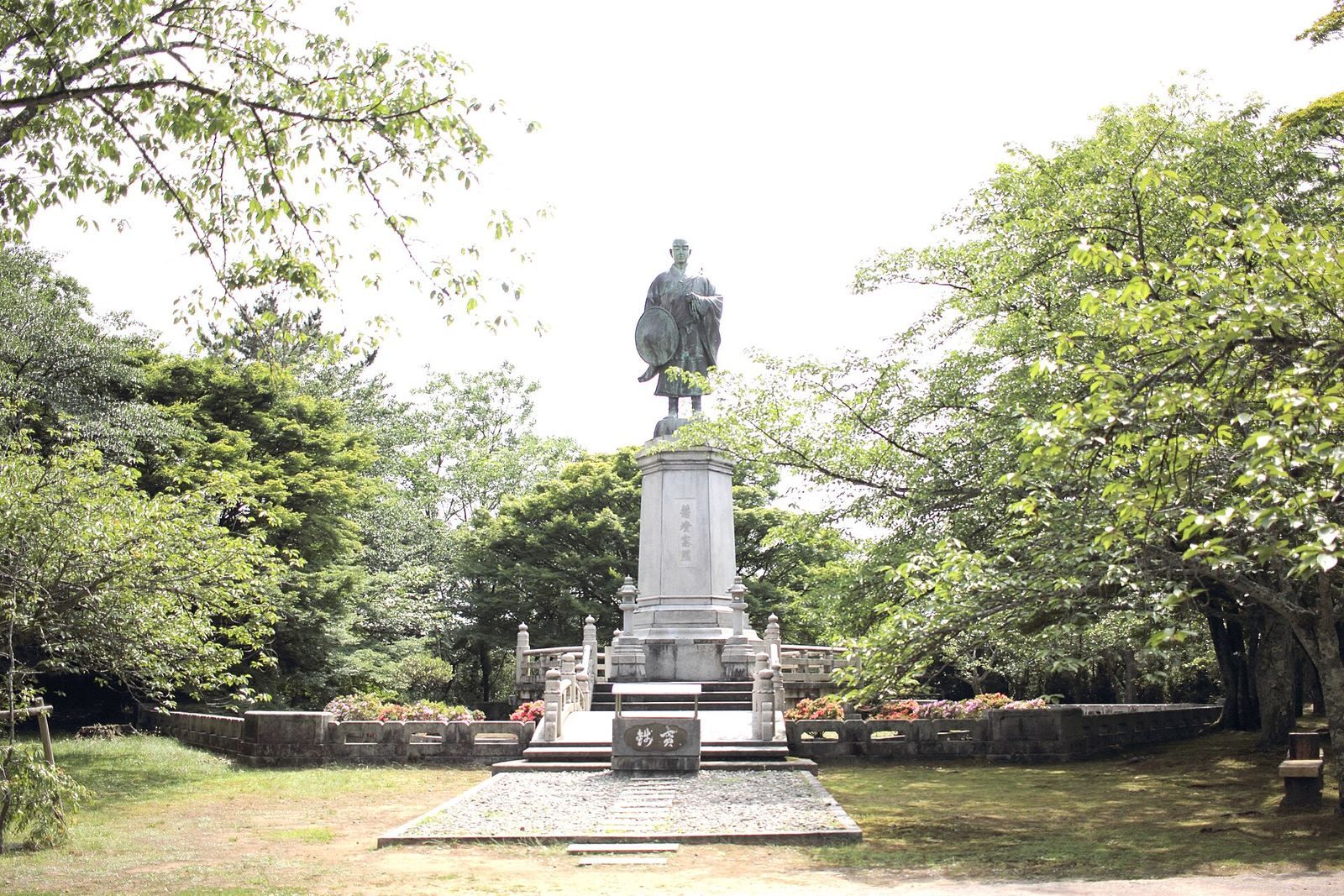
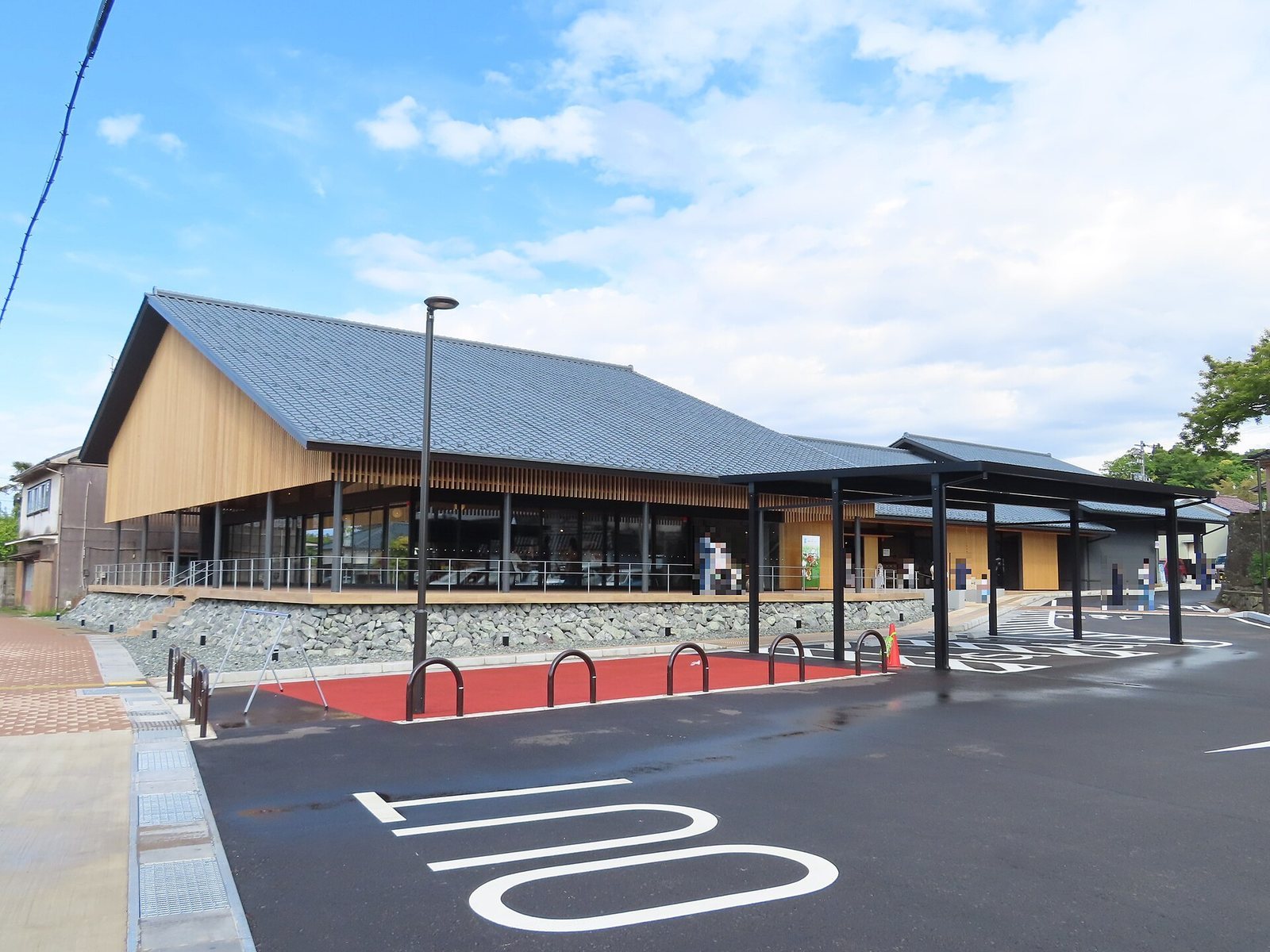
For the temple’s 550th anniversary, representatives of the East and West branches planned joint commemorations. A joint preparatory memorial service was held at the Rennyo statue on the hill on 19 September 2021, the first such service since the branches divided. The main anniversary events were postponed until 2022 because of the COVID-19 pandemic. The Seven Wonders Hall, a registered tangible cultural property on the grounds of the Rennyo memorial museum, was dismantled to make way for development of the Ren’nyo no Sato Awara roadside station.
Remains
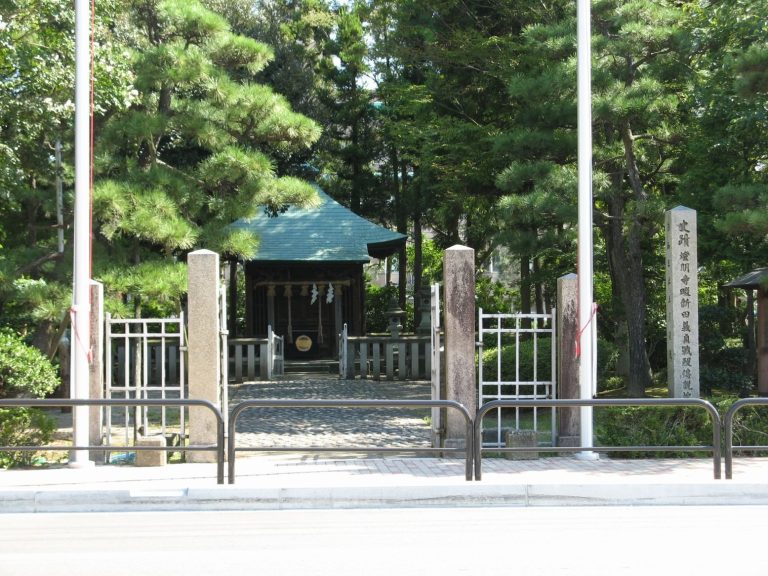
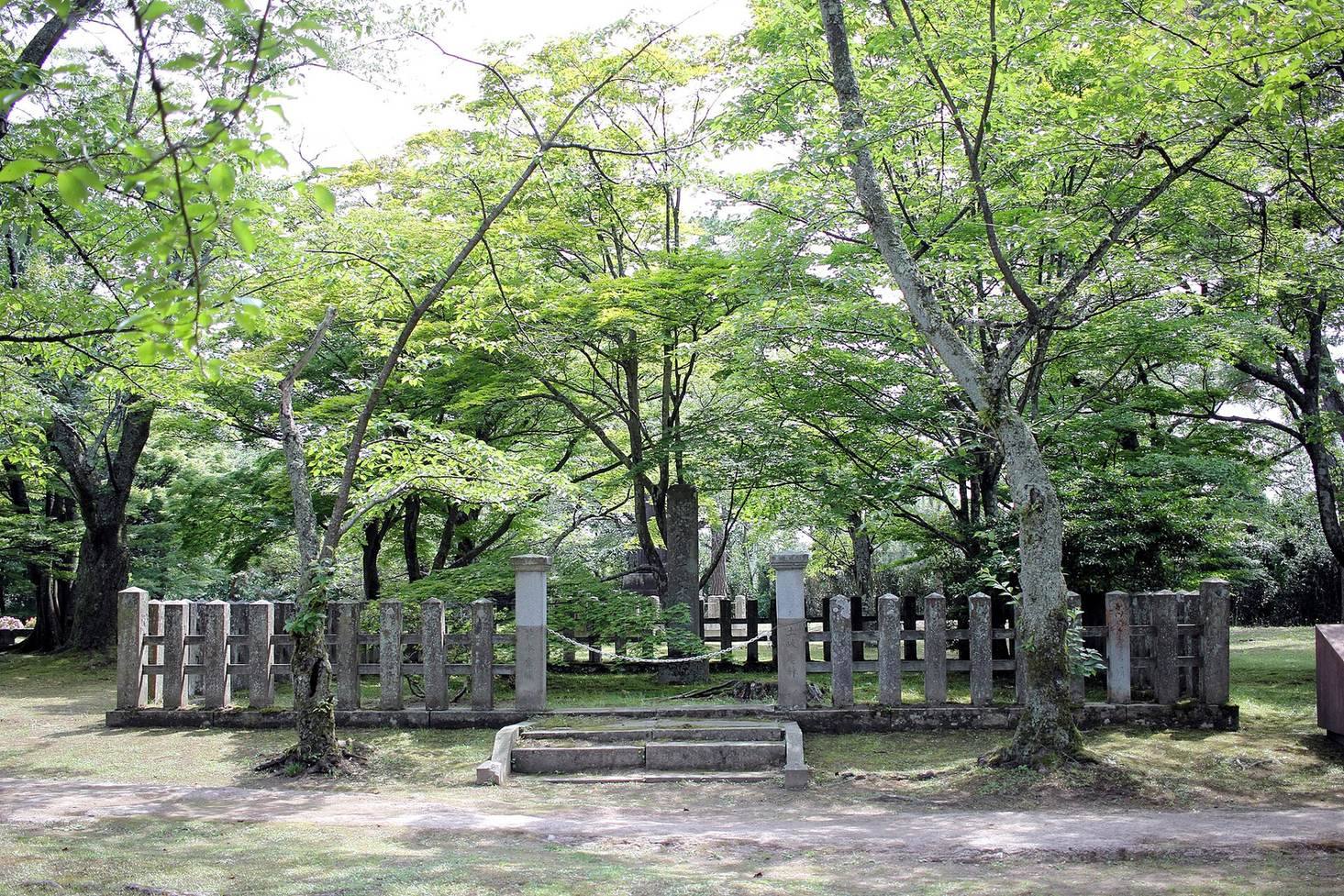
The former temple occupied about 20,000 square metres on the summit of a low hill roughly 33 metres above sea level. Lake Kitagata borders the hill on its north, west, and south sides, creating a naturally defensible setting. Religious buildings and lodgings for followers once formed a settlement around the temple. A stone monument marking the Yoshizaki-go-bō ruins stands at the site.
The hill is maintained as a park shared by the East and West branches, and a staircase leads toward the former temple site. The Hongan-ji-affiliated Betsuin stands on the hill’s west side and the Ōtani-affiliated Betsuin on its east. Other facilities in the Yoshizaki area include a Rennyo memorial museum, another temple affiliated with the Ōtani branch, and a facility of the Jōdo Shinshū Shinrankai.