Castle of Argenteau: A Noble Residence in Belgium
Site at a Glance
- Rating
- 4
- Popularity
- Very Low
- Country
- Belgium
- Primary era
- Early Modern
- Eras represented
- Early Modern
- Civilizations
- Holy Roman Empire, Prince-Bishopric of Liège
- Site type
- Domestic
- Remains
- Castle
On this page10 sections
History
The medieval stronghold
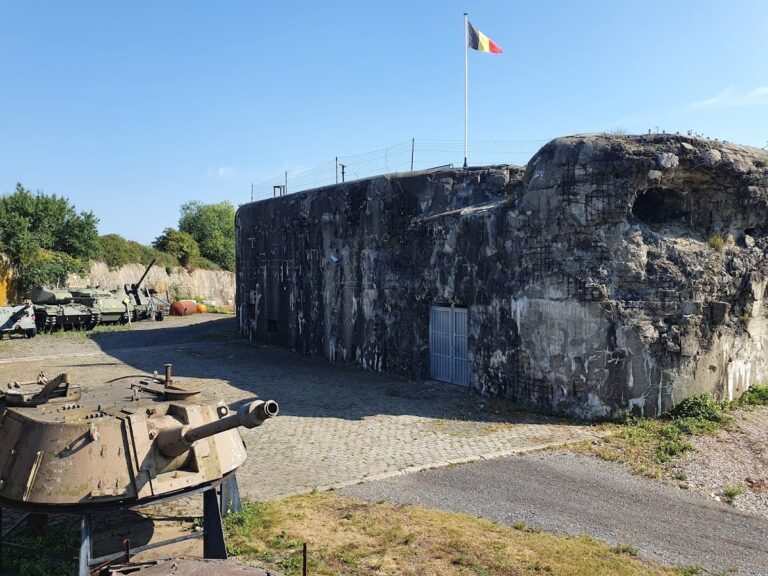
A castle occupied rocky ground above the Meuse from at least the 10th century, serving as a defense against Norman raids. The Normans were peoples of Scandinavian origin who raided and settled in parts of Europe during the early medieval period. French troops destroyed the medieval castle in 1674, following the Siege of Maastricht, a major engagement in the Franco-Dutch War. Fort Navagne, several kilometres downstream, was destroyed at the same time.
The 1683 residence
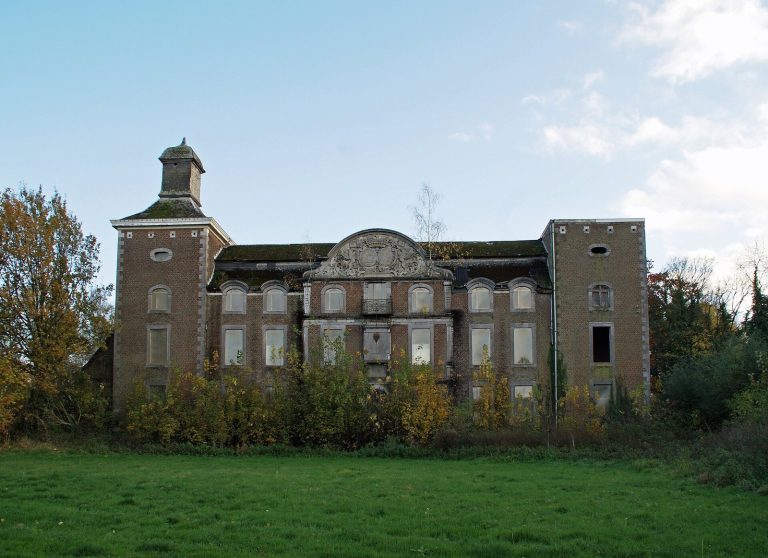
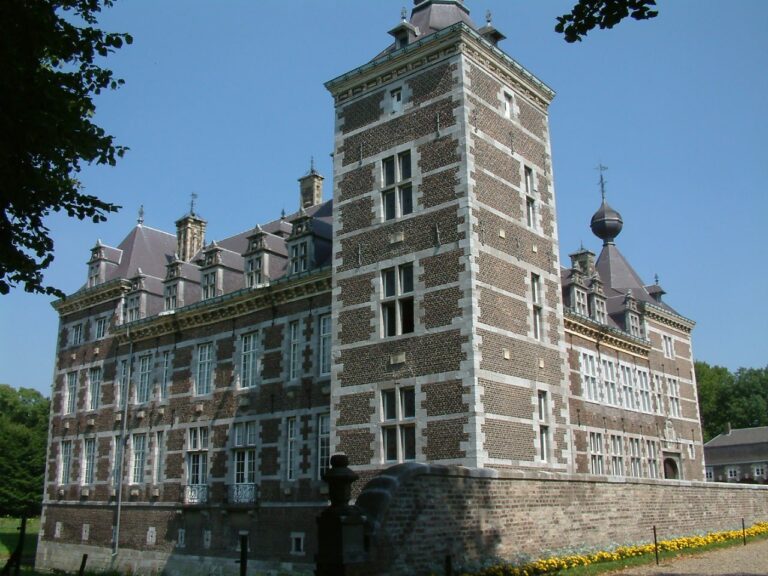
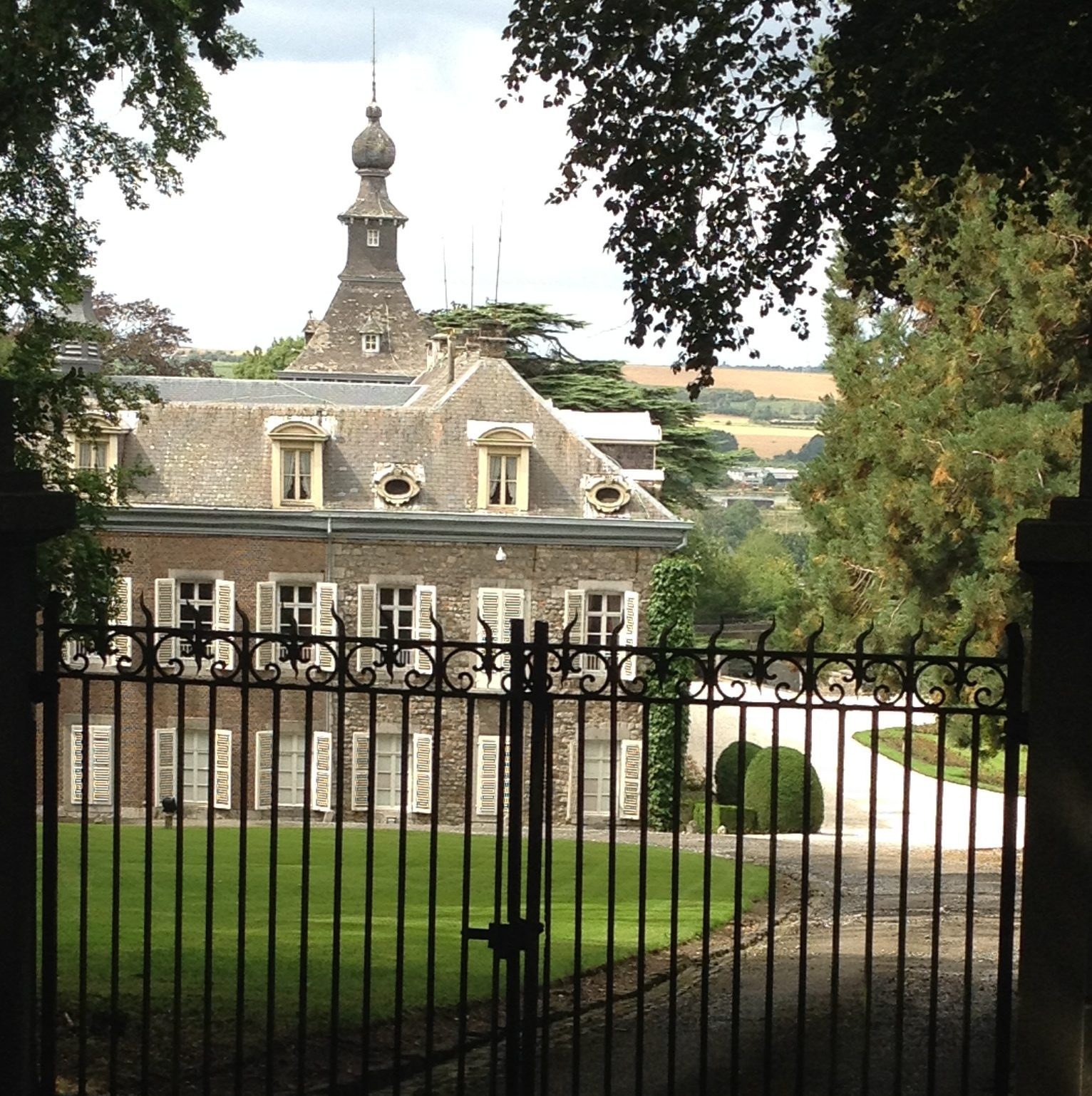
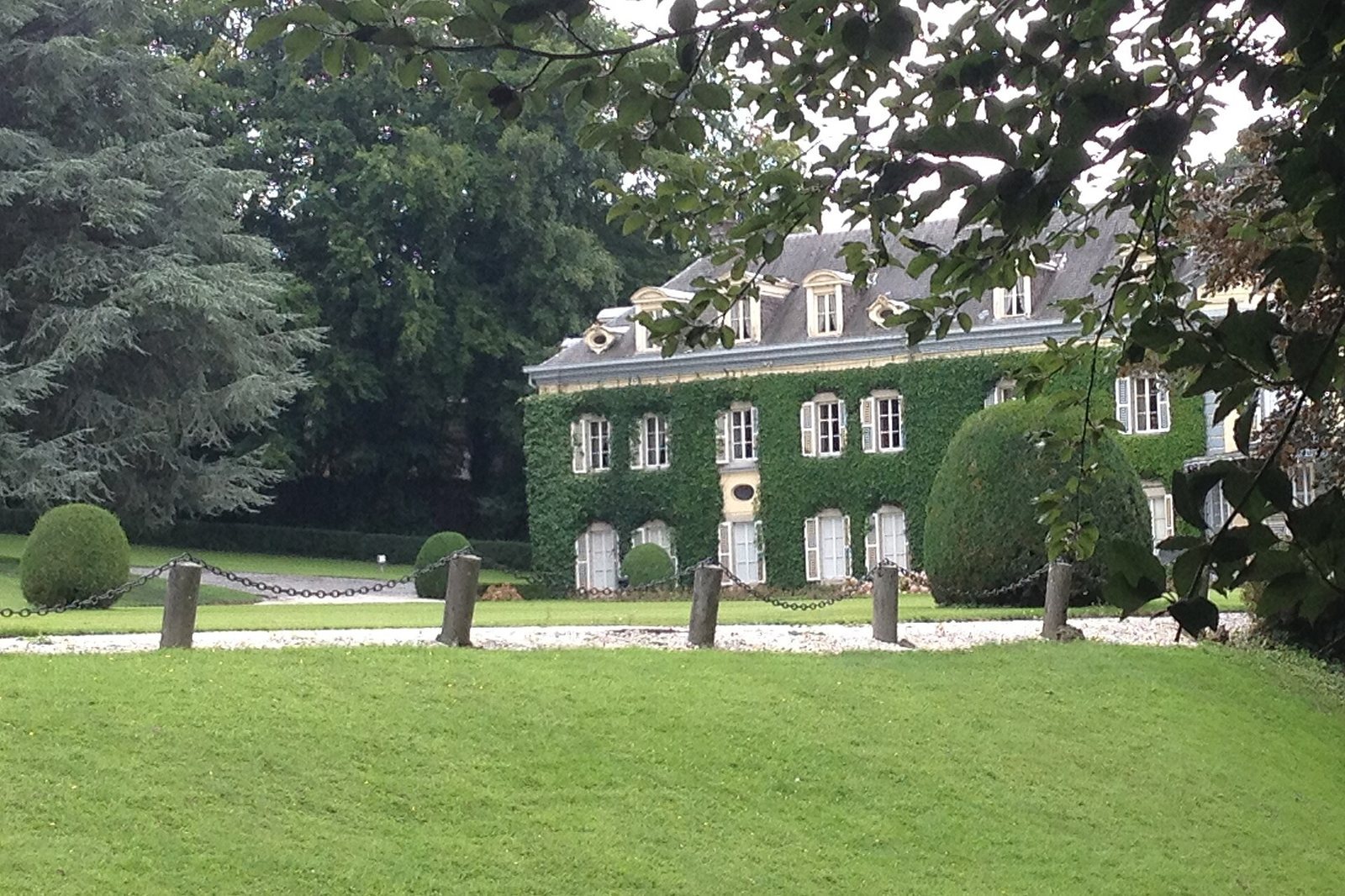
The present Castle of Argenteau is a residence in Visé, Belgium, built in 1683 for the counts of Mercy-Argenteau, a European noble family. One of the counts, François de Mercy-Argenteau, served as a chamberlain, an officer in the court of Napoleon Bonaparte, the French military leader who became emperor.
Musicians and compositions
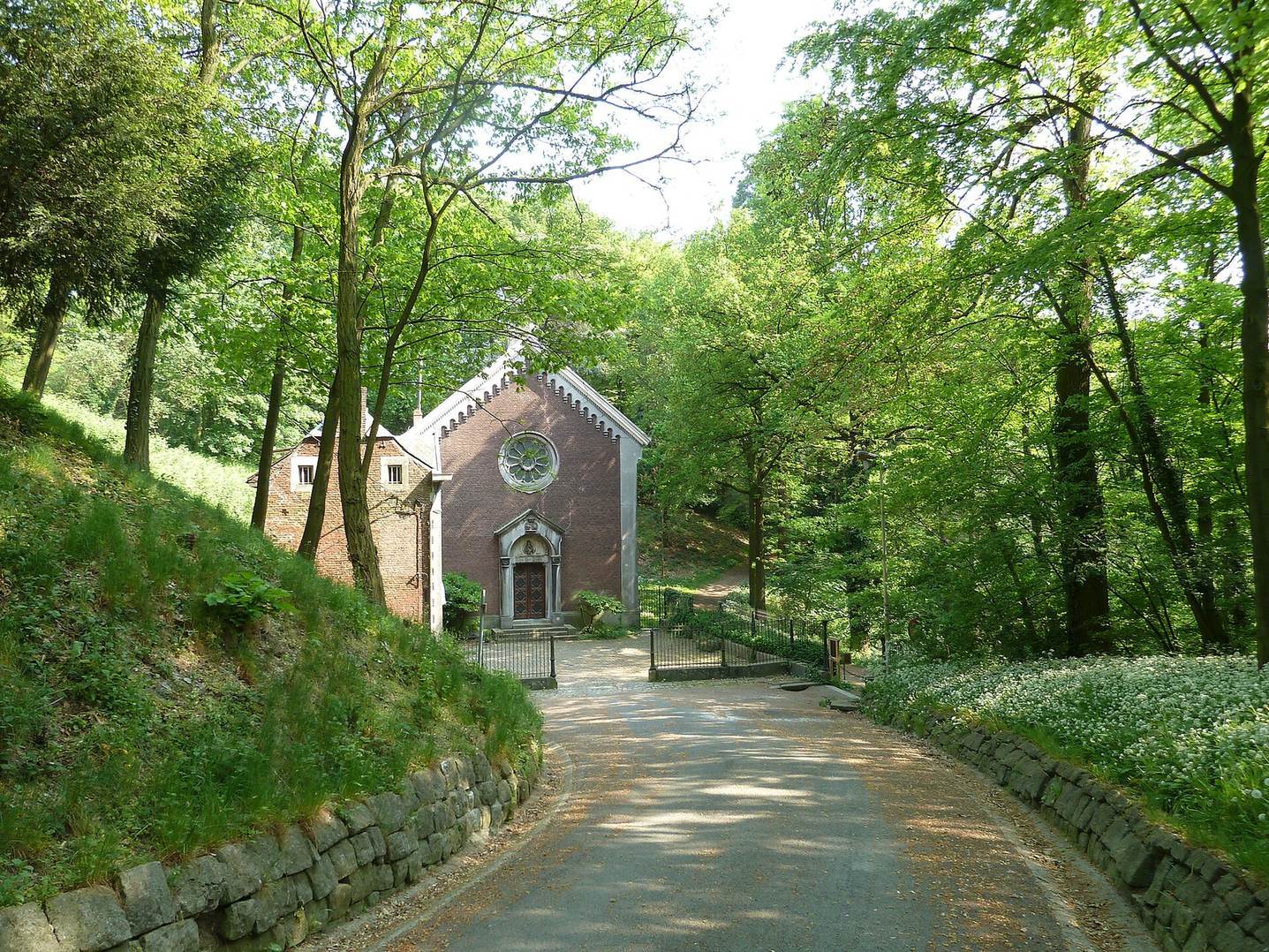
Countess Louisa de Mercy-Argenteau, wife of Count Eugène, welcomed musicians to stay at Argenteau. Her guests included Hungarian composer and pianist Franz Liszt, pianist and violinist Juliette Folville, and Russian composers Alexandre Borodine and César Cui. Liszt returned repeatedly and regularly played the organ at the Chapel of Wixhou. He also admired a cedar in the castle park, which Cui sometimes sat beneath while working.
Cui composed several works at Argenteau, including Les oiseaux d’Argenteau, a hymn for two children’s voices, and À Argenteau, a suite of nine piano pieces. Five selections, Farniente, Causerie, À la Chapelle, Le Rocher and Le Cèdre, became Suite No. 4 in an orchestration by Russian composer and conductor Glazounov. Trumpet fanfares in Le Rocher evoke the former fortress and its assaults. The theme of Le Cèdre draws on the musical notes associated with rendering the name Argenteau in German. In 1888, Cui also composed his three-act opera Le Flibustier at the castle, using poems by French writer Jean Richepin.
Twentieth-century ownership
Senator Guillaume van Zuylen bought the castle in 1903. Guillaume-Marie van Zuylen, who later became bishop of Liège, was born there in 1910.
Remains
The present residence stands on lower ground near the Julienne, while the medieval stronghold occupied a rocky height above the Meuse. The features of the surviving estate include the castle’s front, an orangery and a park.
Castle grounds and associated buildings
The present castle
The castle’s front façade and orangery are identified features of the residence. A bridge is depicted extending from the castle toward the rocky site of the former fortress.
The park cedar
A cedar of Lebanon planted in 1804 grows in the castle park.
Chapel of Wixhou
The Chapel of Wixhou is in the hamlet of Wixhou, southeast of the castle. It belongs to the castle’s residents and contains an organ.