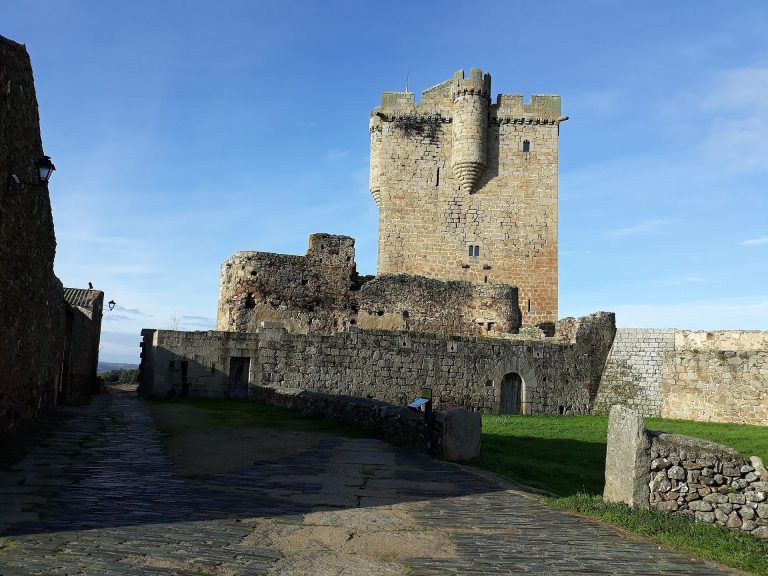
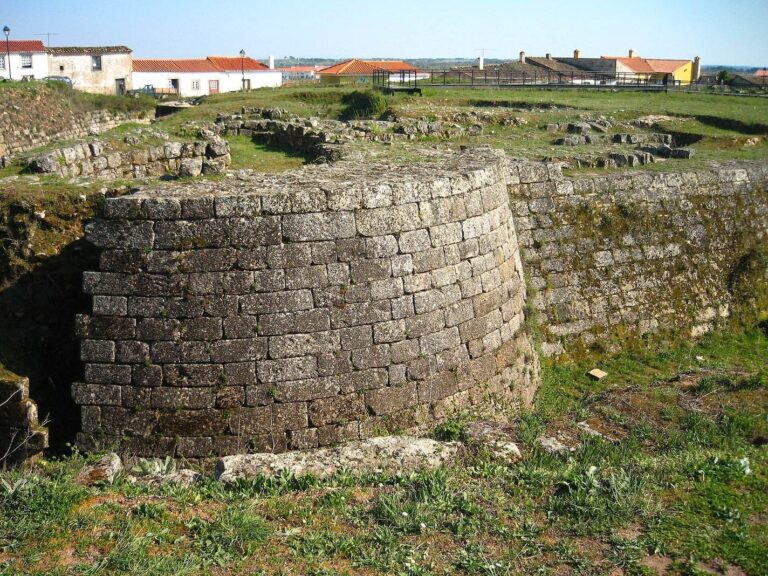
Siega Verde: An Open-Air Paleolithic Rock-Art Site in Spain
Site at a Glance
- Popularity
- Medium
- Country
- Spain
- Primary era
- Stone Age
- Eras represented
- Stone Age
- Civilizations
- Unclassified
- Site type
- Civic
- Remains
- Rock Art
History
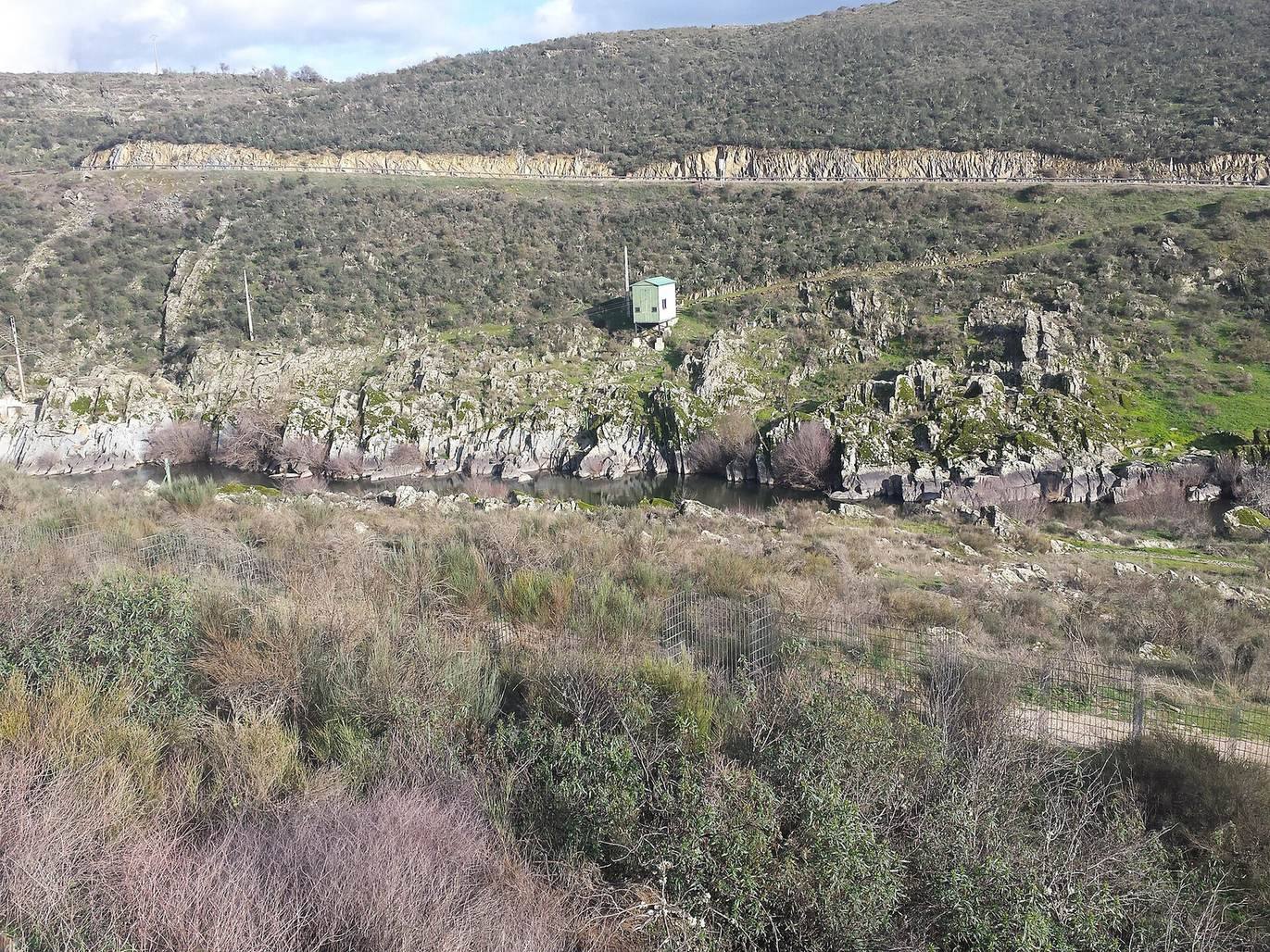
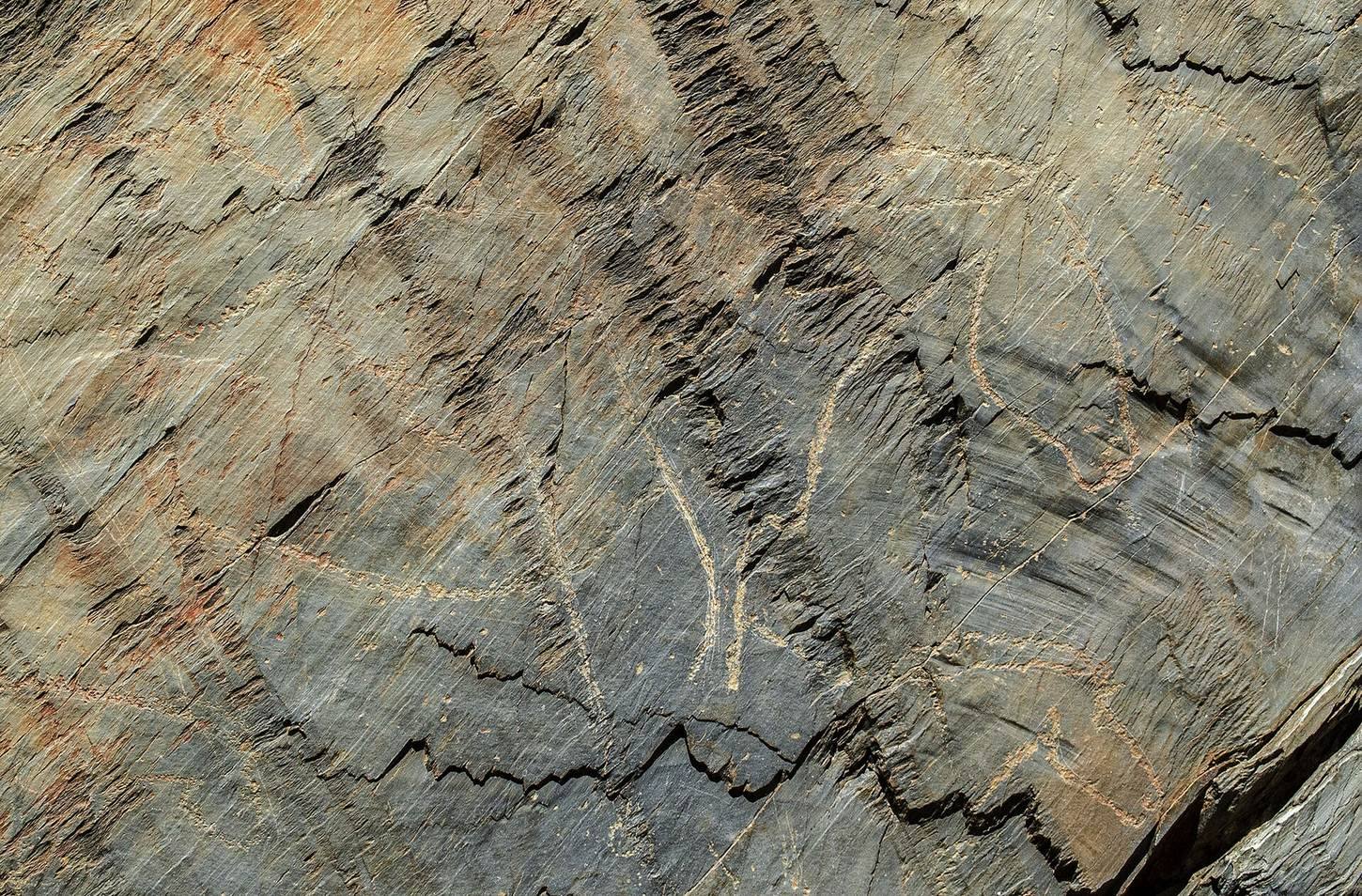
Siega Verde is an open-air Paleolithic rock-art site beside the Águeda River in Salamanca province, Spain. Its engravings make it an exceptional complex of open-air art on the Iberian Peninsula. With the Côa Valley rock-art sites in Portugal, Siega Verde helps illuminate the imagery and organization of Upper Paleolithic communities, as well as aspects of their social, economic, and spiritual lives.
The engravings belong to several periods. Work associated with the Gravettian and Solutrean, Upper Paleolithic cultures from the later part of the Old Stone Age, dates to around 20,000 years ago. Later phases associated with the Magdalenian, a later Upper Paleolithic culture, and the Magdalenian-Azilian span approximately 17,000 to 9,000 years ago. The Azilian was a later western European archaeological culture. Some human-like figures are attributed to the Magdalenian.
Local people knew of the engravings before their scientific discovery on 17 October 1988. Archaeologist Manuel Santonja, then director of the Salamanca Museum, was directed to the site by a nearby shepherd. Santonja and Rosario Pérez, an archaeologist at the University of Salamanca, surveyed and recorded the carvings. In 1998, the government of Castile and León declared the archaeological zone an Asset of Cultural Interest. In 2010, it became part of a UNESCO World Heritage property that also includes the Côa Valley rock-art sites in Portugal. UNESCO is the United Nations agency responsible for, among other work, the World Heritage List.
Remains
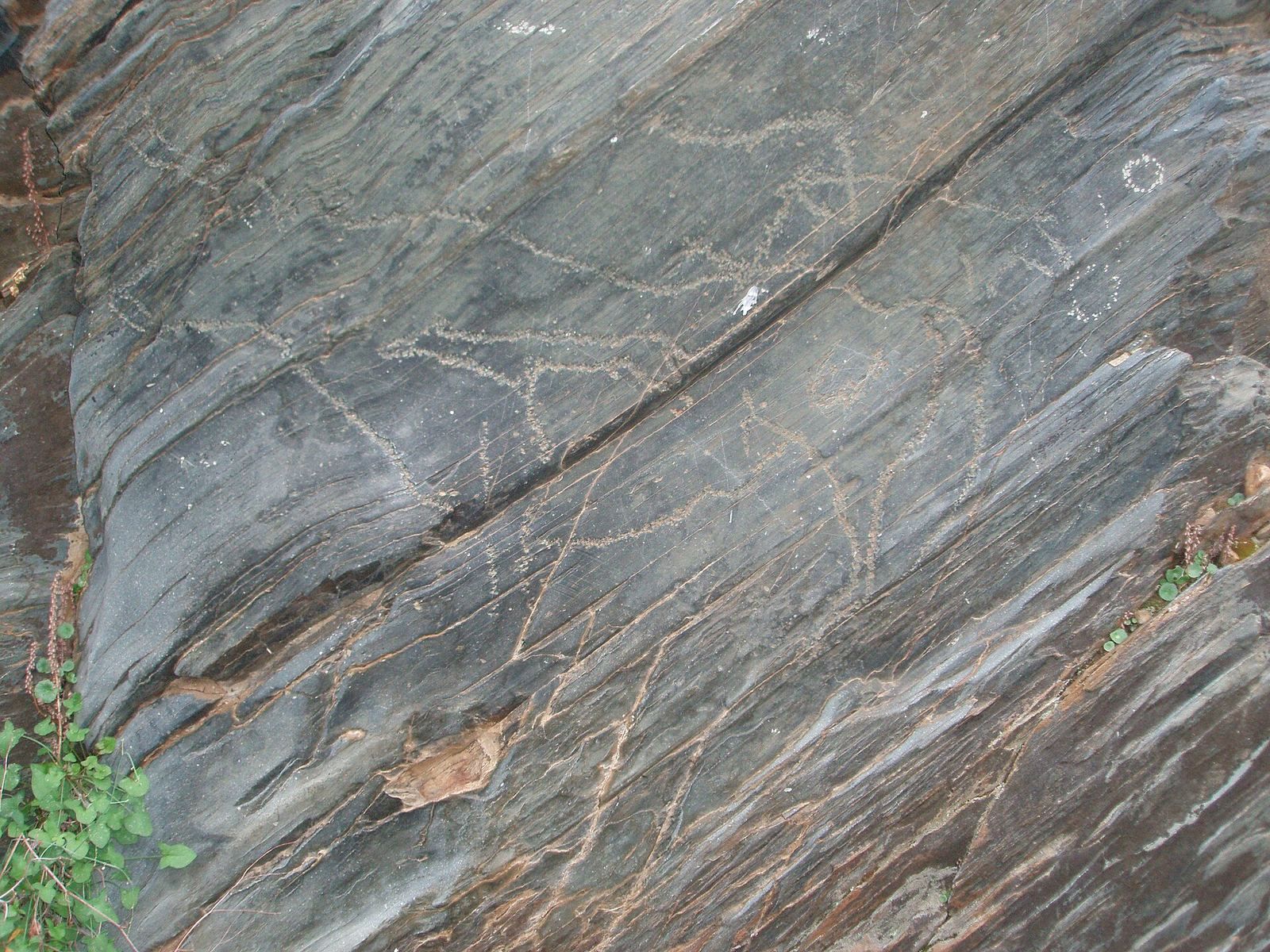
The site follows the Águeda River for about one kilometre. More than 500 engravings are distributed across roughly 90 rock panels. The archaeological zone covers areas of Serranillo, within Villar de la Yegua, Martillán, within Villar de Argañán, and Castillejo de Martín Viejo.
The images show animals and abstract signs. Horses and other members of the horse family, aurochs (extinct wild cattle), deer, and goats appear often. Bison, reindeer, and woolly rhinoceroses occur less frequently; these animals are now extinct in this region. Artists made the engravings by striking, cutting, or rubbing the rock, sometimes using stones harder than its surface. Many figures show the animal’s outline while leaving its body interior untouched. A fence protects the engravings, and an archaeological interpretation centre has been built at the site.