Palace in Świątniki: A Baroque Estate Residence in Poland
Site at a Glance
- Rating
- 5
- Popularity
- Very Low
- Country
- Poland
- Primary era
- Early Modern
- Eras represented
- Early Modern
- Civilizations
- Kingdom of Prussia
- Site type
- Domestic
- Remains
- Elite Residence
On this page8 sections
History
Construction and estate ownership
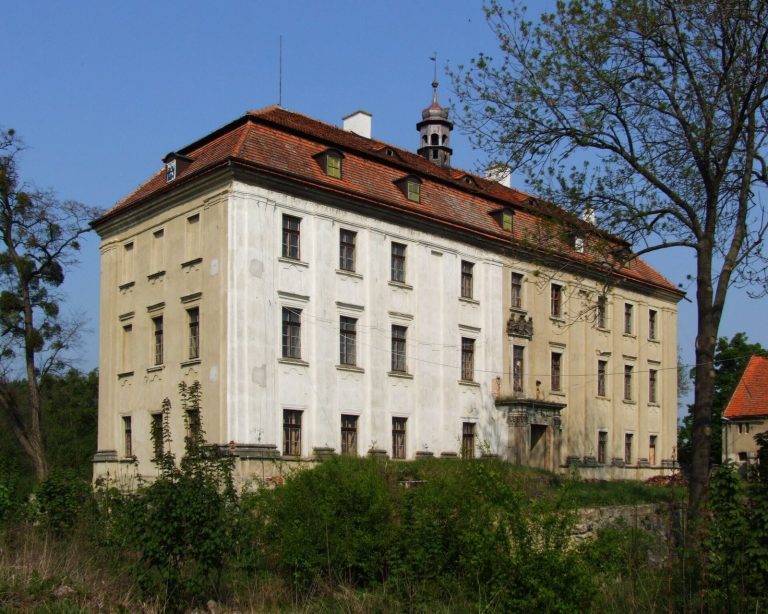
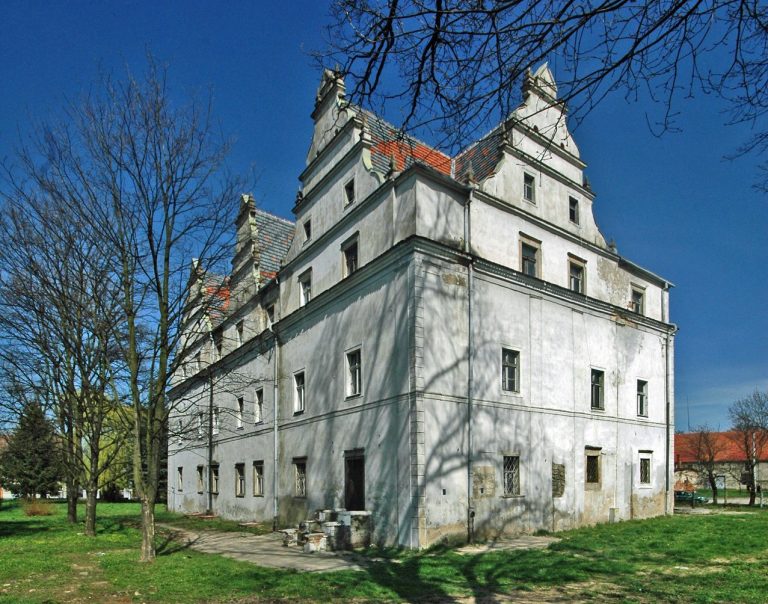
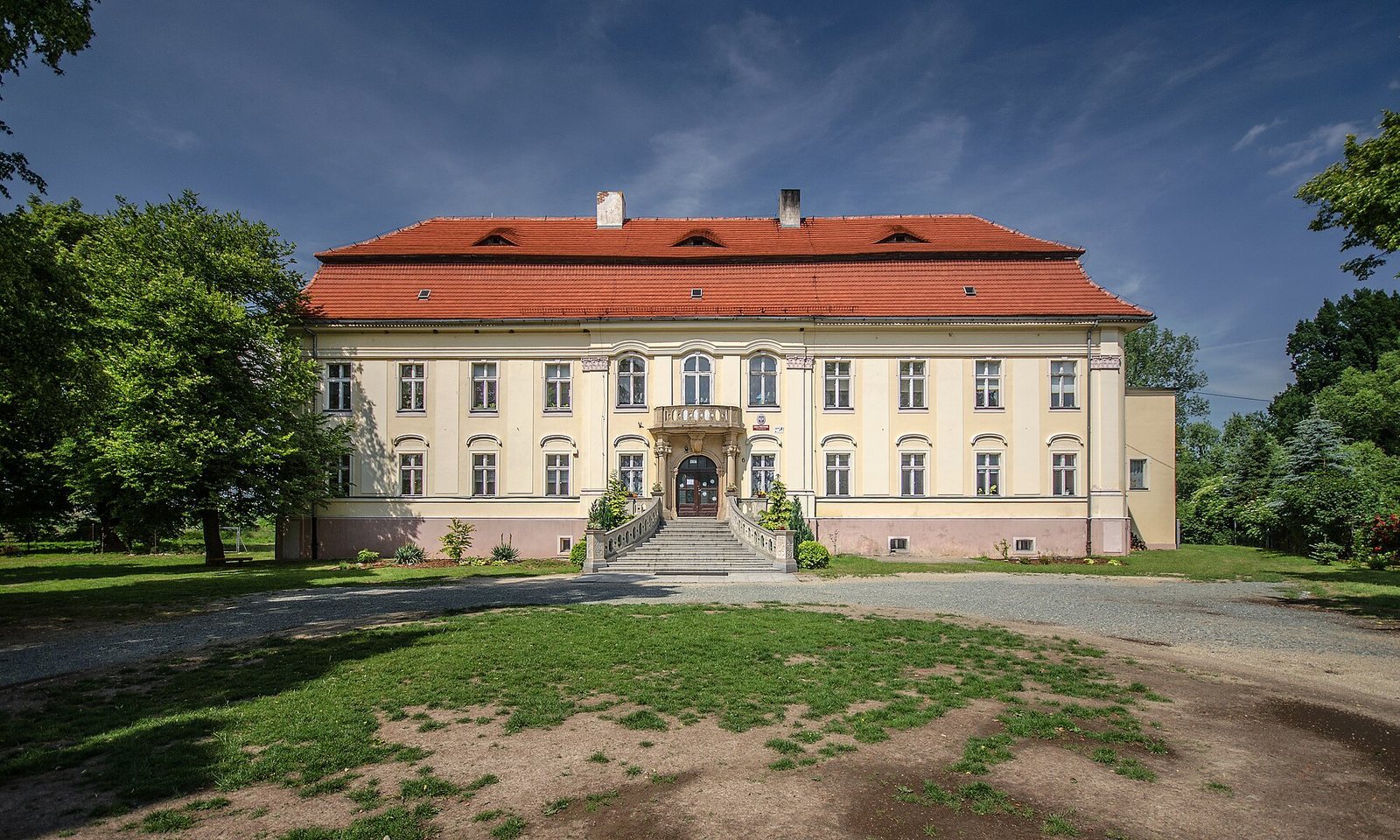
The Palace in Świątniki is a Baroque residence in Poland, built between 1740 and 1750 in an elaborate European style prominent in the seventeenth and eighteenth centuries. A Renaissance manor, drawing on classical Greek and Roman forms, had stood on the site since the late seventeenth century.
Friedrich von Zedlitz (1697–1757) owned the village in the early eighteenth century and died at Świątniki. His son Karl Alexander von Zedlitz (1738–1809) owned the estate in 1783 and established an entailed estate, property subject to inheritance restrictions and commonly kept undivided within a family.
Karl Alexander’s heir, Gottlieb Julius von Zedlitz und Trützschler (1775–1838), was married to Ernestine von Trützschler (1779–1862). Their son, Carl Eduard von Zedlitz (1800–1880), owned the estate in 1840 and also died at Świątniki. The estate is associated with the Zedlitz und Trützschler von Falkenstein family.
Alterations and present use
The palace underwent major alterations in the 1860s and again during the twentieth century. It was renovated from 1968 to 1970 and now serves as an elementary school. In 1984, the palace was registered as a historic monument, and its park was registered separately.
Remains
The ensemble consists of the two-storey Baroque palace and a two-hectare park. The building’s central entrance, mansard roof and heraldic panels are among its described architectural features.
Palace
Entrance and roof
The central entrance is framed by a sandstone portal that supports a balcony. Above the two storeys is a mansard roof, with a steep lower slope and a shallower upper slope on each side.
Heraldic panels
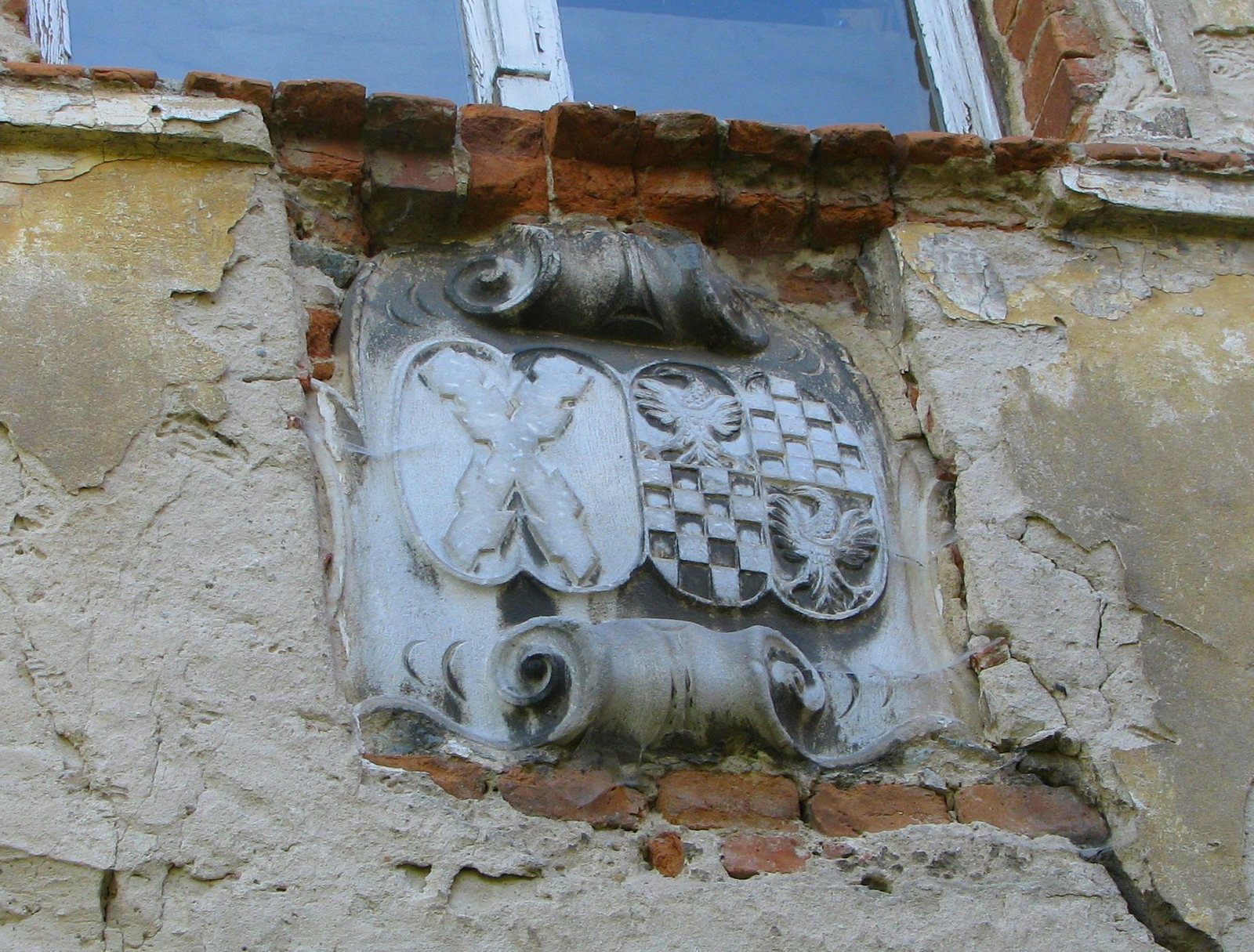
A cartouche, a decorative framed panel, on the rear-facing wall of a turret bears the arms of Zdenka Howory von Leippe, who died in 1680, and his wife Joanna Elżbieta, a Piast princess. The Piasts were a ruling dynasty whose branches governed Poland and parts of Silesia. His arms show crossed, cut branches; hers have four fields with alternating checkerboard patterns and Silesian eagles. A separate panel on the rear wall displays four coats of arms, including those of the Zedlitz and Gellhorn families.
Park
The two-hectare park includes common beech, pin oak, pedunculate oak, common hornbeam, horse chestnut, Norway maple, small-leaved lime, walnut, black locust, Caucasian wingnut, eastern white pine, black poplar and white willow.