Building of the Presidency of Bosnia and Herzegovina: Sarajevo’s Government Seat
Site at a Glance
- Popularity
- Medium
- Country
- Bosnia and Herzegovina
- Primary era
- Modern
- Eras represented
- Modern
- Civilizations
- Austria-Hungary, Habsburg
- Site type
- Civic
- Remains
- Palace
On this page6 sections
History
Austro-Hungarian administration
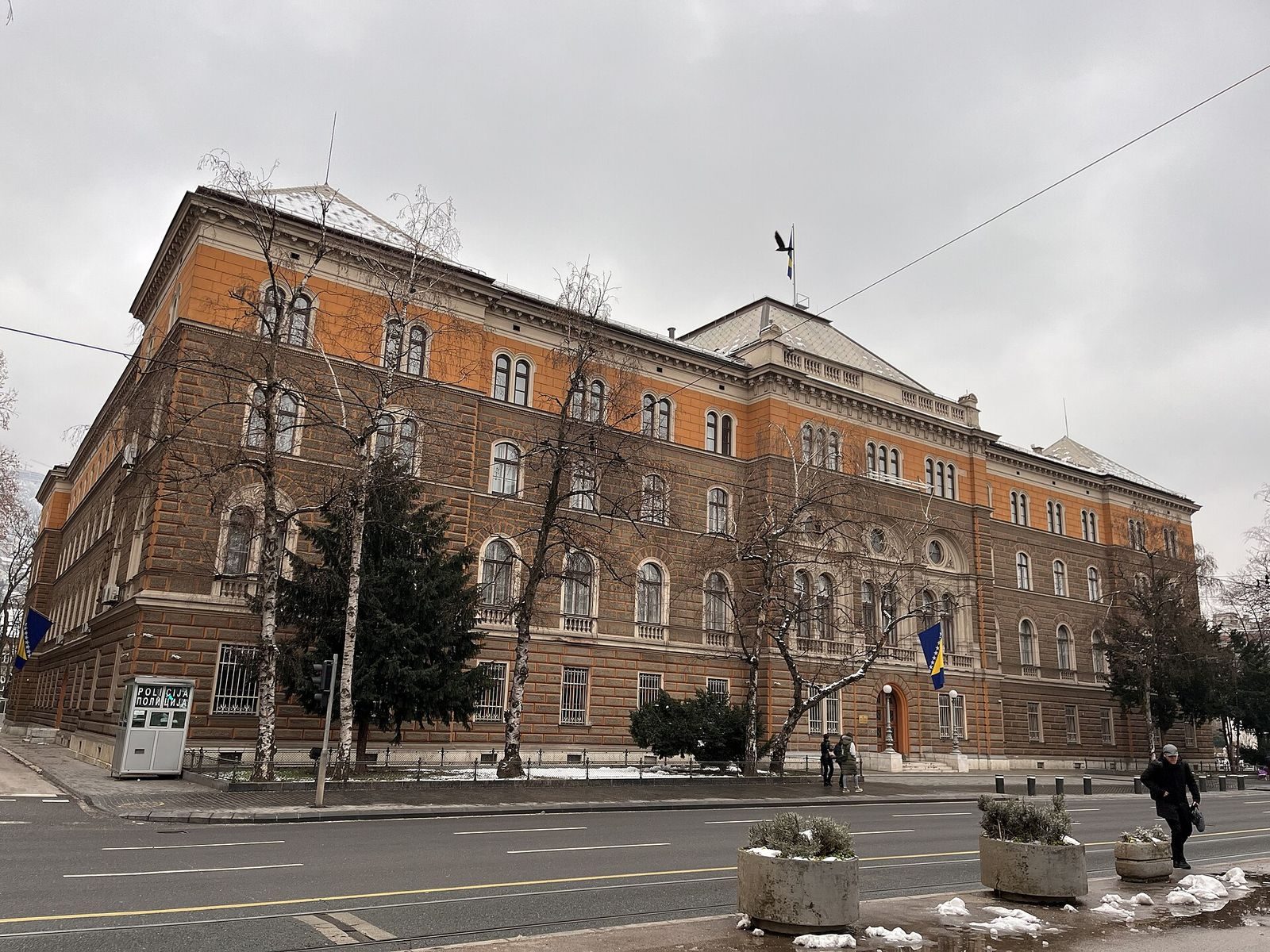
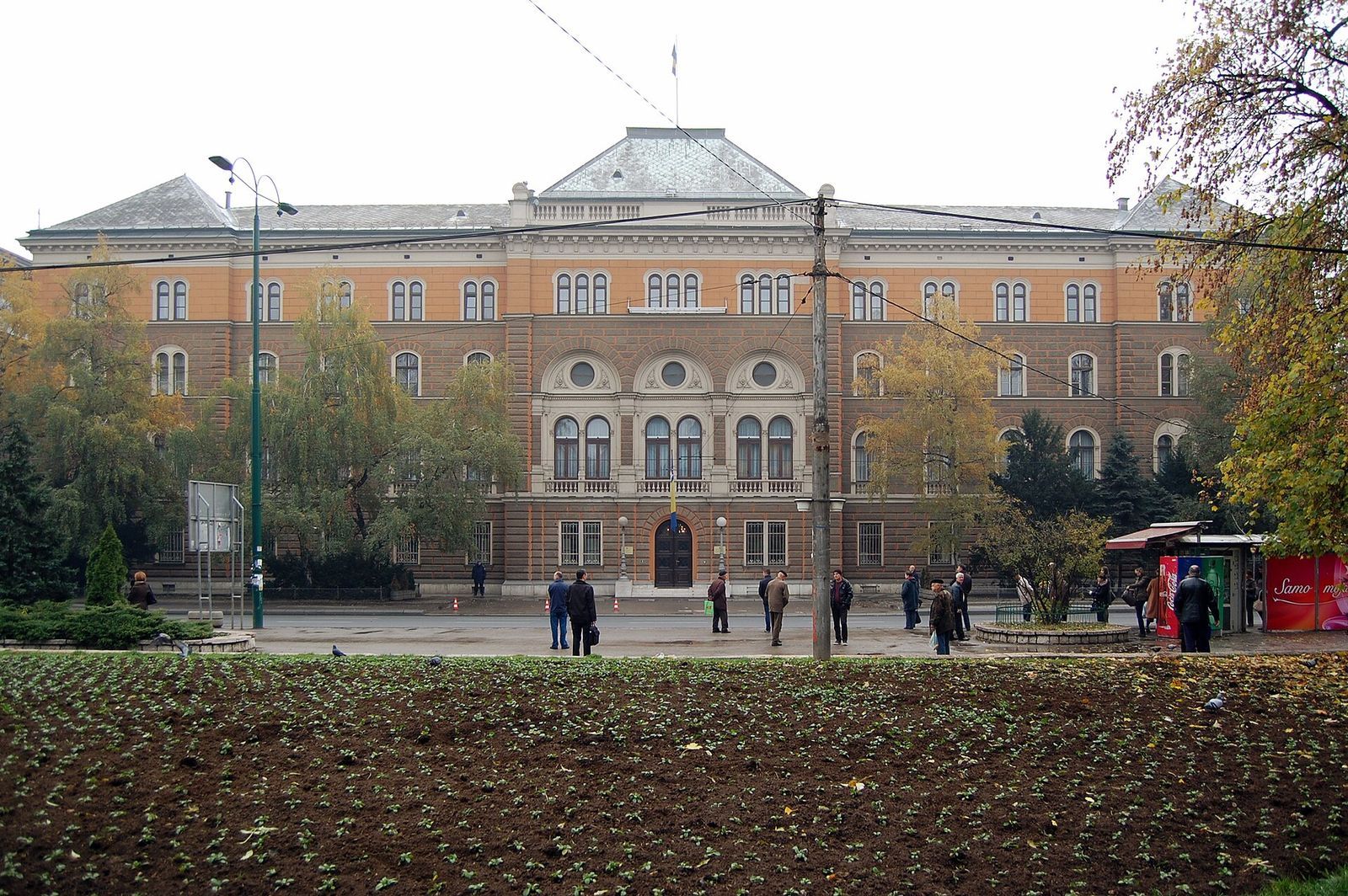
The Building of the Presidency of Bosnia and Herzegovina is a government building in Sarajevo, Bosnia and Herzegovina, constructed in the Neo-Renaissance style from 1884 to 1886. After the Austro-Hungarian occupation of Bosnia and Herzegovina in 1878, the administration required a headquarters in central Sarajevo for civilian and military personnel. Sarajevo’s first mayor, Mustafa Fadilpašić, commissioned architect Josip Vancaš to design the building.
It became the regional headquarters of the Austro-Hungarian administration, accommodating government and military departments, courts, and ceremonial rooms.
Yugoslav and socialist-era roles
After the First World War, the building became the headquarters of the Drina Banovina, a provincial administrative unit in the Kingdom of Yugoslavia. Following the Second World War, it served as the official residence of the president of the Socialist Republic of Bosnia and Herzegovina, one of the republics within socialist Yugoslavia. It also housed the Executive Committee of the People’s Assembly, the assembly’s associated governing body.
War and the Presidency
During the Bosnian War, the Supreme Command of the Army of the Republic of Bosnia and Herzegovina, the wartime republic’s armed force, used the building as its military headquarters. The conflict caused internal and external damage, which was later repaired.
Since 1996, the building has served as the official residence of Bosnia and Herzegovina’s collective Presidency, the country’s head-of-state institution, as well as its members’ working and ceremonial offices in Sarajevo. Government departments, including some ministries and the Archive of Bosnia and Herzegovina, are also housed there, and the Constitutional Court has its seat in the building. The Council of Ministers, which owns the building, meets there. State functions include receptions and meetings with foreign dignitaries and heads of state.
In 2008, the building was designated a National Monument of Bosnia and Herzegovina. During unrest in 2014, protesters targeted it as a symbol of what they regarded as the country’s chronic political dysfunction.
Remains
Building and original spaces
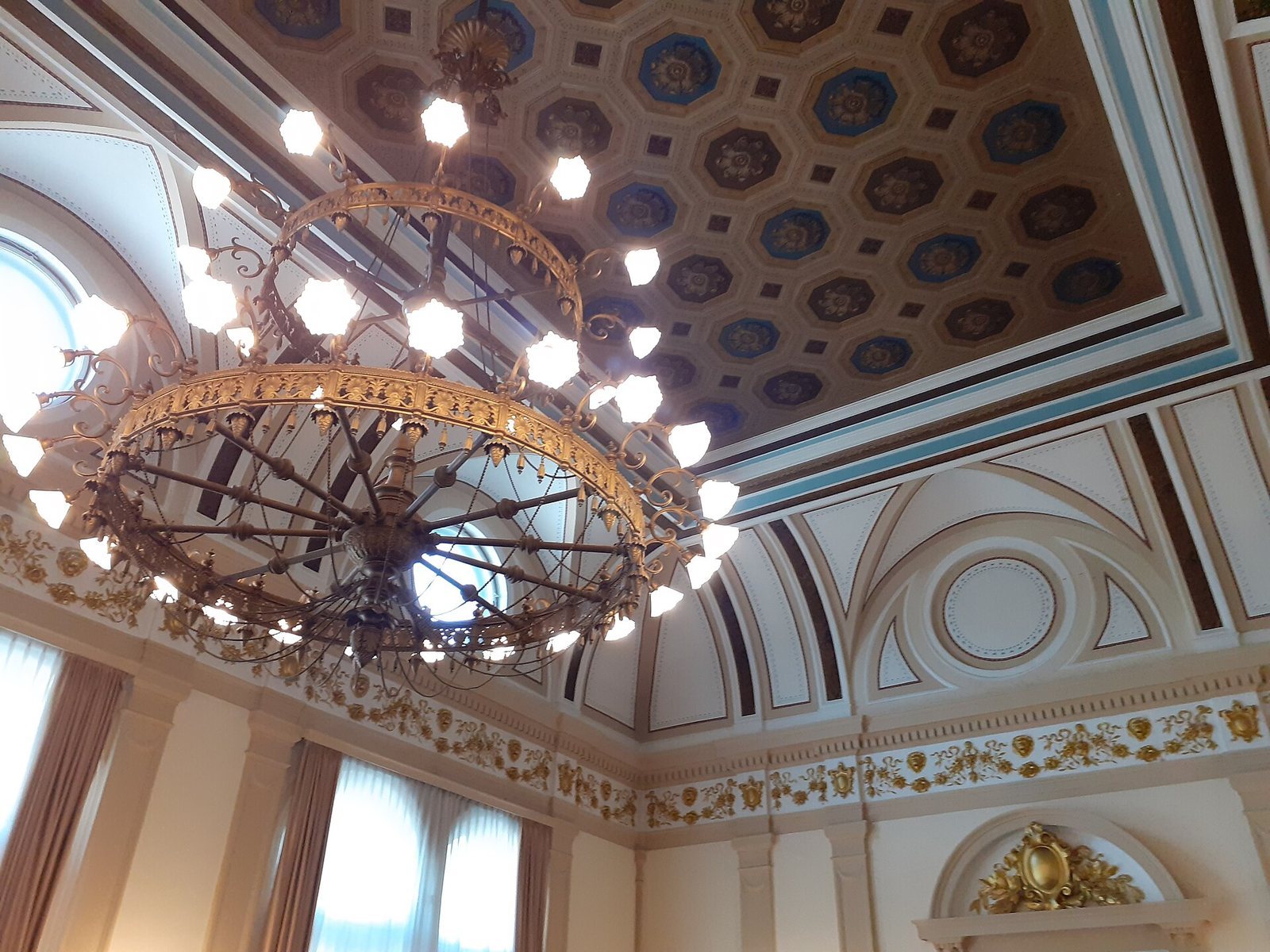
The Neo-Renaissance building was designed for government administration. Its original internal spaces included courtrooms and ceremonial halls. During the 2014 unrest, stones shattered its windows and part of the building was set on fire.