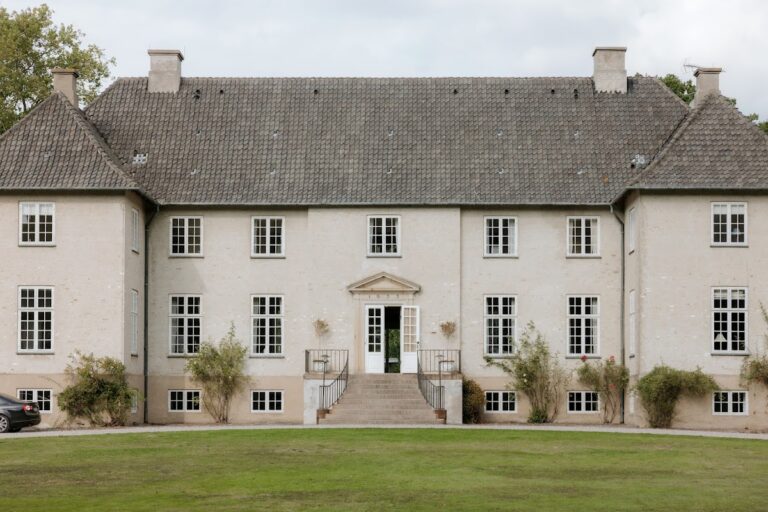
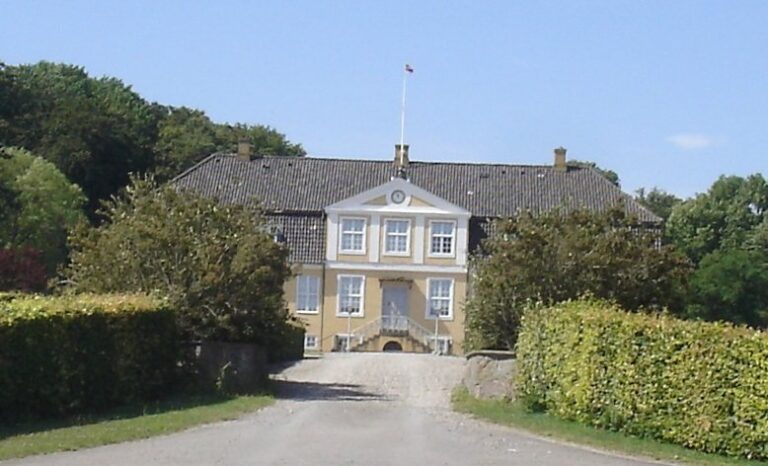
Snertingegård: A Danish Estate Formed from a Cavalry District
Site at a Glance
- Popularity
- Very Low
- Country
- Denmark
- Primary era
- Modern
- Eras represented
- Modern
- Civilizations
- Danish
- Site type
- Domestic
- Remains
- Manor House
On this page6 sections
History
Formation and early owners
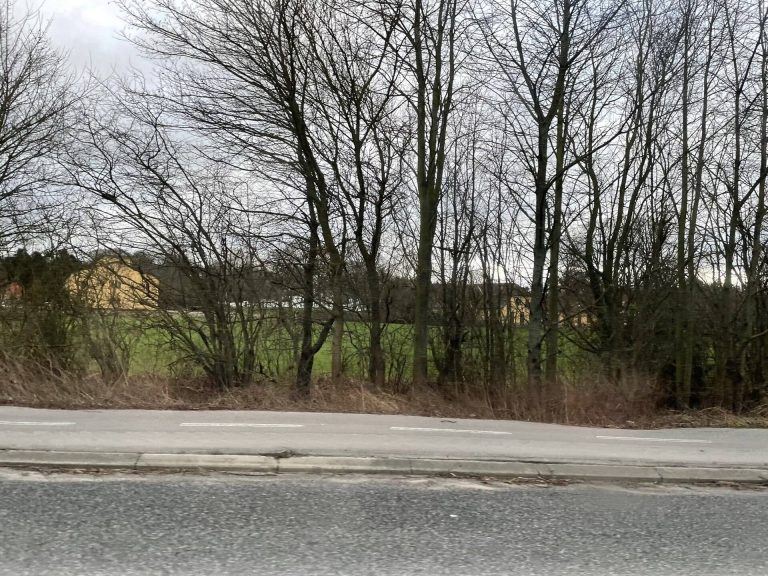
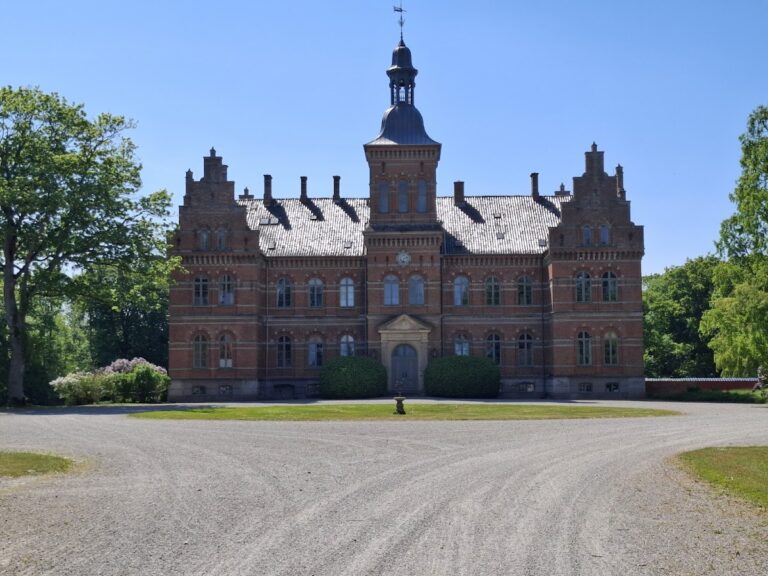
Snertingegård, also known as Snertinge, is an estate just north of Vordingborg in southeastern Denmark. Its main building, designed by Danish architect Ferdinand Meldahl, was completed in 1857 in the Renaissance Revival style, a nineteenth-century approach drawing on Renaissance forms.
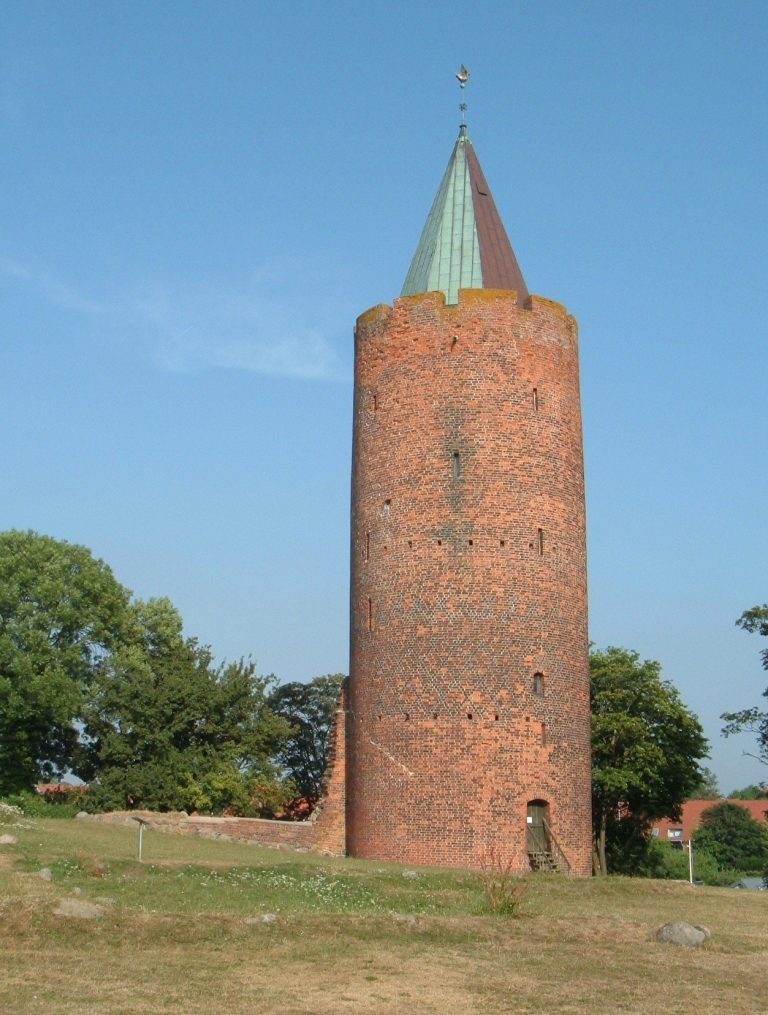
The estate was one of 12 created when the Vordingborg Cavalry District was dissolved. A decision to sell the district was made in 1769, and the estates were auctioned at Vordingborg Castle on 27 September 1774. Copenhagen merchant Reinhard Iselin bought Snertingegård.
Iselin’s estate held the property from 1781 until 1804, when it was sold with Iselingen and Marienlyst to Hans Henrik Peter Reiersen. Reiersen sold Snertingegård to S. Busk in 1810. After Busk died in 1833, P. Lund acquired it, and Sophie Lund held the estate before its sale in 1852.
Hansen ownership and later transfers
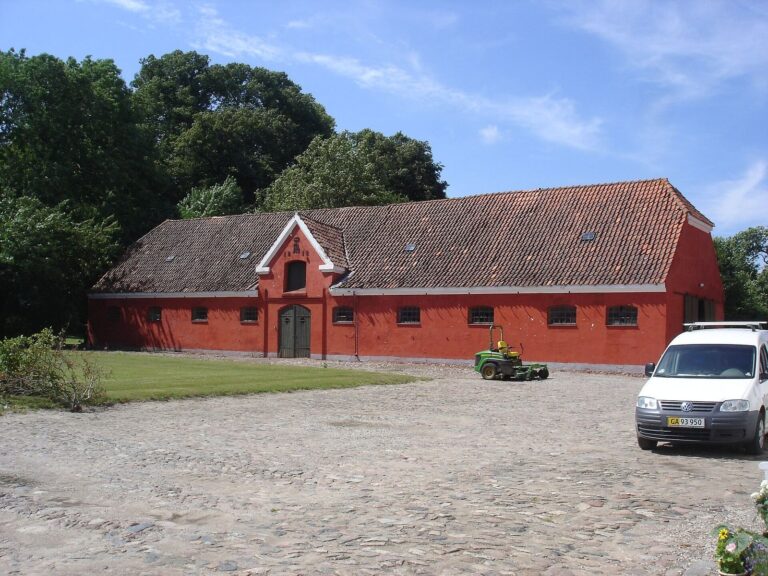
Christian Frederik Hansen purchased Snertingegård in 1852. A Danish statesman who served as Minister of Defence in several governments, he had the main building and home farm constructed for him. After his death in 1873, his estate retained the property until 1875, when it passed to his son Christian Frederik Gustav Hansen. His heirs held it from 1899 to 1905, and his son Edward Joachim Hansen then succeeded him.
Ludvig Munthe Brun acquired Snertingegård in 1905. His widow, Meta Brun, sold it to P. F. Thymann in 1930; Thymann held the estate until 1954. Klaus Birger Liljegren Jønsson purchased it in 2004. The main building and home farm were listed on Denmark’s register of protected buildings and places in 1978.
Remains
Main building
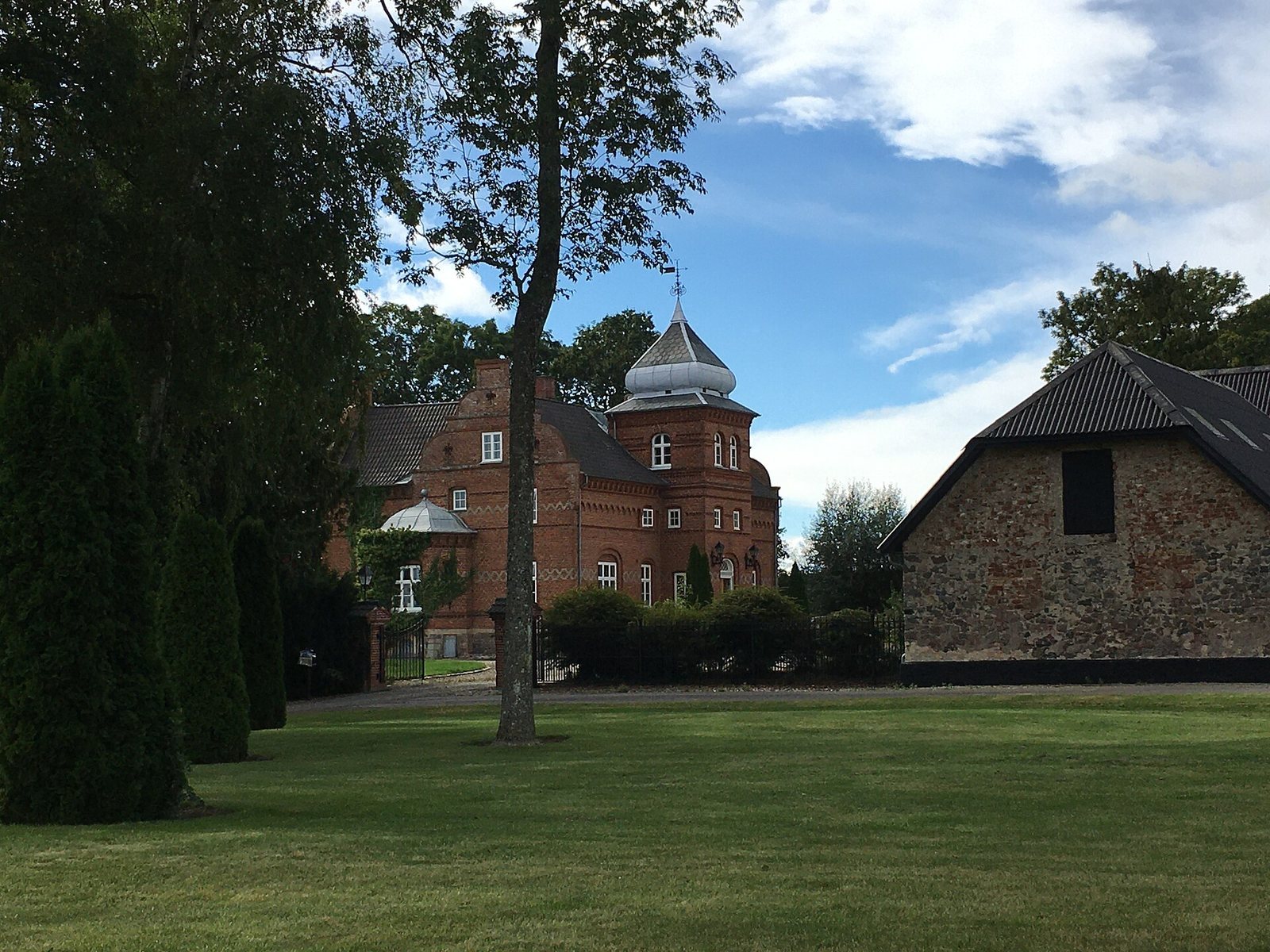
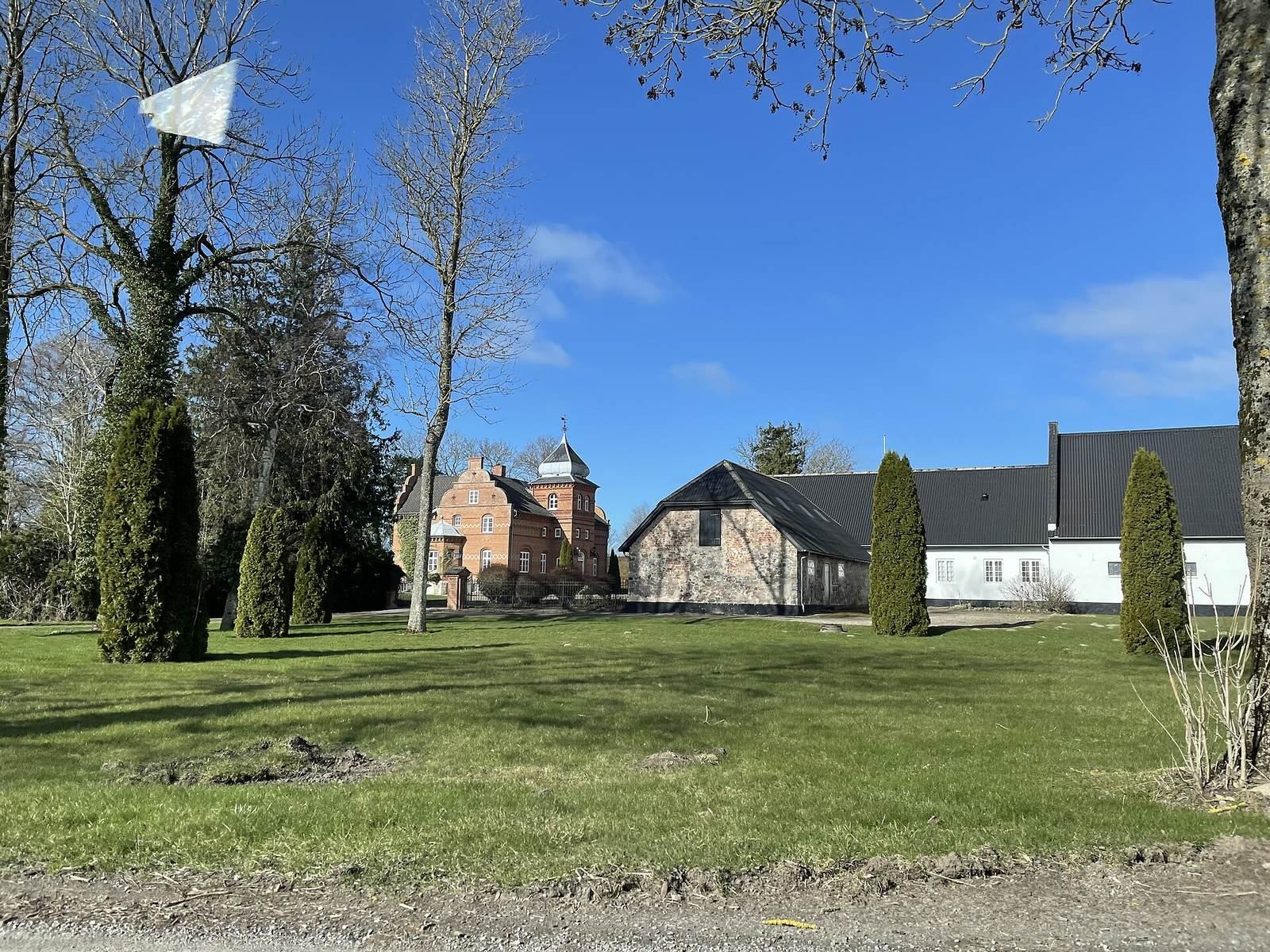
The main building stands within a large garden and is built in the Renaissance Revival style. Its red-brick walls rest on a boulder foundation. A two-storey main wing is joined by a short side wing, while a square tower facing the courtyard rises at the centre and is capped by a dome.
Snertinge Mose
In the estate’s surroundings, Snertinge Mose is a bogland containing a settlement of the Maglemosian culture, a prehistoric hunter-gatherer culture of northern Europe, dating to about 9,000–6,400 BC. Finds from the area include bone and flint tools and numerous animal bones, among them remains of aurochs, moose, red deer, and wild boar.