Burg Heidenpütz: A Rampart Fort in Germany
Site at a Glance
- Popularity
- Very Low
- Country
- Germany
- Primary era
- Medieval
- Eras represented
- Medieval
- Civilizations
- Unclassified
- Site type
- Military
- Remains
- Castle
On this page5 sections
History
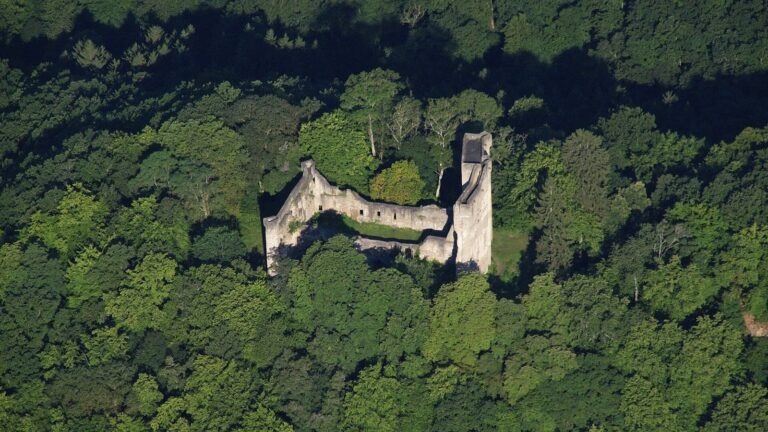
Burg Heidenpütz is a rampart fort on the eastern side of the Heidenpütz ridge above the Mühlbach valley in Scheuern, a district of Nassau, Germany. Its construction date is unknown, though its form suggests an early medieval origin.
Remains
Setting
The fort stands 242 metres above sea level, facing the Mühlbach valley, and lies directly above the Langauer Mill. The ground descends steeply to the north, east, and south. On the west, the ridge slopes more gently, leaving that approach more exposed; the fort’s main defenses face this side. Burg Heidenpütz also has a direct line of sight to Nassau Castle.
Ramparts and ditches
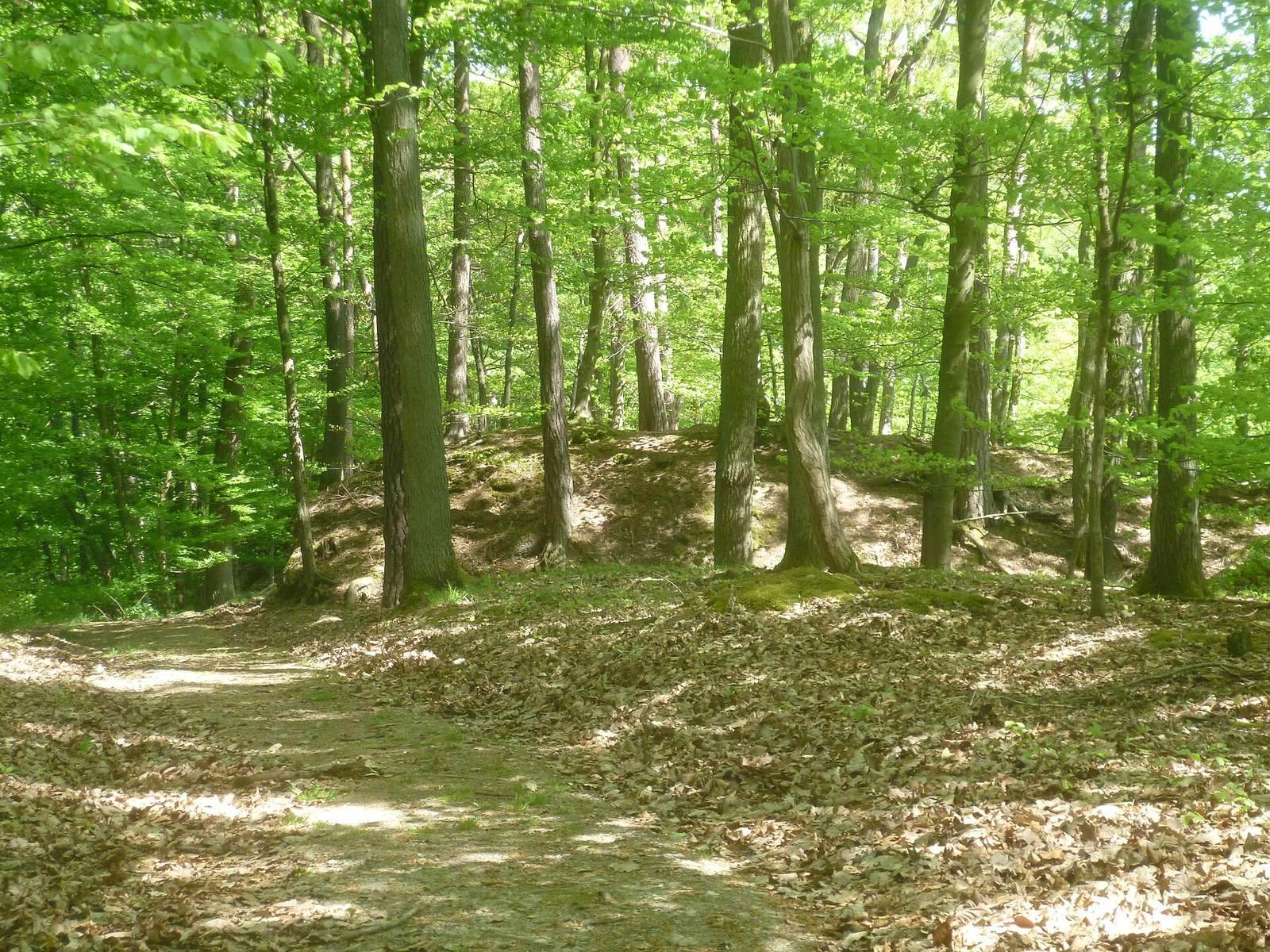
Three ramparts and their ditches guard the western approach. The first rampart is about 100 metres long and rises up to 3 metres above its ditch, which is about 2 metres wide and 1 metre deep. Roughly 50 metres farther on, a somewhat longer second rampart has similar dimensions; a gate may have stood at its southern end. About 80 metres beyond it, the third rampart is around 50 metres long and rises up to 5 metres above a ditch about 3 metres wide and 2 metres deep. A gate probably stood at its northern end.
Main castle approach
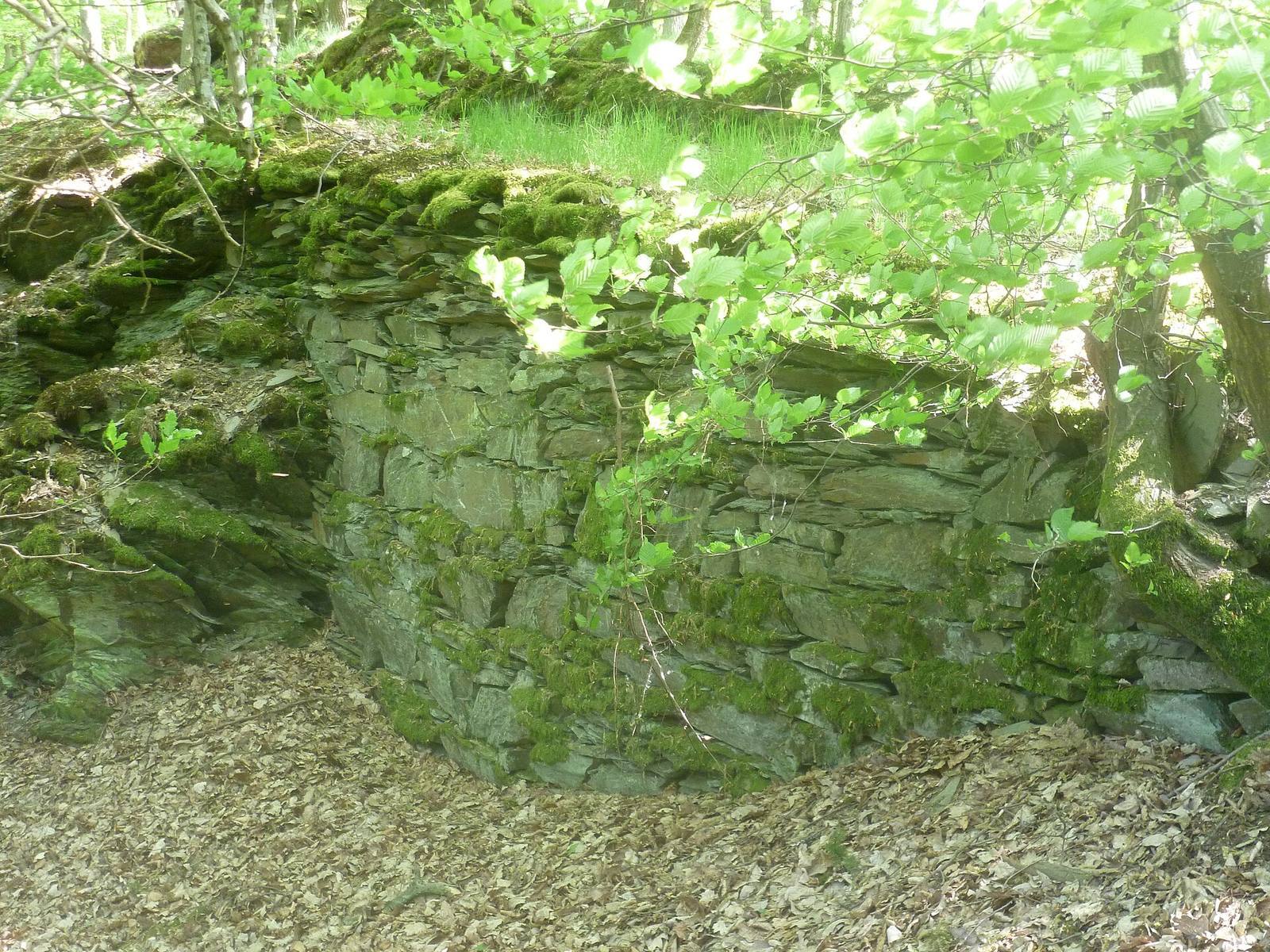
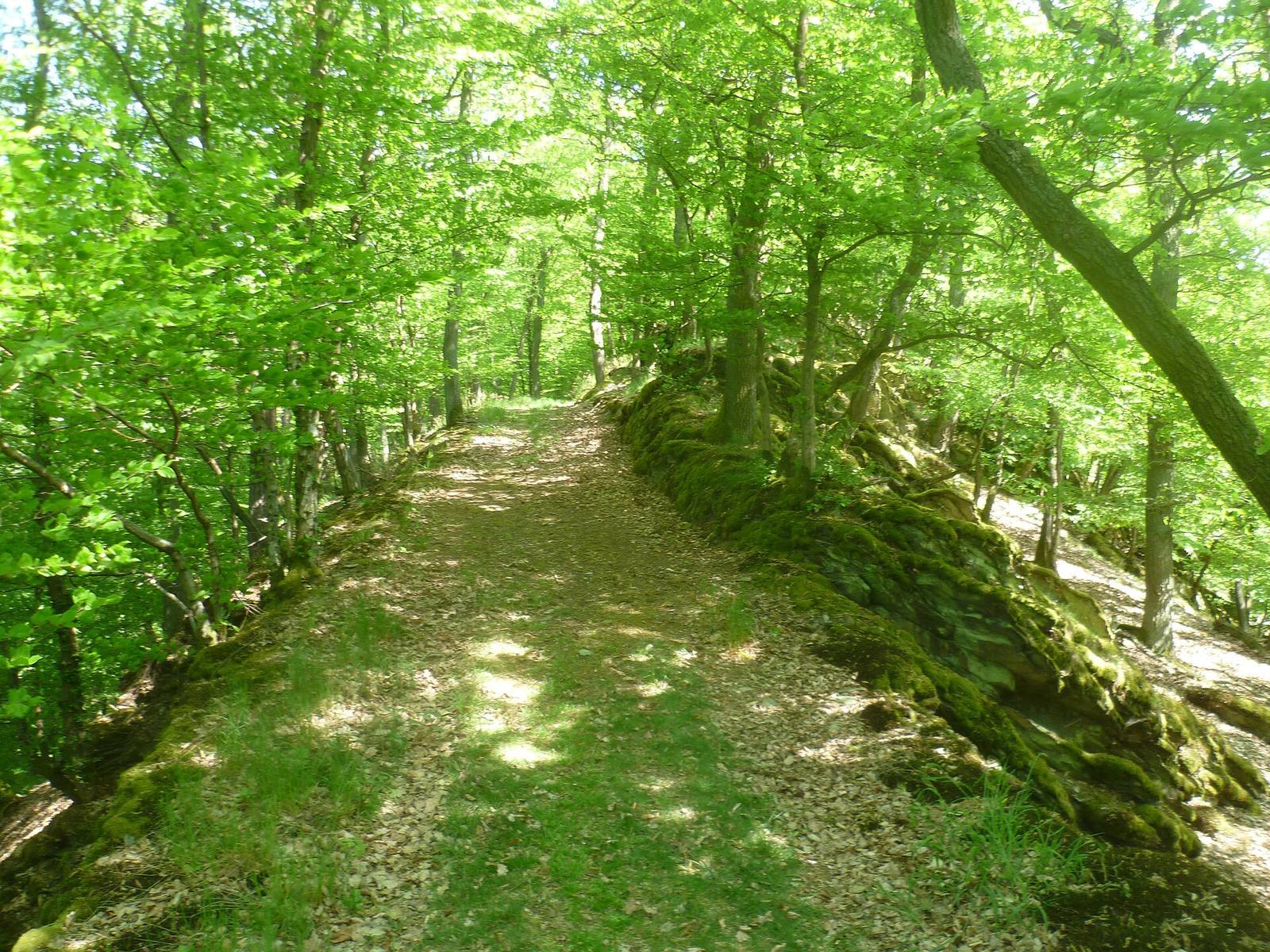
From the third rampart, a rocky ridge shaped into a path leads towards the main castle. Near the point where the approach enters it, a crosswise defensive ditch cuts across the ridge, separating the outer and main castle areas. Masonry at the ditch remains clearly visible. A few metres east of a shelter at the ridge’s highest point, hollows in the rock may mark the foundations of a structure, possibly a tower. Scattered masonry stones across the site and nearby slopes indicate that some parts of the fort were built of stone.