Thurzó Mansion (Betlanovce): A Sixteenth-Century Residence
Site at a Glance
- Popularity
- Very Low
- Country
- Slovakia
- Primary era
- Early Modern
- Eras represented
- Early Modern
- Civilizations
- Habsburg, Hungarian
- Site type
- Domestic
- Remains
- Elite Residence
On this page7 sections
History
Construction and early purpose
The Thurzó Mansion is a residence in central Betlanovce, Slovakia, built in 1564–1568 for Peter Feigel and his second wife, Helena Bobst-Bethlenfalvy, also known as Hedwig. It was intended as a home and representative building.
Feigel was a townsman and entrepreneur from Levoča. He served for many years as captain of Spiš Castle, the officer responsible for its command, in the service of the Thurzo family, a prominent noble family in the Kingdom of Hungary. In 1563, he received estates in Betlanovce.
Later use and ownership
Vojtech Bethlenfalvy, a large-estate owner, was the mansion’s final owner before nationalization. An unsuitable renovation took place in 1944, followed by thorough renovation work between 1955 and 1960, which included the gallery.
From 1966 to 1975, the building housed the administration of the Slovak Paradise Protected Landscape Area. The protected area became Slovak Paradise National Park in 1988. Later, the mansion accommodated local National Committee offices, overnight guests, and a youth club.
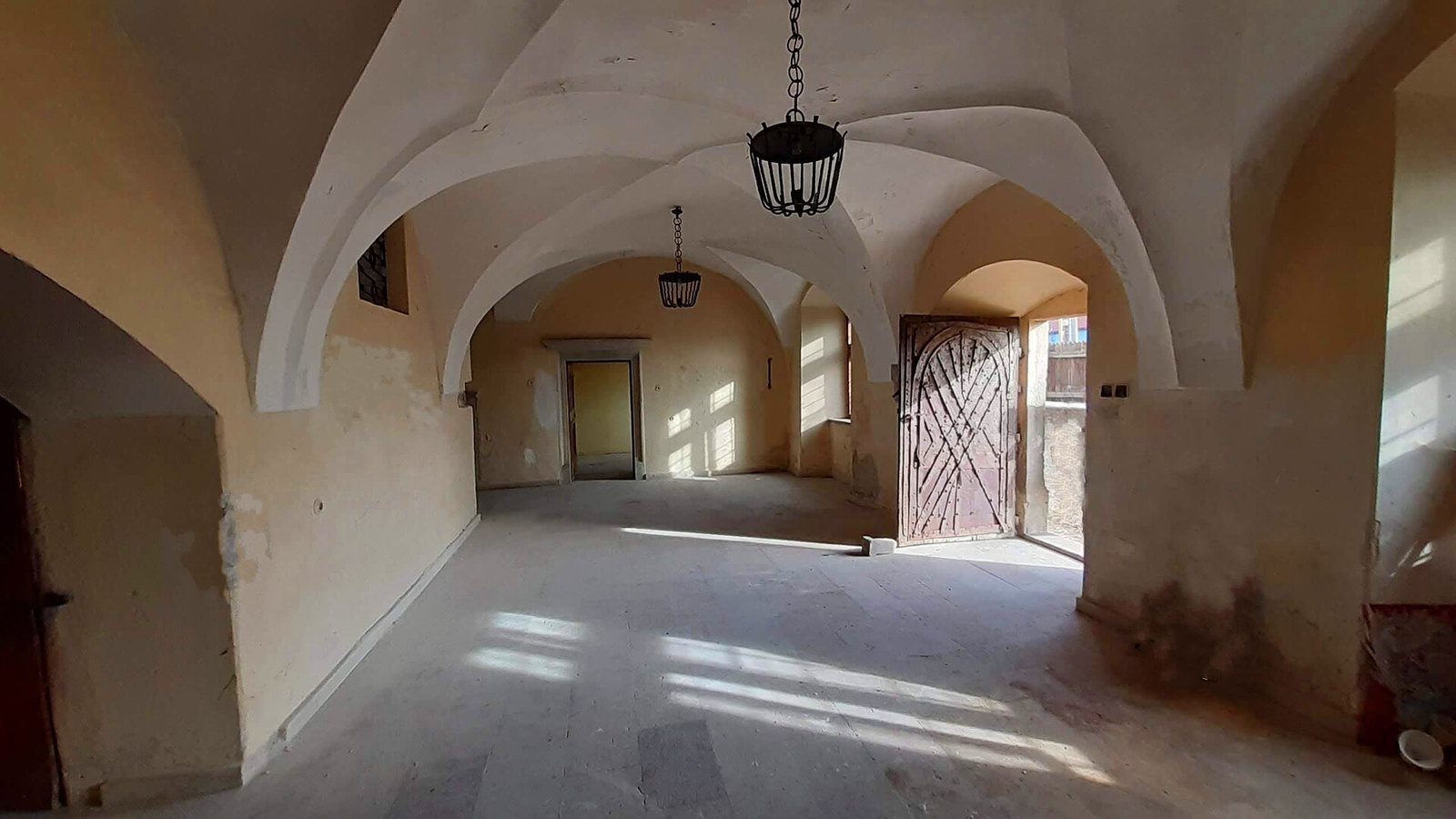
The building has been vacant and deteriorating since the 1980s. In 1991, it was returned to Astrid Hanzlíčková, a granddaughter of the last member of the Bethlenfalvy family, but remained unused. In 2022, Manevi SK, a Slovak subsidiary of a foundation close to the Hungarian government, acquired the mansion along with a neighboring dilapidated Baroque country estate and a park.
Remains
Plan and architectural character
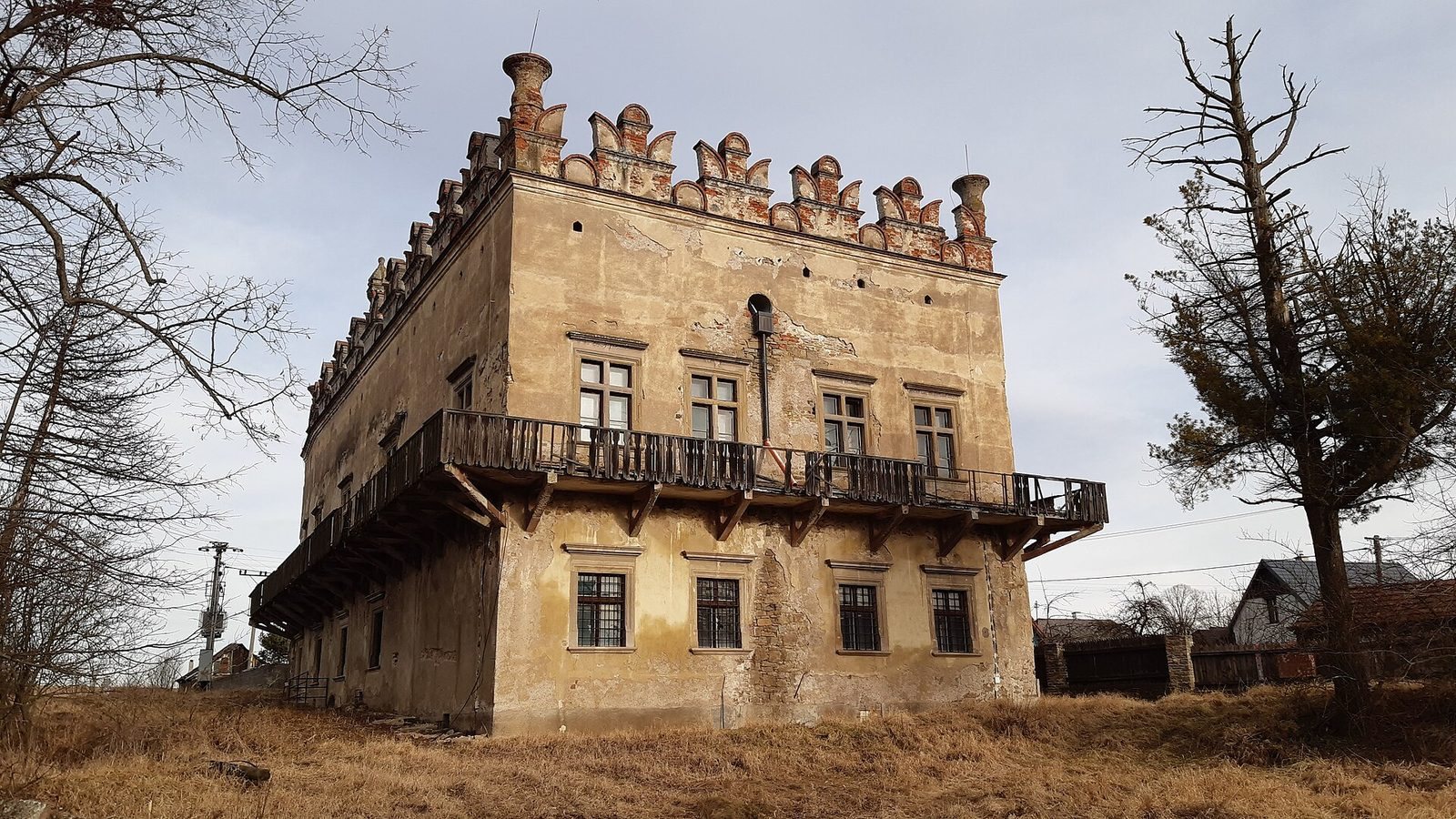
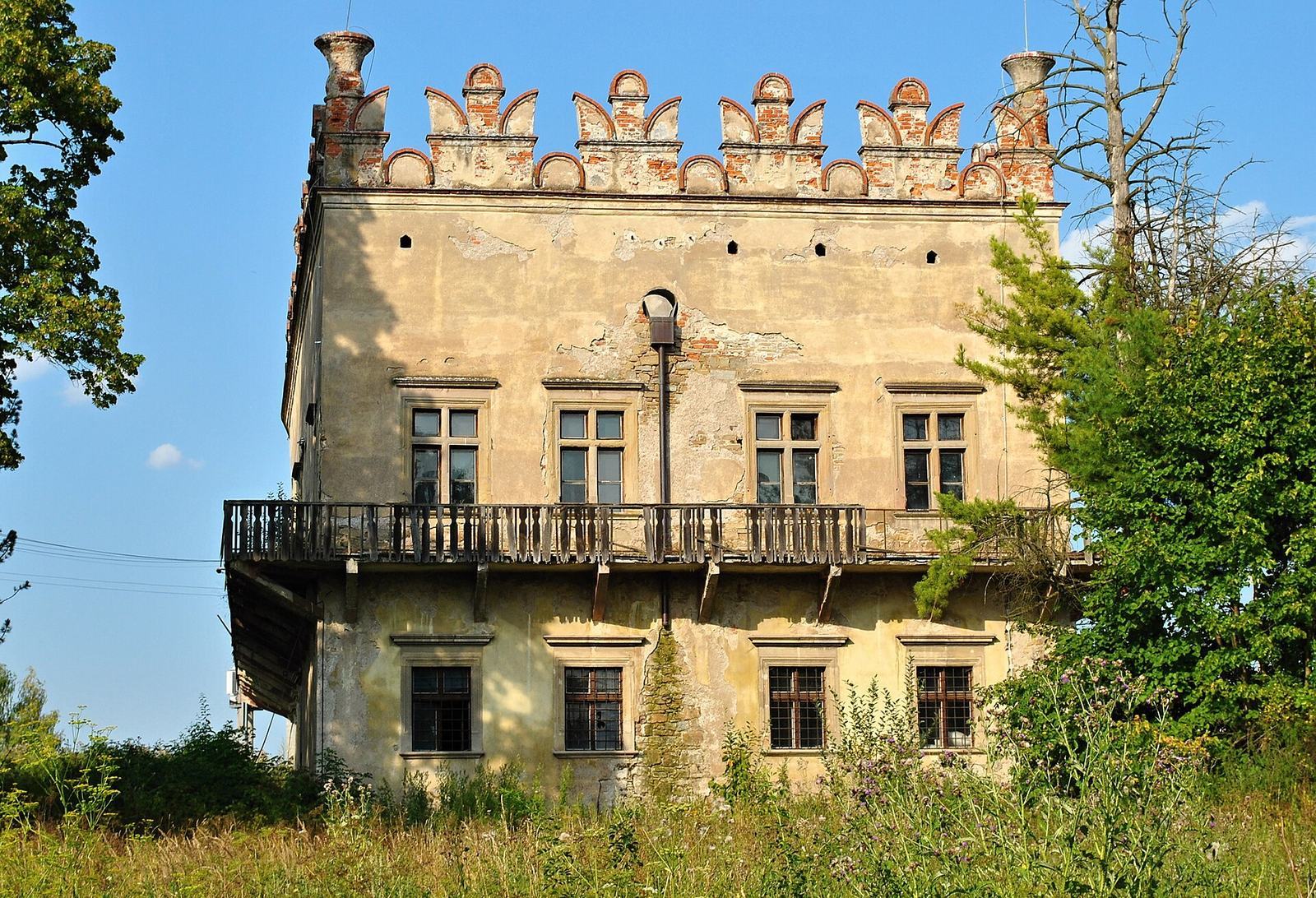
The mansion stands in the center of Betlanovce, east of the church. It is a two-storey building with a rectangular, nearly square footprint arranged in two bays, and a plain facade. Its design is an early Upper Hungary example of a residence influenced by the fashionable belvedere, a pavilion designed to provide a view. Upper Hungary was the historical name for the northern part of the Kingdom of Hungary, broadly corresponding to present-day Slovakia.
Gallery and roofline
A wooden gallery extends around the building at first-floor level. Along the roofline is a Renaissance attic of the Spiš type, an upper wall or parapet above the main cornice rather than necessarily an interior room. Local residents call it Korunky, meaning “little crowns.”
South facade and inscription
The south facade has sgraffito decoration, made by cutting through an upper layer to reveal a contrasting one. Dated 1564, it is now barely discernible. A paired coat of arms represents the Feigel and Bobst families. Beneath it, a Latin inscription dated 1568 names Peter Feigel and Hedwig Bobst as the builders and gives the New Testament verse Romans 8:31: “If God is for us, who can be against us?”