Burgh House and Hampstead Museum: A Historic House and Local History Museum
Site at a Glance
- Popularity
- High
- Country
- United Kingdom
- Primary era
- Early Modern
- Eras represented
- Early Modern, Modern
- Civilizations
- British, English
- Site type
- Domestic
- Remains
- House
On this page11 sections
History
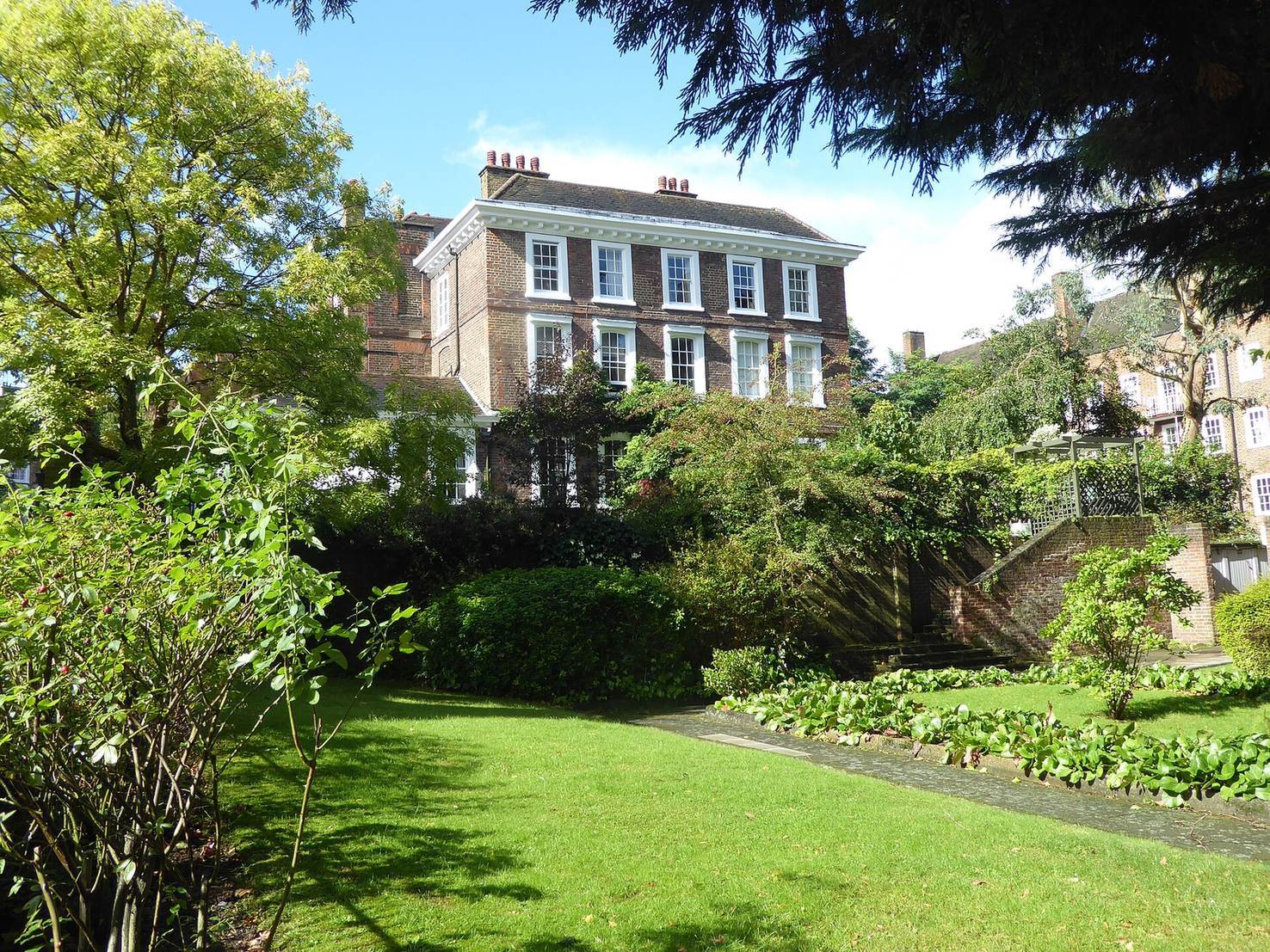
Burgh House and Hampstead Museum is a historic house on New End Square in London, United Kingdom. Built in 1704 in the Queen Anne style, a British architectural style associated with the late seventeenth and early eighteenth centuries, it dates to Queen Anne’s reign, from 1702 to 1714. Hampstead Wells Spa, a health resort, was flourishing at the time.
Early residents and militia headquarters
In 1720, spa physician Dr. William Gibbons moved into the house and enlarged it. Later, upholsterer Israel Lewis was fined £5 for creating a nuisance with an enclosed dung stall in his garden and was ordered to remove it. The house became known as Lewis House, a name it retained until the 1870s.
The Royal East Middlesex Militia, a military force distinct from a regular army regiment, took over the property in 1858. It used Burgh House as its headquarters and officers’ mess until 1881. The building returned to domestic use in 1884.
Private residents and alterations
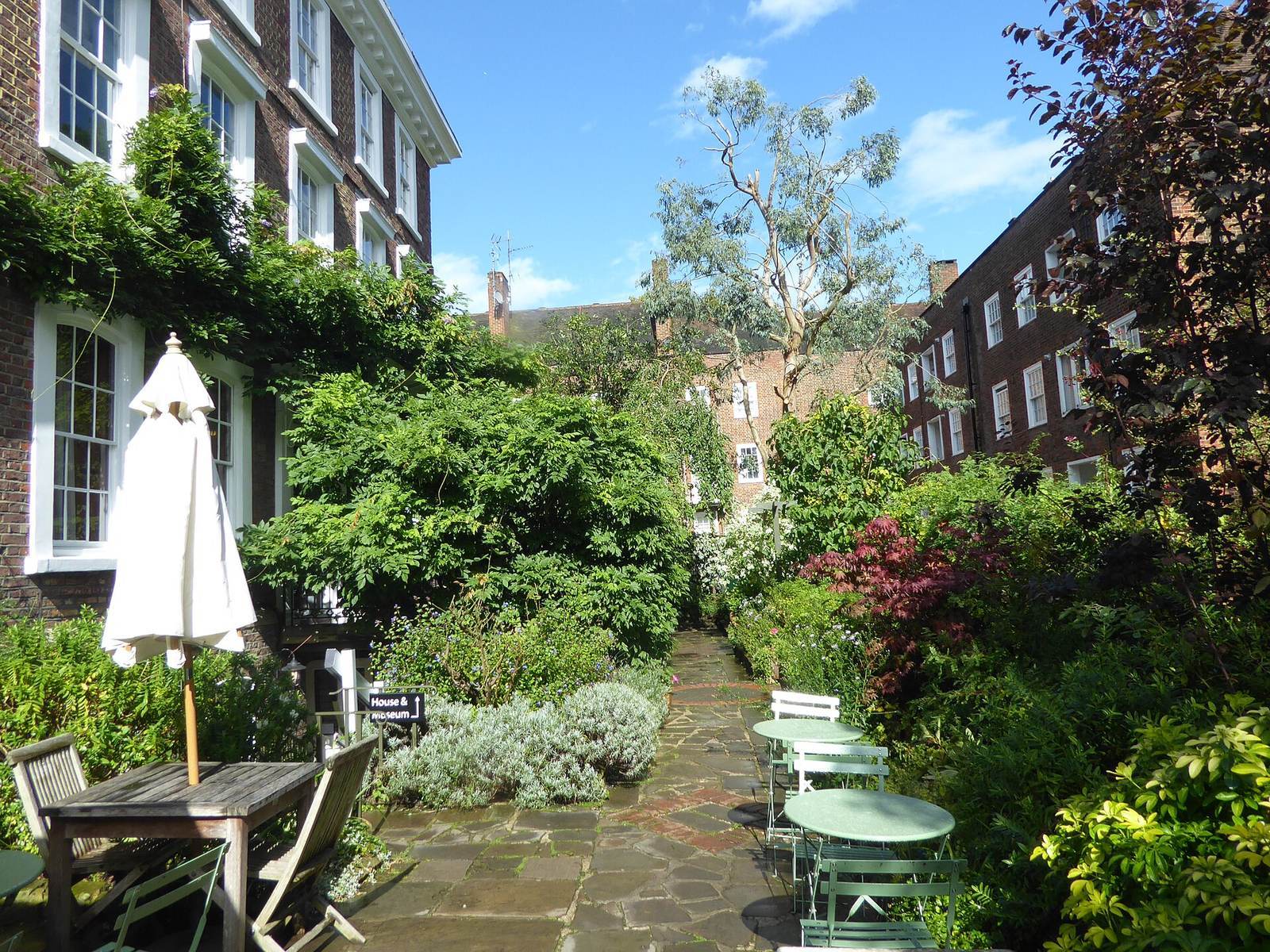
International art expert Dr. George Williamson lived at Burgh House from 1906 to 1924 and commissioned British garden designer Gertrude Jekyll to design its garden. In 1925, Captain Constantine Evelyn Benson, a director of Lloyds Bank, bought the house for £4,750 and added a music room.
Elsie Bambridge, daughter of British writer Rudyard Kipling, lived there with her husband, Captain George Bambridge, from 1933 to 1937. Kipling’s final outing was a visit to his daughter at the house in 1936.
Community use and museum
Burgh House stood unoccupied from 1937 until Hampstead Borough Council bought and restored it in 1946. When it reopened in 1947, barrack blocks in front of the building had been demolished. The house then served as a community centre, with a Citizens Advice Bureau in the basement. It received Grade I listing in 1950, a category in England for buildings of exceptional interest.
Dry rot led to the house’s closure in 1977. After commercial use was proposed, local residents formed a charitable trust and launched the “Keep Burgh House” appeal. Camden Council granted the trust a lease, restored the building and supported the trust’s refurbishment. On 8 September 1979, Burgh House opened to the public as a house and museum. Further restoration took place in 2006.
Remains
The site is centered on the Queen Anne-style house, with a garden terrace surviving from a design by Gertrude Jekyll. Museum spaces occupy parts of the ground and first floors.
House and grounds
Historic house
The building retains its Queen Anne architectural character. Its present music room occupies the former site of Williamson’s library.
Gate and garden terrace
The wrought-iron gate added by Dr. William Gibbons bears his initials. Of Jekyll’s garden, the terrace is the part that survives.
Museum and collections
Exhibition spaces
Hampstead Museum occupies the first floor, where permanent exhibitions present local history and culture. Temporary exhibitions are shown in galleries on both the ground and first floors.
Helen Allingham collection
Burgh House holds the world’s largest archive and collection of work by Helen Allingham, a Victorian painter.