Terlaemen Castle: A Historic Estate and Fish-Pond Landscape in Belgium
Site at a Glance
- Popularity
- Medium
- Country
- Belgium
- Primary era
- Early Modern
- Eras represented
- Early Modern
- Civilizations
- Holy Roman Empire, Prince-Bishopric of Liège
- Site type
- Domestic
- Remains
- Castle
On this page8 sections
History
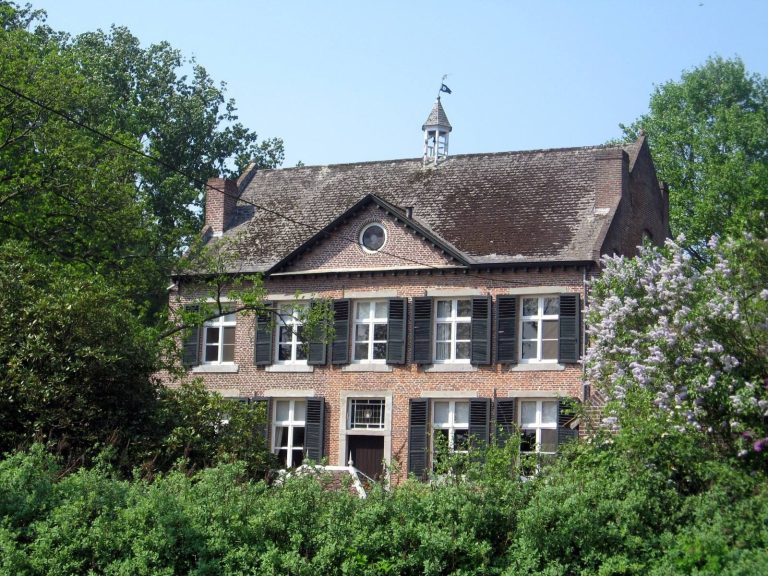
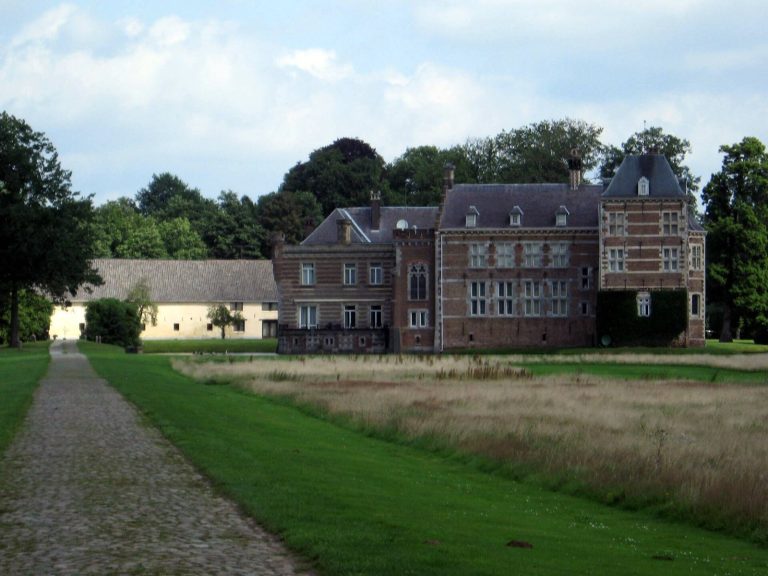
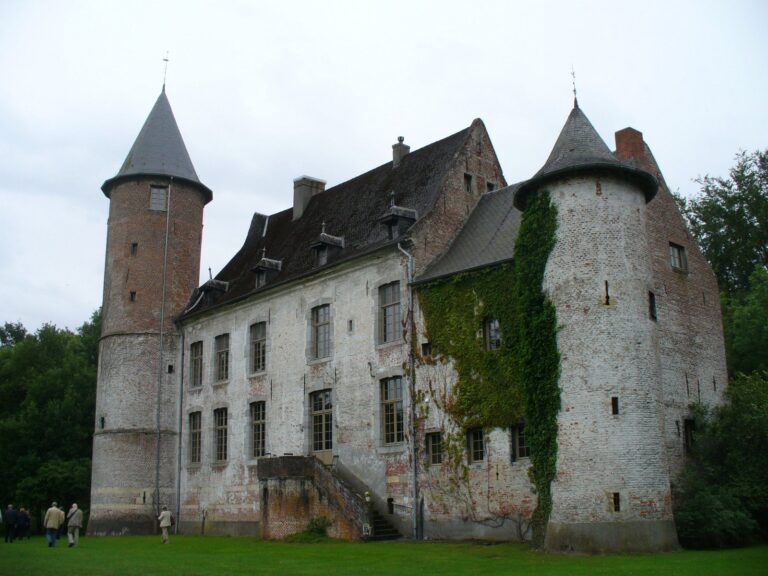
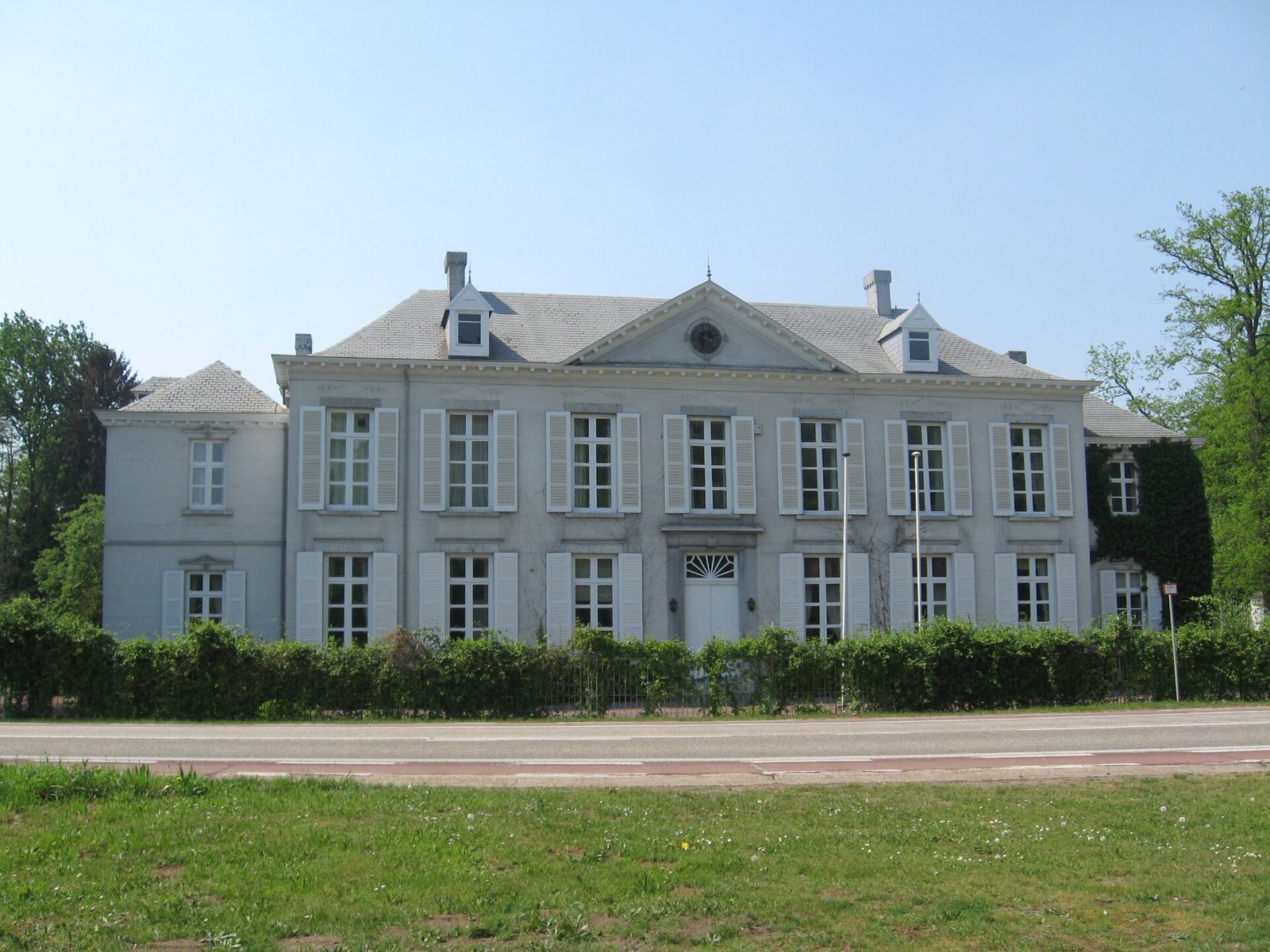
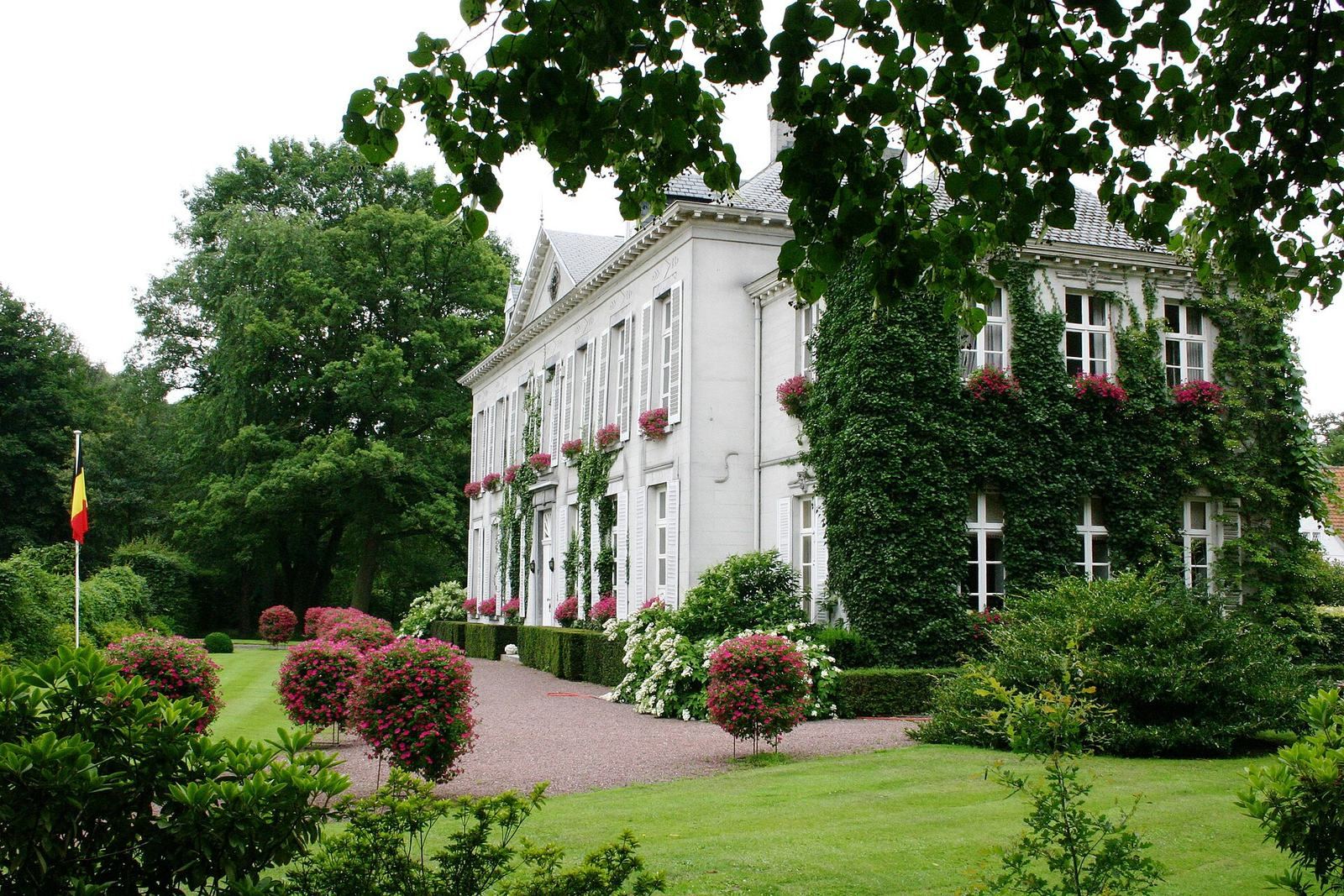
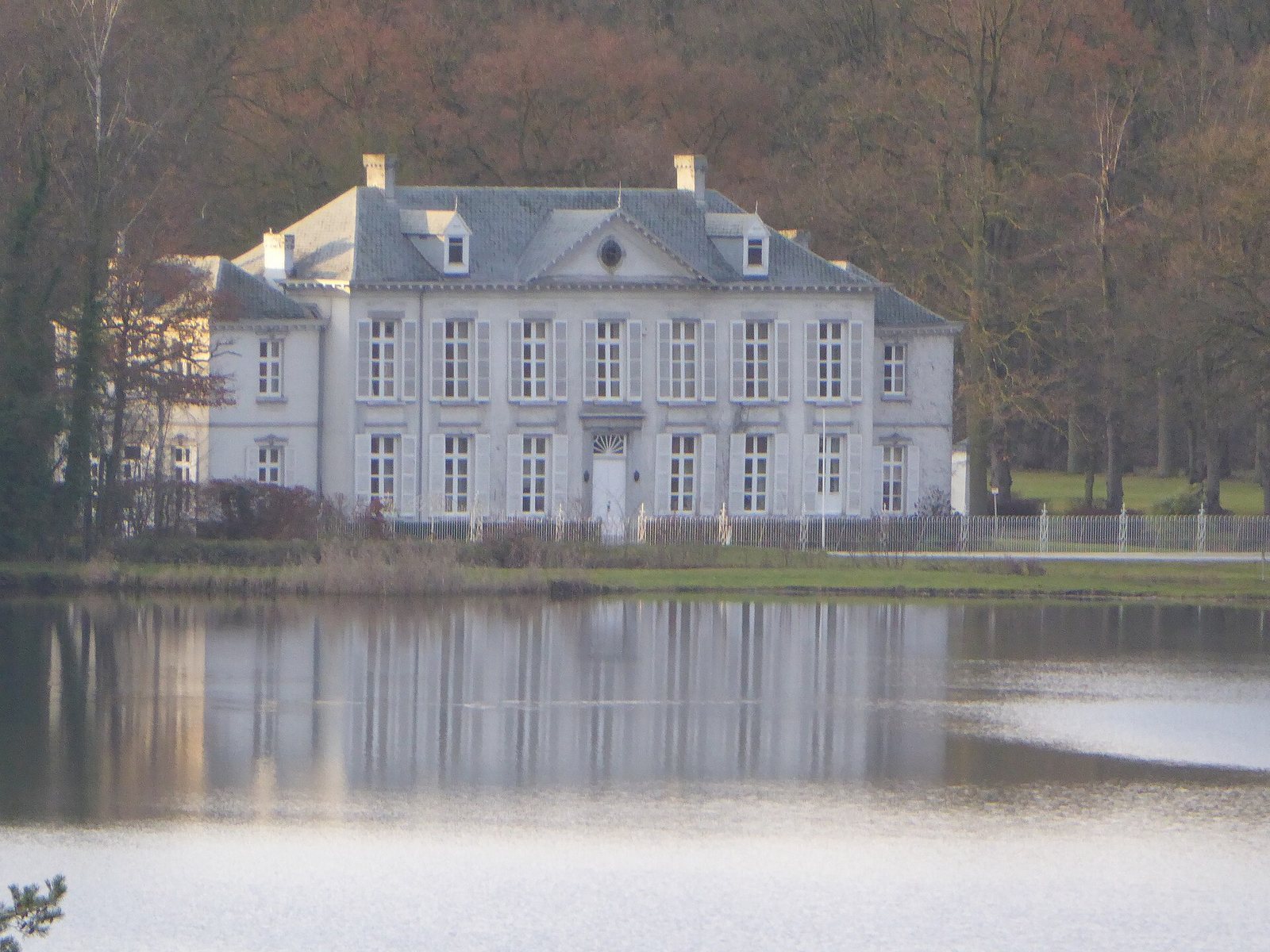
Terlaemen Castle is an estate at Viversel in Heusden-Zolder, Belgium, where construction began in 1750. The estate is recorded from 1293, when it belonged to Clara van der Lamen.
Early estate ownership
After marrying Henri Malapart, Clara adopted the name Malapart de Lame. In 1330, ownership passed to Marten van Loon, an illegitimate son of Arnold V, count of Loon, a county in the Low Countries. The estate later passed through the Steyvoert, de Blocquerie de Terbiest de Terlaemen, van Mombeek, and Borgyhye families.
The castle and its nineteenth-century owners
Count Jean-Baptiste de Borchgrave was the castle’s initial owner. In 1811, Count Jean de Borchgrave sold it to Laurens Renier Palmers, a genever distiller from Stevoort. Genever is a juniper-flavoured spirit associated with the Low Countries. Palmers and his wife, Maria Theresia de Borman, were major landowners. Her father served as local magistrate of Lummen and mayor of Hasselt.
Twentieth-century family and later ownership
From 1933, descendants of Laurens Palmers, beginning with his grandson Albert, used the surname Palmers de Terlamen. In 1992, François de Bellefroid, of the de Bellefroid d’Oudoumont family, moved into the castle. He had inherited the estate from his aunt, Marie Roberti, widow of Antoine Palmers de Terlamen, Albert’s son. At François’s initiative, the estate was opened more often to the public and to guides from Limburgs Landschap and Tourism Heusden-Zolder. His wife, Marie-Françoise Poswick, lived in the castle until her death in 2018. The estate was sold in 2021; the castle’s owner is unknown, while the riding facility is privately owned.
Remains
Estate grounds and ponds
Estate landscape
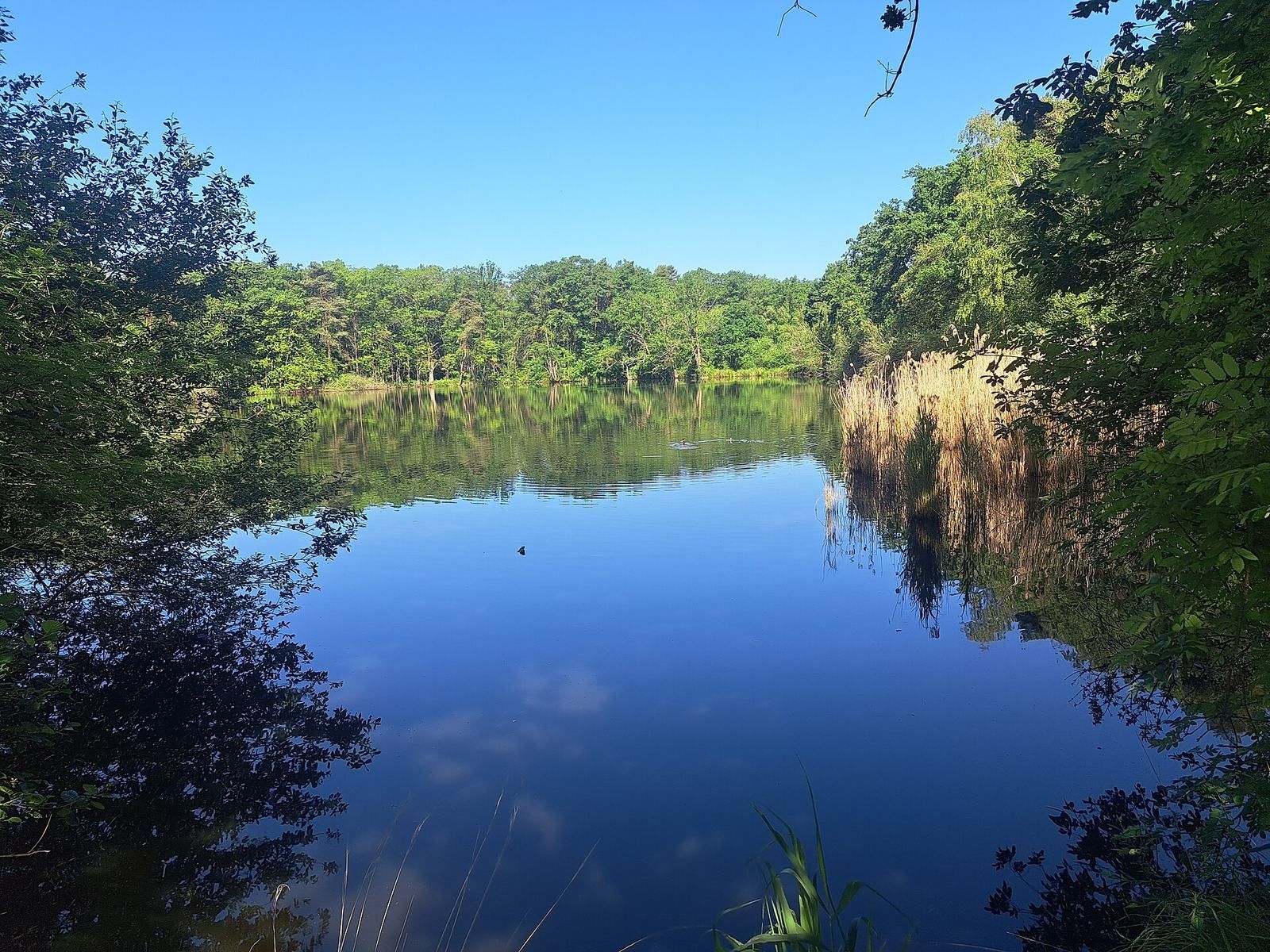
The 142-hectare estate comprises about 50 hectares of ponds, a 2.5-hectare castle garden, and the remaining area in pine and deciduous woodland and heath. Its grounds include both managed water areas and wooded and open land.
Fish-rearing ponds
Twenty interconnected ponds are supplied by the Laambeek and Echelbeek streams. Sluices, gates that control water flow, regulate the water moving through the system. The ponds were formed from pools in the Campine, a sandy heathland region of northeastern Belgium and the southern Netherlands. They were deepened to extract bog iron ore, iron-rich material deposited in wetlands, and iron sandstone, then later used for fish farming. The fish raised there include tench, bream, three kinds of carp, and roach; customers included the tsars of Russia. The ponds form part of the Midden-Limburg pond area, a wetland region in Belgian Limburg, and De Wijers, a landscape in the same region characterized by numerous ponds.