Kasteel Ter Dolen: A Castle and Former Summer Residence of the Abbots of Sint-Truiden
Site at a Glance
- Popularity
- Low
- Country
- Belgium
- Primary era
- Early Modern
- Eras represented
- Medieval, Early Modern, Modern
- Civilizations
- Holy Roman Empire, Prince-Bishopric of Liège
- Site type
- Domestic
- Remains
- Castle
On this page7 sections
History
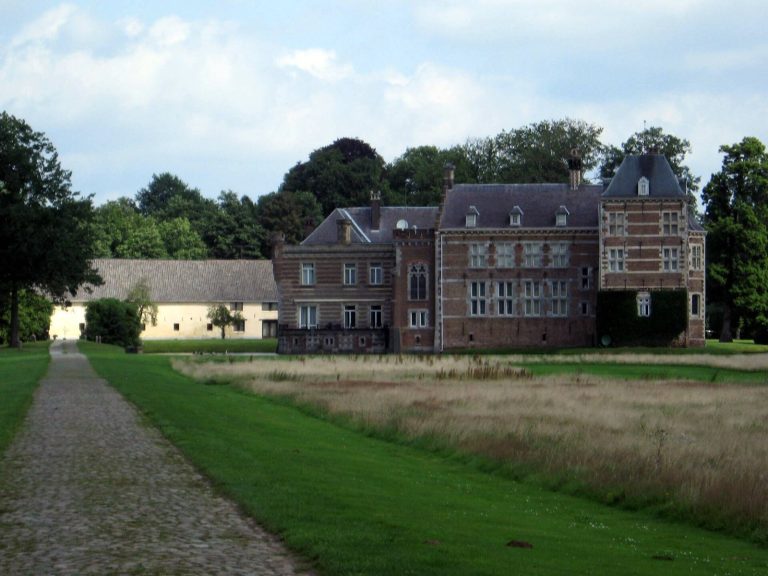
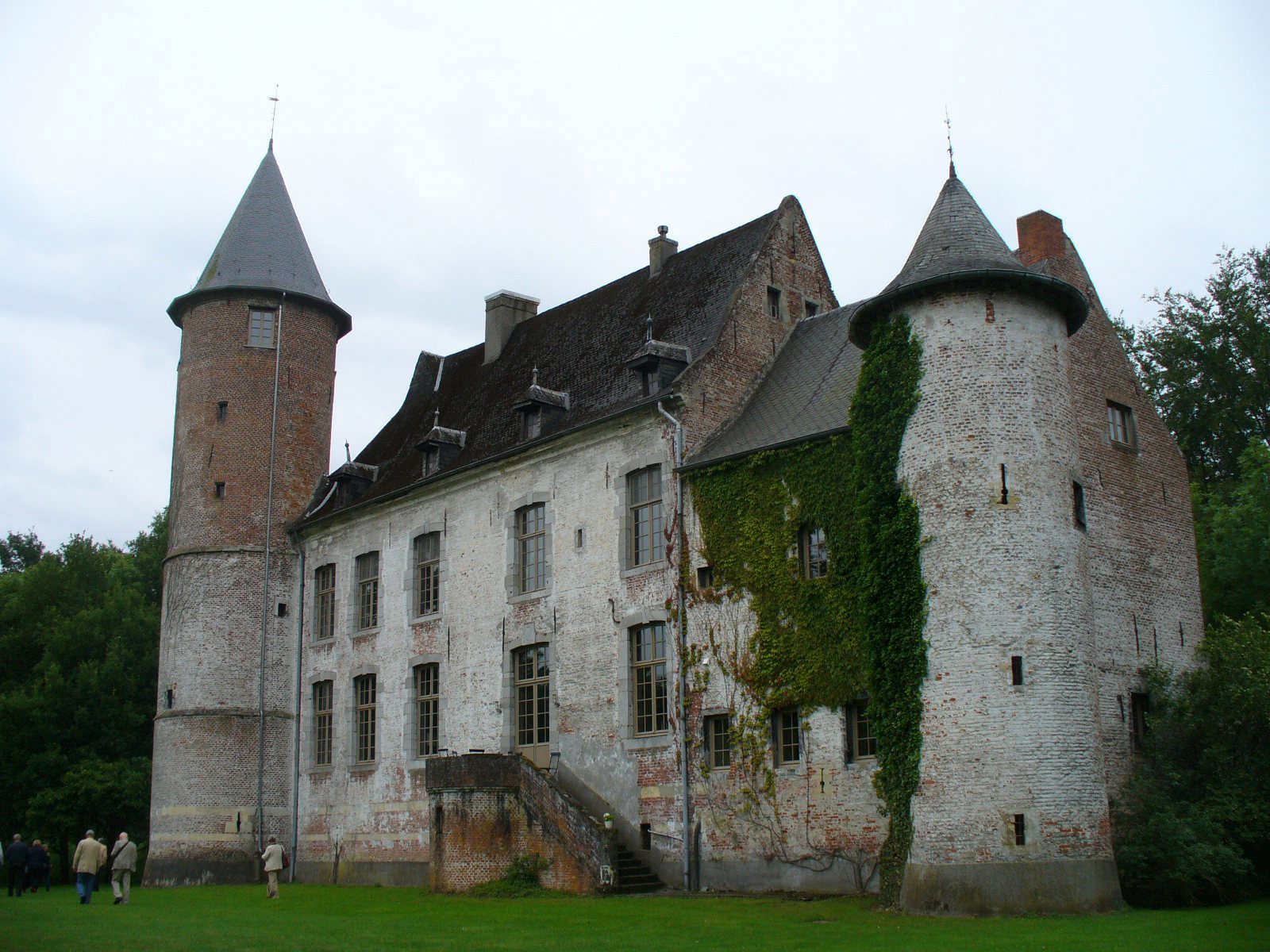
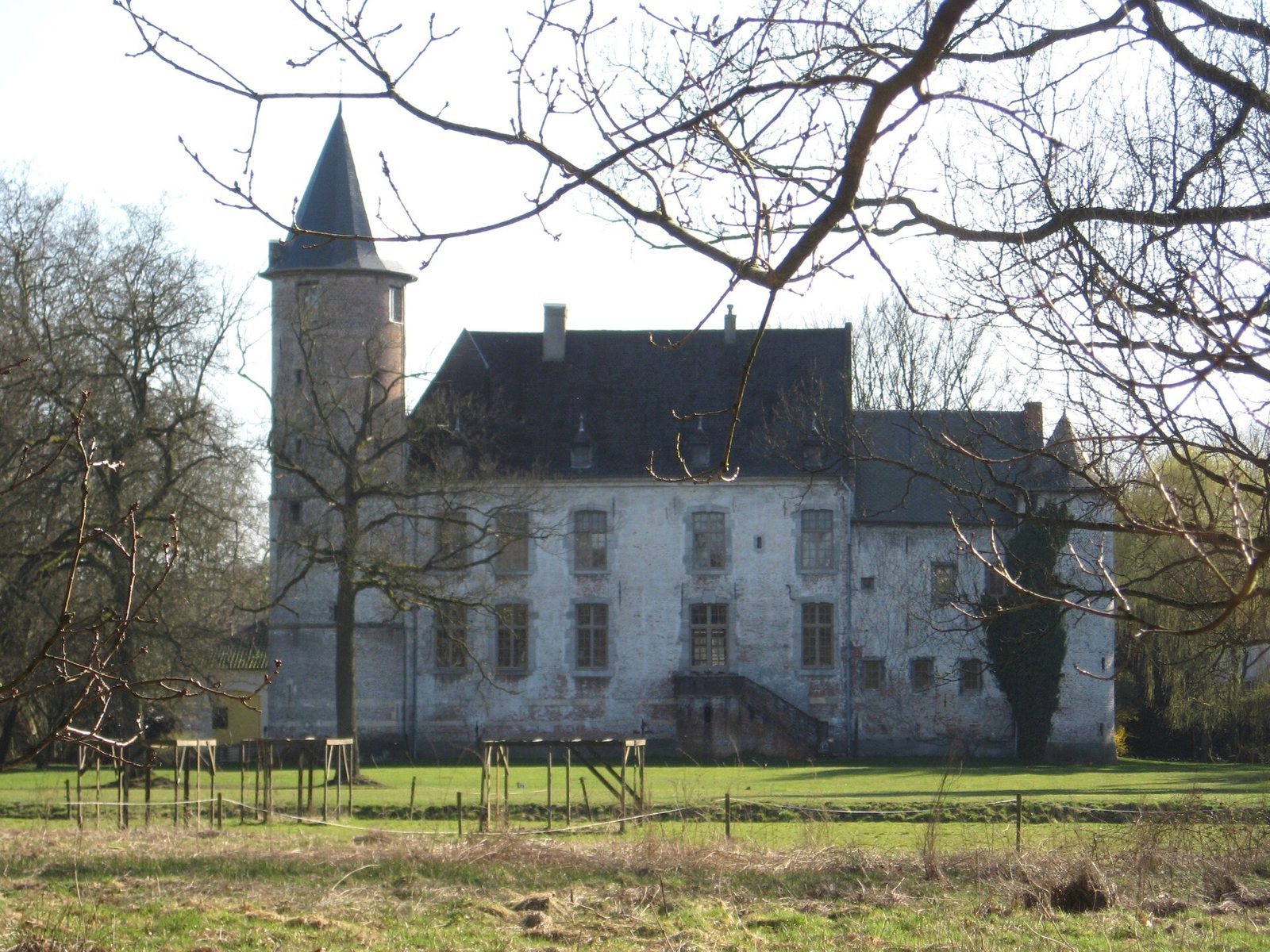
Kasteel Ter Dolen is a castle north of Helchteren in Houthalen-Helchteren, Belgium, first mentioned in 1282 and rebuilt in 1522. In the Middle Ages it served as a summer residence for the abbots, the heads of the Benedictine Abbey of Sint-Truiden.
Medieval residence and conflict
Around 1340, Abbot Amelius van Schoonvorst sought refuge at the castle during a conflict between the people of Liège and Prince-Bishop Engelbert of the Mark, a church leader who also ruled a territory. Amelius supported the prince-bishop, while the inhabitants of Sint-Truiden backed Liège. He allowed his brother Renier van Schoonvorst to occupy the castle and exercise local lordship over its lands and inhabitants.
After Amelius died in 1350, Renier continued to hold the castle, bringing him into dispute with the new abbot, Robert van Craenwick, and the monks. Renier also demanded a contribution from Helchteren. An agreement permitted him to remain for another four years. In 1361, the knight Hendrik van Halbeek, an opponent of Robert, burned the castle and its farm. They were partly repaired in 1367, then fell into disrepair. Abbot Hendrik van Conincxheim restored the buildings during his abbacy, which lasted from 1443 to 1470, but they were neglected again soon afterward.
Rebuilding and changing use
In 1522, Abbot Willem van Brussel rebuilt the castle and recovered nearby properties, managing them as an estate. During periods of danger, it also offered shelter to people from Hechtel. Later improvements associated with Abbot Hubertus van Sutendael included a castle chapel built in 1649. An entrance gate had been commissioned earlier, in 1621, before Hubertus became abbot in 1638.
French officers stayed at the castle around 1672. It was briefly occupied in 1676 and 1678 by Commander Webnom, who served William III of Orange, a Dutch ruler who later became king of England, Scotland, and Ireland. In the 18th century, Abbot Remigius Mottaer, also known as Mottart, converted the complex into a country house. During the French occupation of the Low Countries in the French Revolutionary era, the castle was confiscated and sold to a private buyer in 1797. Renovation followed in the 19th century.
Military damage and restoration
In 1917, 250 German soldiers stayed at the castle and damaged it. The Brothers of Tilburg, a Catholic religious community, lived there from 1923 to 1932 and restored the chapel. German forces occupied the castle again during the Second World War and caused extensive damage. When they were driven out in 1944, they set fire to part of the buildings.
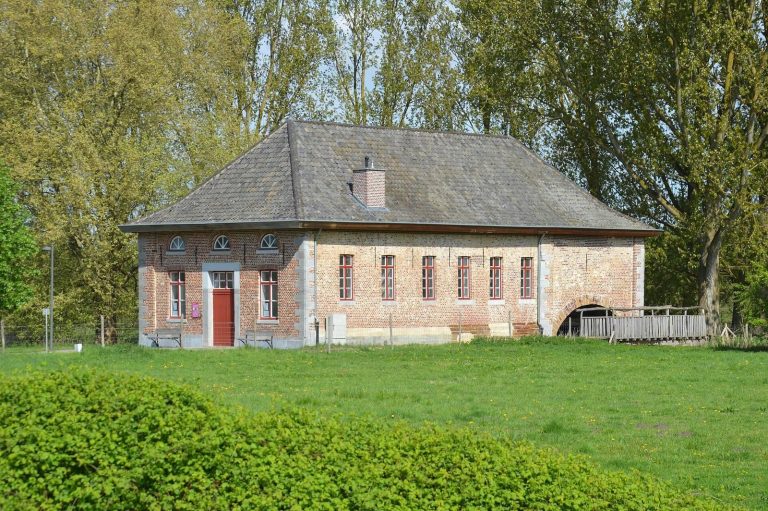
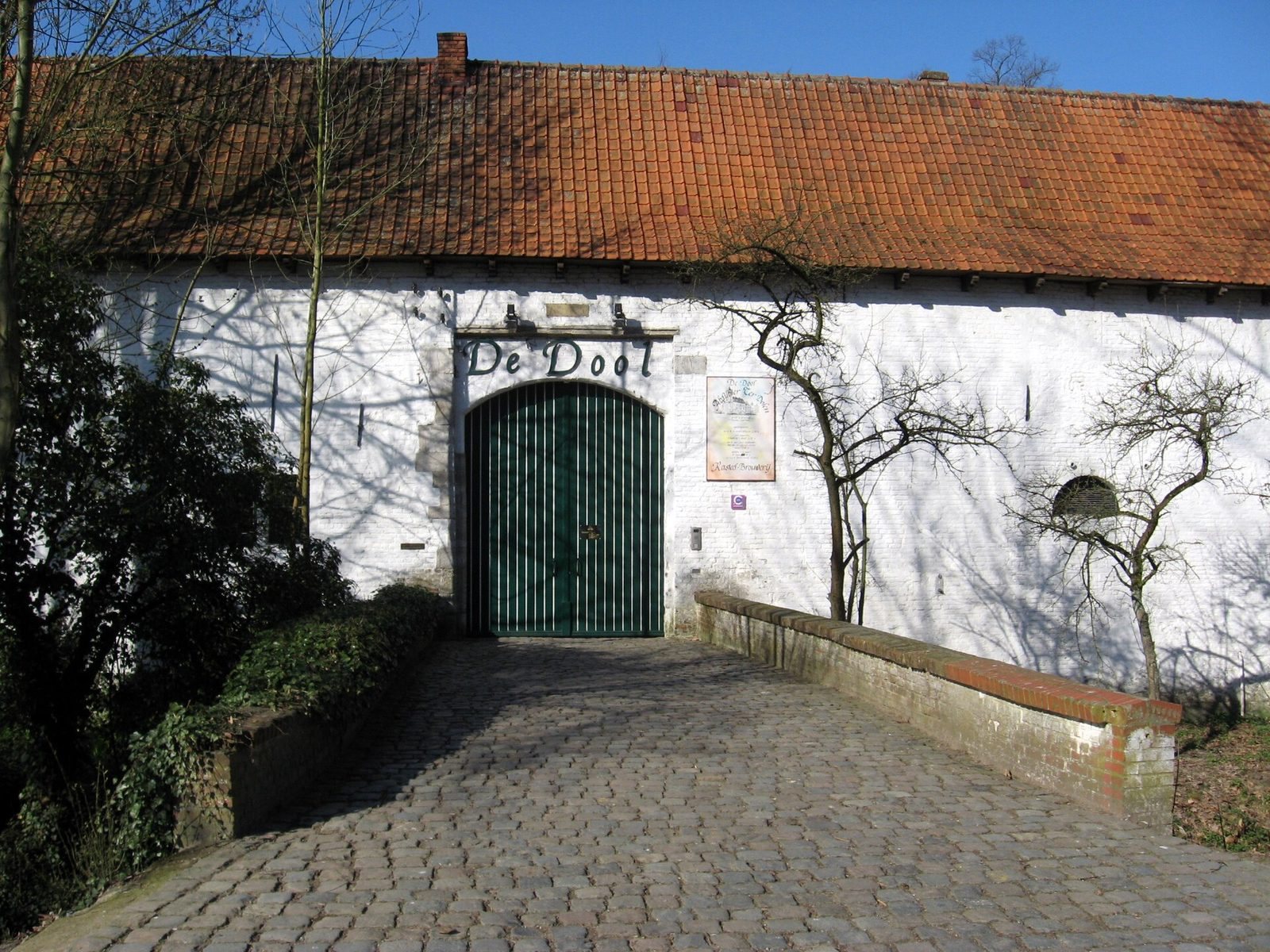
After the war, the castle became the country residence of Belgian politician Jean Duvieusart, who briefly served as prime minister in 1950. It stood unoccupied from 1977 and deteriorated. A brewer’s daughter bought the property in 1990 and began restoration. Since 1994, Kasteelbrouwerij De Dool has operated in the castle farm, with further restoration work carried out in subsequent years.
Remains
The castle complex includes the castle and an associated farm. Its architectural forms reflect its transformation from a fortified manor house into a country house, with later changes to the buildings.
Fortified manor and grounds
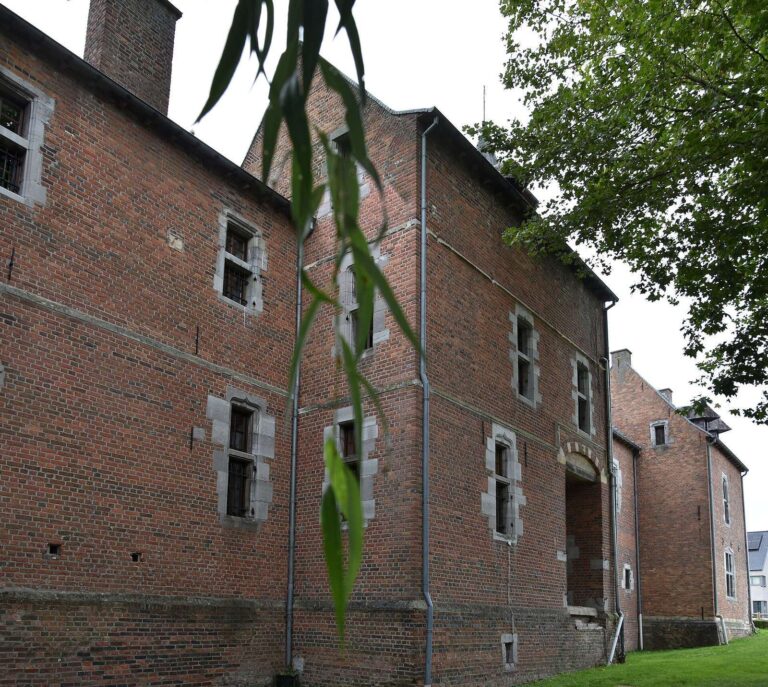
The 1522 rebuilding formed a fortified manor house with a horse stable and a pigeon tower, a tower designed to house pigeons. An enclosing wall with towers and a deep moat surrounded the complex. The site also includes an entrance gate commissioned in 1621 and a chapel built in 1649.
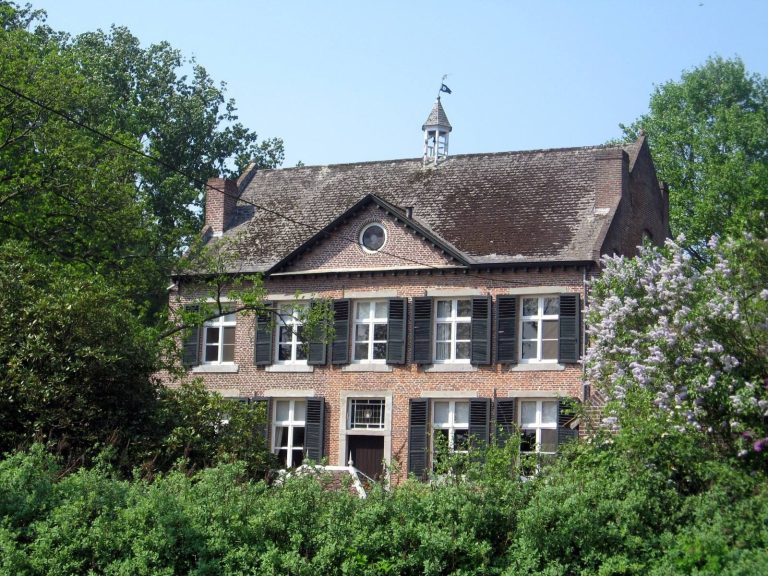
Country-house plan and farm
In the 18th century the house was arranged on a U-shaped plan and redesigned in a classicist style, drawing on ancient Greek and Roman forms. A 19th-century renovation used the Neo-Louis XVI style, a French neoclassical style associated with the late 18th century. The associated farm has housed Kasteelbrouwerij De Dool since 1994.