Hardwick House: A Tudor Residence in Oxfordshire
Site at a Glance
- Popularity
- High
- Country
- United Kingdom
- Primary era
- Early Modern
- Eras represented
- Early Modern
- Civilizations
- English
- Site type
- Domestic
- Remains
- Elite Residence
On this page8 sections
History
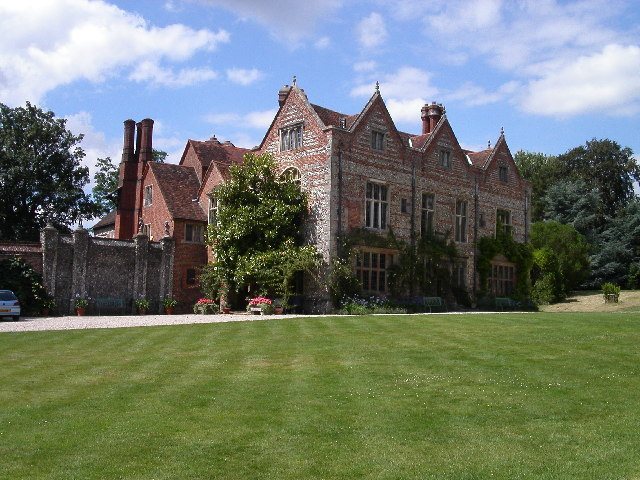
Hardwick House is a Tudor residence at Whitchurch-on-Thames in Oxfordshire, United Kingdom, dating to the early sixteenth century. It belongs to the Tudor period, the era of England’s Tudor dynasty from 1485 to 1603.
The Lybbe and Powys families
Richard Lybbe bought the house in 1526. Charles I, king of England, Scotland and Ireland from 1625 to 1649, visited while being escorted from Oxford as a prisoner. He is also associated with playing bowls at the house. The Lybbe family’s line at Hardwick ended with heiress Isabella Lybbe, who married Philip Powys in 1730. Their Powys descendants lived there for about another 130 years.
Caroline Powys, wife of Philip Lybbe Powys of Hardwick House, began keeping a diary in 1756. It describes social life among her class, including visits to nearby country houses, winter balls and assemblies in Henley, and seasonal stays in London and Bath for plays, concerts and balls. Their great-grandson, later known as Philip Lybbe Powys, was a rower and Member of Parliament. He recalled rowing from Hardwick to Mapledurham on Sunday afternoons as a child.
Rose ownership and later associations
Charles Day Rose purchased Hardwick House shortly before becoming a baronet on 19 July 1909. A baronetcy is a hereditary title below the rank of baron; this title referred to Hardwick House in the parish of Whitchurch, in the county of Oxford. The house and estate have since remained with the Rose baronets for several generations. Sir Julian Rose, the fourth baronet, succeeded his father in 1966. In 1979 he also inherited the Rose baronetcy of Montreal, becoming its fifth holder.
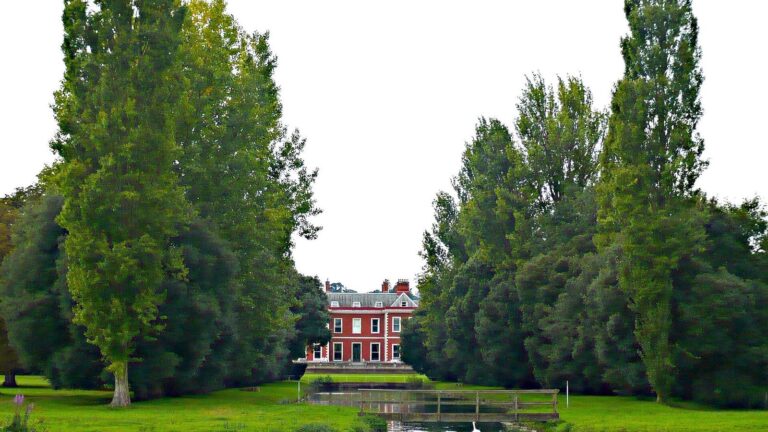
Hardwick House is reputed to have inspired E. H. Shepard’s illustrations of Toad Hall in Kenneth Grahame’s The Wind in the Willows. Mapledurham House, Fowey Hall Hotel, Foxwarren Park and Fawley Court have also been suggested as inspirations. Charles Day Rose is separately said to have been one of the models for Toad. Hardwick House and the adjacent dower house, traditionally a residence for a widow, are Grade I listed, a category for buildings of exceptional interest. The stables, garden wall and gate pier are Grade II listed, a category for buildings of special interest.
Remains
Buildings and grounds
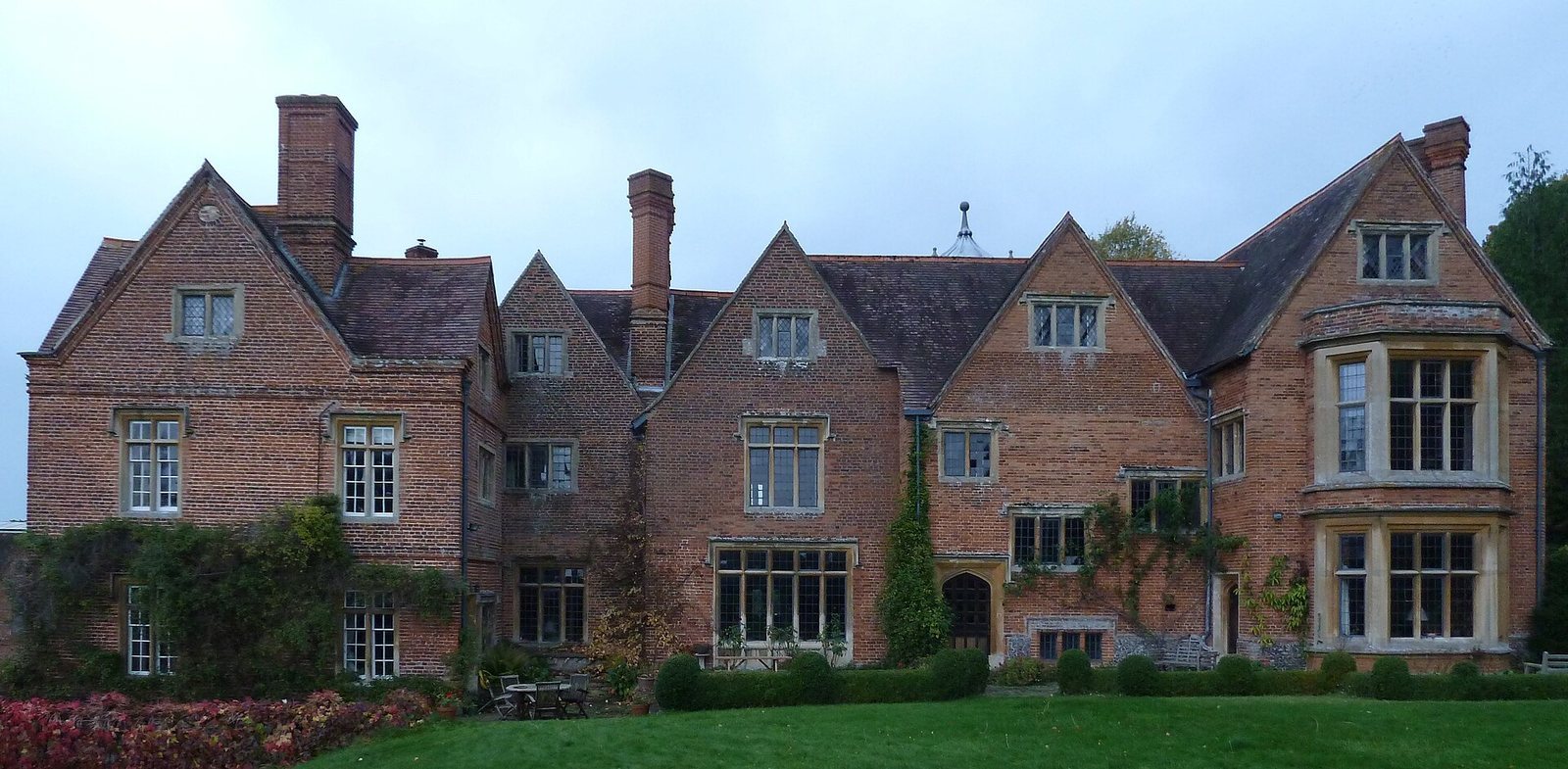
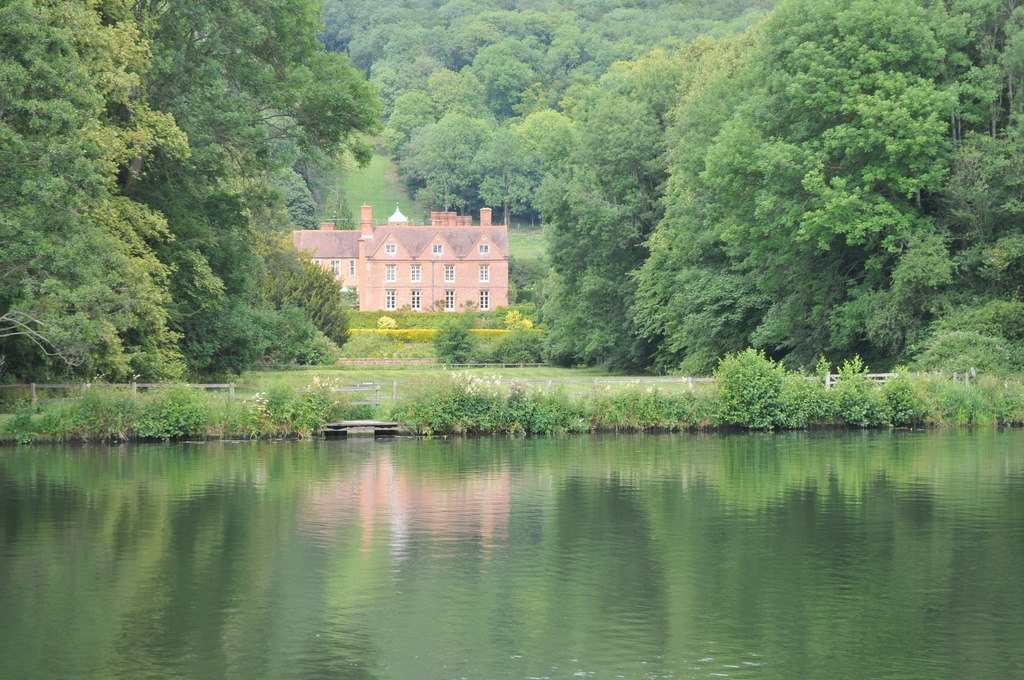
Hardwick House
The house stands on a slight rise beside the Thames. It is a Tudor building with later additions.
Dower house
The dower house is situated next to Hardwick House.
Ancillary features
The named features associated with the site also include stables, a garden wall and a gate pier.