Abingdon County Hall Museum: A Baroque County Hall and Museum
Site at a Glance
- Popularity
- Medium
- Country
- United Kingdom
- Primary era
- Early Modern
- Eras represented
- Early Modern
- Civilizations
- English
- Site type
- Civic
- Remains
- Town Hall
On this page6 sections
History
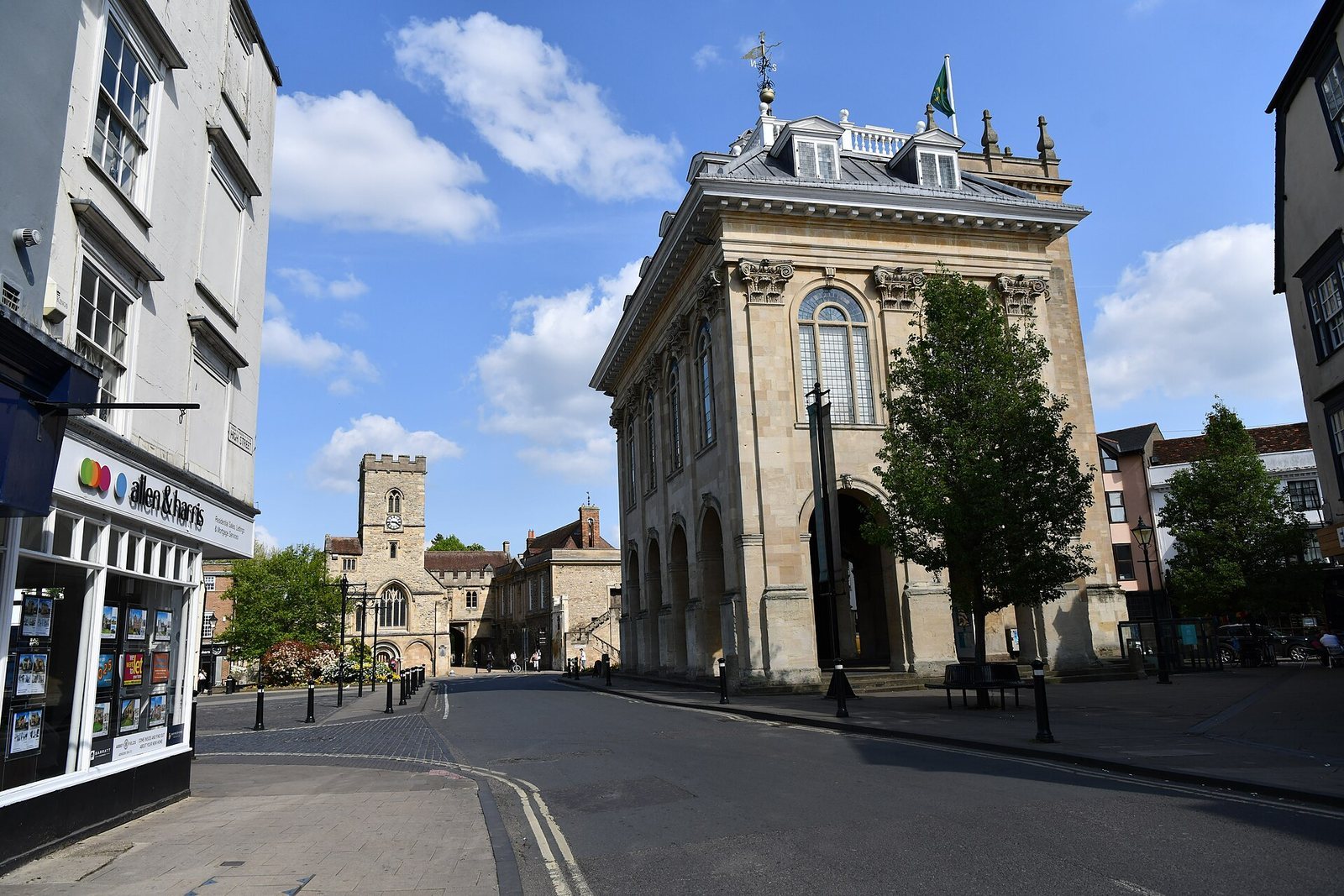
Abingdon County Hall Museum occupies the former county hall in Abingdon, United Kingdom. Built from 1678 to 1683 and completed in 1683, the Baroque building served Berkshire when Abingdon was its county town. It was intended as the county’s principal sessions house and the administrative base for its justices, local judicial officials. Christopher Kempster designed the building after training with Sir Christopher Wren on St Paul’s Cathedral.
County hall and courts
The building housed a courtroom for the assizes, periodic courts that heard serious criminal cases and some civil matters. In 1867, Abingdon transferred this court function to the Reading Assize Courts.
Museum and restoration
The museum’s collections began in 1919. The building was listed Grade I on 19 January 1951 under the name County Hall and Market House. Following a major restoration, Queen Elizabeth II visited in November 1956, signed the visitor book and unveiled a plaque. A further two-year restoration of the building and museum took place from 2010 to 2012.
Remains
Architecture
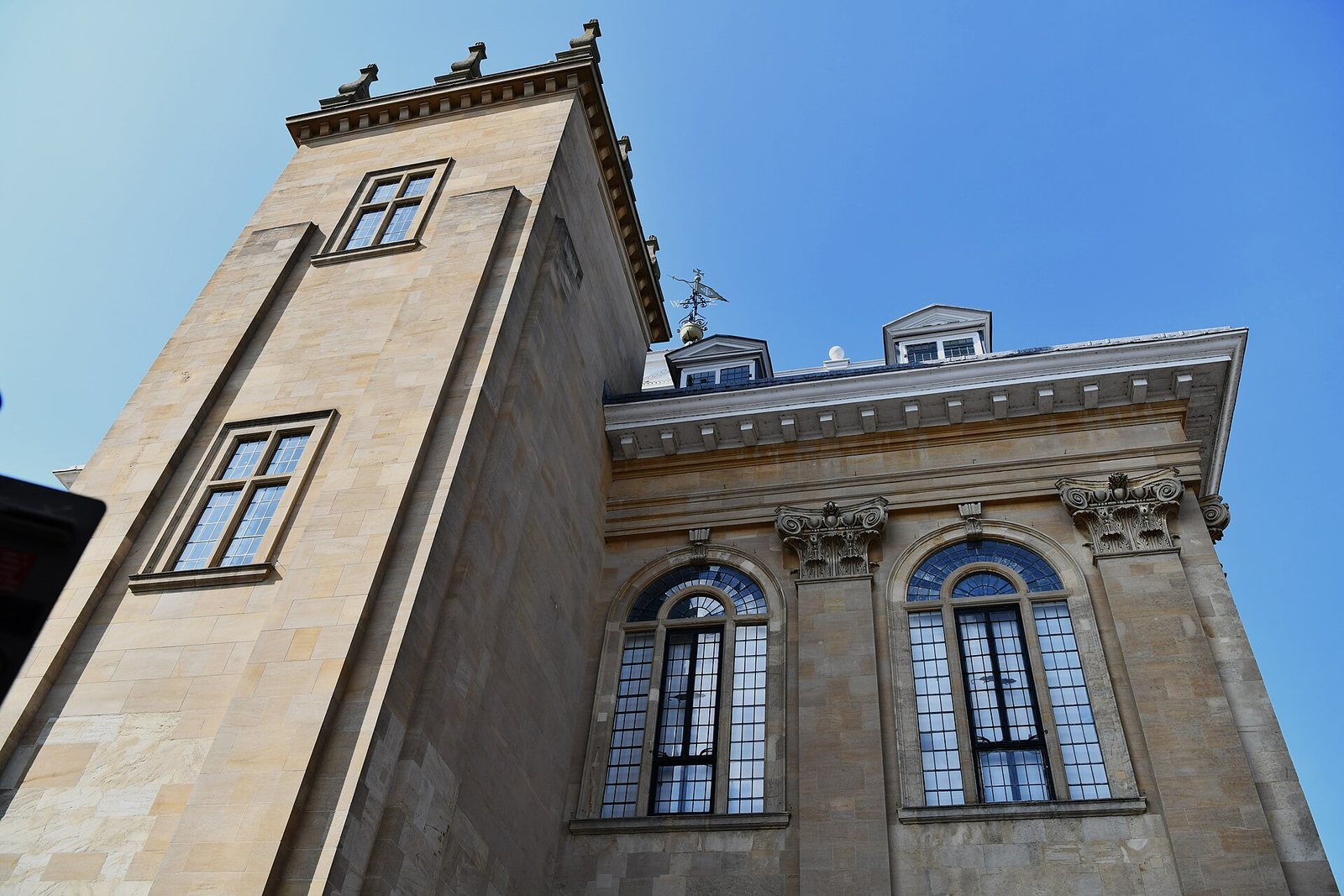
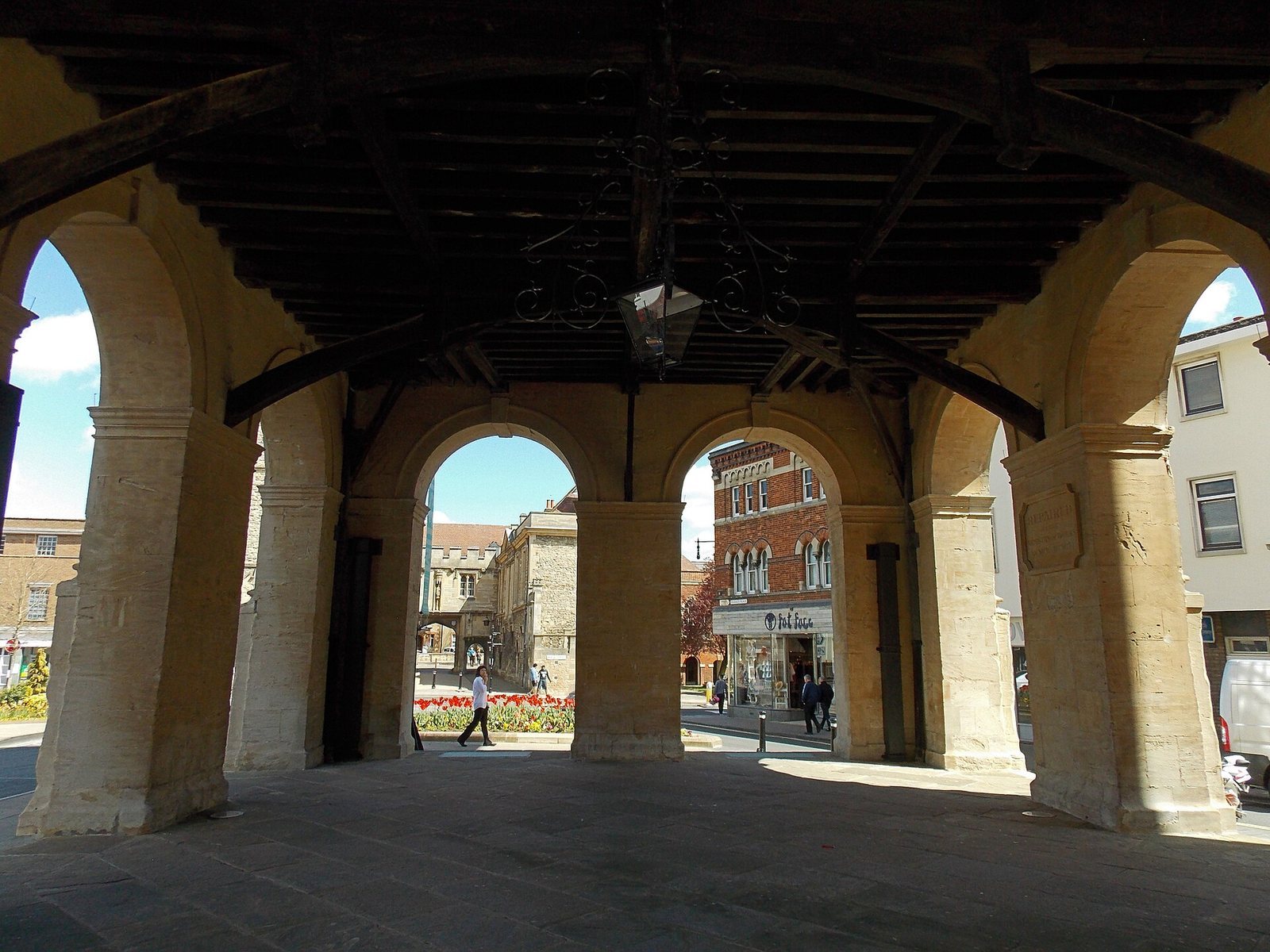
The Baroque county hall has an open ground floor with semicircular arcades, providing covered space for a market or other municipal uses. Large pilasters, shallow rectangular elements attached to a wall, articulate the facade. Their Corinthian capitals are decorated with stylized foliage, and the pilasters span more than one storey in a giant order. Architectural historian Nikolaus Pevsner described it as England’s grandest free-standing town hall with an open ground floor.
Museum displays
The museum displays a reproduction of the Abingdon Sword, an Anglo-Saxon, or early medieval English, weapon. The original was found in the river at Abingdon and is held by the Ashmolean Museum in Oxford. Another display is the final MGB Roadster to leave the production line in Abingdon in 1980. In December 2011, the car was raised through a window 30 feet above the ground for display in the museum’s main gallery.