Restoration House: A Historic Mansion in Rochester
Site at a Glance
- Popularity
- High
- Country
- United Kingdom
- Primary era
- Early Modern
- Eras represented
- Medieval, Early Modern
- Civilizations
- English
- Site type
- Domestic
- Remains
- Elite Residence
On this page7 sections
History
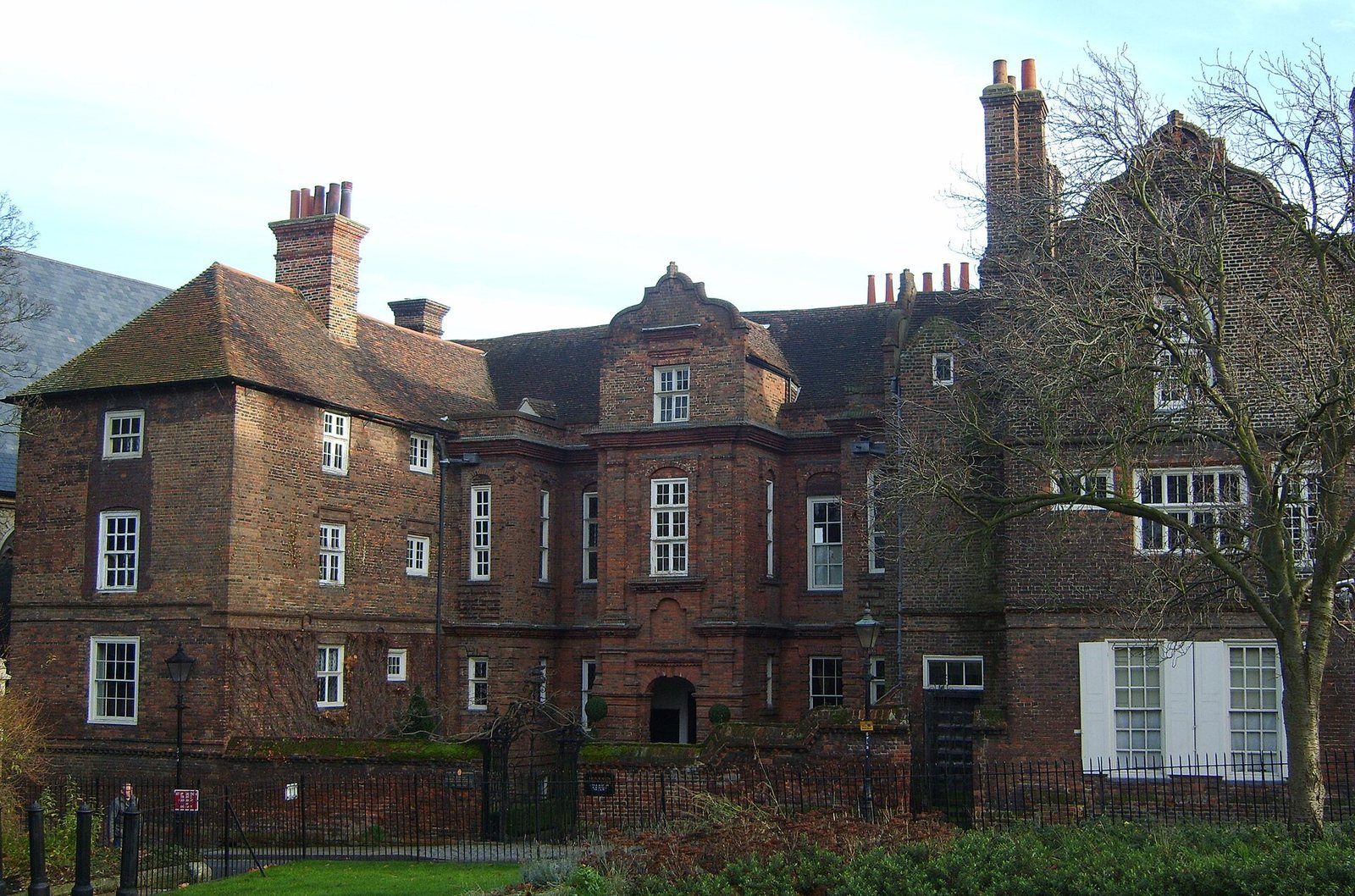
Restoration House is a mansion in Rochester, United Kingdom, described as Elizabethan, a term associated with the reign of Elizabeth I (1558–1603), and enlarged in the mid-seventeenth century. Its name recalls Charles II’s visit to Rochester in 1660, on the eve of the Restoration, when the English monarchy was restored after a period of republican government.
Medieval origins and the royal visit
The house developed from two medieval buildings, one dated to 1454 and the other to 1502–22. A third structure was inserted between them sometime from 1640 to 1660, joining the earlier buildings into a larger residence. Henry Clerke, a lawyer and Rochester Member of Parliament, was the first owner of the completed house.
After landing at Dover on 25 May 1660, Charles II reached Rochester on the evening of 28 May. He spent the night at the house, which belonged to Sir Francis Clerke and was occupied by Colonel Gibbon. Clerke received a knighthood during the visit. Charles continued to London the following day and was proclaimed king on 29 May, his thirtieth birthday.
Later owners and changing fortunes
Henry Clerke carried out further work in 1670. The house later passed to William Bockenham and, in the late nineteenth century, to Stephen T. Aveling, who wrote a history of it published in the fifteenth volume of Archaeologia Cantiana, a journal on the history and archaeology of Kent. The Mackey family owned the property from 1933 until 1978, when Mrs Mackey sold it to William Moreton.
In 1986, entertainer Rod Hull bought the house to prevent its conversion into a car park and undertook a major restoration. A receiver took the property in 1994 over an unpaid tax bill. Restoration House remains a private home and is protected as a Grade I listed building, a category for buildings recognized as having exceptional historical or architectural interest.
Dickens’s biographer John Forster identified Restoration House as a model for Miss Havisham’s home in Great Expectations. The name Satis House, however, belongs to another Rochester building, where Sir Richard Watts entertained Queen Elizabeth I. That building now serves as an administrative office for King’s School, Rochester.
Remains
House and garden features
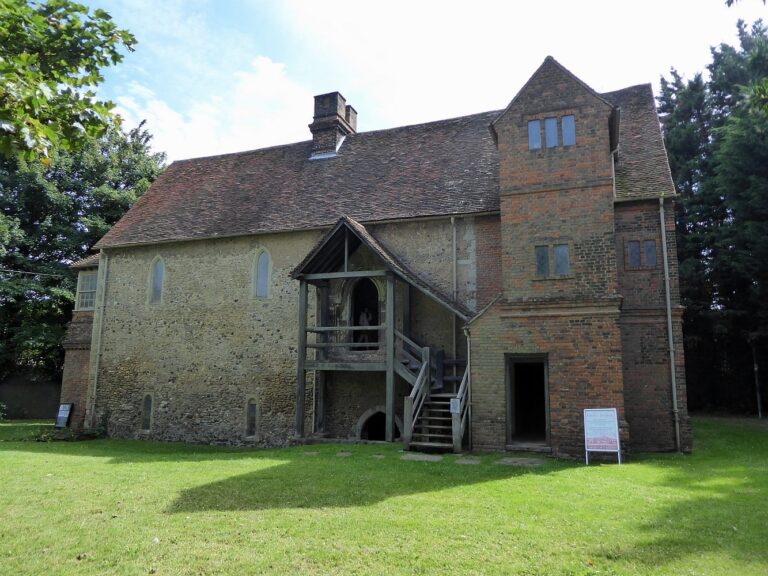
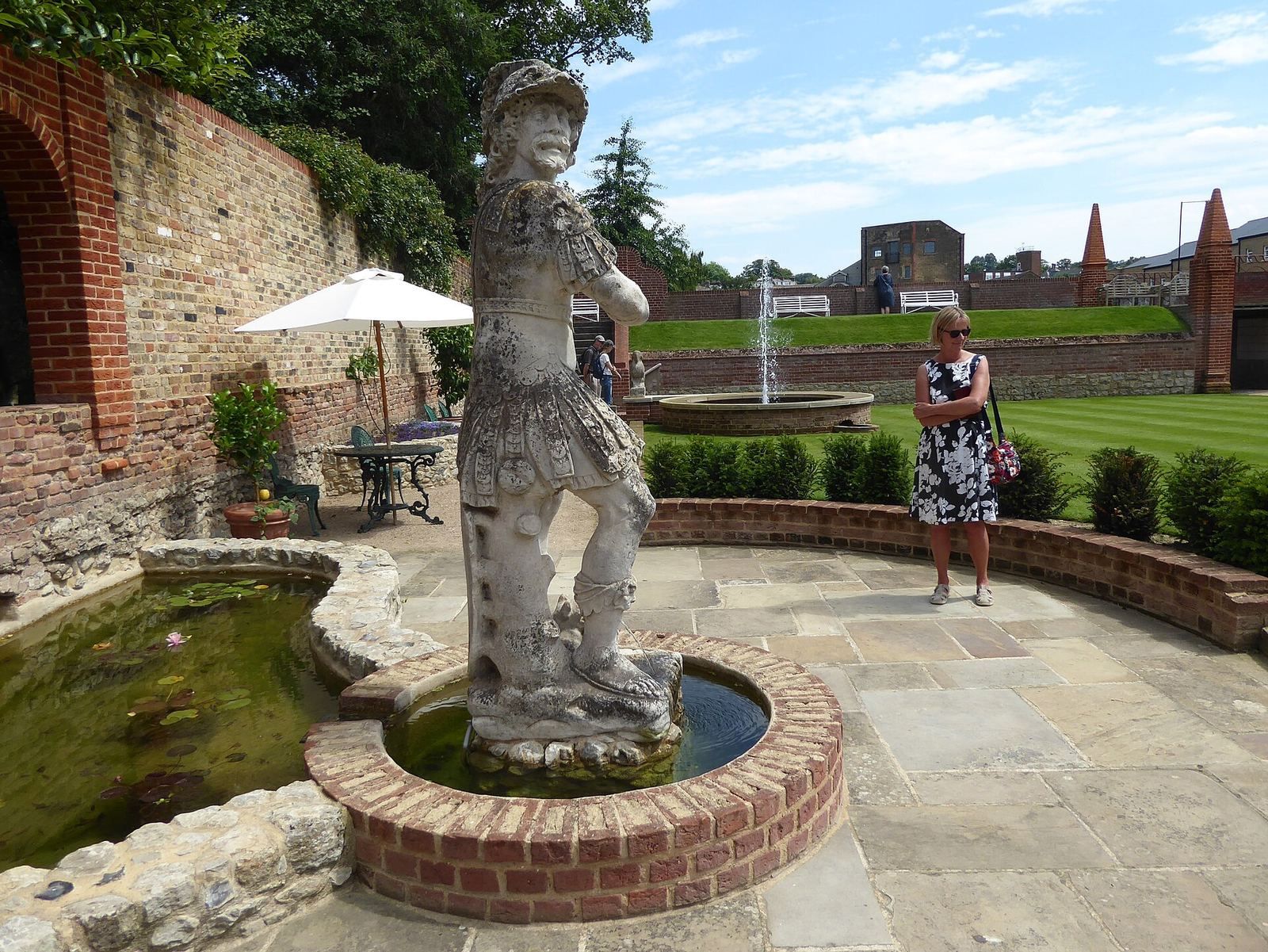
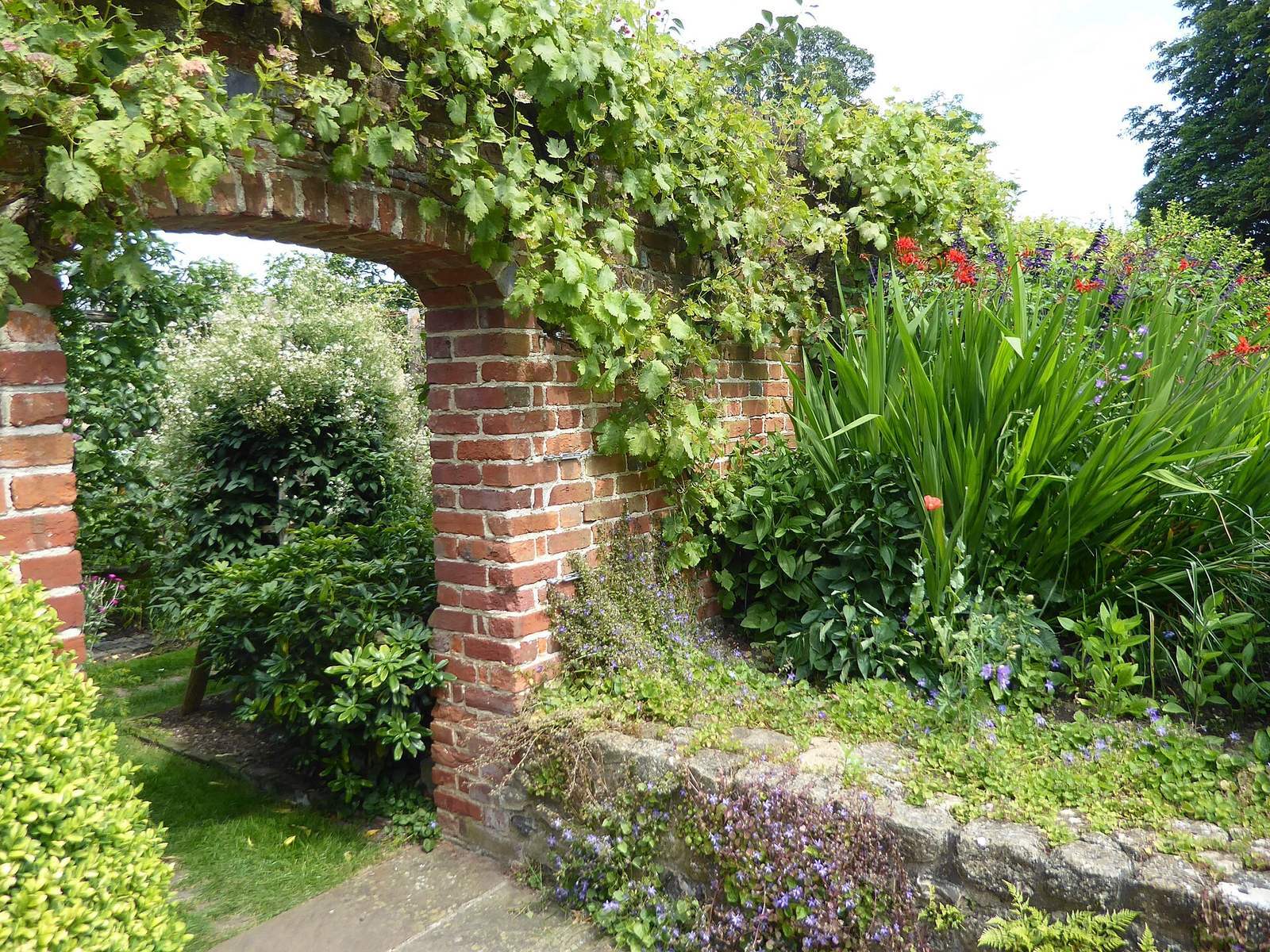
The mansion brings together two medieval buildings that originally stood apart, with a later structure filling the space between them. Its materials include red brick, ragstone, a hard, coarse limestone, and knapped flint, which is flint shaped by striking.
The mansion
The house has 38 rooms. Work in 1670 included a new facing for the entrance front, construction of a Great Staircase, and other interior alterations. Later owners uncovered decorative schemes dating to the mid-seventeenth century, whose designs reflect fashionable tastes influenced by styles from continental Europe.
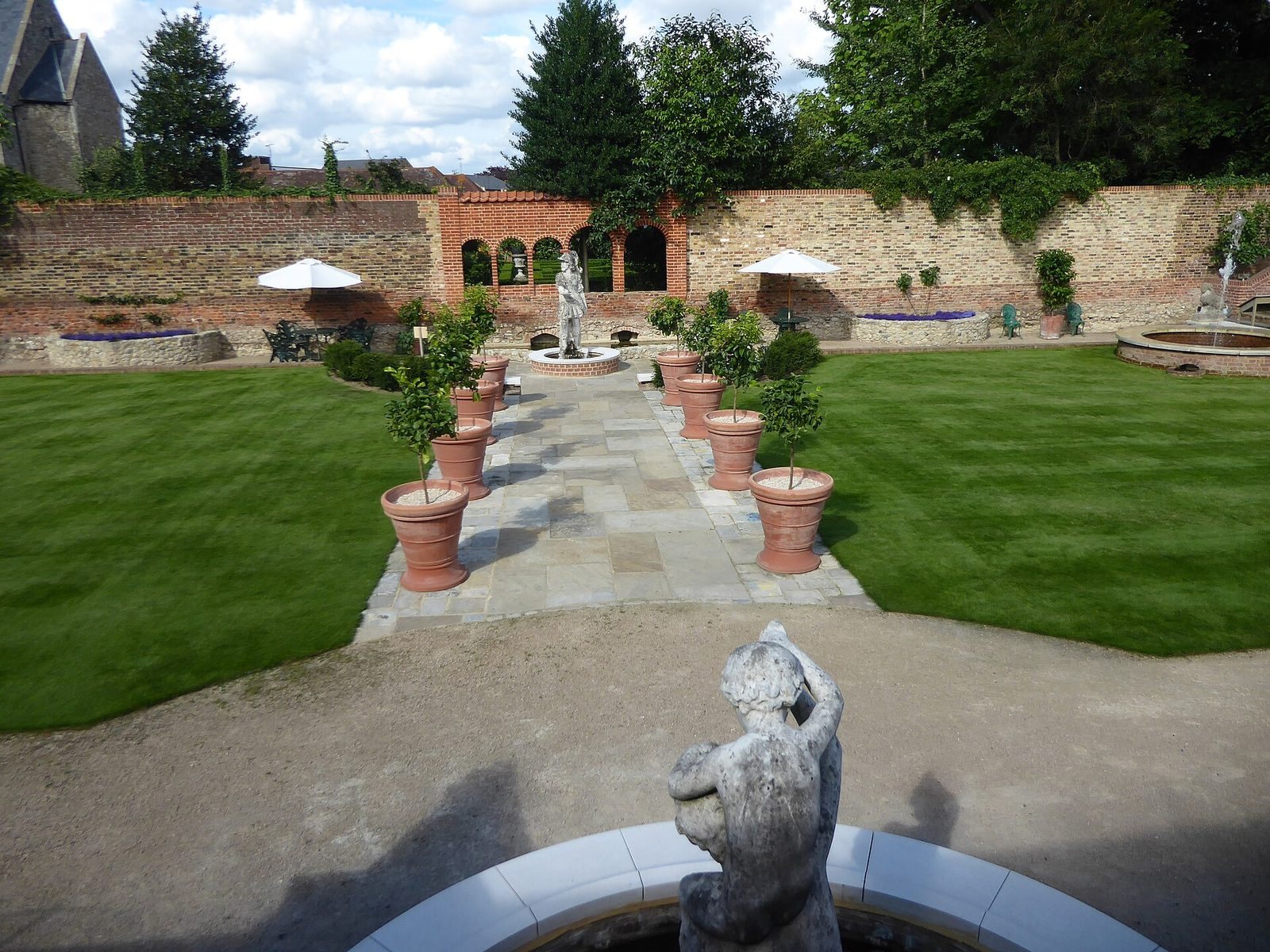
Garden and entrance features
Remains of a summer house lie in the garden, 25 metres east of the mansion. A wall and gate piers are attached to the front of the house.