Skaføgård: A Renaissance Manor House in Denmark
Site at a Glance
- Popularity
- Medium
- Country
- Denmark
- Primary era
- Early Modern
- Eras represented
- Early Modern
- Civilizations
- Denmark–Norway
- Site type
- Domestic
- Remains
- Manor House
On this page4 sections
History
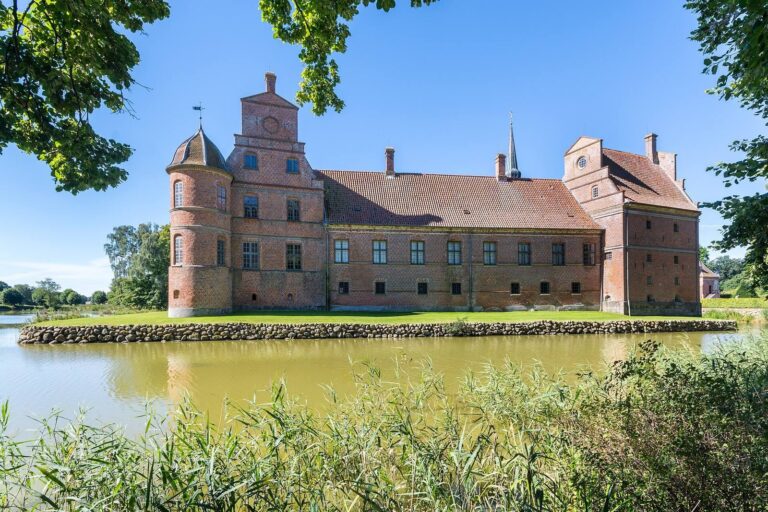
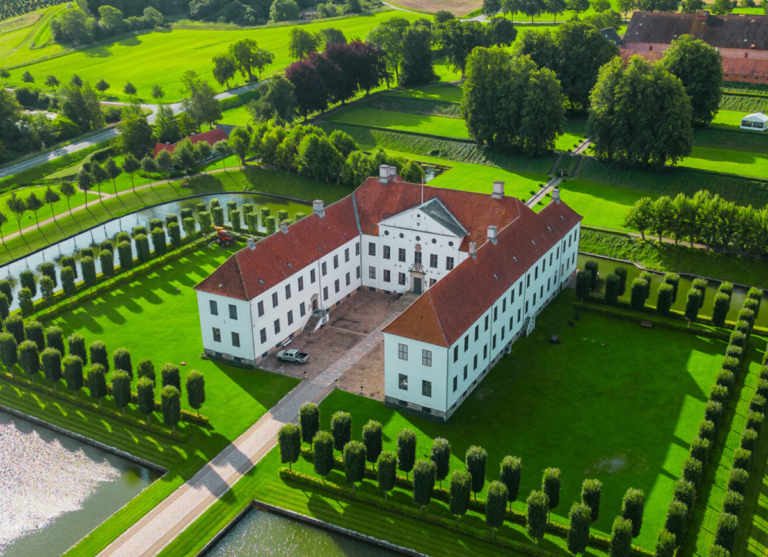
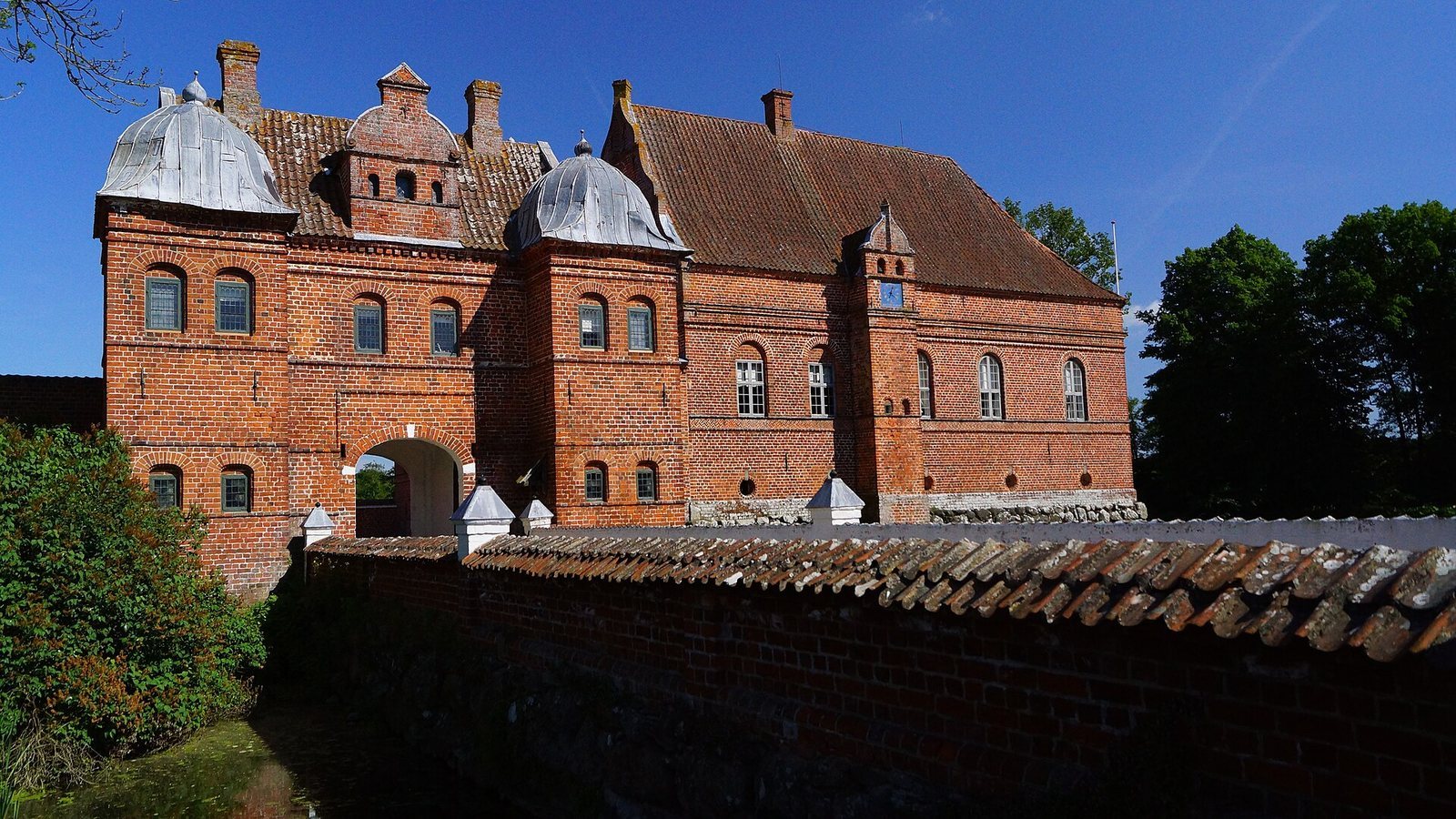
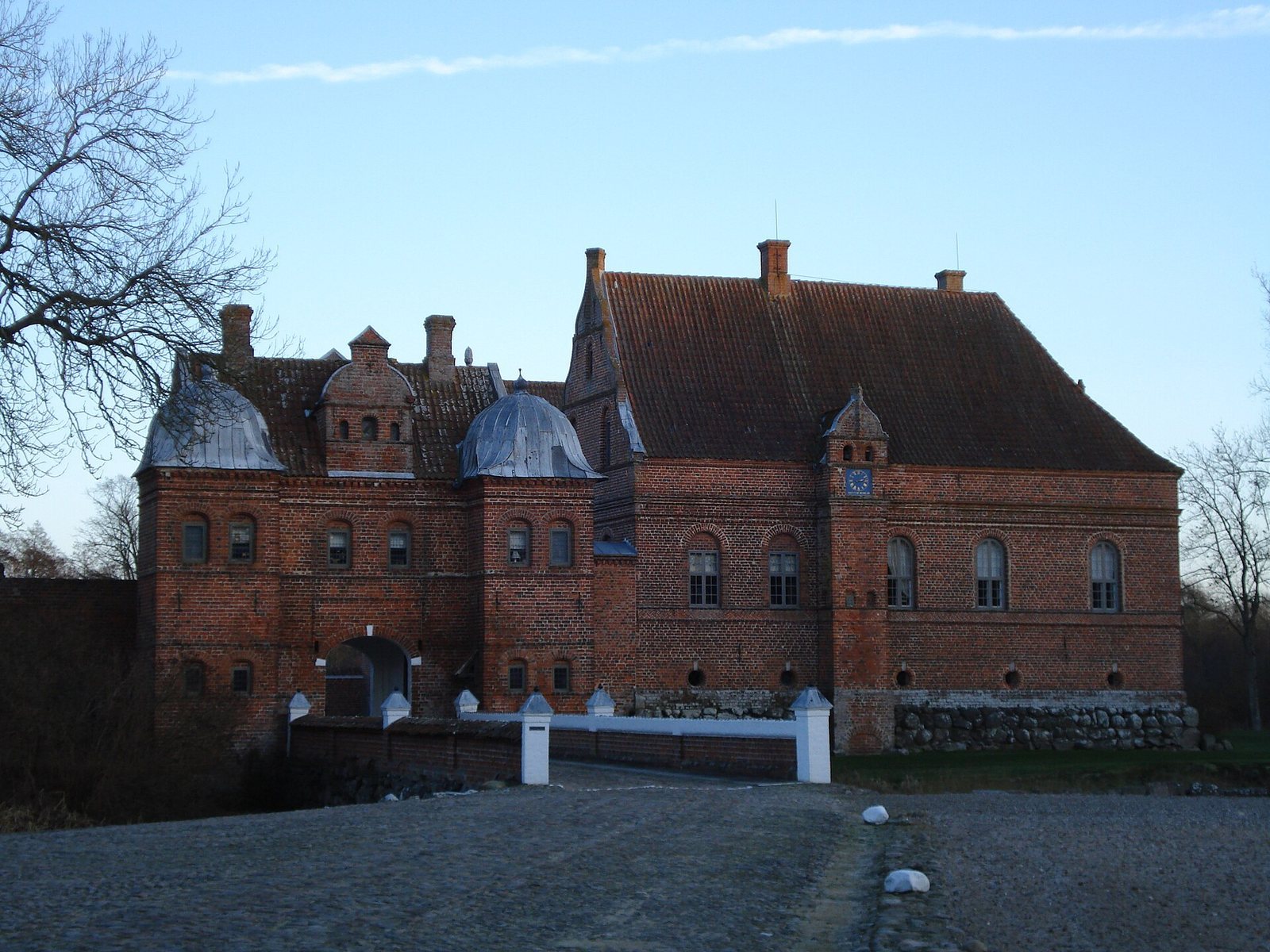
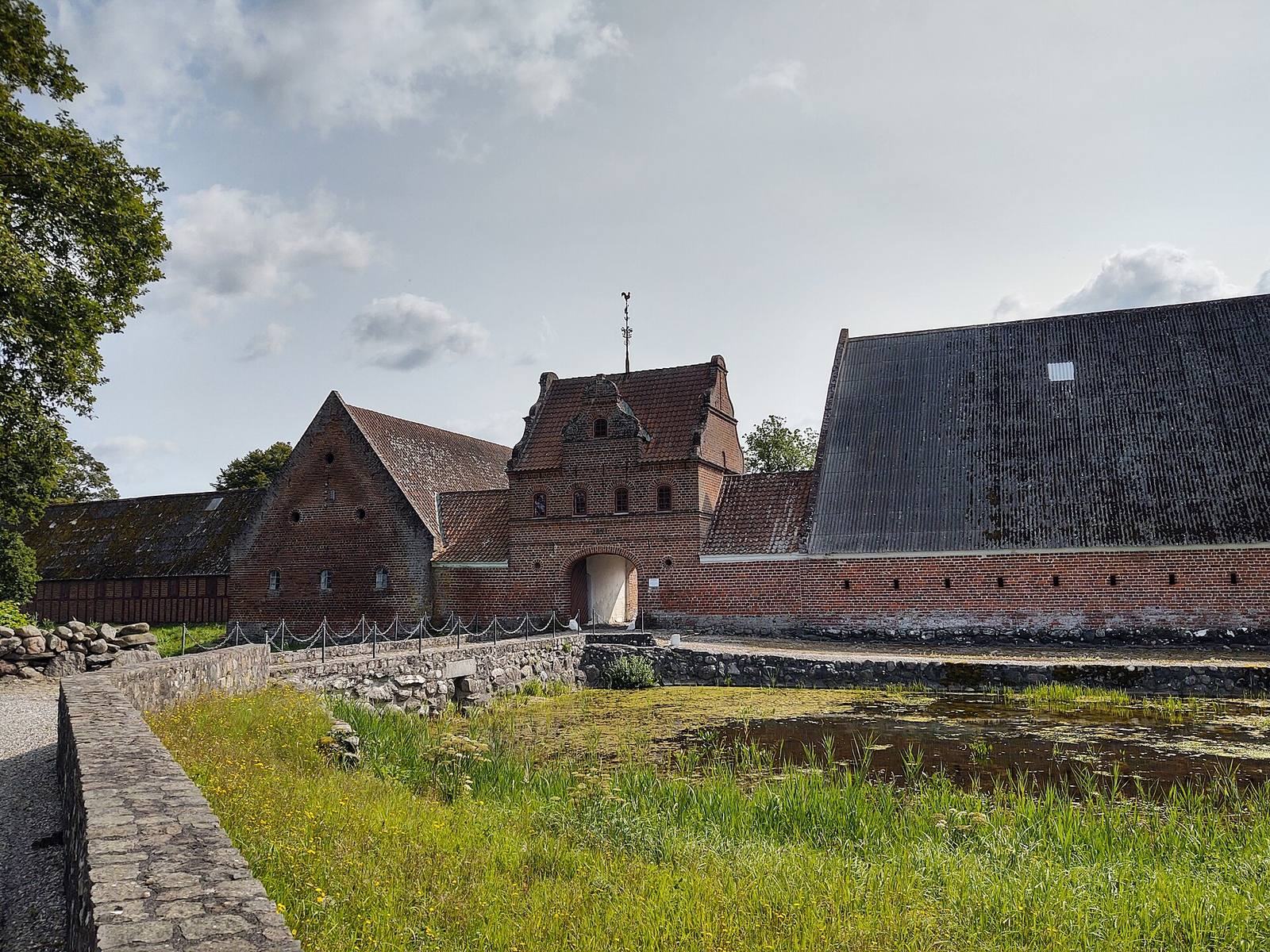
Skaføgård is a Renaissance manor house in Hvilsager parish, Syddjurs Municipality, on Denmark’s Djursland peninsula. Danish nobleman Jørgen Ottesen Rosenkrantz built it for his sons Otto and Holger, with construction beginning in 1580 and finishing in 1582. Its Renaissance design belongs to a European cultural movement whose architecture and arts drew on classical models. Skaføgård is regarded as one of Denmark’s best-preserved manor houses, though it is not among the country’s largest.
Rosenkrantz ownership
Erik Ottesen Rosenkrantz held the estate from 1492 to 1503. It then passed to Holger Eriksen Rosenkrantz (1503–1520), Otte Holgersen Rosenkrantz (1520–1542), and Jørgen Ottesen Rosenkrantz (1542–1596). Otto died young, and the manor became a dower house for Jørgen’s wife, Dorthe Lange. A dower house was a residence provided for a widow, often from her husband’s estate. She lived there until her death in 1613, after which the property passed to Holger Rosenkrantz, known as “the Learned,” a Danish nobleman and scholar, who held it until 1642.
Holger’s son Gunde Rosenkrantz sold the estate in 1647 because of financial difficulties. Steen Bille owned it from 1647 to 1666, followed by Henrik Ditlev Holck (1666–1681) and Holck’s wife, Mette Steensdatter Bille (1681–1712). Thomas Nicolaj Nielsen Behr held the estate from 1712 to 1749, followed by Niels Thomsen Behr (1749–1778). It passed briefly to Niels’s estate (1778–1779), then to Poul Nielsen Behr (1779–1786), Anna Jørgensdatter Mørch, Behr’s wife (1786–1797), and Jørgen Mørch Secher (1797–1852).
Estrup family ownership
Jacob Brønnum Scavenius Estrup acquired Skaføgård in 1852. Later owners in the family included his son Jacob Estrup (1907–1939), Niels Rudolph Estrup (1939–1967), and Niels’s sons Hector, Vilhelm, and Christian (1967–1971). Hector Estrup then held the manor from 1971 to 2007. Jacob Christen Estrup has owned it since 2007, and Estrup descendants continue to own the property.
Remains
The manor house survives as a well-preserved example of Danish Renaissance architecture. Its interior includes a large oak cupboard carved by the Dutch carpenter Mikkel van Gronningen. The cupboard covers 13 square metres of wall space, and its elaborate carving makes it an outstanding example of Renaissance wooden furniture in Northern Europe.